


Prediction Market Insider Trading Exposes Crypto Payment Risk for Cross-Border Sellers
- $400K+ suspicious profits on Polymarket Iran bets signal regulatory crackdown on crypto payments; sellers using blockchain-based settlement face compliance uncertainty and potential transaction freezes








Overview
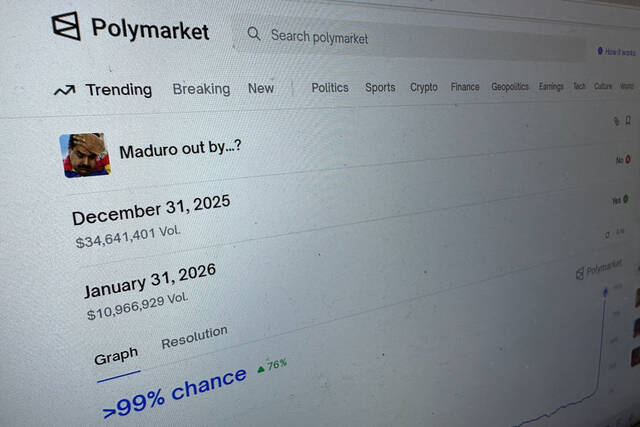
The Polymarket insider trading scandal—where 50+ newly created accounts generated $400,000+ in profits on April 8, 2026 Iran ceasefire bets hours before Trump's announcement—exposes critical vulnerabilities in cryptocurrency-based payment systems that cross-border sellers increasingly rely on for international transactions. One wallet created at 10 AM ET placed $72,000 in bets at 8.8 cents per contract, cashing out for $200,000 profit; another account created just 12 minutes before the announcement generated $48,500 profit. This pattern mirrors previous suspicious clusters on Venezuela's Maduro capture (January 2026) and repeated Iran-related military actions, triggering bipartisan congressional legislation to expand insider trading definitions to prediction markets.
The direct seller impact centers on three financial technology vulnerabilities: First, cryptocurrency payment settlement speed and transparency—the blockchain data that exposed these trades is the same infrastructure sellers use for cross-border payments. Polymarket's inability to identify wallet controllers despite "public blockchain data" demonstrates that crypto payment systems lack the identity verification and transaction monitoring that traditional payment processors (Stripe, PayPal, Wise) provide. Sellers accepting crypto payments face similar anonymity risks, making them vulnerable to regulatory scrutiny and transaction reversals. Second, regulatory uncertainty around crypto-based commerce—Congress is now moving toward stricter insider trading definitions that could classify certain crypto transactions as securities trading, potentially affecting how sellers structure cryptocurrency payments and stablecoin settlements. Third, working capital access constraints—as regulators tighten oversight of prediction markets and crypto platforms, traditional lenders are becoming more cautious about financing sellers with significant crypto payment exposure. Invoice factoring and supply chain financing providers now require sellers to disclose crypto payment percentages, with some refusing to finance sellers exceeding 15-20% crypto transaction volume.
For cross-border sellers, the immediate financial implications are substantial: Sellers currently using Polymarket-adjacent platforms (Kalshi, other crypto prediction markets) for hedging geopolitical risk on supply chains face potential account freezes during regulatory investigations. The 48-hour payout delay on the disputed Iran ceasefire contract demonstrates how regulatory disputes can lock working capital. More critically, sellers using crypto payment processors for international transactions (particularly USD/EUR/CNY corridors) should expect increased compliance costs—KYC (Know Your Customer) verification requirements are tightening, adding 5-10 business days to payment settlement. Traditional payment corridors (Wise, OFX, SWIFT) now offer 2-3% fee premiums for sellers with crypto payment history, as banks classify them as higher-risk. Sellers should immediately audit their crypto payment exposure: those exceeding 10% of transaction volume should consider shifting to stablecoin-backed payment processors (Circle, Paxos) that maintain traditional banking relationships, reducing regulatory risk while preserving settlement speed advantages.
Questions 8
How does geopolitical uncertainty affect crypto payment reliability?
The Iran ceasefire announcement demonstrates how geopolitical events trigger sudden regulatory changes affecting crypto payment systems. When Trump announced the ceasefire, Polymarket immediately disputed the contract and delayed payouts by 48 hours, freezing seller working capital. For cross-border sellers shipping to geopolitically sensitive regions, crypto payment processors may freeze accounts during political events without notice. Sellers should maintain 30-45 days of operating capital reserves and diversify payment methods across 2-3 processors to mitigate single-point-of-failure risk. Monitor geopolitical calendars (sanctions announcements, trade policy changes) and shift high-risk transactions to traditional payment corridors 48 hours before expected announcements.
What compliance costs should sellers budget for crypto payment exposure?
Regulatory tightening around crypto payments is increasing compliance costs by 15-25% for sellers with significant crypto exposure. KYC verification requirements now add 5-10 business days to payment settlement, requiring sellers to maintain larger working capital buffers. Banks are charging 2-3% fee premiums for sellers with crypto payment history, and supply chain finance providers are reducing lending limits for sellers exceeding 15-20% crypto transaction volume. A seller processing $500K monthly with 20% crypto exposure should budget $1,500-2,500 monthly in additional compliance costs (KYC verification, regulatory reporting, fee premiums). Shift to stablecoin processors or traditional payment corridors to reduce compliance burden and maintain financing access.