




Iran Ceasefire Triggers 13-16% Oil Crash | Shipping Cost Windfall for Cross-Border Sellers
- Brent crude falls 13%, WTI drops 16% on April 8, 2026 ceasefire announcement; fuel surcharges decline 8-12% for international freight; emerging market currencies surge 2% creating arbitrage opportunities for sellers sourcing from Asia-Pacific regions

















Overview
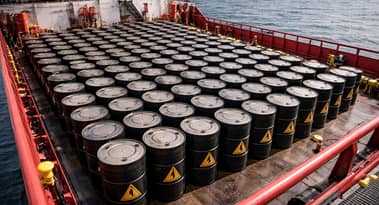
The April 8, 2026 Iran ceasefire announcement triggered a historic geopolitical relief rally with profound implications for cross-border e-commerce logistics and sourcing economics. Oil prices experienced their largest five-year decline, with Brent crude falling 13% and WTI dropping 16%—the most significant energy market correction since April 2020. This energy shock directly translates to reduced fuel surcharges on international freight, potentially lowering shipping costs 8-12% for sellers relying on ocean freight and air cargo to major markets.
Currency markets shifted dramatically in favor of emerging market sourcing regions. The dollar index declined 1% while emerging market currencies surged: South African Rand, Hungarian Forint, and Chilean Peso each gained 2%, while Swedish Krona and New Zealand Dollar rose 1.6%. This currency realignment creates a critical arbitrage window for sellers sourcing from Asia-Pacific and Latin American manufacturing hubs. Sellers with USD-denominated costs in Vietnam, India, and Mexico face 2-3% cost reductions on sourced inventory, directly improving gross margins on electronics, apparel, and home goods categories.
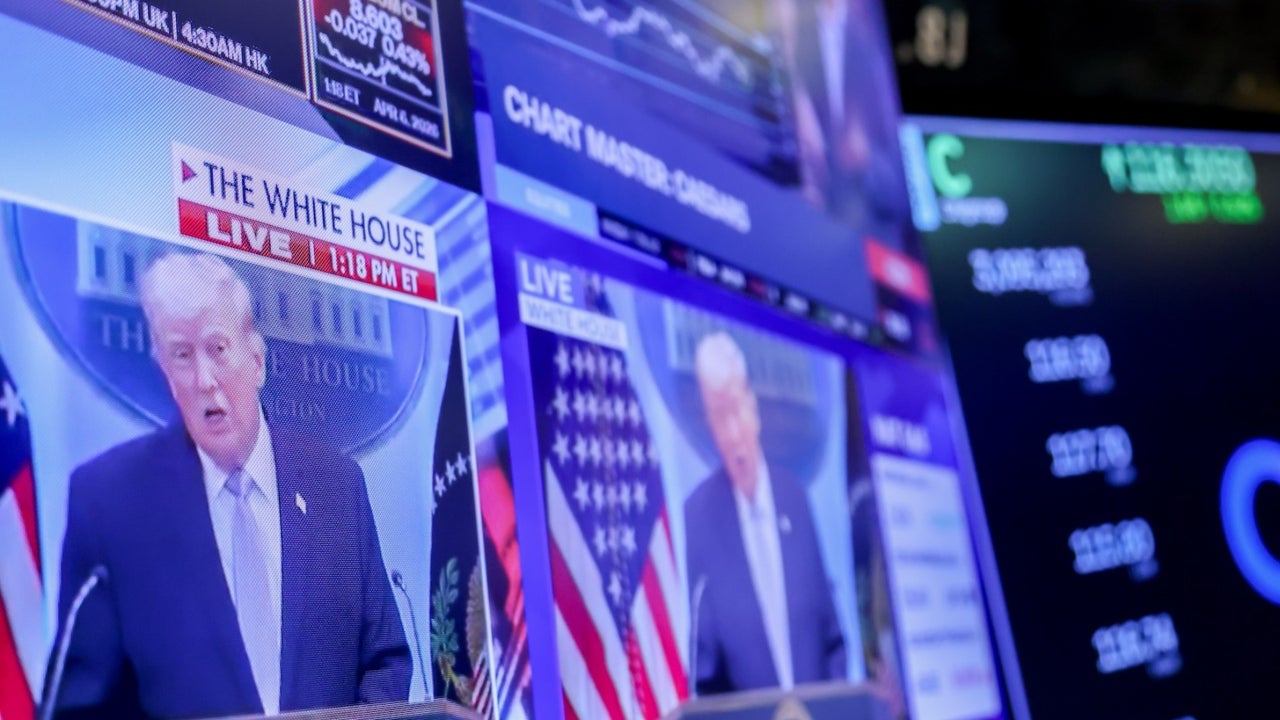
The "TACO trade" (Trump Always Chickens Out) reveals a repeatable market pattern with strategic implications. Wall Street has identified a systematic cycle where geopolitical escalations trigger temporary market stress, followed by de-escalation rallies. The S&P 500 posted its first weekly gain in six weeks (3.4% increase) leading into the ceasefire deadline, with options markets showing minimal stress premium. This investor confidence in policy off-ramps suggests reduced volatility in future geopolitical events, creating more predictable logistics cost environments for inventory planning.
However, sustainability concerns temper the opportunity window. Clearview Energy Partners notes that "fundamentals tend to be sticky and ceasefires tend to be tricky," indicating oil prices may not decline further despite the initial shock. The Federal Reserve's March meeting minutes revealed growing consideration of rate increases, suggesting potential headwinds for consumer spending and cross-border transaction volumes if inflation persists. Sellers must act quickly to lock in shipping rates and source inventory before fuel surcharges stabilize at new equilibrium levels, likely within 4-8 weeks as markets digest the ceasefire's permanence.
Questions 8
What geopolitical risks could reverse these shipping cost gains?
Three key risks could reverse the ceasefire benefits: (1) broader military campaigns or major Strait of Hormuz disruptions, which carry significant costs and could spike oil prices 20-30%; (2) escalation of U.S.-China trade conflicts, where tariffs previously climbed to 145% before proving unsustainable; (3) failure of the ceasefire to hold, triggering renewed conflict. Monitor geopolitical developments weekly through trade publications and government sources. If tensions re-escalate, shipping costs could spike 15-25% within days. Maintain 30-45 days of safety stock inventory to buffer against supply chain disruptions. Consider diversifying sourcing across Vietnam, India, and Mexico to reduce single-region risk exposure.
How does the TACO trade pattern affect my inventory planning?
The 'TACO trade' (Trump Always Chickens Out) reveals that Wall Street has identified a repeatable pattern where geopolitical escalations trigger temporary market stress followed by de-escalation rallies. The S&P 500 posted its first weekly gain in six weeks (3.4% increase) leading into the ceasefire deadline, suggesting investor confidence in policy off-ramps. This pattern indicates reduced volatility in future geopolitical events, creating more predictable logistics cost environments. Sellers can plan inventory with greater confidence that shipping costs will stabilize rather than spike unpredictably. However, avoid over-relying on this pattern—broader military campaigns or Strait of Hormuz disruptions carry significant costs and could break the cycle.