



Trump's Xenophobic Rhetoric Escalates: A Strategic Threat to Global Business Ecosystems
- Inflammatory Immigration Discourse Creates Unprecedented Barriers for International Entrepreneurs

















Overview
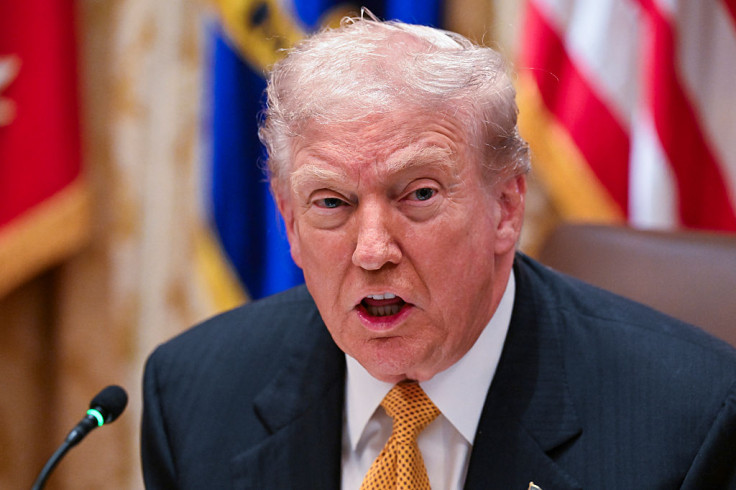
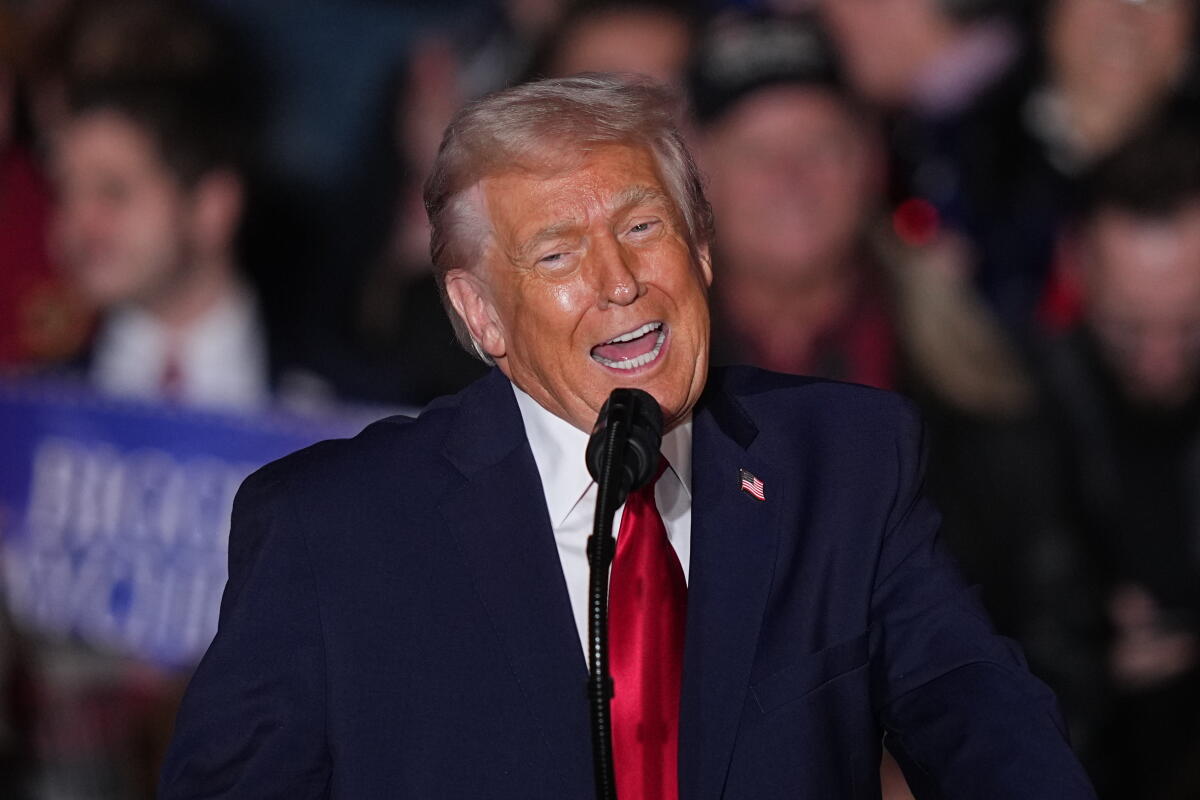
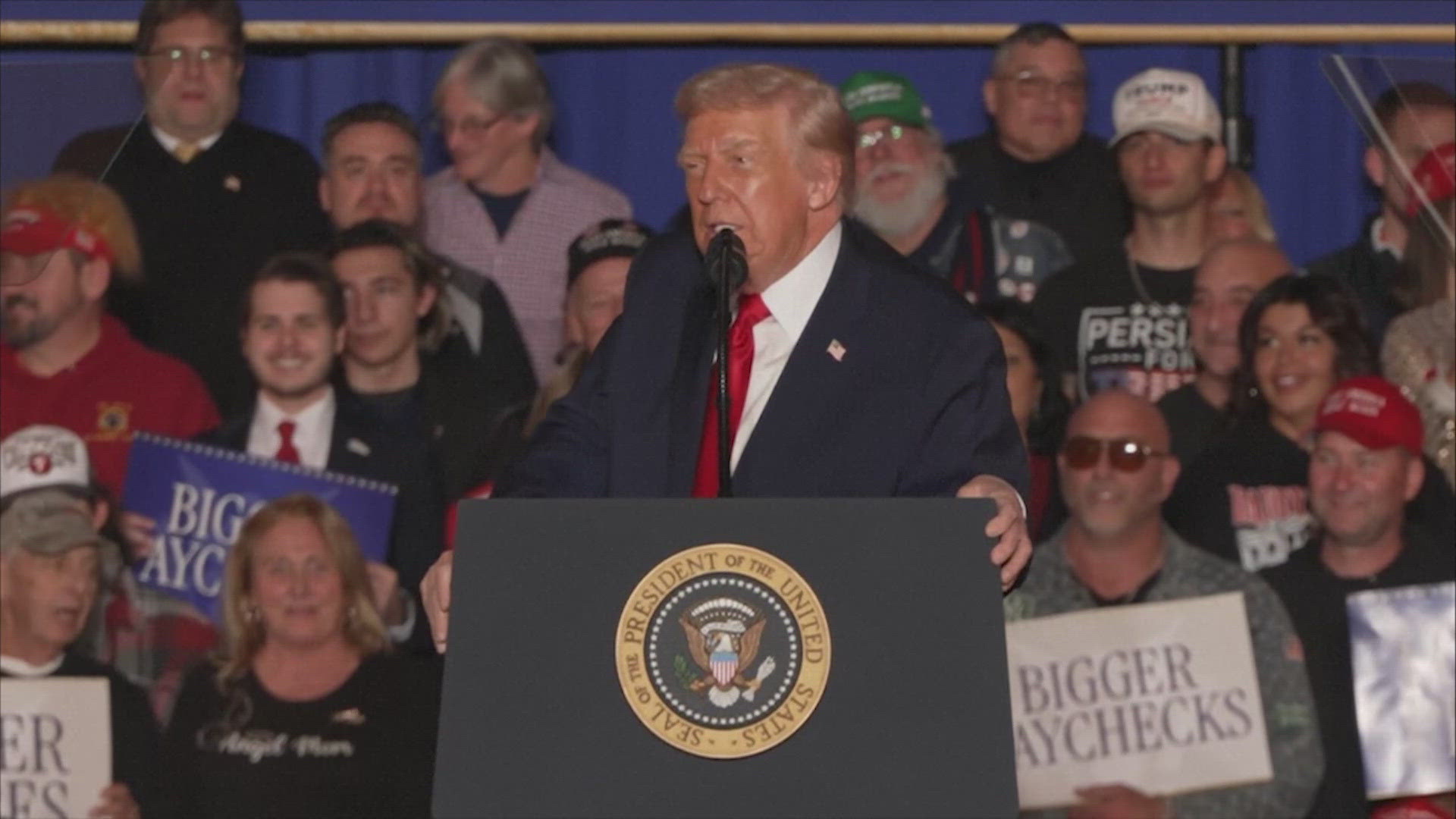
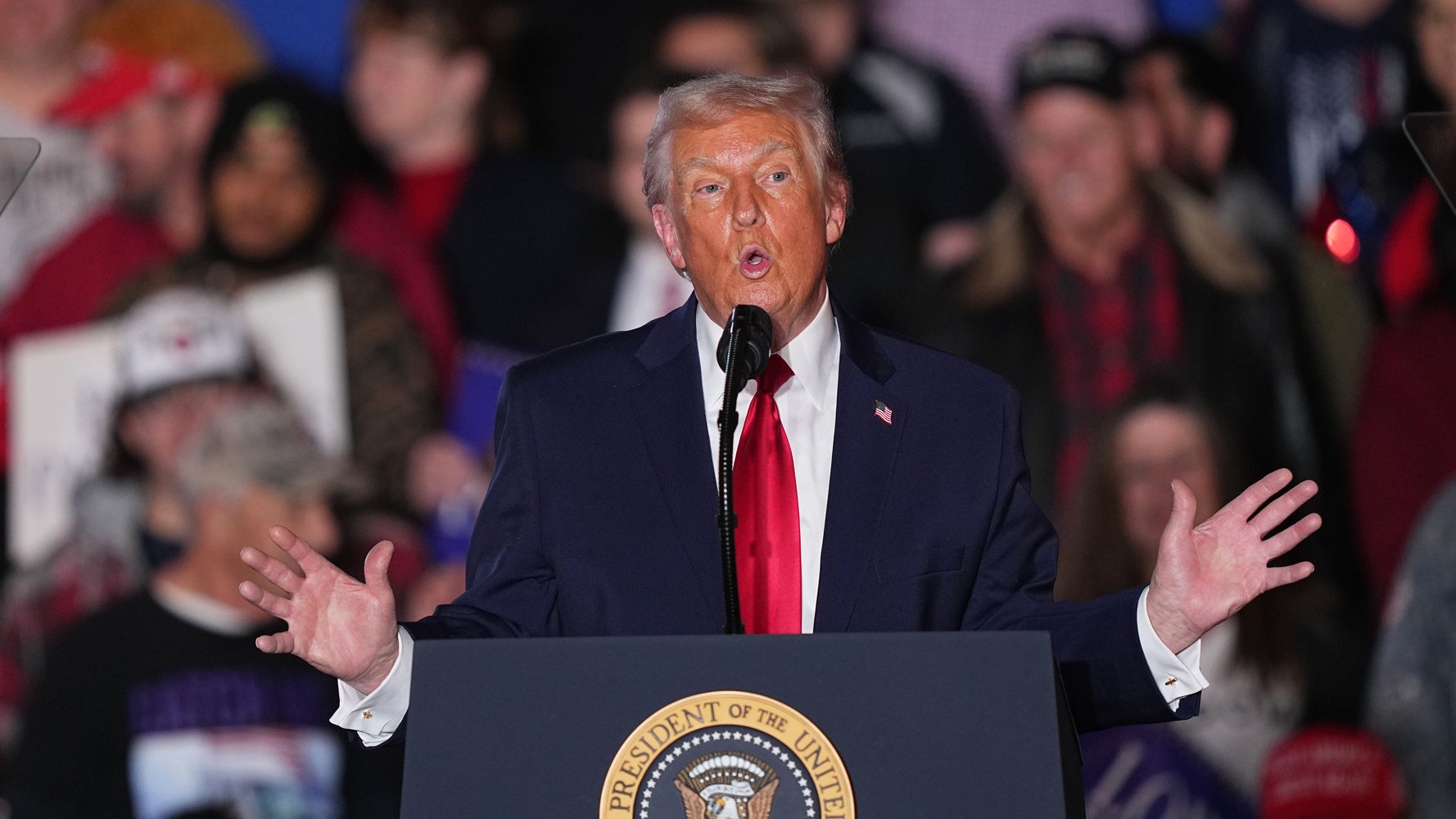
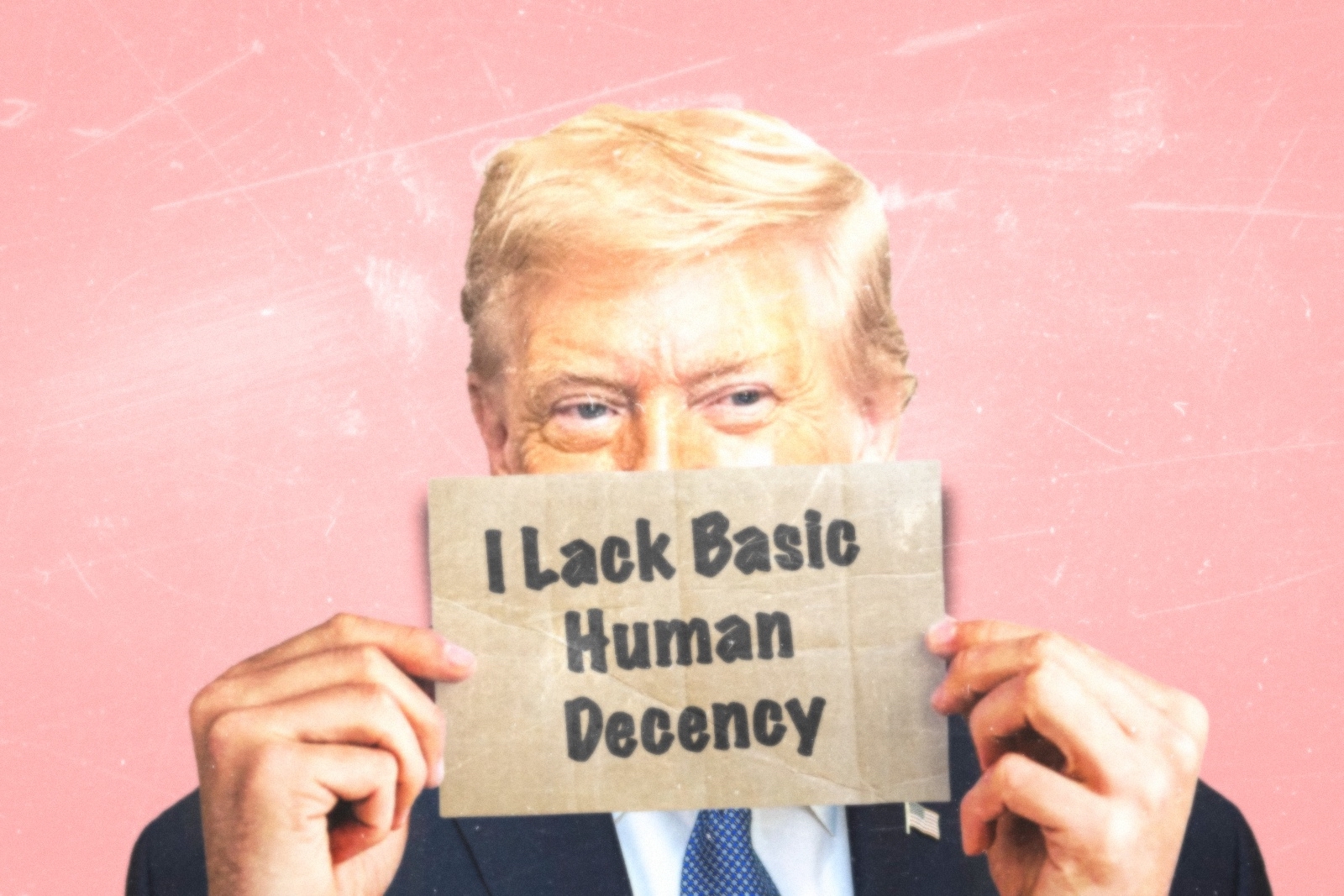
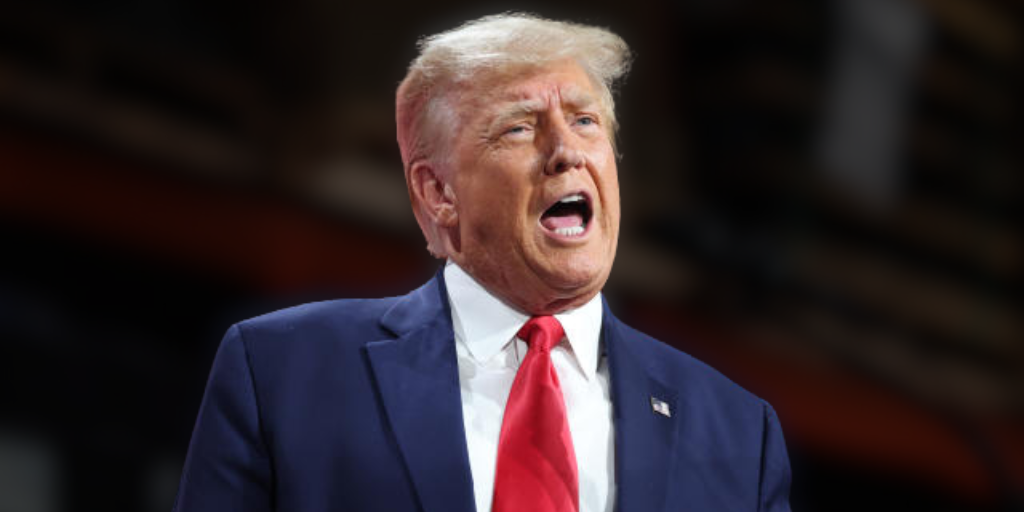
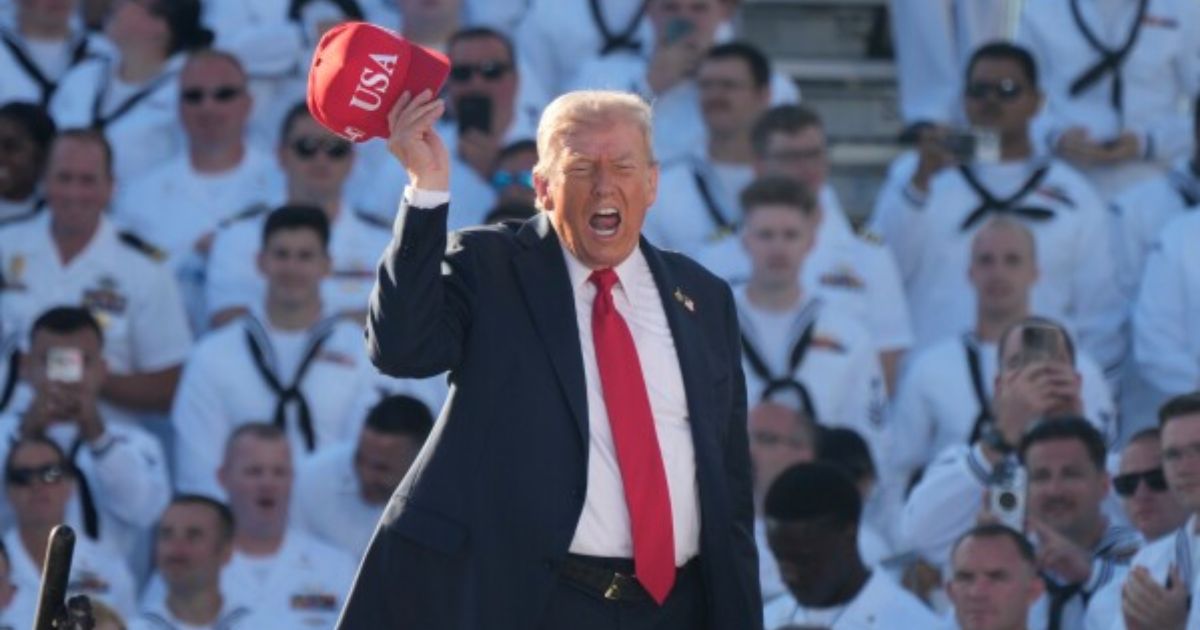
The escalation of xenophobic political rhetoric represents more than a rhetorical provocation—it signals a profound strategic reconfiguration of international business engagement and cross-border collaboration. In a recent Pennsylvania rally, Donald Trump not only revived his controversial "shithole countries" language but strategically expanded his inflammatory discourse, specifically targeting immigrant communities and creating tangible economic risks for global entrepreneurs.
Geopolitical Signaling and Market Perception: Trump's targeted remarks about Somalia, Haiti, and other developing nations go beyond political grandstanding. By describing these countries as "filthy, dirty, disgusting" and proposing a "permanent pause on Third World migration", he is effectively constructing psychological barriers that extend far beyond immigration policy. For international businesses, particularly those involving cross-border e-commerce and immigrant entrepreneurship, these statements create a hostile operational environment that could discourage investment, collaboration, and market entry.
Normalization of Exclusionary Discourse: The most significant development is not just Trump's rhetoric, but the evolving Republican party's response. Unlike previous terms where senators like Lindsey Graham expressed disappointment with such statements, the current political landscape shows increasing tolerance. Figures like JD Vance are actively supporting these inflammatory narratives, suggesting a structural shift in political communication that directly impacts international business ecosystems.
Strategic Implications for Global Entrepreneurs: These developments demand a recalibration of international business strategies. Cross-border sellers must now navigate not just traditional market barriers, but also increasingly complex geopolitical rhetoric that can instantaneously reshape market perceptions. The rhetoric suggests a potential normalization of xenophobic discourse that could create significant friction for immigrant entrepreneurs, international collaborations, and diverse business networks.
Critically, this is not merely a political spectacle but a strategic inflection point. Businesses must develop more nuanced, resilient strategies that can withstand rapidly shifting political landscapes while maintaining commitment to diverse, global collaboration.
Questions 3
What strategic adaptations should global entrepreneurs consider in response to these political developments?
Entrepreneurs should develop more resilient, diversified market entry strategies that can withstand political volatility. This includes building robust local partnerships, maintaining flexible operational models, and creating communication strategies that can navigate increasingly complex geopolitical landscapes.
Are there long-term economic consequences of normalizing xenophobic political discourse?
Yes, normalizing such rhetoric can lead to reduced international trust, decreased foreign direct investment, and fragmentation of global business ecosystems. It potentially creates systemic barriers that go beyond immediate political rhetoric, affecting long-term economic collaboration and innovation potential.