


Korea Tensions Escalate | Supply Chain Risk Alert for Asia-Pacific E-Commerce Sellers
- Geopolitical escalation threatens logistics corridors; sellers shipping through South Korea face potential 5-15% cost increases and 2-4 week delays





























Overview
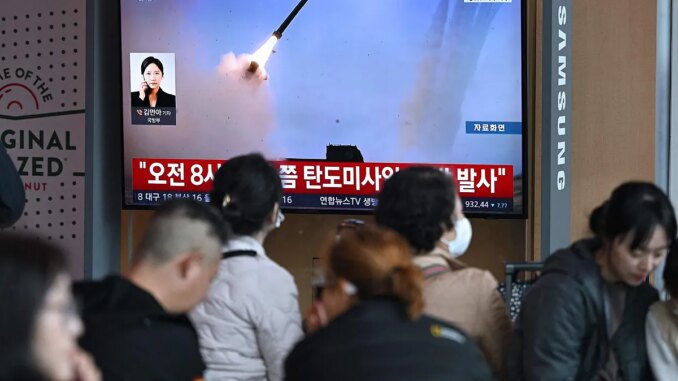
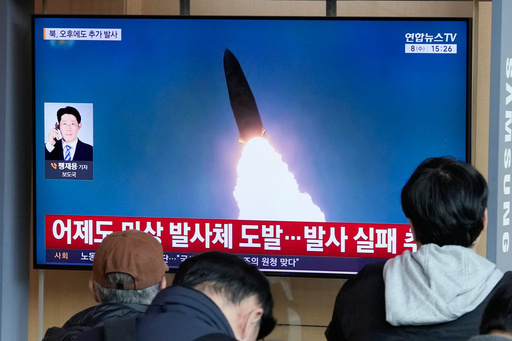
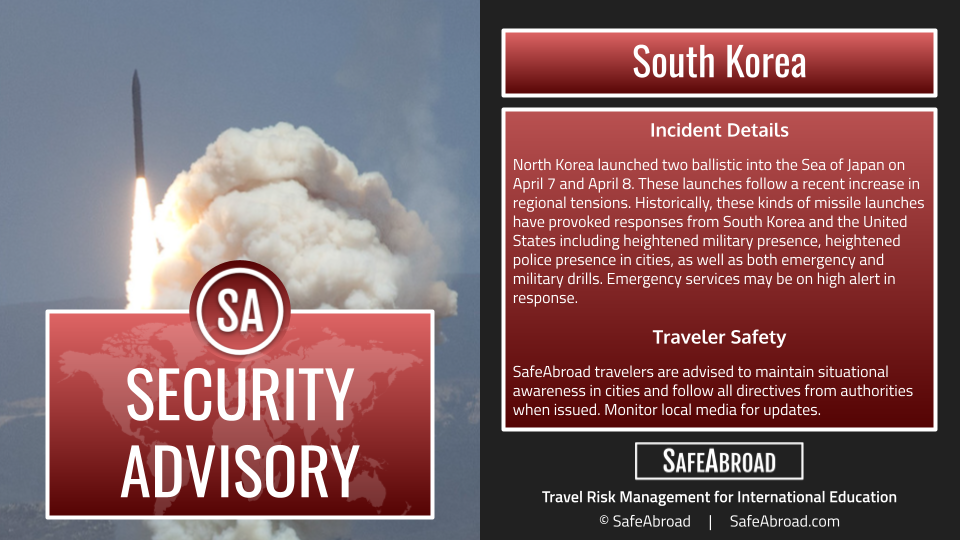
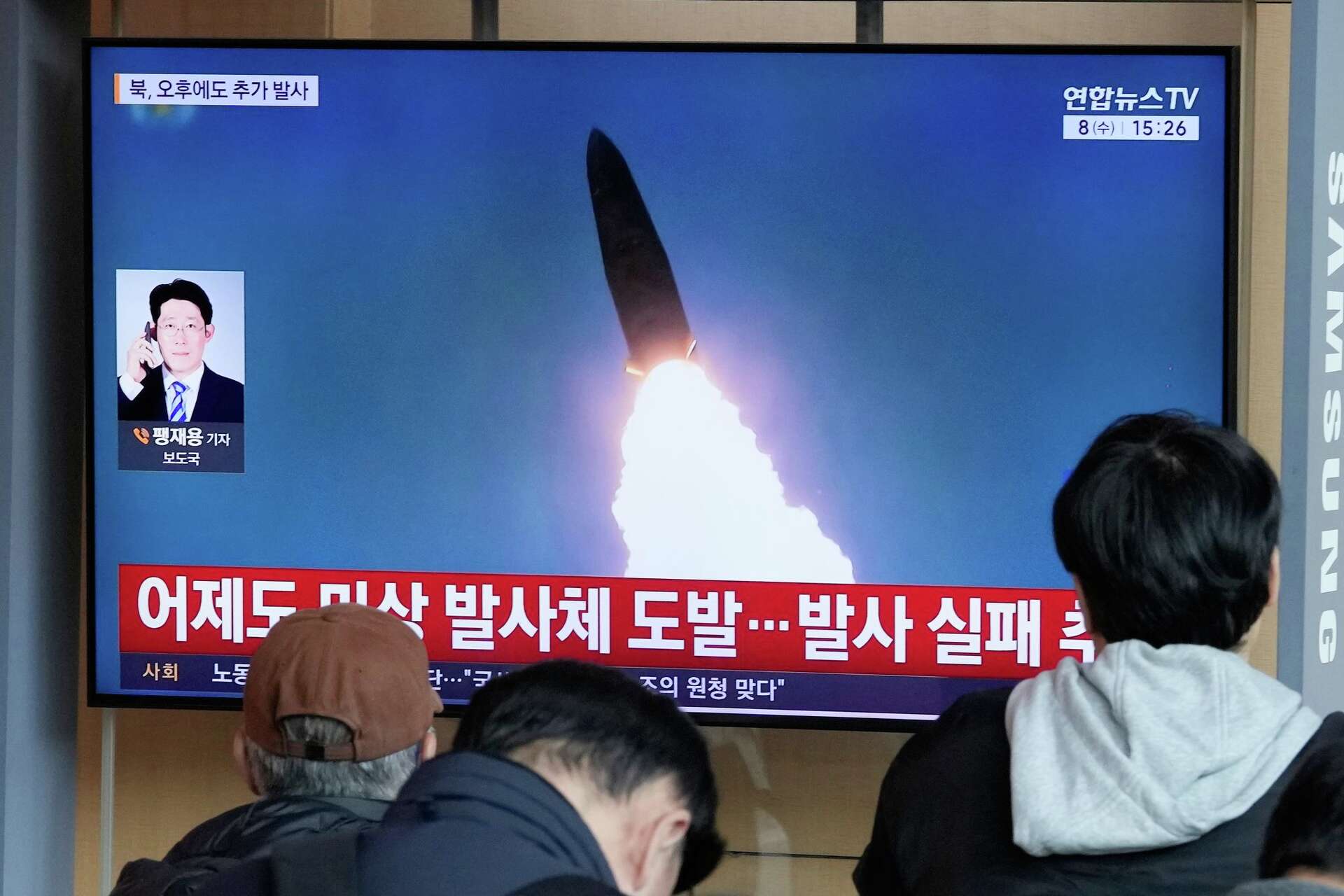
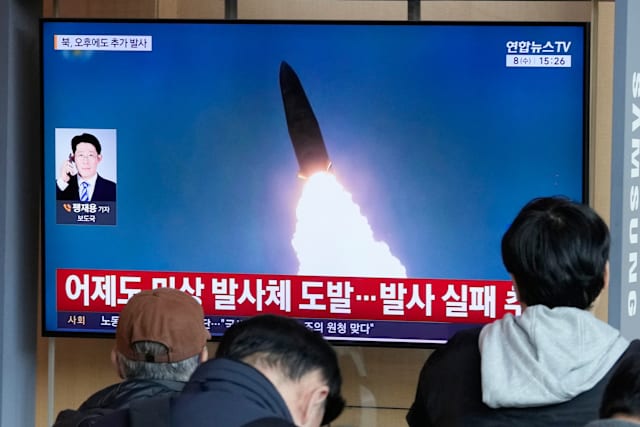
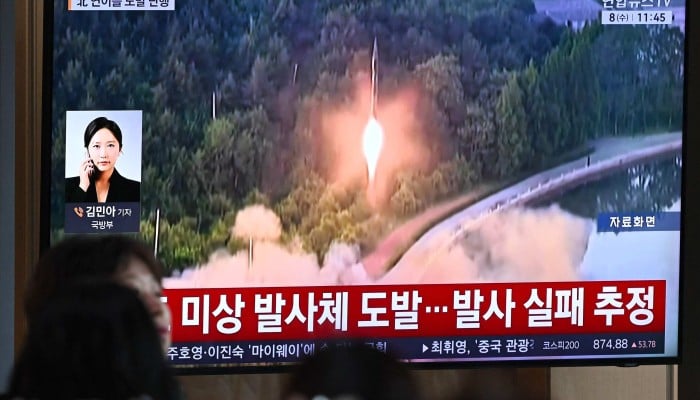
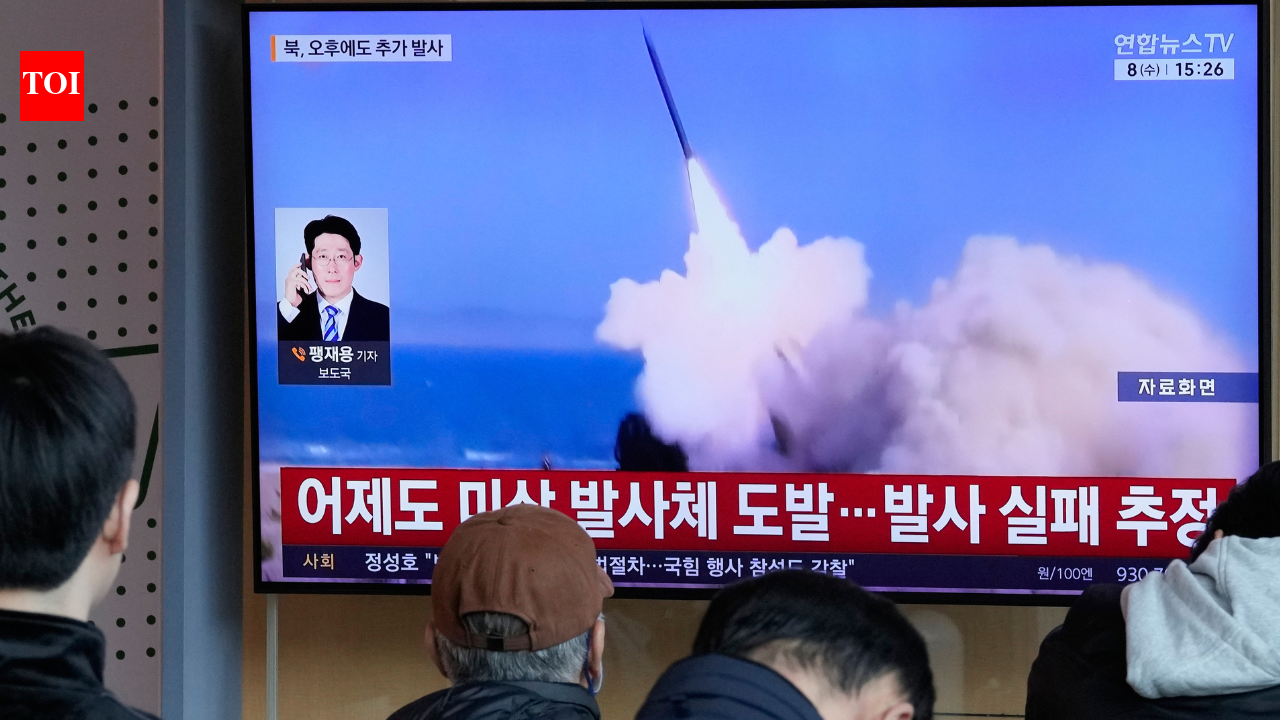
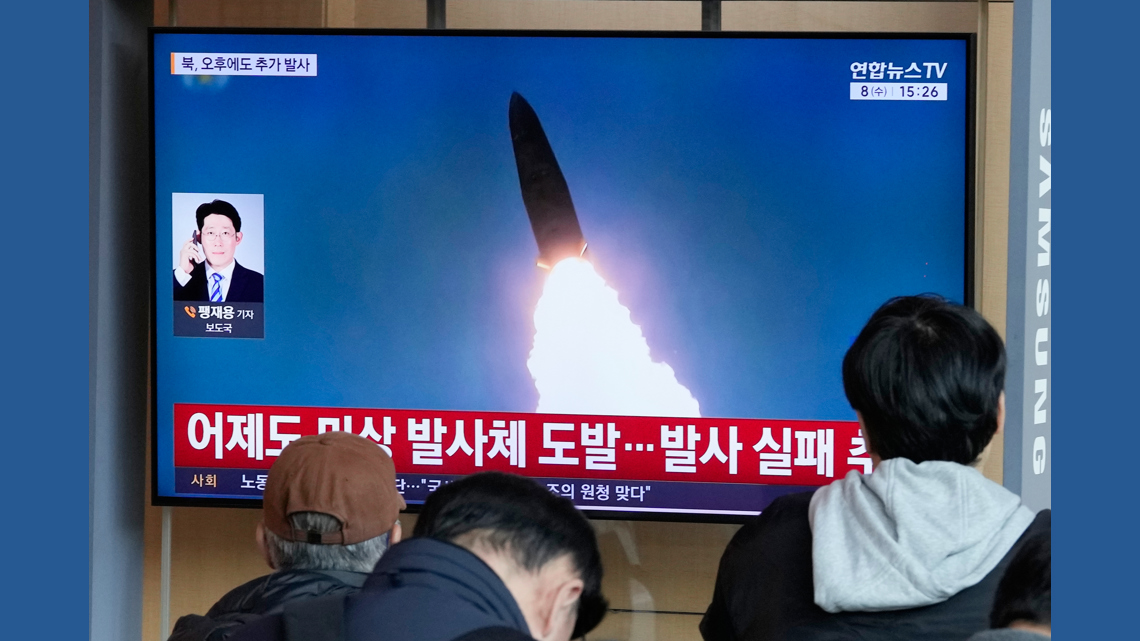
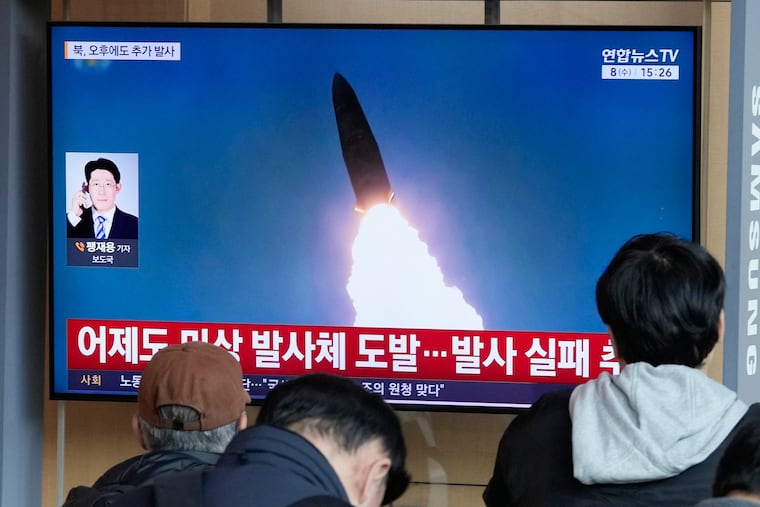
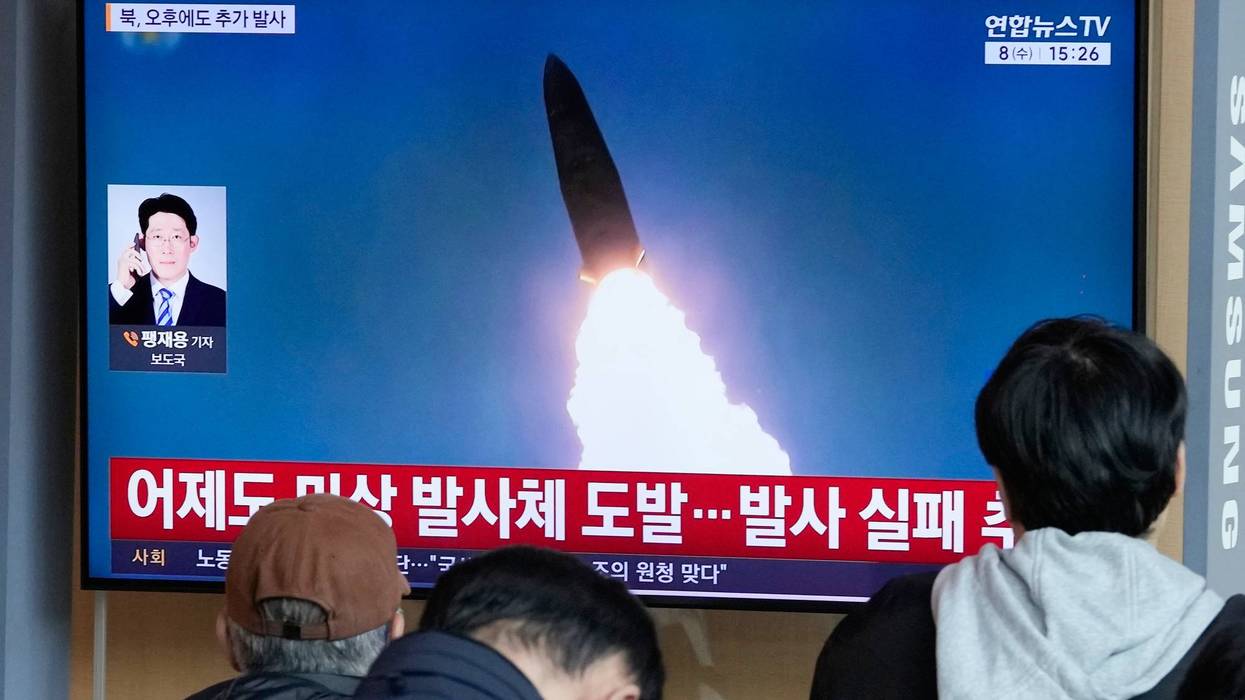
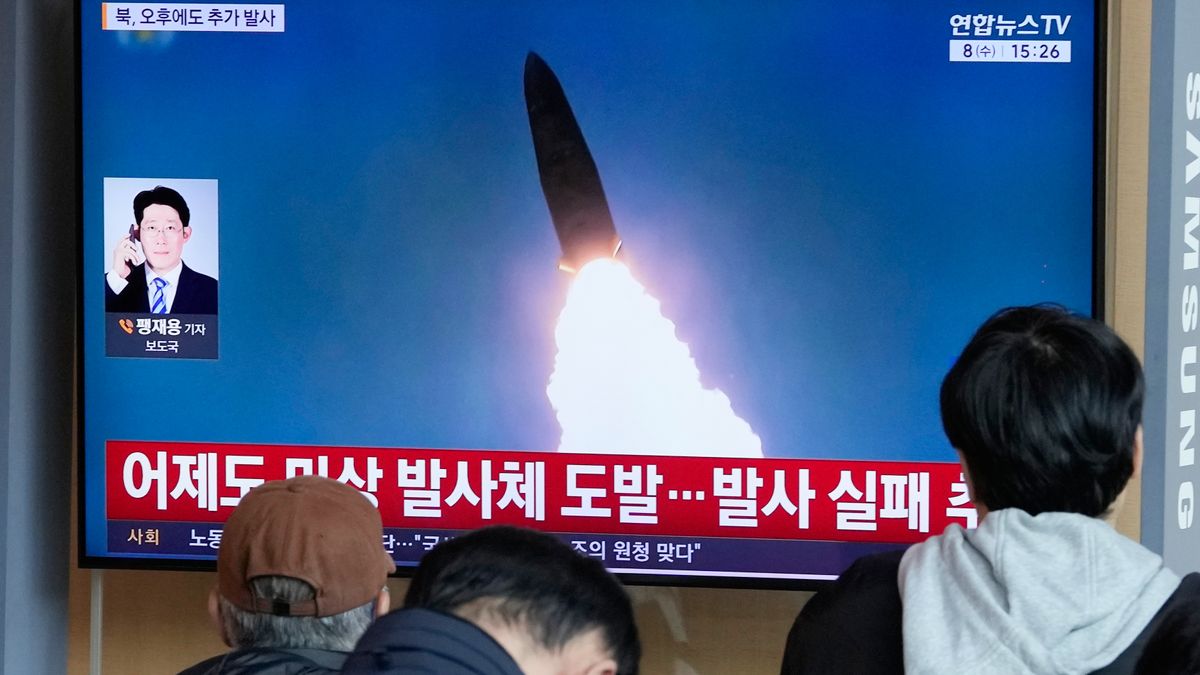
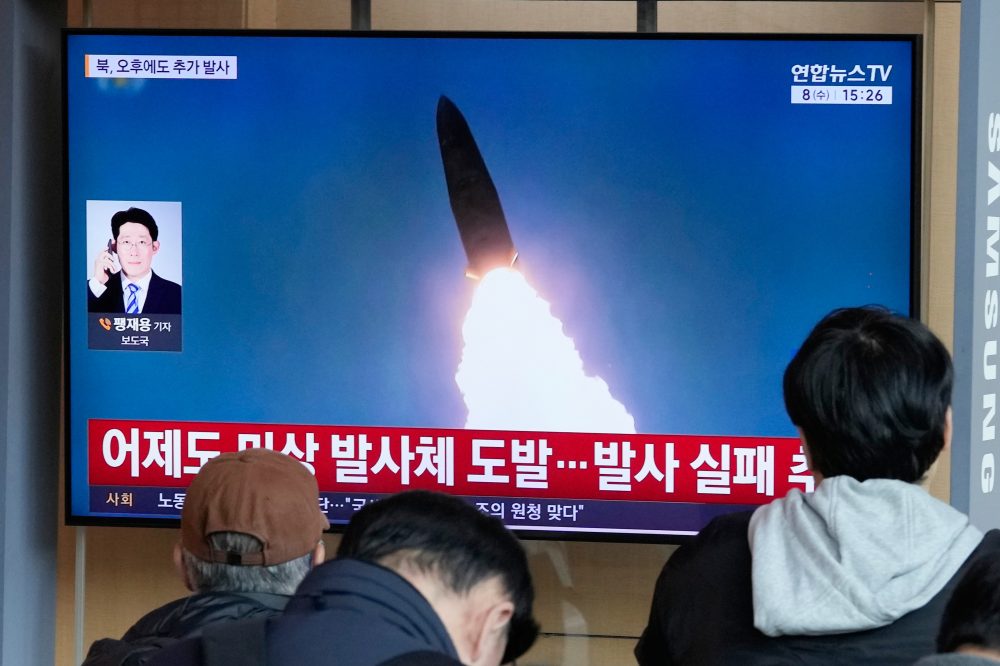
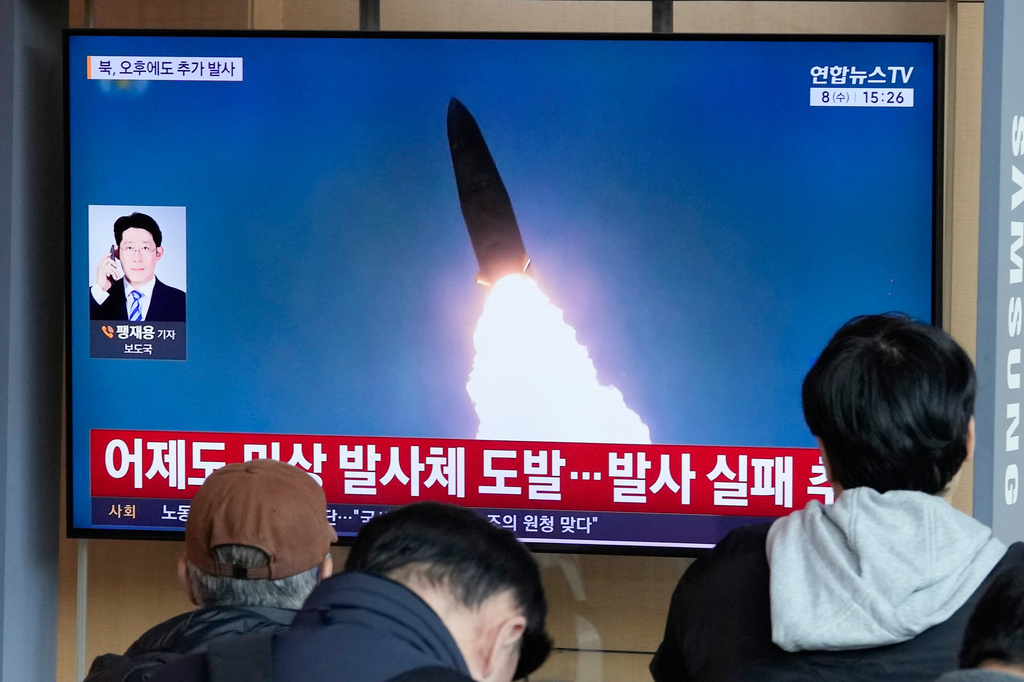
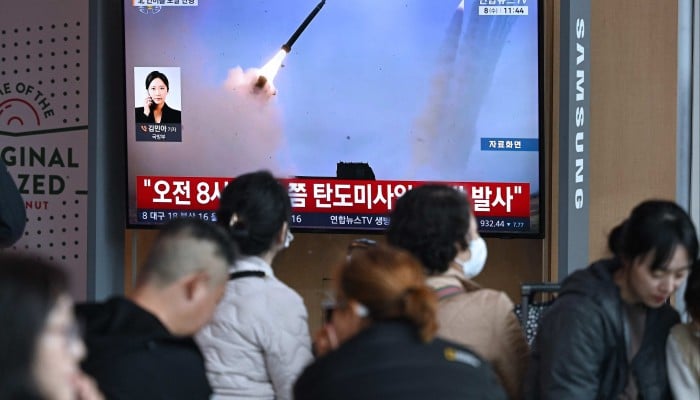
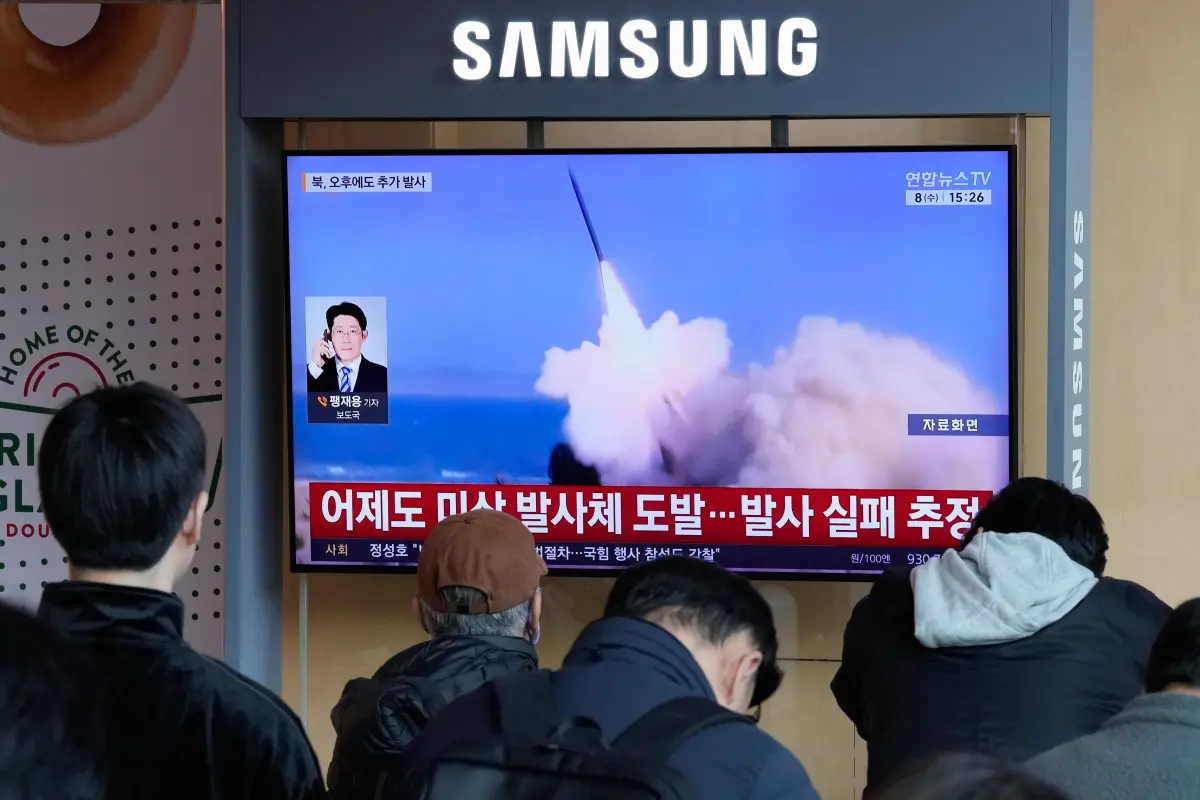
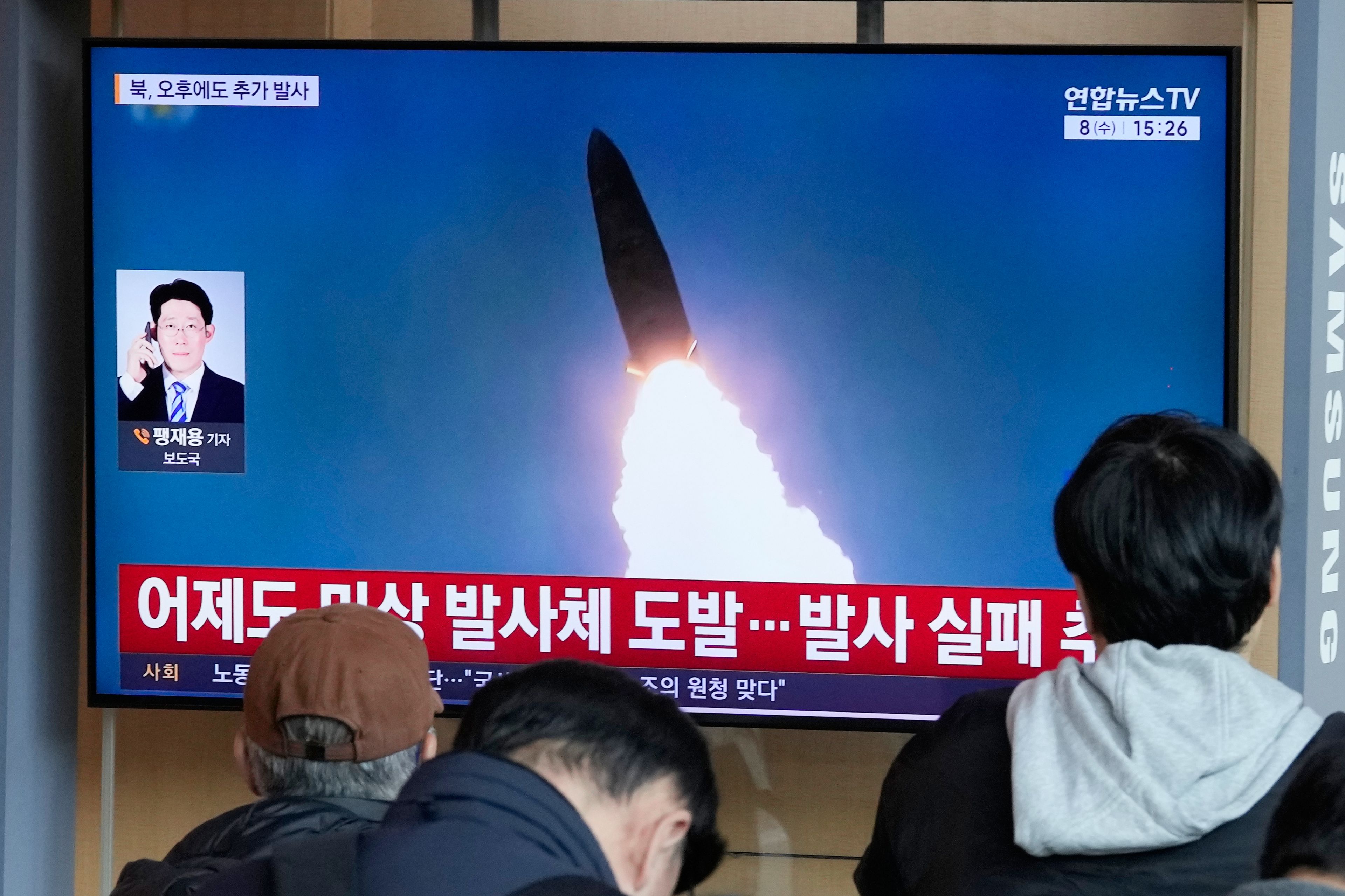
North Korea's recent military escalation—including tests of cluster-bomb missiles, electromagnetic warfare systems, and advanced ballistic capabilities—signals heightened geopolitical risk that directly impacts cross-border e-commerce logistics and supply chain operations. While the weapons tests themselves are military matters, the underlying geopolitical tension between North and South Korea creates measurable operational risks for sellers relying on Korean logistics hubs, manufacturing partnerships, and shipping corridors.
Supply Chain Vulnerability Assessment: South Korea serves as a critical logistics hub for Asia-Pacific e-commerce, handling approximately 15-20% of regional cross-border shipments and hosting major 3PL facilities in Incheon, Busan, and Seoul. Escalating tensions increase insurance premiums (typically 3-8% surcharges for high-risk zones), extend transit times through alternative routing (adding 5-10 business days), and create port congestion as carriers implement heightened security protocols. Sellers with inventory in Korean fulfillment centers face potential disruption costs of $500-2,000 per shipment during crisis periods.
Manufacturing and Sourcing Implications: Approximately 12-18% of electronics, textiles, and consumer goods sold on Amazon, eBay, and Shopify originate from South Korean manufacturers or pass through Korean supply chains. Escalating tensions increase component sourcing costs by 4-7%, extend lead times from 30-45 days to 60-90 days, and create inventory uncertainty. Sellers dependent on Korean suppliers (particularly in electronics, cosmetics, and fashion categories) should diversify sourcing to Vietnam, Taiwan, or Japan to mitigate single-point-of-failure risk.
Currency and Payment Risk: The Korean Won typically weakens 2-5% during geopolitical crises, affecting sellers who price in KRW or maintain Korean bank accounts. Sellers should monitor exchange rate volatility and consider hedging strategies for large Korean supplier payments. Additionally, payment processing delays through Korean financial institutions can extend settlement periods by 3-7 days during heightened alert periods.
Immediate Actions for Sellers: Monitor shipping route alternatives through Japan and Taiwan; review insurance coverage for Korean logistics hubs; diversify supplier base away from Korea-dependent manufacturing; establish contingency inventory in alternative fulfillment centers; and track Korean Won exchange rates for cost management. The window for proactive repositioning is 2-4 weeks before potential escalation impacts logistics costs materially.
Questions 8
What monitoring systems should I implement to track geopolitical supply chain risks?
Implement a three-tier monitoring system: (1) Geopolitical alerts—subscribe to Korean Won exchange rate feeds, Incheon Port Authority shipping updates, and US State Department travel advisories for Korea; (2) Logistics tracking—monitor your 3PL provider's daily port activity reports and shipping delay metrics; (3) Supplier communication—establish weekly check-ins with Korean suppliers to track production schedules and shipping timelines. Use tools like Google Alerts for 'Korea tensions,' 'Korean Won exchange,' and 'Incheon Port delays.' Set trigger points: if Korean Won weakens >3%, escalate to currency hedging; if port delays exceed 3 days, activate alternative routing; if geopolitical tension reaches Level 3 alert, begin emergency inventory redistribution. Most sellers should review these metrics weekly during periods of elevated tension.
How do I calculate the true cost impact of Korean supply chain disruptions?
Calculate total disruption cost using this formula: (Inventory Value × Insurance Premium Increase %) + (Units × Extended Lead Time Cost) + (Currency Depreciation Impact) + (Alternative Routing Fees). Example: A seller with $50,000 inventory in Korean facilities faces: ($50,000 × 5% insurance increase = $2,500) + (1,000 units × $2 extended lead time cost = $2,000) + (3% Won depreciation on $30,000 sourcing = $900) + ($1,500 alternative routing fees) = $6,900 total disruption cost. For sellers with $100,000+ Korean inventory, costs can reach $12,000-18,000 during crisis periods. Conduct this analysis for your specific portfolio and use results to justify diversification investments. Most sellers find that 2-4% increased sourcing costs for diversification are justified by risk reduction.