


SEC Enforcement Shift Signals Crypto Regulatory Slowdown | Seller Compliance Impact 2025
- 22% decline in SEC enforcement actions (456 vs 583 prior year) creates regulatory uncertainty for crypto-adjacent e-commerce sellers and fintech payment platforms





















Overview
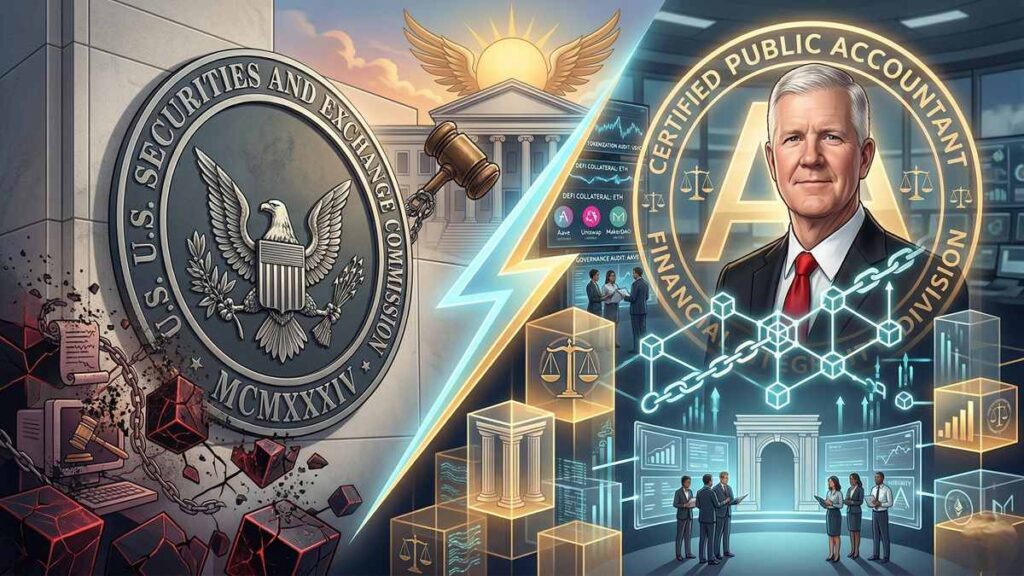
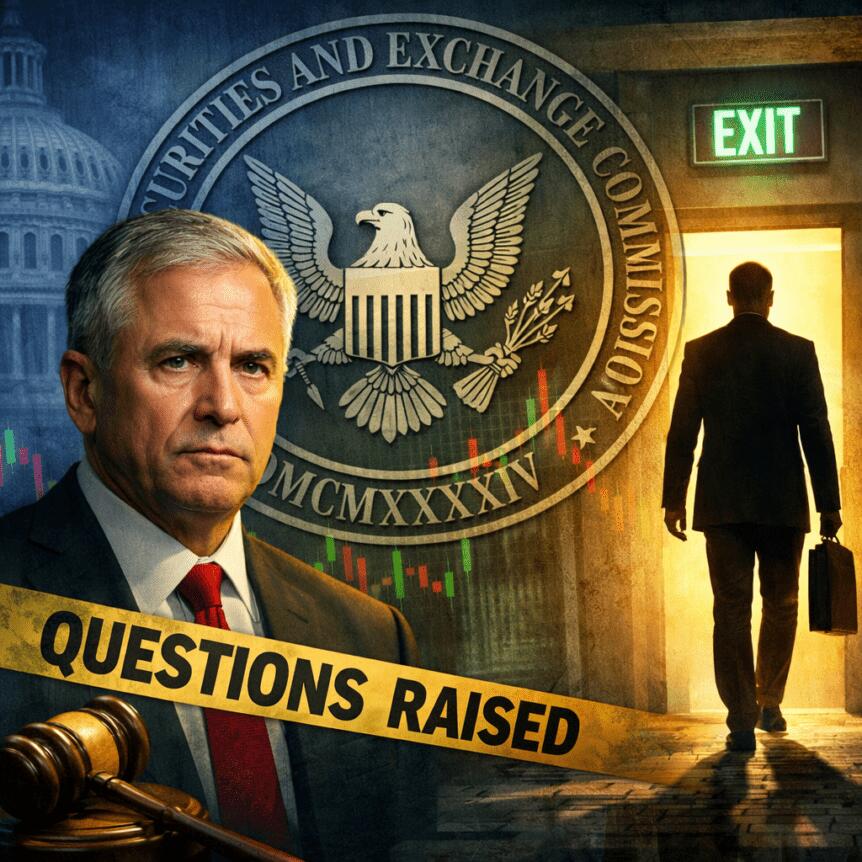
The U.S. Securities and Exchange Commission's appointment of David Woodcock as Enforcement Director (effective May 4, 2025) represents a significant strategic pivot away from cryptocurrency regulation toward traditional securities fraud enforcement. Woodcock, a Gibson Dunn corporate litigation partner with zero crypto policy background, replaces Margaret Ryan who resigned after six months due to conflicts with SEC Chair Paul Atkins over pursuing fraud cases against crypto-connected figures. This leadership transition occurs amid measurable enforcement contraction: the SEC filed 456 enforcement actions in fiscal 2025—a 22% decline from 583 the previous year—while reducing enforcement staff by 18 members. The SEC's settlement with entrepreneur Justin Sun for $10 million without admission of fault exemplifies the agency's shift toward lighter-touch crypto oversight.
For cross-border e-commerce sellers, this creates a bifurcated regulatory environment. Sellers operating crypto payment platforms, tokenization services, or blockchain-based commerce solutions face reduced federal enforcement scrutiny but increased uncertainty about regulatory boundaries. The SEC has dismissed high-profile cases against Coinbase, Kraken, and Binance, signaling deprioritization of token classification enforcement. However, this regulatory vacuum creates compliance ambiguity: legitimate businesses lack clear guidance on securities law applicability to digital assets, while retail investors face diminished fraud protection. Sellers in fintech and payment processing sectors—which support cross-border e-commerce operations—should anticipate continued moderation in SEC enforcement priorities but heightened Congressional scrutiny from figures like Senator Richard Blumenthal.
Operational implications vary by seller segment. Crypto-adjacent e-commerce businesses (NFT marketplaces, blockchain payment processors, tokenized goods platforms) gain breathing room from regulatory pressure that existed under Biden-era enforcement, potentially reducing compliance costs and litigation risks. However, this creates market uncertainty: without clear SEC guidance on token classification, sellers cannot confidently structure offerings. Payment processor platforms supporting cross-border transactions may experience reduced compliance requirements but face reputational risks if associated with fraud. Traditional e-commerce sellers using regulated payment methods face minimal direct impact, though payment processor consolidation driven by regulatory changes could affect transaction fees and settlement timelines. The Treasury Department's backing of the Clarity Act suggests Congressional intent to establish comprehensive crypto frameworks, potentially creating future regulatory shifts that could reverse current enforcement moderation.
Strategic positioning requires monitoring SEC announcements and Congressional developments. Sellers should avoid assuming current enforcement leniency represents permanent policy; historical precedent shows SEC enforcement priorities shift with leadership changes. The appointment of Woodcock—whose background emphasizes accounting fraud and financial reporting misconduct rather than digital asset regulation—suggests the agency will focus on traditional securities violations affecting public companies and institutional investors. For sellers operating in regulated financial services, this means compliance expectations may stabilize around traditional securities law rather than evolving crypto-specific frameworks. However, the 18-month timeline until Woodcock's full institutional impact becomes clear creates a window for sellers to clarify their regulatory positioning before potential future enforcement shifts.
Questions 8
How does the SEC's shift away from large corporate penalty cases affect e-commerce sellers operating as public companies?
The SEC's stated shift away from large corporate cases with substantial penalties suggests reduced litigation risk for public e-commerce companies facing enforcement actions. However, this reflects enforcement prioritization rather than substantive legal changes: the underlying securities laws remain unchanged, and future SEC leadership could reverse this policy. Public e-commerce sellers should interpret this as a temporary reduction in enforcement intensity, not a signal to reduce compliance investments. The SEC's continued focus on 'misconduct inflicting greatest harm to investors' means enforcement will target fraud, accounting violations, and material misstatements—areas where e-commerce companies managing investor relations face ongoing risk. Sellers should maintain robust financial controls, audit practices, and disclosure procedures regardless of current enforcement trends.
What compliance monitoring should sellers implement given the SEC enforcement leadership transition?
Sellers should establish quarterly monitoring of SEC press releases, enforcement division announcements, and Congressional testimony regarding crypto regulation and fintech oversight. Specifically, track: (1) SEC enforcement action counts and settlement terms to identify emerging enforcement priorities; (2) Congressional hearings on crypto regulation and fintech oversight, particularly statements from Senator Blumenthal and other oversight committee members; (3) Treasury Department guidance on the Clarity Act implementation timeline; (4) State-level regulatory developments, as the news indicates crypto activity may migrate to jurisdictions with established frameworks. For sellers in crypto-adjacent sectors, document compliance reasoning and maintain audit trails demonstrating good-faith regulatory compliance efforts, as future enforcement shifts may target sellers who failed to implement reasonable controls during the current leniency period.