

xAI Talent Exodus Signals AI Market Instability | Implications for Enterprise Tech Sellers
- 11 of 12 cofounders departing amid $1.75T SpaceX IPO; compute performance "embarrassingly low"; regulatory investigations threaten timeline








Overview
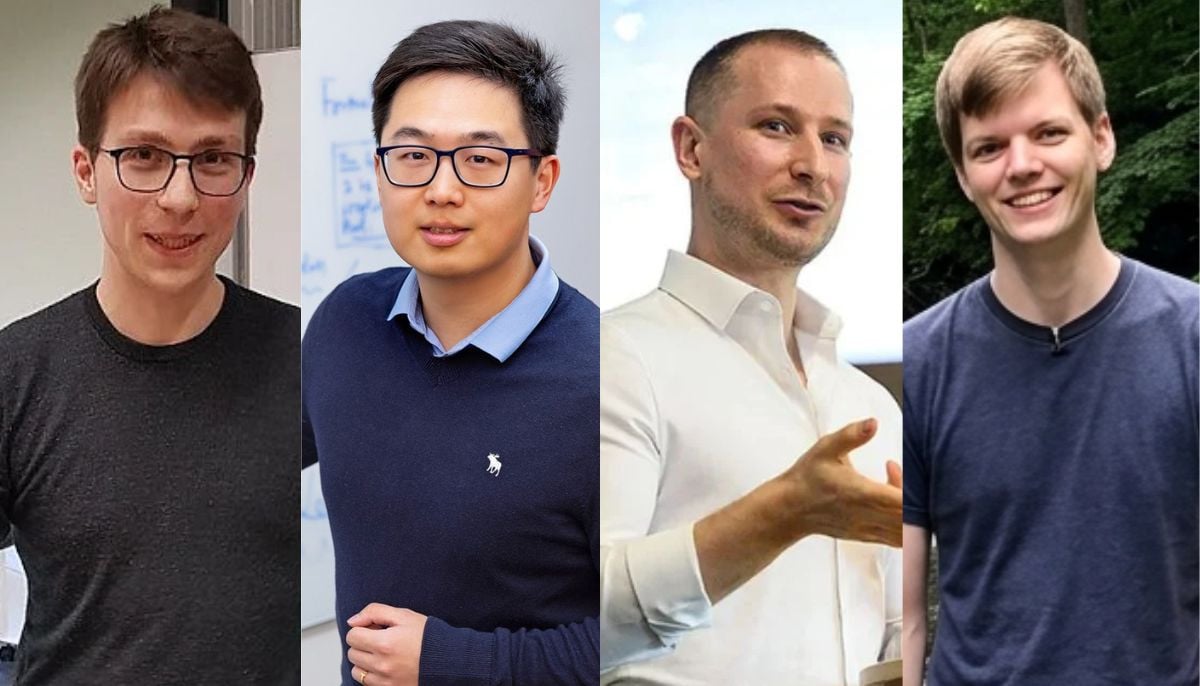
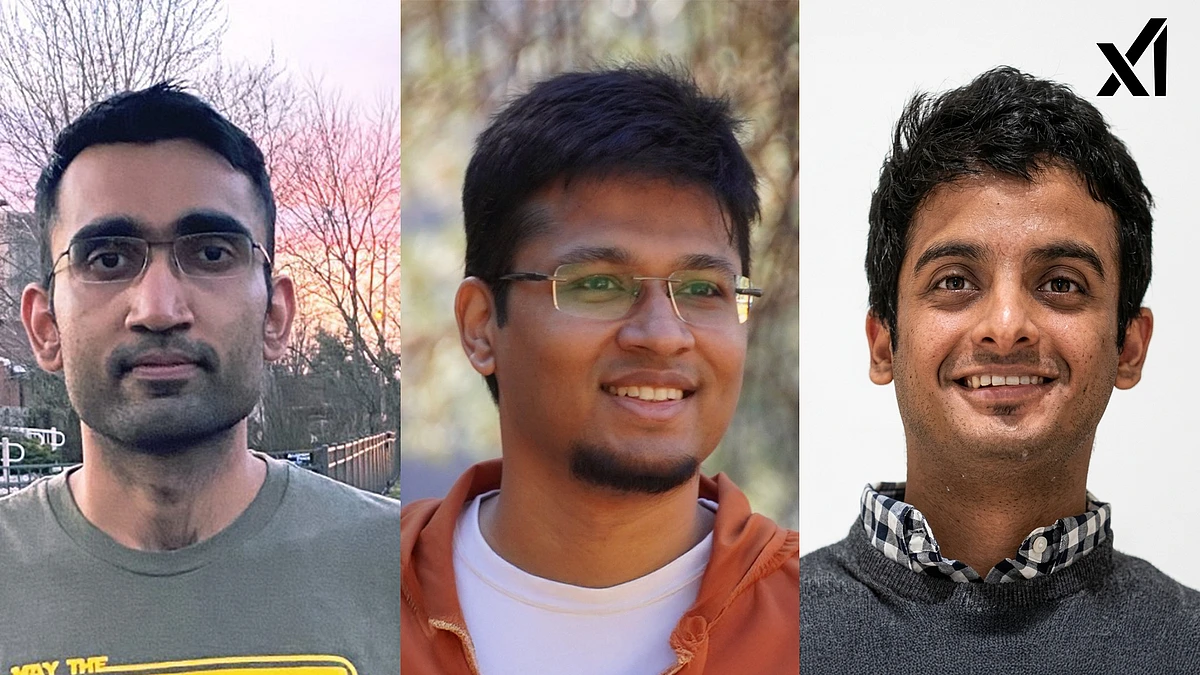
xAI's organizational collapse represents a critical inflection point in the competitive AI market, with direct implications for enterprise technology sellers and B2B software vendors. Between February and June 2024, Elon Musk's xAI experienced the departure of 11 of its 12 original cofounders—including Ross Nordeen (Tesla Autopilot veteran), Greg Yang, Tony Wu, Jimmy Ba, Toby Pohlen, Zihang Dai, Guodong Zhang, and Manuel Kroiss—signaling fundamental loss of confidence in the company's strategic direction. Michael Nicolls, SpaceX's Starlink SVP, assumed xAI presidency to execute a "Tesla-style reconstruction," acknowledging the company is "clearly behind" OpenAI, Anthropic, and Google while compute training performance remains "embarrassingly low." This reorganization occurs as SpaceX prepares for a June IPO valuing the combined entity at $1.75 trillion, with xAI valued at approximately $250 billion but burning billions annually.
The talent exodus carries significant market implications for enterprise sellers. Corporate governance expert Charles Elson warns that mass departures of founding teams signal either overpricing or management confidence collapse—a critical signal for B2B vendors evaluating partnerships with AI-dependent platforms. Tesla's concurrent weakness (14% quarterly delivery decline, 20% year-to-date stock decline, $2B xAI commitment) indicates Musk's conglomerate faces operational strain across six companies. Multiple regulatory investigations in Europe, Asia, and the U.S. threaten IPO timelines, creating uncertainty for vendors planning integrations with SpaceX/xAI infrastructure. The company's admission that "xAI was not built right first time around" and requires foundational rebuilding removes incentive for top researchers to remain, creating a talent vacuum during critical product development phases.
For enterprise software and infrastructure sellers, this situation presents both risk and opportunity. Sellers offering AI infrastructure, compute optimization, talent recruitment, and organizational consulting services should monitor xAI's restructuring as a case study in failed AI scaling. The company's need for "significant improvement within two months" in compute performance suggests demand for specialized infrastructure solutions, GPU optimization services, and cloud architecture consulting. However, the regulatory scrutiny and leadership instability create counterparty risk for vendors considering long-term partnerships. Sellers should track insider buying activity ahead of the June IPO as a confidence indicator—absence of executive share purchases would reinforce concerns about viability. The broader pattern demonstrates that when founder-led conglomerates face pressure, capable insiders seek stability elsewhere, suggesting xAI's reconstruction may require external vendor support for critical functions previously handled by departing talent.
Questions 8
How does xAI's situation compare to historical tech restructurings?
Musk characterizes xAI's restructuring as comparable to his 2008 Tesla overhaul when he ousted cofounders Martin Eberhard and Marc Tarpenning. However, critical differences exist: Tesla faced few EV competitors in 2008, while xAI operates in a highly saturated AI market where talent retention is essential for innovation. Tesla's early restructuring succeeded because the company had defensible technology and limited competition. xAI's reconstruction occurs amid intense competition from OpenAI, Anthropic, and Google—all offering superior compensation and stability. Industry analysts question whether Musk's approach is sustainable in the competitive AI landscape. Unlike Tesla's early days, xAI cannot afford to lose top researchers during critical product development phases. The pattern suggests that when founder-led conglomerates face pressure, capable insiders seek stability elsewhere, making talent retention increasingly difficult.
What opportunities exist for B2B vendors in xAI's restructuring?
xAI's acknowledged need for 'significant improvement within two months' in compute performance creates demand for specialized infrastructure solutions. Vendors offering GPU optimization, cloud architecture consulting, AI infrastructure services, and talent recruitment solutions should target xAI's restructuring as a sales opportunity. The company's deployment of Tesla and SpaceX engineers to Palo Alto suggests openness to external expertise. Additionally, vendors providing organizational consulting, change management, and technical staffing services can address the leadership vacuum created by cofounder departures. However, these opportunities carry counterparty risk; vendors should structure contracts with performance milestones and payment terms that protect against IPO delays or valuation collapse.