


Middle East Geopolitical Tensions Drive Oil Prices 40% Higher | Critical Logistics Cost Impact for Cross-Border Sellers
- Shipping costs surge 8-15% as crude futures spike to $96.99/barrel; FBA sellers face margin compression; currency volatility (EUR 1.1660, JPY 158.60) threatens international payment processing





































Overview
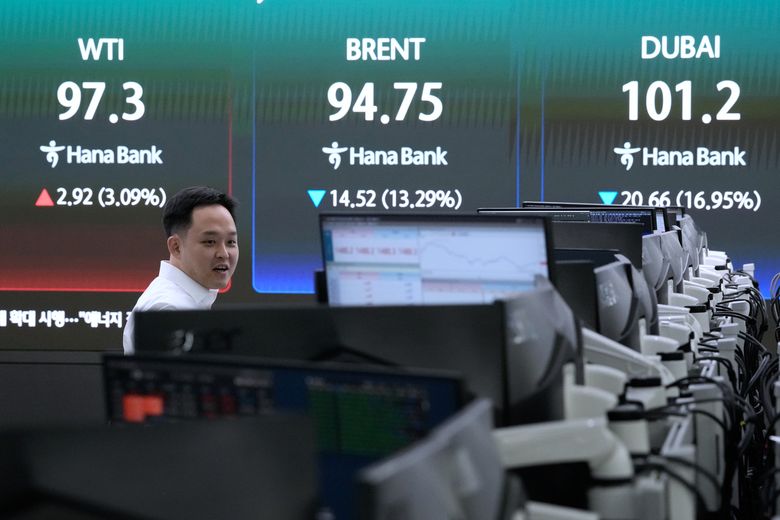
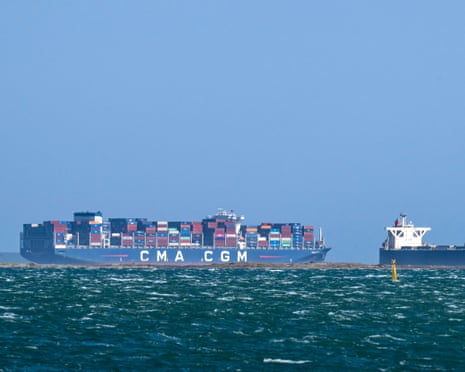
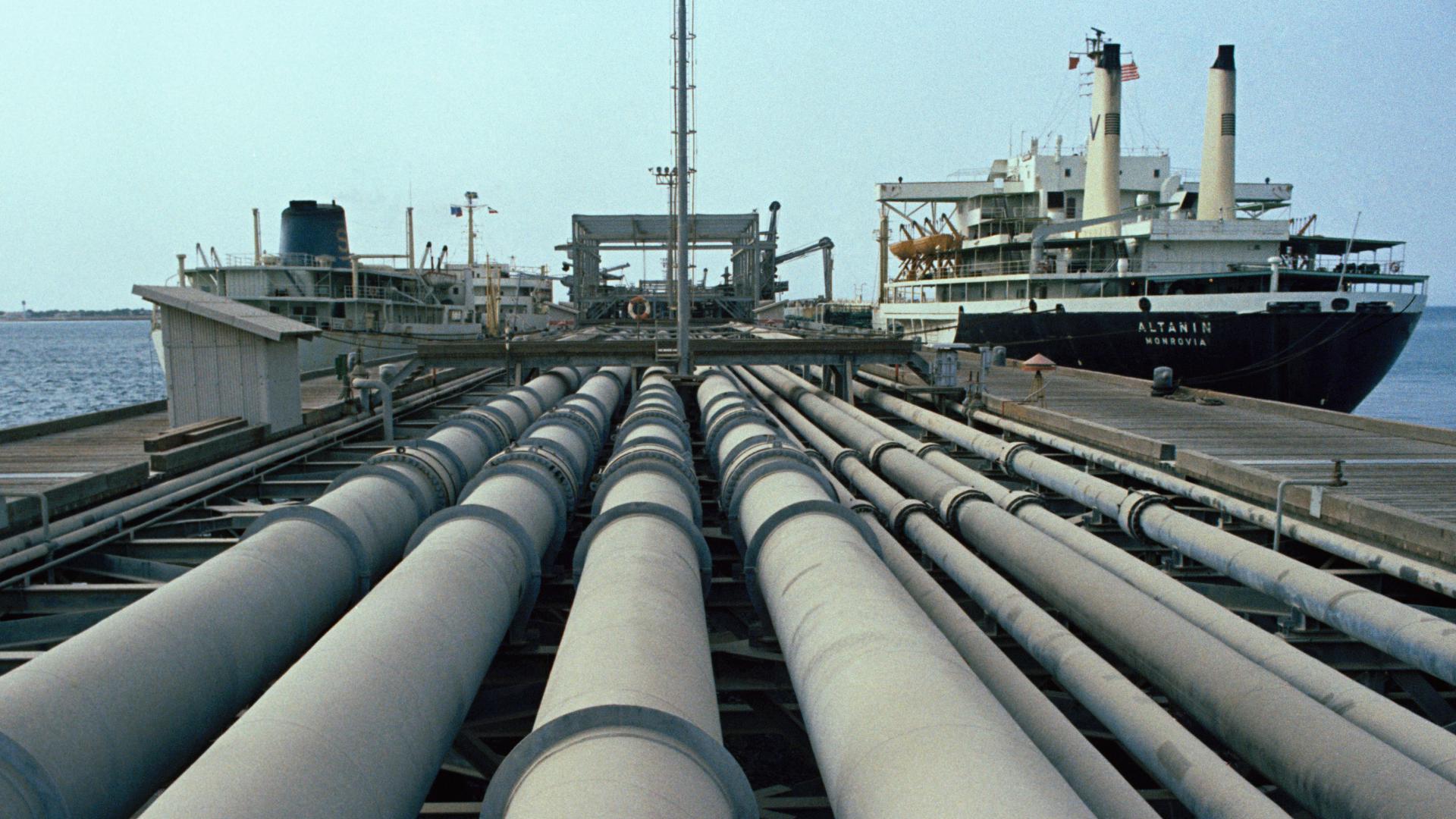
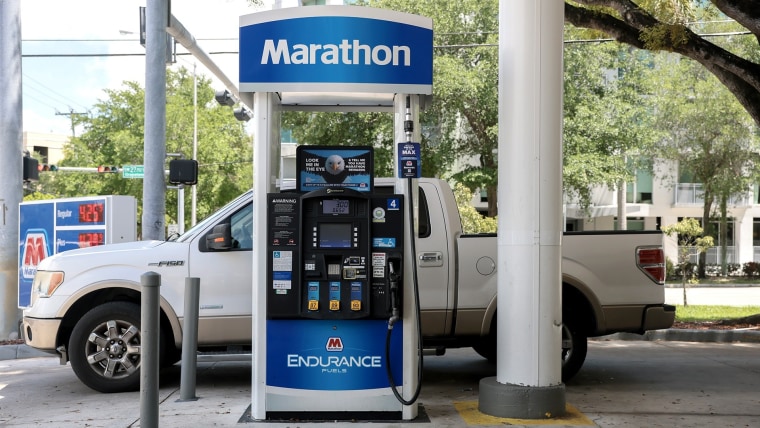
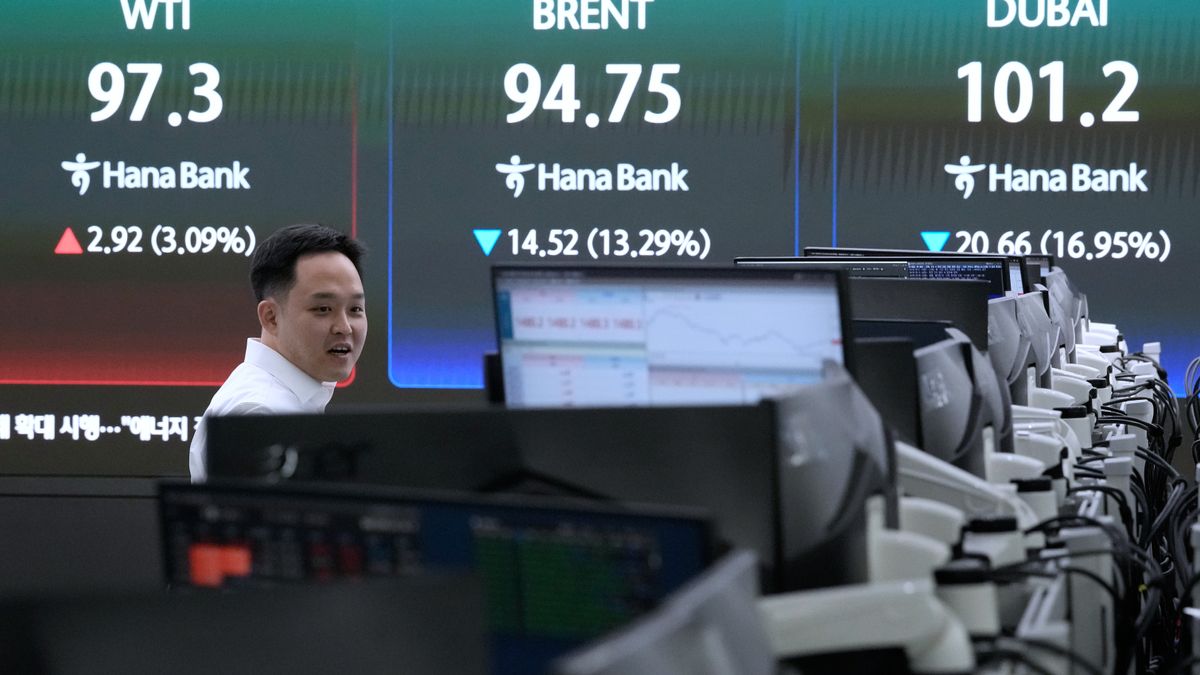
The fragile U.S.-Iran ceasefire is creating unprecedented supply chain uncertainty for cross-border e-commerce sellers. As of April 9, 2024-2026, oil prices remain approximately 40% higher than pre-conflict levels, with U.S. crude futures rising 2.8% to $96.99 per barrel and Brent crude increasing 2.1% to $96.74. Iran's control over the Strait of Hormuz—through which one-fifth of global oil supply flows—creates a critical vulnerability that doesn't require full blockades to trigger sharp market movements, according to deVere Group CEO Nigel Green. This geopolitical instability directly translates to operational cost pressures for Amazon FBA sellers, eBay merchants, and Shopify-based businesses relying on air freight and international logistics networks.
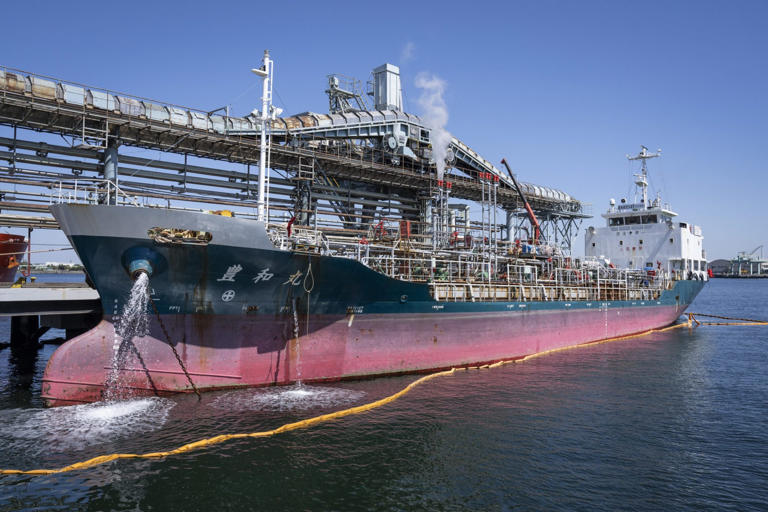
The immediate operational impact is severe and multifaceted. Rising oil prices increase shipping and logistics costs by 8-15% for cross-border sellers, with air freight experiencing the most acute pressure. Delta Airlines' $10 increase in checked baggage fees explicitly cites higher oil prices, signaling broader carrier cost-passing to e-commerce fulfillment operations. For sellers operating on thin margins (5-10% net profit), this represents a margin compression of 0.4-1.5 percentage points. Sellers shipping via 3PL providers face additional surcharges: FedEx and UPS typically pass through fuel surcharges of 2-4% on international shipments, which compound with base rate increases. The Federal Reserve's consideration of rate hikes to combat inflation (core price data showed 0.4% increases for two consecutive months) further pressures sellers' inventory financing costs, as borrowing rates for working capital may increase 0.5-1.0% above current levels.
Currency volatility amplifies the crisis for international sellers. The euro trading at 1.1660 and Japanese yen at 158.60 create significant headwinds for sellers with multi-region operations. A seller sourcing from China and selling to EU customers faces compounded currency risk: if the euro weakens further against the dollar, profit margins on EUR-denominated sales compress by 2-4%. Asian stock market volatility—with Japan's Nikkei declining 9% and South Korea's Kospi falling 13% from recent highs before recovering on Trump's policy signals—reflects investor uncertainty about global economic growth. This volatility directly impacts consumer purchasing power in key markets (Japan, South Korea, Germany, UK), with travel and leisure sectors showing the most sensitivity (Lufthansa and Tui each declined 3.5% on April 9, 2026). For sellers in discretionary categories (electronics, apparel, home goods), reduced consumer confidence translates to lower conversion rates and increased inventory holding costs.
Strategic sourcing and pricing adjustments are now critical. Sellers should immediately evaluate their logistics mix: those relying heavily on air freight (typically 15-25% of total fulfillment costs) face the highest pressure. Ground and sea freight alternatives, while slower, can reduce fuel surcharge exposure by 40-60%. For Amazon FBA sellers, this means reconsidering inventory distribution across fulfillment centers—concentrating stock in regions with lower shipping costs (e.g., West Coast for Asia-Pacific exports) can offset 2-3% of margin compression. Sellers should also monitor the Strait of Hormuz situation closely: any escalation could push crude to $110-120 per barrel, adding another 5-8% to logistics costs. Pricing adjustments should be implemented strategically: increasing prices by 3-5% on high-margin items while maintaining competitive positioning on price-sensitive categories can preserve overall profitability.
Questions 8
Which seller segments face the highest margin compression from rising logistics costs?
Sellers operating on thin margins (5-10% net profit) in low-price categories (under $25 ASP) face the most acute pressure, as shipping represents 15-25% of product cost. Electronics sellers shipping from Asia to North America/Europe are particularly vulnerable, as are apparel and home goods merchants. Amazon FBA sellers face additional pressure from storage fees (which increase during inventory buildup periods), while Shopify and eBay sellers using 3PL providers can negotiate surcharge caps. Sellers with 1,000+ monthly units should prioritize logistics optimization immediately.
How much will shipping costs increase for cross-border sellers due to oil prices?
Shipping costs are rising 8-15% as crude futures spike to $96.99/barrel, 40% above pre-conflict levels. Air freight faces the steepest increases, with fuel surcharges from FedEx and UPS adding 2-4% to international shipment costs. For a seller shipping 1,000 units monthly via air freight at $5 per unit, this represents an additional $400-600 monthly cost. Ground and sea freight alternatives offer 40-60% lower fuel surcharge exposure but require 2-4 week longer transit times, making them suitable for non-time-sensitive inventory.