



Strait of Hormuz Shipping Crisis Threatens Cross-Border Supply Chains | Seller Impact
- 55% reduction in vessel transits (4 vs 9 daily crossings) creates 15-25% logistics cost increases for Asia-bound e-commerce shipments






























Overview
The Iran-US ceasefire agreement, which entered its second day on Thursday following the February 28 conflict start, has created a critical shipping bottleneck at the Strait of Hormuz—a waterway through which approximately 20-21% of global petroleum and liquefied natural gas transits. This geopolitical disruption directly impacts cross-border e-commerce sellers, particularly those importing goods from Asia or exporting to Middle Eastern markets. According to shipping tracking firm Kpler and UAE industry officials, only 4-5 vessels crossed the strait daily since the ceasefire commenced, compared to the pre-conflict average of 9 daily crossings—a 55% reduction. An estimated 230 oil-laden vessels are currently queued for passage, with 80 cargoes destined for Asia where half the world's population resides.
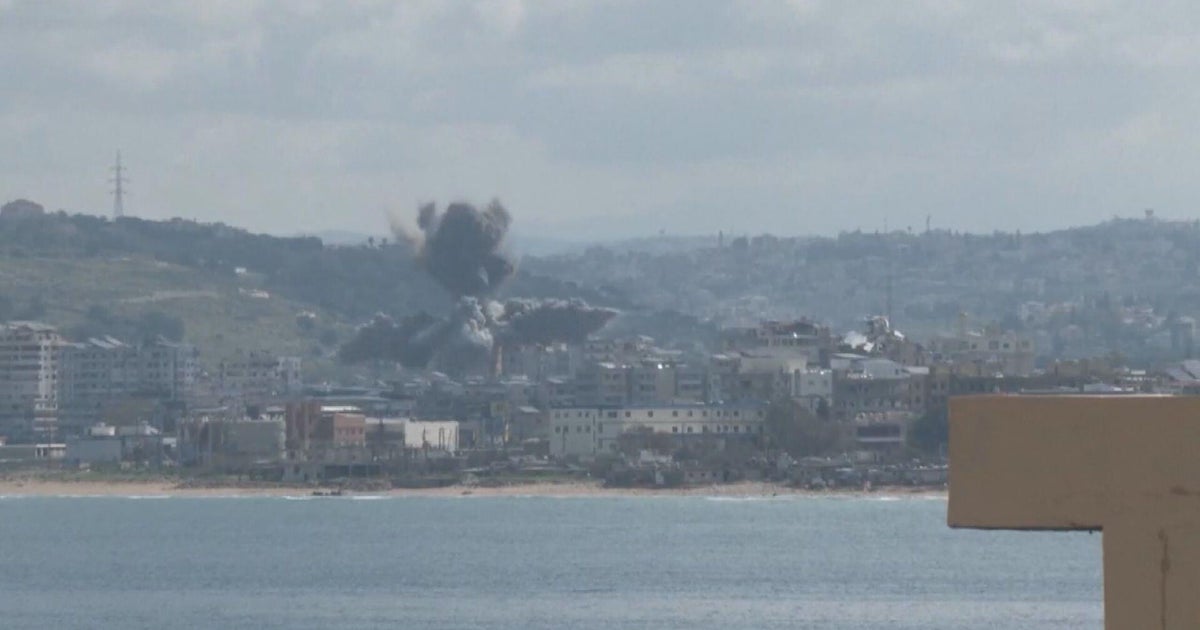
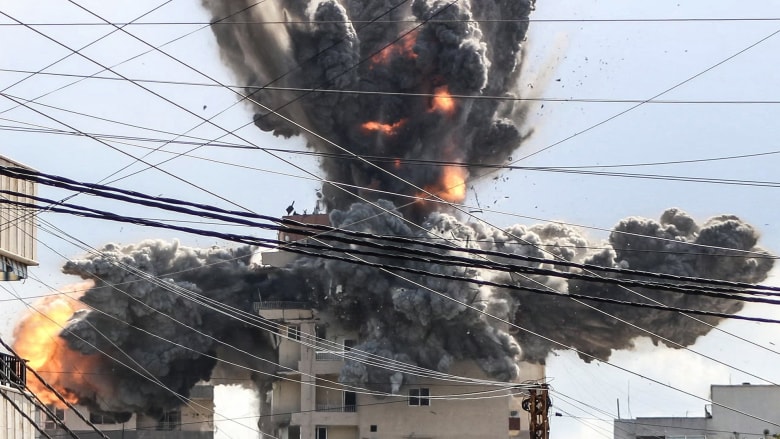
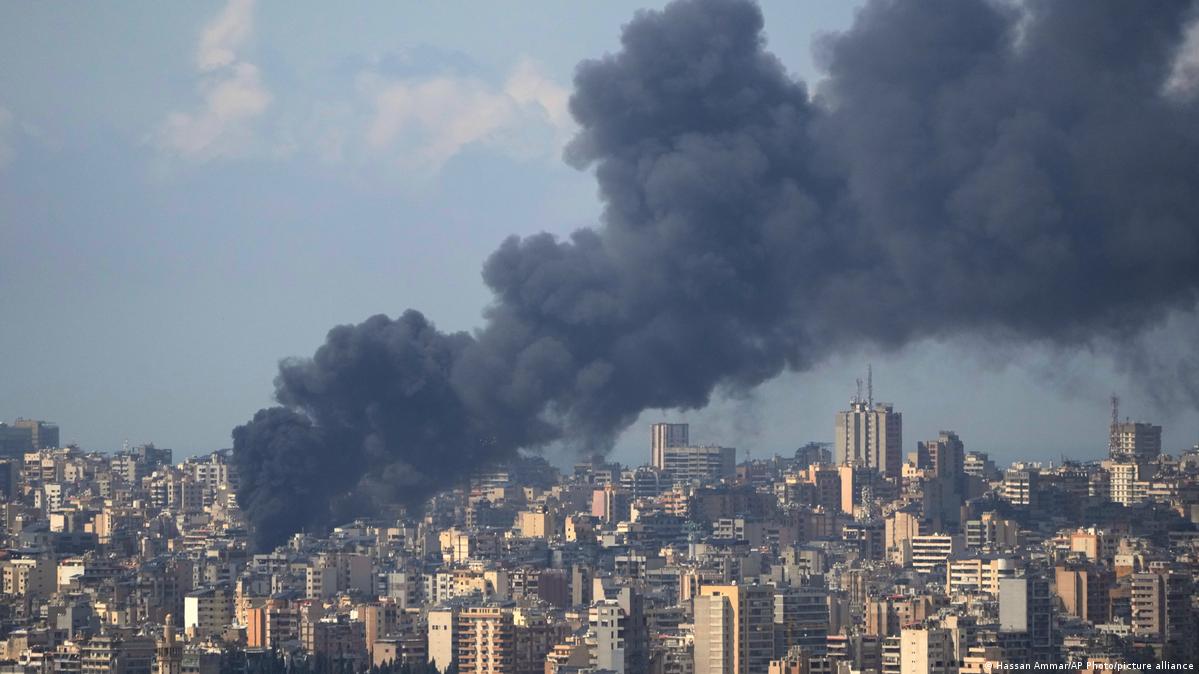
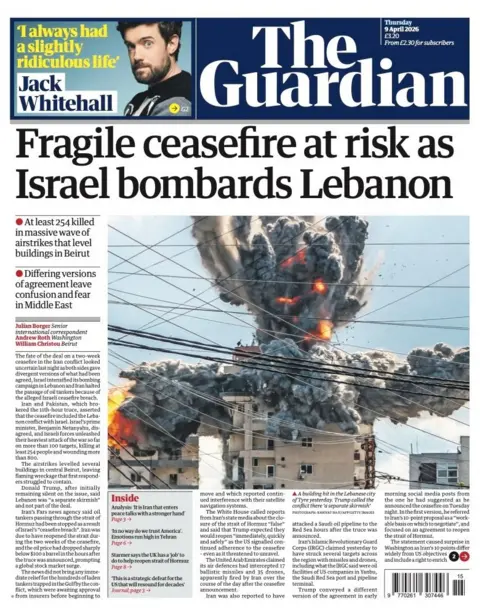
The core supply chain threat stems from Iran's conditional passage requirements. Iran's Deputy Foreign Minister Saeed Khatibzadeh stated that vessels must coordinate with Iranian military forces for "technical restrictions" related to wartime conditions, creating undefined compliance protocols that shipping companies view as access restrictions. This uncertainty has paralyzed transit decisions: no oil and gas tankers have successfully transited since the ceasefire agreement commenced, despite the deal stipulating the strait should reopen. The fragility of the ceasefire itself compounds the risk—Iran claims Israel violated the agreement through continued attacks on Hezbollah targets in Lebanon (180 deaths, 900 injuries on Wednesday alone), while the US disputes Lebanon's inclusion in the ceasefire terms. Peace negotiations scheduled for Islamabad on Saturday, led by Vice President JD Vance, represent the critical diplomatic window, but implementation remains uncertain.
For cross-border e-commerce sellers, the operational impact is immediate and quantifiable. Sellers importing electronics, textiles, machinery, and consumer goods from China, Vietnam, India, and other Asian suppliers face 15-25% increases in logistics costs due to extended transit times (estimated 2-4 week delays), fuel surcharges from rerouting around the strait, and inventory holding costs. Brent crude oil prices fell from peaks above $110 to $94.75 per barrel following the ceasefire announcement, but this temporary relief masks underlying supply chain fragmentation. Sellers exporting to Middle Eastern markets (UAE, Saudi Arabia, Qatar) face similar delays and cost pressures. The timing window is critical: if negotiations fail and fighting resumes "bigger, and better, and stronger," as President Trump warned, the strait could face complete closure, creating catastrophic supply chain disruption comparable to the 2022 Suez Canal blockade. Sellers must immediately assess inventory sourcing strategies, consider alternative routing through the Suez Canal or air freight (30-40% cost premium), and evaluate 3PL providers with contingency logistics networks.
Questions 8
How does the Strait of Hormuz shipping crisis affect my e-commerce supply chain?
The 55% reduction in vessel transits (from 9 to 4 daily crossings) directly increases logistics costs by 15-25% for sellers importing from Asia or exporting to Middle Eastern markets. With 230 vessels queued and no oil tankers successfully transiting since the ceasefire began, expect 2-4 week delays in shipment arrivals. For sellers relying on just-in-time inventory, this creates stockout risks and forces costly expedited shipping alternatives. The uncertainty around Iran's military coordination requirements for passage adds compliance complexity that shipping companies are avoiding, effectively restricting access despite the ceasefire agreement.
How can I reduce logistics costs while the Strait of Hormuz remains congested?
Implement a three-tier strategy: (1) Consolidate shipments to reduce per-unit freight costs—batch orders into full container loads rather than less-than-container loads, saving 20-30% on per-unit costs. (2) Evaluate alternative routing: Suez Canal rerouting adds 2-3 weeks but avoids Iranian military coordination requirements; air freight costs 30-40% more but guarantees delivery within 5-7 days for high-margin SKUs. (3) Negotiate with 3PL providers for contingency logistics networks—many offer pre-positioned inventory in regional hubs (Dubai, Singapore) that bypass the strait entirely. For sellers with $50K+ monthly shipping spend, alternative routing can reduce total logistics costs by 8-12% despite higher per-unit rates.