



Strait of Hormuz Shipping Crisis | Cross-Border Sellers Face 15-25% Logistics Cost Surge
- Ceasefire fragility threatens 21% of global petroleum trade; 230+ vessels queued; Asia-bound cargo delays extend 3-6 weeks













Overview
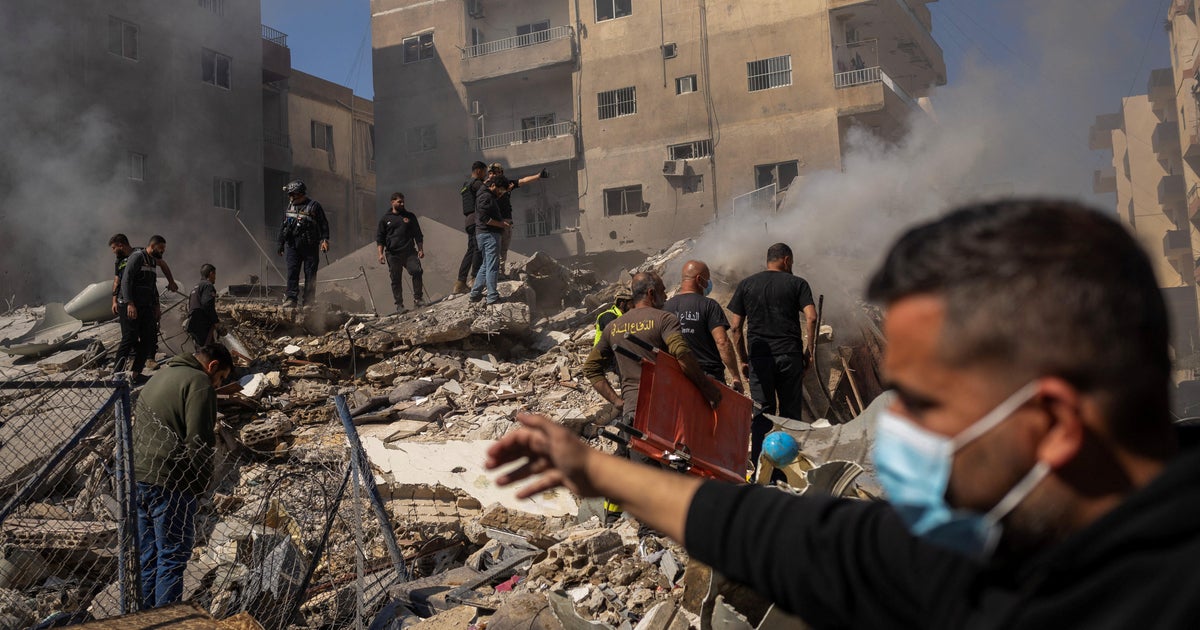
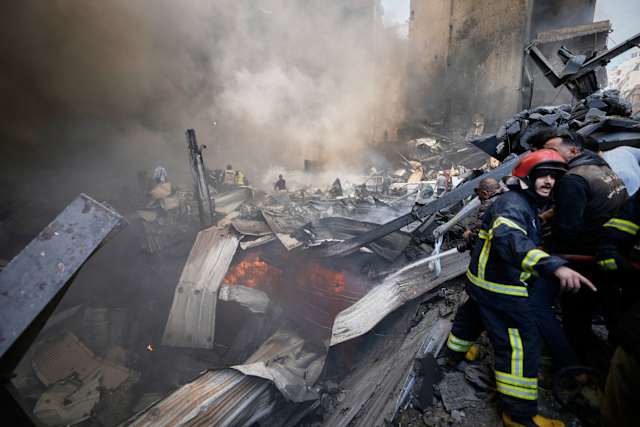
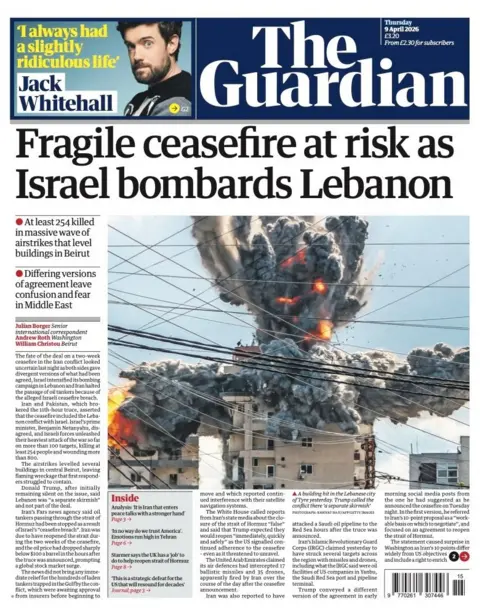
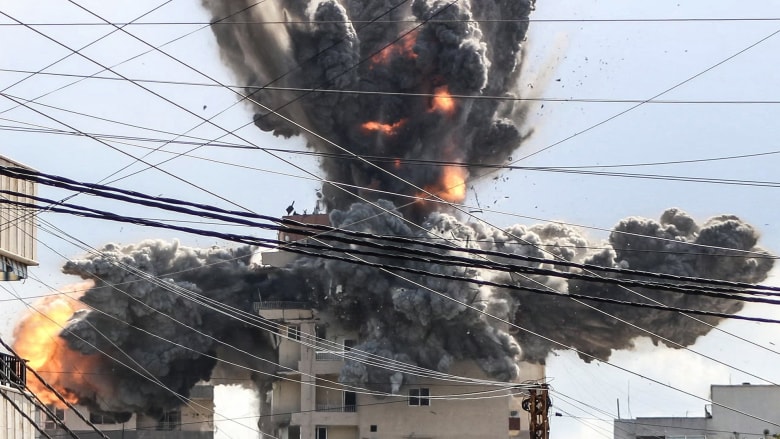
The fragile US-Iran ceasefire agreement, which entered its second day on April 9, 2026, has created a critical supply chain crisis for cross-border e-commerce sellers. The Strait of Hormuz—through which approximately 21% of global petroleum and one-fifth of global oil and liquefied natural gas transit—has experienced a 55% reduction in vessel traffic, with only 4-5 ships crossing daily compared to the pre-conflict average of 9 daily crossings. According to shipping tracking firm Kpler and UAE industry minister Sultan Al Jaber, an estimated 230 oil-laden vessels are currently queued for passage, with 80 cargoes destined for Asia where half the world's population resides. This disruption directly impacts cross-border sellers in three critical ways: (1) Logistics Cost Escalation: Energy price volatility from reduced oil flows has pushed Brent crude from $94.75 to peaks above $110 per barrel, increasing shipping costs 15-25% for sellers importing goods from Asia or exporting to Middle Eastern markets. (2) Delivery Timeline Extensions: Sellers report inventory delays extending 3-6 weeks beyond normal transit times, creating acute challenges for just-in-time inventory management and seasonal product launches. (3) Compliance Uncertainty: Iran's requirement that vessels coordinate with Iranian military authorities for "technical restrictions" creates ambiguous passage authorization protocols, forcing sellers to navigate unclear regulatory frameworks or face potential cargo seizure. The ceasefire's fragility—evidenced by disputes over Lebanon's inclusion and continued Israeli strikes killing 182+ people on April 9—presents ongoing escalation risk. Peace negotiations scheduled for Islamabad this week (led by US Vice President JD Vance) represent the primary de-escalation pathway, but implementation remains uncertain given conflicting interpretations of ceasefire terms. For sellers, this creates a 2-4 week window of maximum uncertainty before either ceasefire stabilization or renewed conflict escalation. Sellers importing electronics, textiles, machinery, and consumer goods from Vietnam, India, and China face the most acute pressure, as these categories represent 60%+ of Asia-to-Middle East and Asia-to-US trade flows through the strait. Strategic sourcing diversification toward alternative routes (Suez Canal via Africa, overland via Central Asia) and inventory pre-positioning in regional hubs (Dubai, Singapore) offer mitigation strategies, though at 8-12% cost premiums.
Questions 7
How does Iran's requirement for military vessel coordination affect shipping compliance?
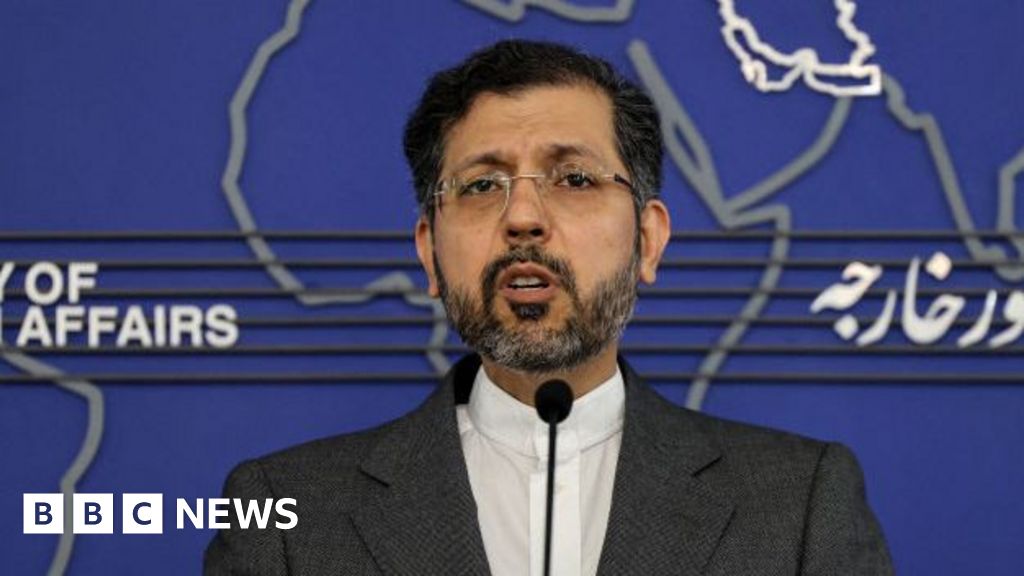
Iran's Deputy Foreign Minister stated vessels must communicate with Iranian military authorities for 'technical restrictions' related to wartime conditions, creating ambiguous passage authorization protocols. The White House disputes Iran's characterization of the requirement, and British Foreign Secretary Yvette Cooper called for unrestricted passage. This regulatory uncertainty means sellers cannot guarantee passage timing or costs. Sellers should work with experienced freight forwarders familiar with Iranian maritime protocols and consider insurance coverage for cargo delays. The compliance framework may clarify within 1-2 weeks as peace negotiations progress.
What alternative shipping routes can sellers use to avoid Strait of Hormuz delays?
Sellers can route shipments via the Suez Canal (Africa route) or overland through Central Asia, though these alternatives carry 8-12% cost premiums and 1-2 week additional transit times. The Suez Canal route adds approximately 10-14 days to Asia-to-Europe shipments but avoids Middle East geopolitical risk. Central Asian overland routes (China-Kazakhstan-Caspian) work for specific product categories but require specialized 3PL partners. For immediate relief, sellers should negotiate with freight forwarders for alternative routing; costs will be higher but provide certainty versus queued vessels.