


Tremors and Resilience Japan's Geological Vulnerability Exposed
- Seismic Events Highlight Critical Infrastructure and Emergency Preparedness Challenges


Overview
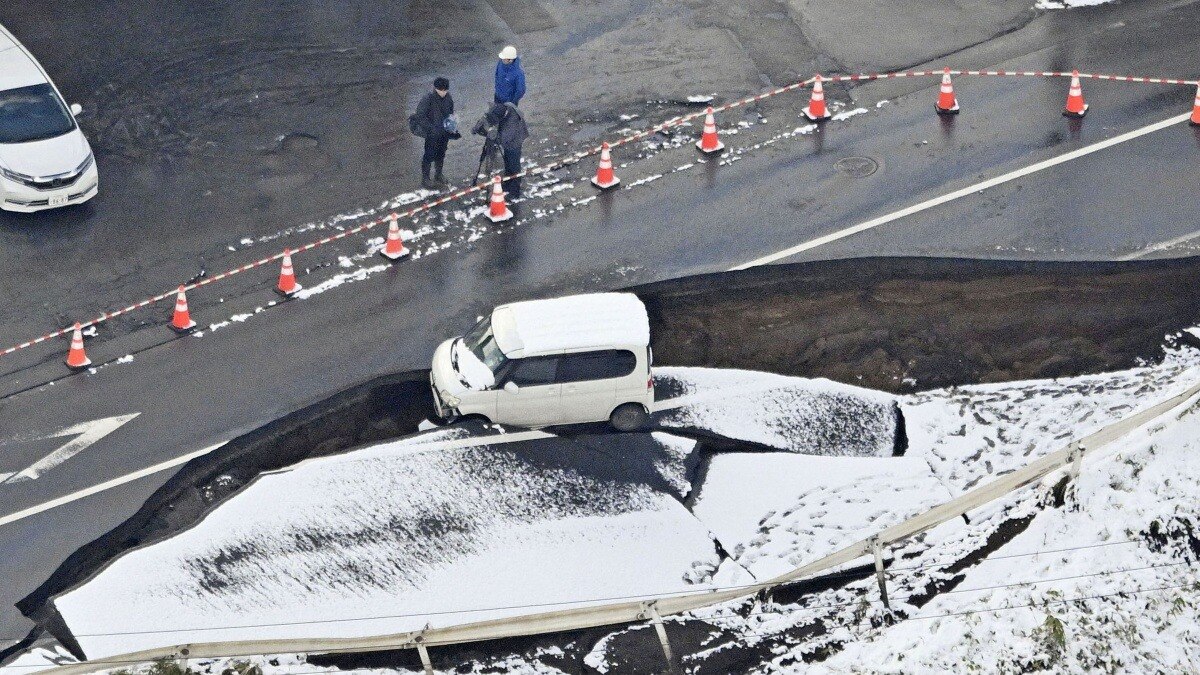
The recent seismic events in Japan underscore a critical narrative of geological vulnerability and sophisticated emergency response mechanisms. Within 24 hours, two significant earthquakes—a powerful 7.6 magnitude tremor and a subsequent 5.7 magnitude event—revealed the complex geological dynamics of Japan's tectonic landscape.
Immediate Impact and Response Dynamics: The 7.6 magnitude earthquake near Aomori Prefecture demonstrated Japan's remarkable preparedness. Despite the earthquake's intensity—strong enough to collapse furniture and make standing impossible—the nation's rapid warning systems and emergency protocols minimized potential casualties. Only thirty-four people sustained mild injuries, with no fatalities reported. The swift tsunami warnings for Aomori, Iwate, and Hokkaido Prefectures, coupled with the government's proactive monitoring, exemplify a world-class disaster management strategy.
Logistics and Infrastructure Resilience: From a supply chain perspective, these seismic events highlight the critical importance of robust infrastructure resilience. The small water leak at a nuclear fuel processing plant, quickly assessed and deemed non-threatening by the Nuclear Regulation Authority, showcases Japan's advanced risk mitigation protocols. For international logistics operators, this underscores the need for adaptive contingency planning in geologically active regions.
Strategic Implications: The back-to-back earthquakes, with the second event measuring 5.7 magnitude, signal an ongoing geological volatility that demands continuous preparedness. Japanese officials' warnings about potential future earthquakes emphasize the need for dynamic risk assessment and flexible logistics strategies. Businesses operating in or through Japan must integrate seismic risk into their supply chain design, considering redundant routing, flexible warehousing, and rapid response mechanisms.
The events reveal not just geological vulnerability, but a national system of resilience—where advanced warning systems, rapid response protocols, and infrastructure design converge to minimize potential disruptions. For global logistics and supply chain professionals, Japan's approach offers a masterclass in proactive risk management and systemic adaptability.
Questions 3
How do these earthquakes impact international logistics operations in Japan?
The seismic events underscore the need for adaptive logistics strategies. Companies must design supply chains with redundant routing, flexible warehousing, and rapid response mechanisms. The minimal infrastructure damage demonstrates Japan's resilience, but logistics operators should maintain contingency plans that account for potential disruptions.
What makes Japan's earthquake response system unique?
Japan's response system is characterized by advanced early warning technologies, comprehensive emergency protocols, and a culture of preparedness. The recent earthquakes showed swift tsunami warnings, minimal casualties, and rapid government coordination, reflecting a sophisticated national disaster management approach.