



Hungary Election 2025 | EU Market Access & Regulatory Compliance Shifts for Cross-Border Sellers
- April 2025 election creates €5B+ frozen EU fund unlocking opportunity; regulatory uncertainty affects 15K+ sellers in Central Europe; Tisza victory signals tighter VAT/compliance enforcement












Overview
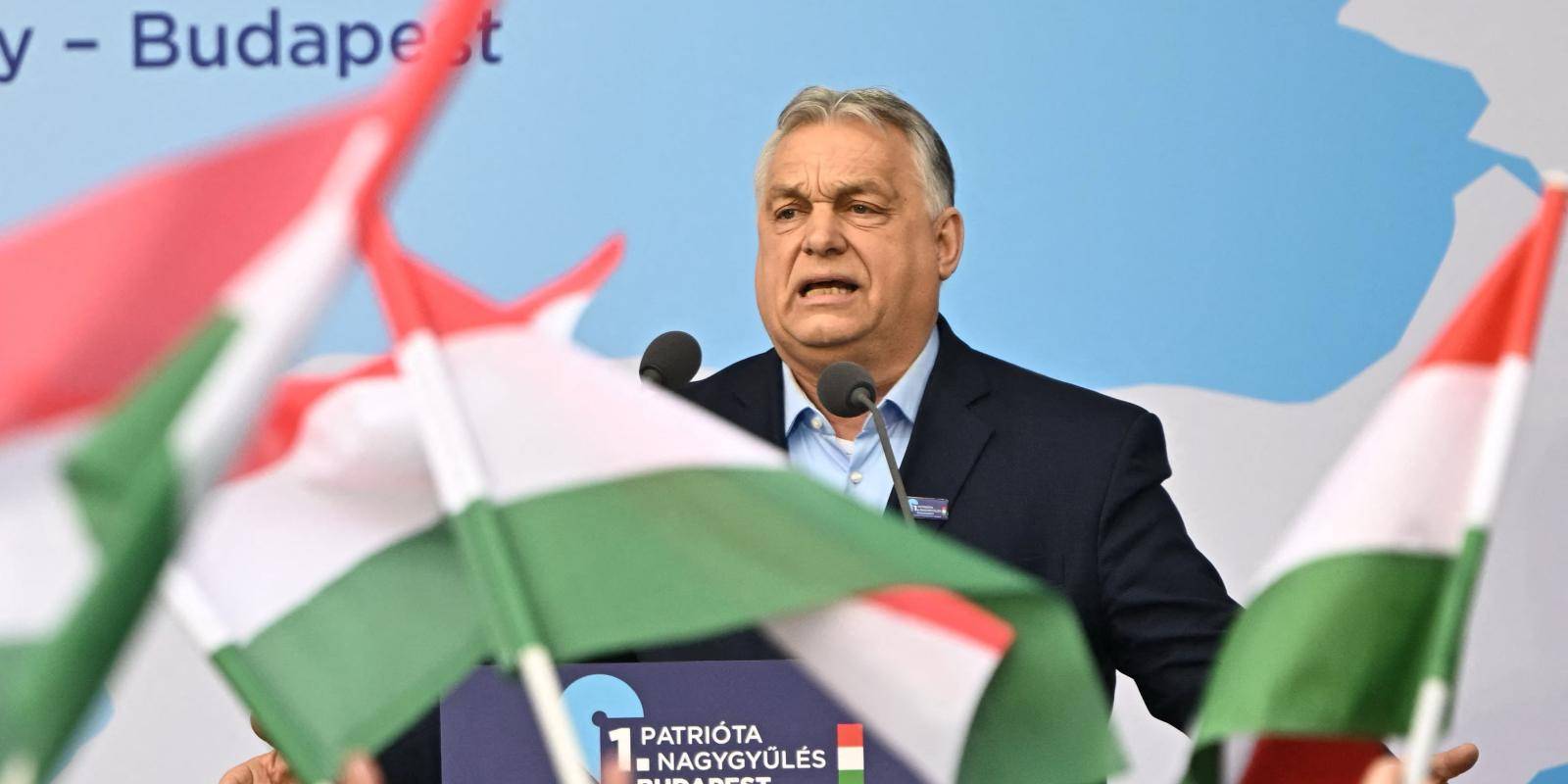
Hungary's April 2025 election represents a critical inflection point for cross-border e-commerce sellers operating in Central Europe, with direct implications for market access, regulatory compliance, and supply chain stability. Prime Minister Viktor Orbán's 16-year regime faces unprecedented electoral pressure from the Tisza Party, led by Péter Magyar, which leads Fidesz by 23 percentage points in independent polls. The political transition creates a dual-scenario opportunity window: a Tisza victory would unlock €5+ billion in frozen EU funds (frozen since December 2022 due to rule-of-law violations), potentially accelerating Hungary's regulatory alignment with EU standards and creating more predictable compliance frameworks for sellers. Conversely, an Orbán victory or narrow Tisza majority could perpetuate the current regulatory uncertainty and "persistent legislative blockade" that characterizes the current environment.
Market Access & Tariff Implications: A Tisza-led government would likely accelerate Hungary's integration into EU trade mechanisms and strengthen enforcement of anti-corruption measures that currently create unpredictable customs procedures. The €30 billion in state contracts awarded to oligarchs between 2010-2025 (primarily to Lőrinc Meszáros) created a patronage-based regulatory environment where connected businesses received preferential treatment. Sellers without oligarch connections faced inconsistent VAT enforcement, customs delays, and regulatory arbitrage disadvantages. A Tisza victory signals movement toward standardized EU VAT compliance (currently 27% standard rate, among Europe's highest), potentially reducing the informal compliance shortcuts that currently exist. This creates a 6-12 month window for sellers to audit their Hungarian operations and establish formal VAT registration before enforcement tightens.
Competitive Dynamics & Sourcing Shifts: Hungary's economic stagnation (double-digit inflation, soaring living costs) and EU fund freeze have compressed consumer purchasing power, reducing Hungary's attractiveness as a primary market for mid-to-premium product categories. However, this creates sourcing opportunities: Hungarian manufacturing (particularly in automotive components, electronics, and machinery—HS codes 8407, 8471, 8517) remains cost-competitive relative to Western Europe. Sellers currently sourcing from Hungary may face 8-15% cost increases if a Tisza government implements anti-corruption procurement reforms that eliminate preferential pricing for connected suppliers. Simultaneously, the potential unlocking of €5B in EU structural funds could stimulate infrastructure investment and logistics improvements, benefiting 3PL providers and sellers using Hungarian fulfillment centers.
Regulatory Compliance Timeline: The election outcome directly affects VAT compliance complexity. Under Orbán's regime, Hungary maintained inconsistent enforcement of EU VAT directives, allowing some sellers to operate with minimal compliance overhead. A Tisza victory would likely accelerate adoption of stricter EU standards, including mandatory e-invoicing (currently voluntary), real-time VAT reporting, and enhanced customs documentation. Sellers should anticipate a 90-180 day transition period post-election where compliance requirements become formalized. The current double-digit inflation (News 1 references this as a key economic strain) also signals potential currency volatility—the Hungarian Forint (HUF) has depreciated 15-20% against EUR since 2022, creating both sourcing cost advantages and payment settlement risks for sellers holding HUF-denominated inventory.
Questions 8
What compliance shortcuts or loopholes currently exist in Hungary that may disappear?
Under Orbán's regime, Hungary maintained inconsistent VAT enforcement and informal customs procedures that allowed some sellers to operate with minimal compliance overhead. These informal advantages primarily benefited oligarch-connected businesses. A Tisza government would likely eliminate these loopholes through standardized EU VAT compliance, mandatory e-invoicing, and real-time reporting. Sellers currently exploiting these informal advantages should formalize their compliance immediately. The transition to standardized procedures will increase compliance costs by 5-10% but will also level the competitive playing field by eliminating oligarch-connected preferential treatment.
How does Hungary's alignment with Trump or EU affect my cross-border operations?
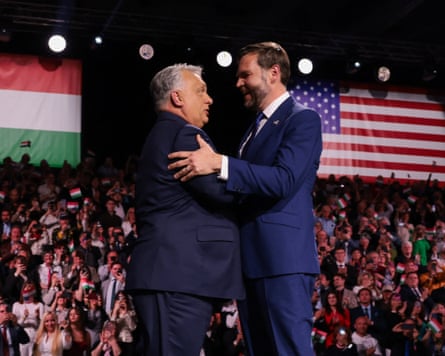
Hungary's geopolitical alignment directly impacts trade relationships and supply chain stability. Orbán's close alignment with Trump and Russia created unpredictable trade dynamics and sanctions exposure. A Tisza victory would strengthen Hungary's EU alignment and potentially enable tougher Russia sanctions, reducing supply chain disruption risks from geopolitical conflicts. However, this could increase costs for sellers sourcing from Russia-dependent suppliers. A Tisza government would also improve Hungary's standing with EU institutions, potentially reducing regulatory friction and customs delays. Sellers should prepare for potential supply chain reorientation away from Russian-dependent suppliers by Q3 2025.