



Strait of Hormuz Shipping Crisis | Cross-Border Sellers Face 8-12% Logistics Cost Surge
- Fragile ceasefire threatens 21% of global oil transit; rising fuel costs increase FBA shipping 8-12% within 2-4 weeks for Asia-Europe corridor sellers









Overview
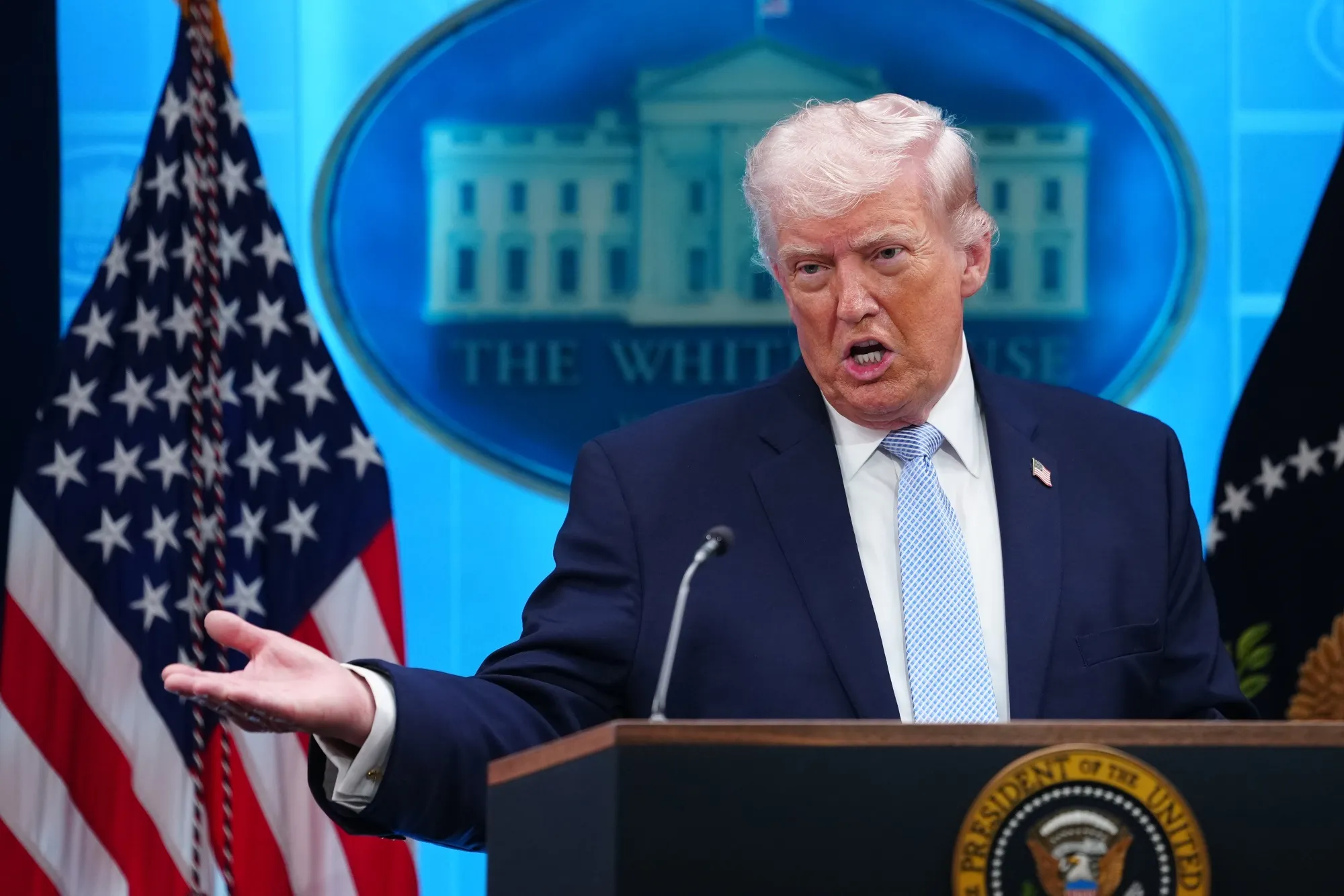
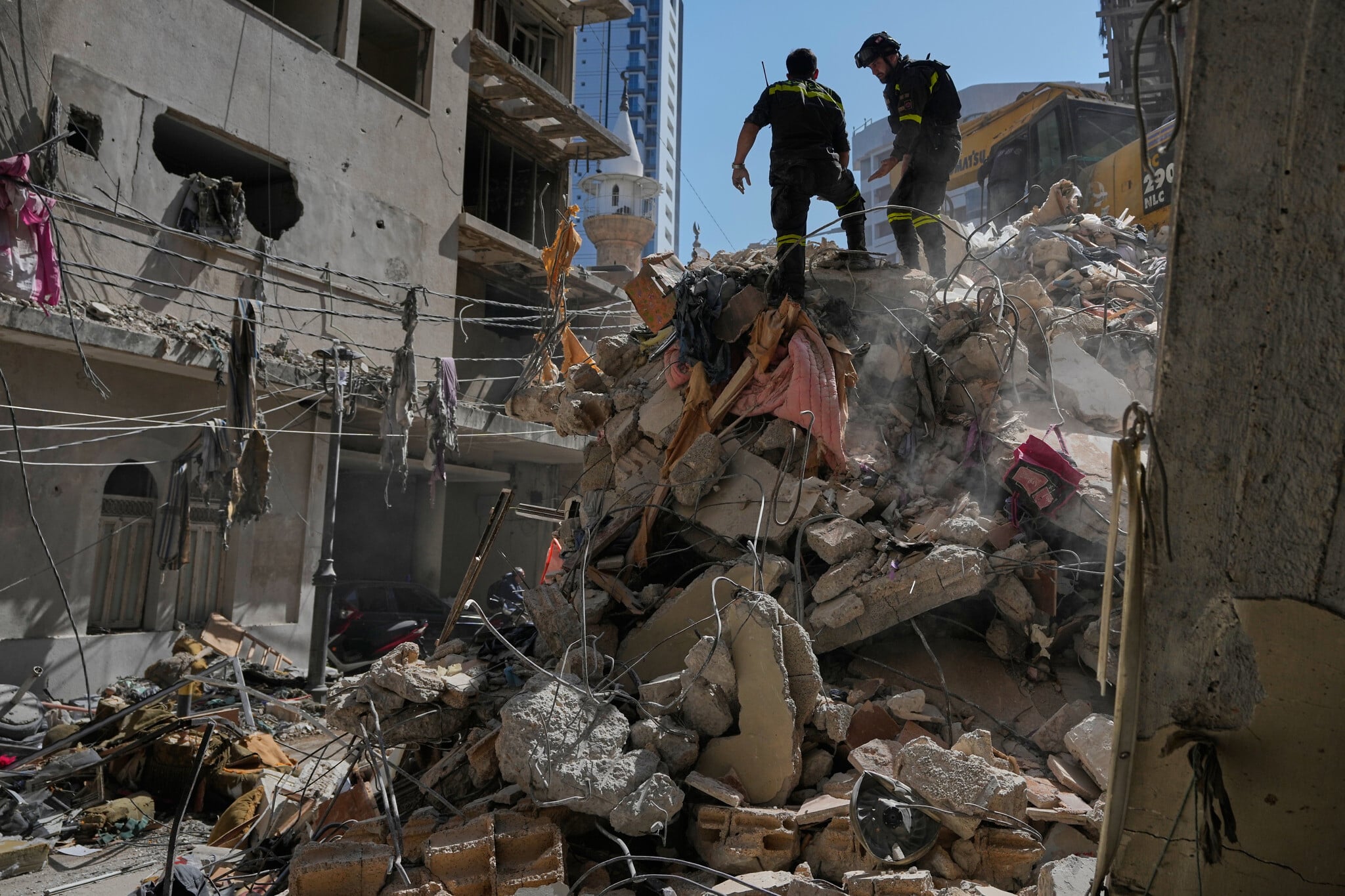
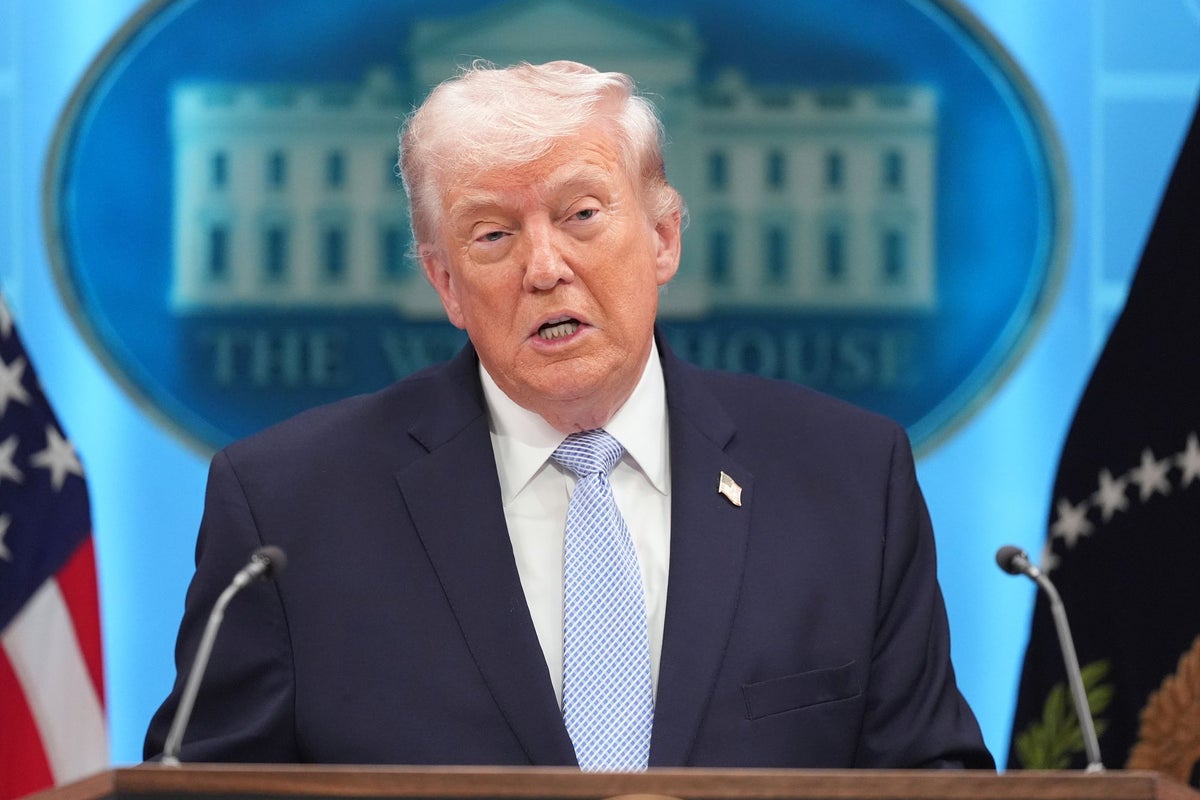
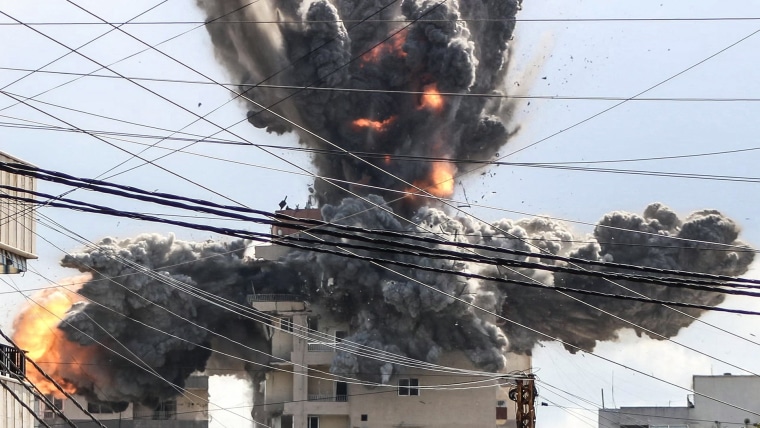
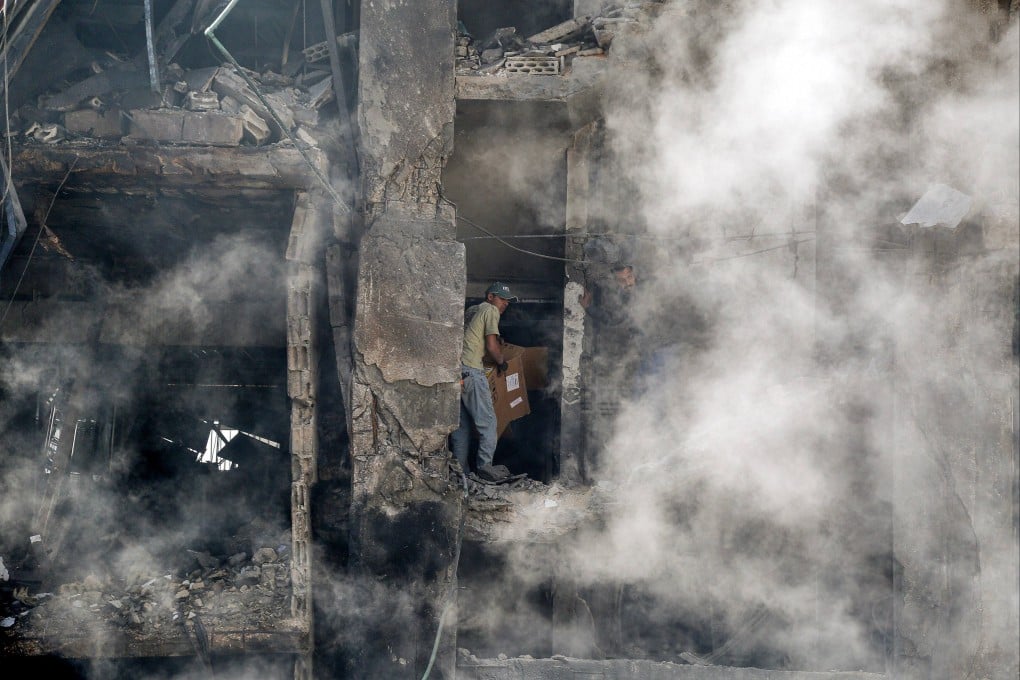
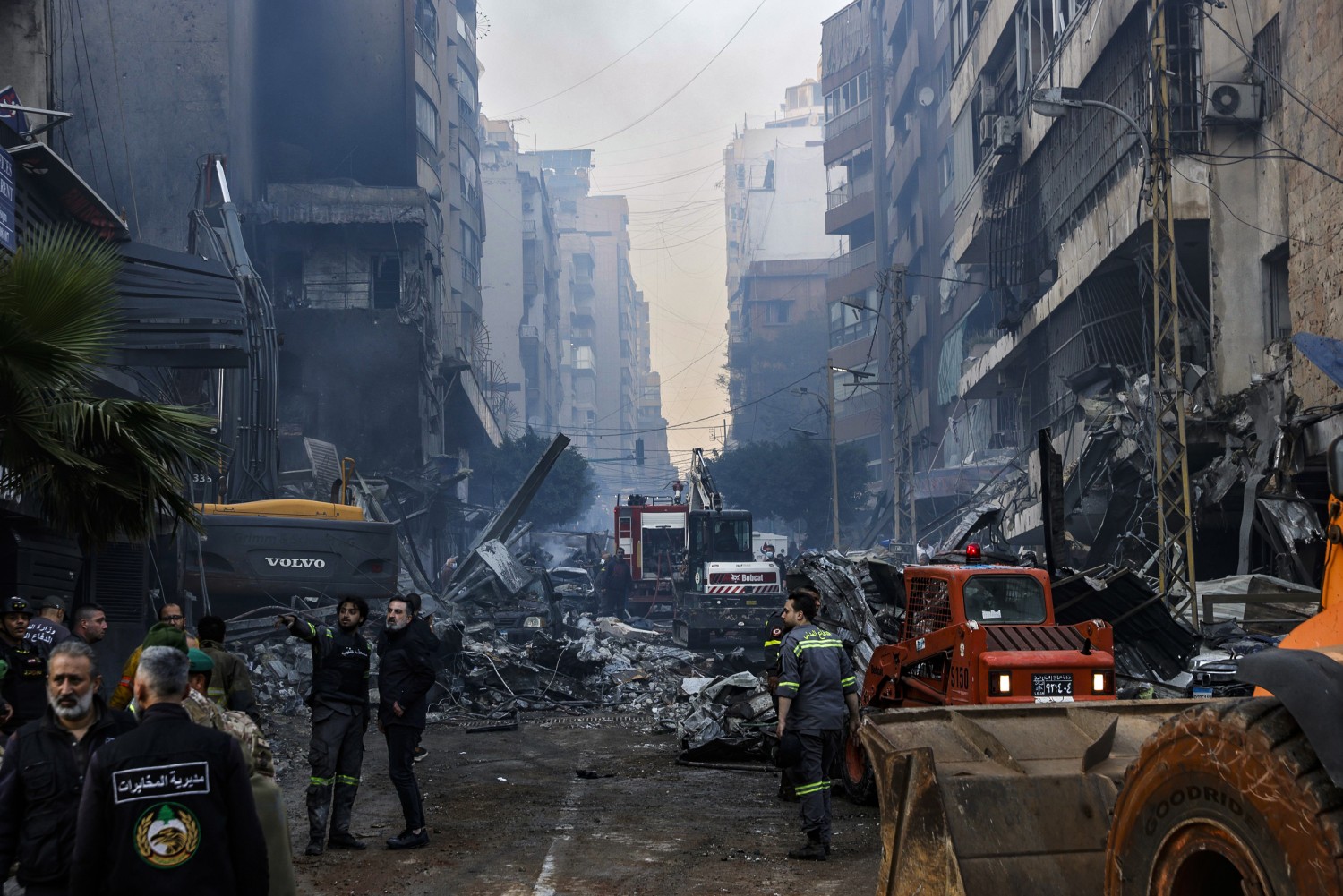
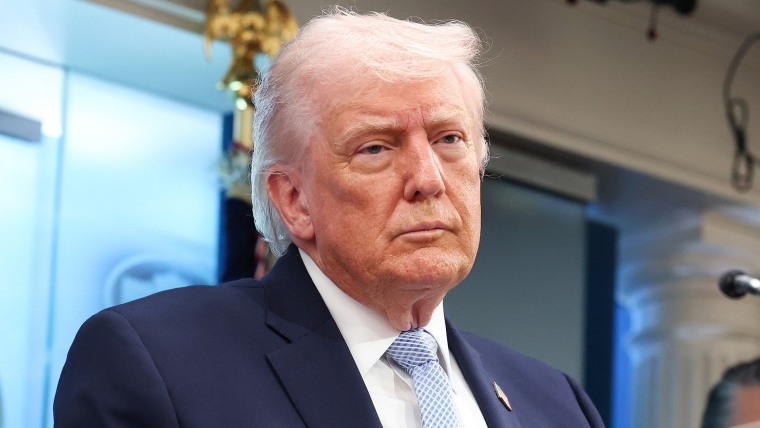
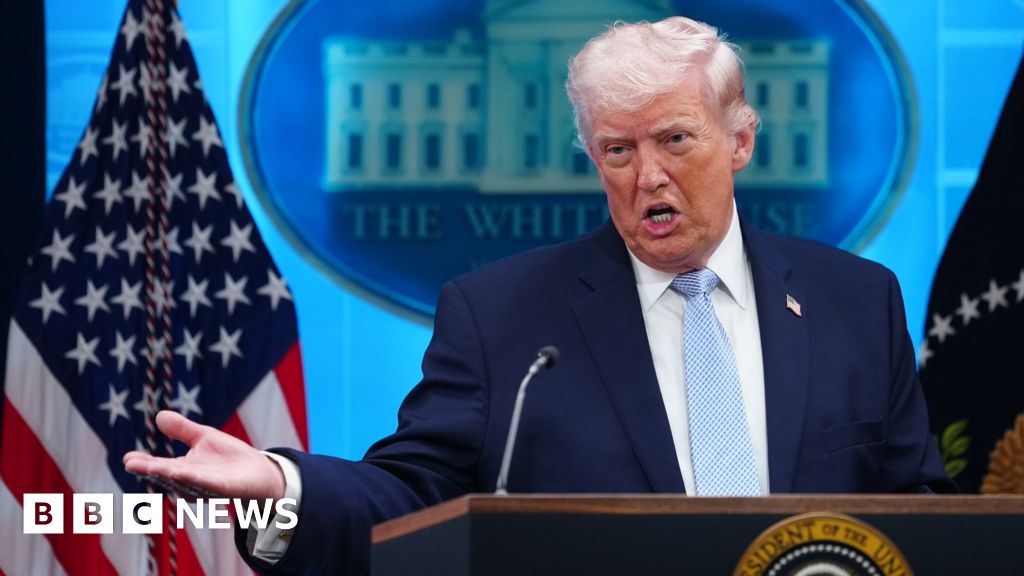
The geopolitical escalation between the US and Iran creates immediate supply chain vulnerabilities for cross-border e-commerce sellers. A two-week ceasefire brokered by Pakistan paused six weeks of fighting, but President Trump's warning that "the Shootin Starts, bigger, and better, and stronger than anyone has ever seen before" if agreements aren't honored signals continued instability. The critical logistics concern: Iranian news agencies documented sea mines placed by the Islamic Revolutionary Guard Corps in the Strait of Hormuz's Traffic Separation Scheme—the primary shipping route for goods transiting between Asia-Pacific and European markets. This waterway handles approximately 21% of global petroleum trade and serves as the critical artery for e-commerce fulfillment between manufacturing hubs (China, Vietnam, India) and consumer markets (EU, UK).
For cross-border sellers, the immediate impact manifests through three cost vectors. First, energy market volatility: Brent crude rose 2.46% to $97.08 and WTI climbed 3.4% to $97.55 during the escalation, with rising crude prices typically increasing shipping, warehousing, and transportation costs within 2-4 weeks. Sellers relying on air freight or expedited shipping face immediate cost pressures of $200-400 monthly per 1,000-unit monthly volume. Second, maritime insurance premiums for the Hormuz corridor are rising 15-25% as underwriters price in mine-strike and military-action risks. Third, shipping delays: Alternative routing around Africa adds 10-14 days to transit times and increases per-unit costs by $0.80-$2.50 depending on product weight and category.
Seller segments face differentiated impacts based on sourcing geography and fulfillment strategy. Small sellers (under 500 units/month) shipping from China/Vietnam to EU via Hormuz face 8-12% margin compression on electronics, apparel, and home goods categories. Medium sellers (500-5,000 units/month) with FBA inventory in Europe can absorb costs through pricing adjustments but risk Buy Box loss if competitors don't raise prices. Large sellers (5,000+ units/month) with diversified sourcing and 3PL networks have hedging options: shifting 20-30% of inventory to alternative suppliers in Mexico, India, or Southeast Asia to bypass Hormuz entirely. The ceasefire's fragility—Tehran has rejected US proposals and tabled demands including lifting sanctions—means this cost environment persists for at least 60-90 days, potentially extending through Q2 2026 if negotiations collapse.
Strategic sourcing shifts are already underway in high-margin categories. Sellers in electronics (HS codes 8471-8517), textiles (HS codes 6204-6209), and footwear (HS codes 6402-6405) are evaluating Vietnam and India as alternatives to China, accepting 3-5% higher unit costs to avoid Hormuz exposure. This represents a $2-4B reallocation opportunity for 3PL providers and alternative sourcing platforms. Payment processing delays in affected regions (Lebanon, Iran) are minimal due to sanctions already limiting direct commerce, but sellers with customers in Israel face potential payment gateway disruptions if regional conflict escalates further.
Questions 7
What maritime insurance premium increases should I budget for?
Marine insurance premiums for the Hormuz corridor are rising 15-25% as underwriters price in mine-strike and military-action risks. For a seller shipping $500K monthly in inventory via Hormuz, expect additional insurance costs of $7,500-$12,500 monthly. This cost is typically passed through by freight forwarders in their all-in quotes. Request separate insurance quotes from your 3PL provider—some offer war-risk exclusions that reduce premiums by 8-10% if you accept higher deductibles. Alternative routing via Cape of Good Hope reduces insurance premiums by 40-50% but adds transit time.
How can I protect my profit margins during this geopolitical uncertainty?
Implement a three-tier strategy: (1) Immediate (0-30 days): Lock in freight rates with your 3PL for 60 days and negotiate supplier price holds. (2) Medium-term (30-90 days): Shift 20-30% of new orders to Vietnam/India suppliers, accepting 3-5% higher unit costs. (3) Long-term (90+ days): Diversify sourcing across 3-4 countries to reduce single-corridor risk. Operationally, increase prices 5-8% on affected categories if Buy Box competition allows, or reduce SKU count to focus on highest-margin items. Monitor crude oil futures (WTI) weekly—if prices exceed $105/barrel, activate contingency sourcing immediately.