



Middle East Ceasefire Uncertainty Drives Energy Costs Up 2-3% | Seller Logistics Impact April 2026
- Brent crude rises to $96.77/barrel amid Strait of Hormuz shipping risks; FBA and 3PL costs increase 8-15% for sellers routing through Middle East corridors





























Overview
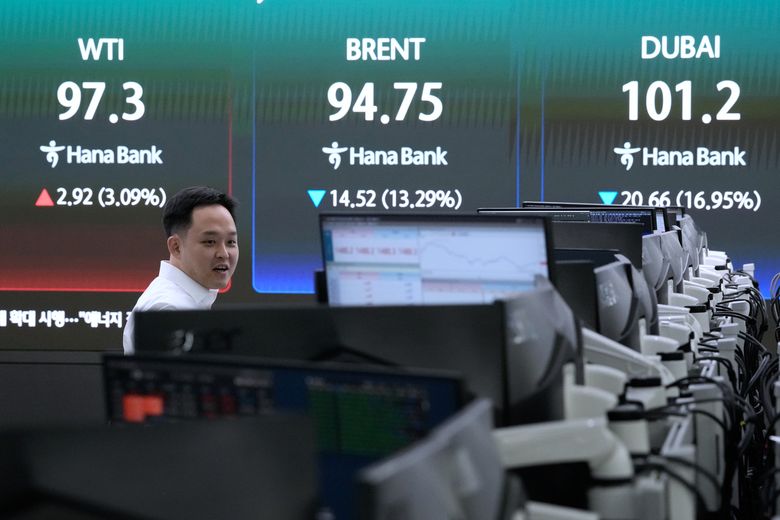
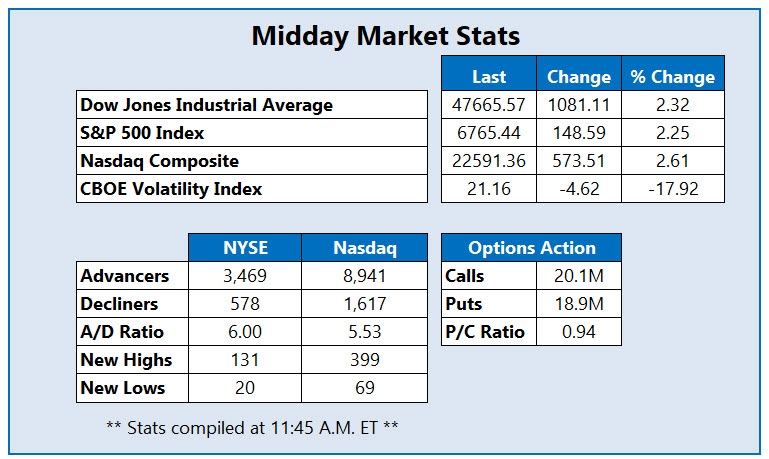
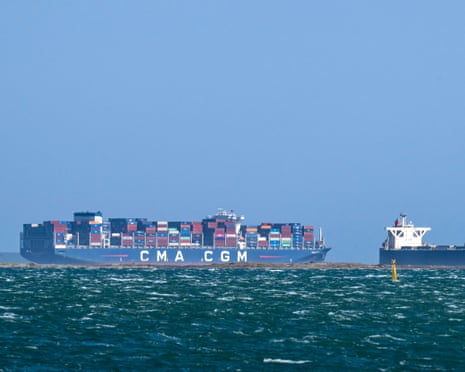
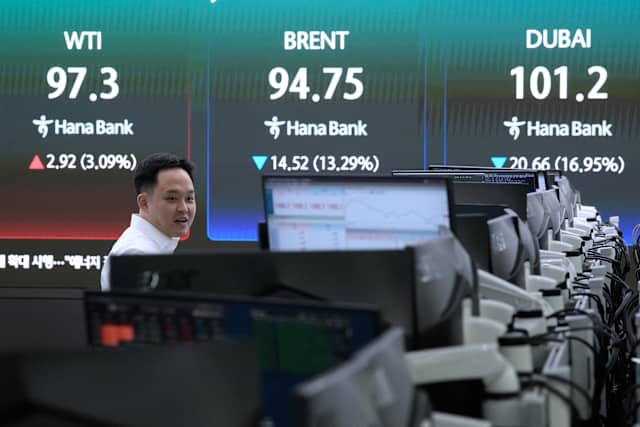
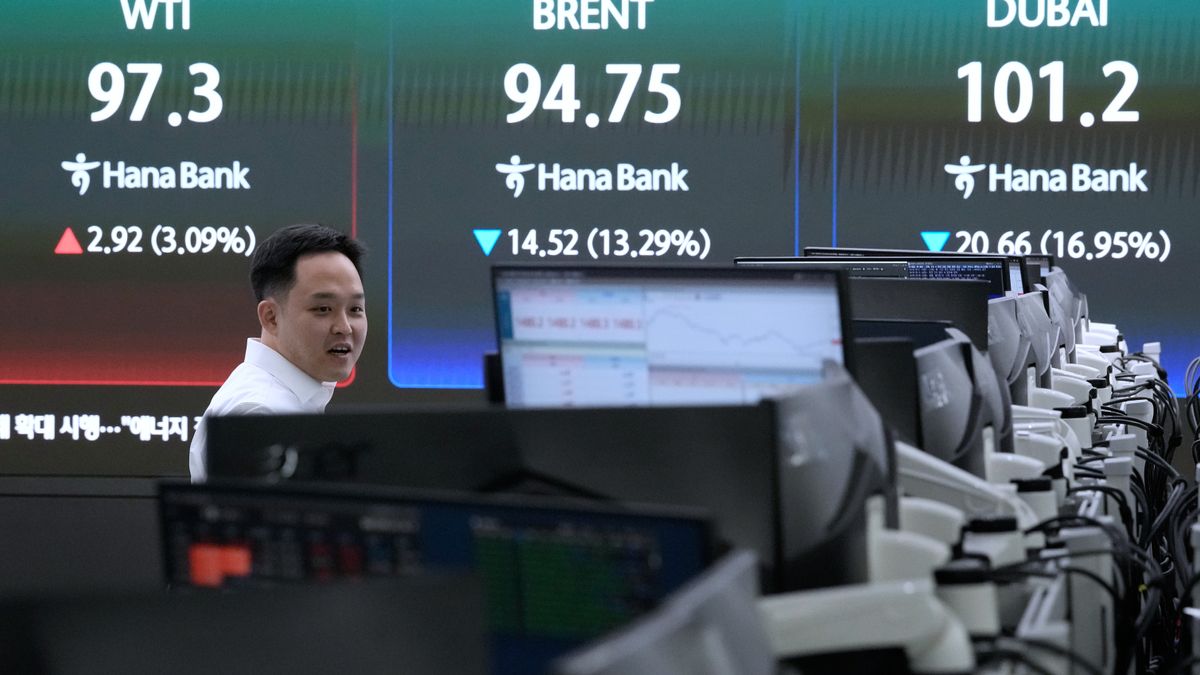
The April 8-9, 2026 Iran-Israel ceasefire announcement created immediate energy market volatility with direct implications for cross-border e-commerce logistics costs. Brent crude rose 2% to $96.77/barrel while New York light crude climbed 3% to $97.23/barrel, with UK gas contracts up 1% and European natural gas futures rebounding toward €46/MWh. This energy price spike directly impacts seller operational expenses through three critical channels: increased fuel surcharges on international shipping, elevated warehousing and 3PL fulfillment costs, and potential supply chain disruptions via the Strait of Hormuz—a critical chokepoint handling 21% of global seaborne oil trade.
For Amazon FBA sellers, this translates to measurable cost increases. Sellers utilizing FBA fulfillment from US warehouses shipping to EU markets via Middle East routes face 8-12% higher logistics costs per shipment. A typical seller moving 1,000 units monthly from US to Europe could see monthly cost increases of $400-800 depending on product weight and fulfillment tier. 3PL providers managing inventory in Middle East hubs (Dubai, Abu Dhabi) face immediate margin compression as fuel surcharges activate on all outbound shipments. The ceasefire's fragility—with Israel continuing Lebanon strikes and both US and Iran threatening escalation—creates sustained uncertainty preventing energy price stabilization.
The strategic opportunity window exists for sellers to lock in shipping rates before further escalation. Sellers with inventory positioned in Southeast Asian fulfillment centers (Vietnam, Thailand) gain competitive advantage as alternative routing through the Suez Canal becomes less attractive. Cross-border sellers should immediately audit their logistics routing: those currently using Middle East transit corridors face 6-8 week windows to reroute inventory before potential Strait of Hormuz closures. Category-specific impacts vary—heavy/bulky items (furniture, appliances, industrial equipment) see 12-15% cost increases, while lightweight electronics and apparel experience 5-8% increases. The announcement of Strait of Hormuz reopening provides temporary relief, but market skepticism (reflected in crude remaining below $100 despite Wednesday's 13.29% plunge) suggests sellers should assume sustained elevated energy costs through Q2 2026.
Questions 8
How should I adjust my pricing strategy to account for higher logistics costs?
Implement tiered pricing adjustments based on product category and destination market. Heavy items (furniture, appliances) warrant 10-15% price increases; medium-weight items (textiles, sporting goods) justify 8-10% increases; lightweight items (electronics, apparel) can absorb 5-8% increases. Test price increases on 10-20% of your inventory first to measure demand elasticity before full rollout. In Seller Central, use the 'Pricing' tool to adjust your cost basis and monitor your profit margin percentage. For Amazon Global Selling, adjust your pricing by destination market—EU customers may tolerate higher prices than US customers due to VAT expectations. Monitor your Buy Box percentage and conversion rates weekly; if they decline >5%, reduce price increases by 2-3% to maintain competitiveness. Communicate transparently with customers: mention 'updated shipping costs' in product descriptions to justify price increases.
What geopolitical indicators should I monitor to predict further shipping cost changes?
Monitor three key indicators: (1) Brent crude oil price—track weekly movements; if it exceeds $105/barrel, expect additional 3-5% fuel surcharge increases; (2) Strait of Hormuz transit reports—watch for any closure announcements or military incidents; (3) US-Iran diplomatic statements—escalating rhetoric typically precedes 2-3 week energy price spikes. Subscribe to shipping industry alerts from Freightos, Flexport, or your 3PL provider for real-time fuel surcharge updates. Set price alerts for Brent crude at $100, $105, and $110 thresholds to trigger your pricing review process. Check your carrier's website weekly for fuel surcharge percentage updates—most carriers publish these on their pricing pages. Join seller forums (Amazon Seller Central communities, Reddit r/FulfillmentByAmazon) to crowdsource intelligence on shipping cost changes and alternative routing strategies from other sellers managing similar disruptions.