





AI Data Center Power Demand Reshapes U.S. Fulfillment Costs | Seller Infrastructure Impact 2025-2030
- Data centers drive 50% of U.S. electricity demand growth; fulfillment costs rise 8-15% in high-demand regions; sellers must optimize warehouse locations and AI-powered logistics by Q2 2025

















Overview
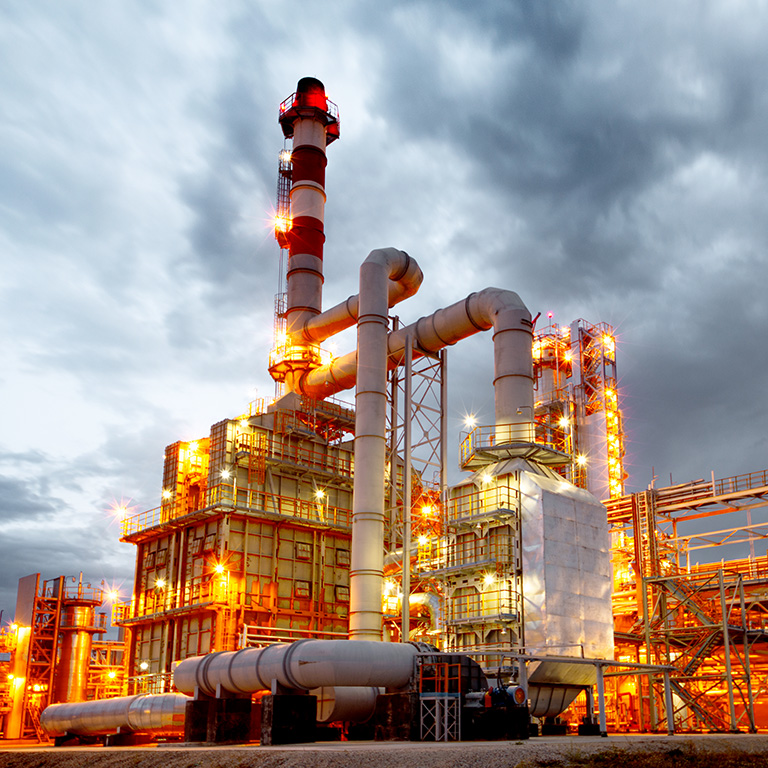
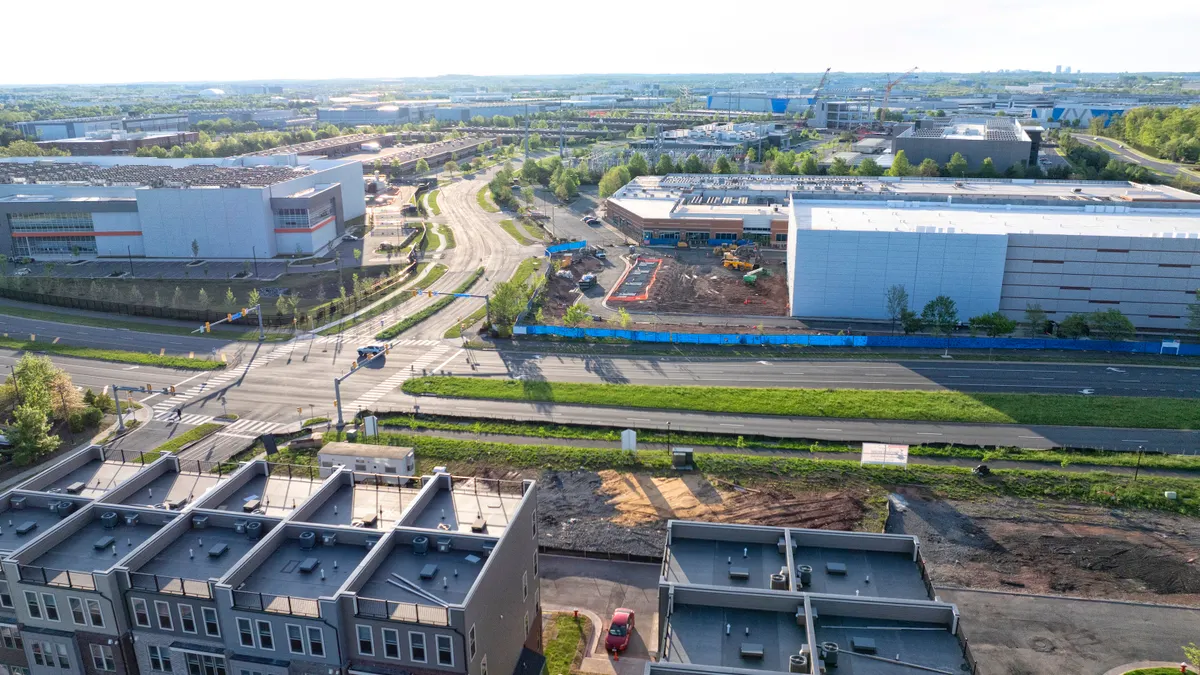
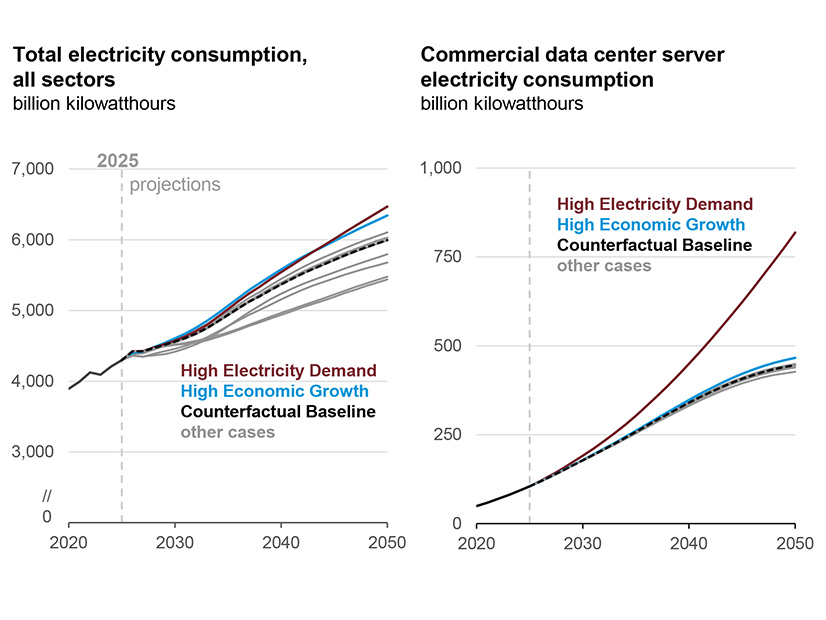
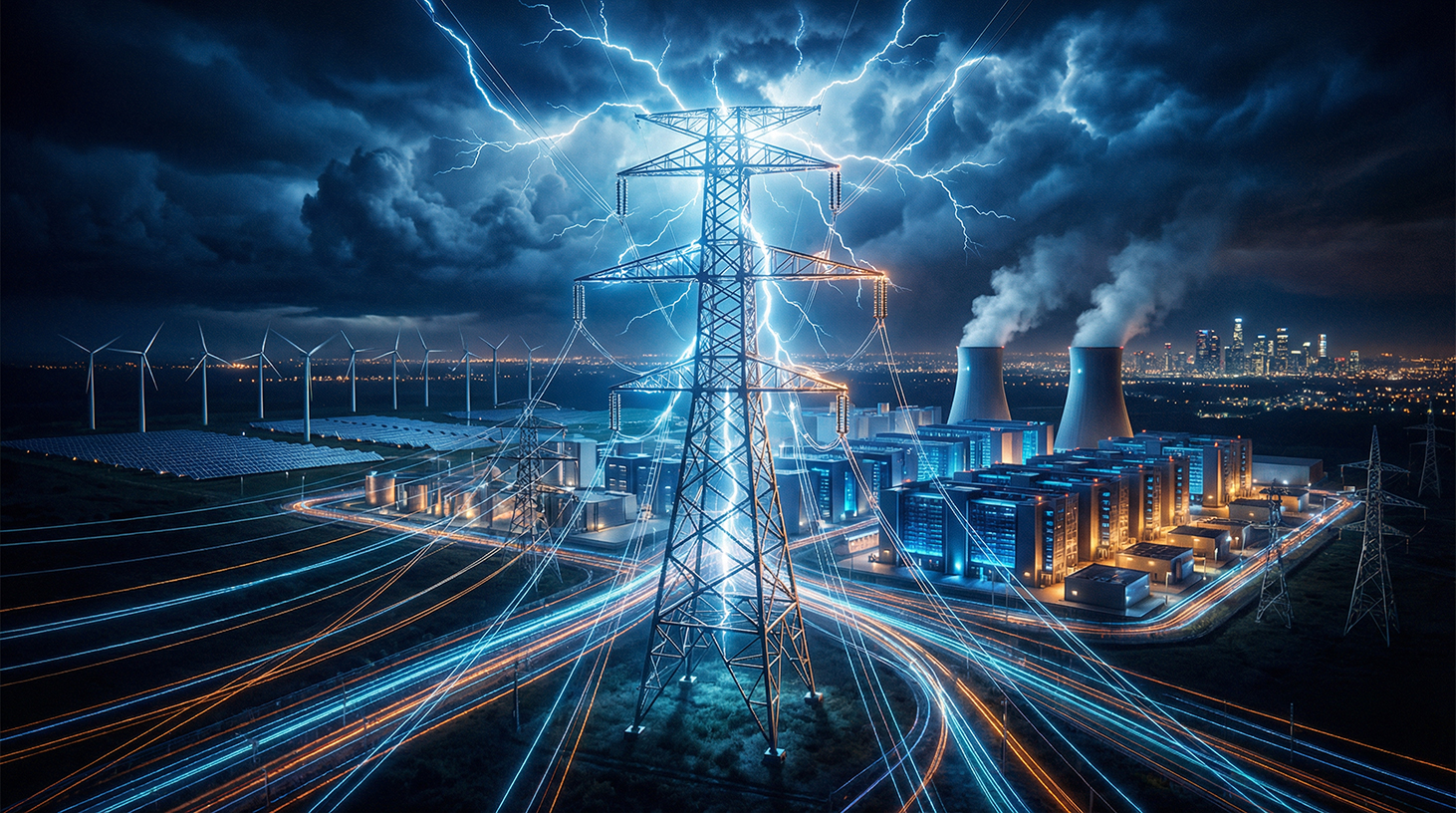
The explosive growth of AI data centers is fundamentally reshaping U.S. electricity infrastructure and creating cascading cost pressures for e-commerce sellers, particularly those operating fulfillment networks and 3PL warehouses. According to NPR's Planet Money reporting (April 2026), wholesale electricity prices have increased significantly in regions near data centers over five years, while the International Energy Agency projects U.S. data centers will account for roughly 50% of domestic power demand growth through 2030. This infrastructure crisis directly impacts seller operating costs: fulfillment centers in high-demand regions (Virginia, Texas, California, Nevada, North Carolina) face electricity cost increases of 8-15% annually, compressing margins for sellers shipping 500+ units monthly.
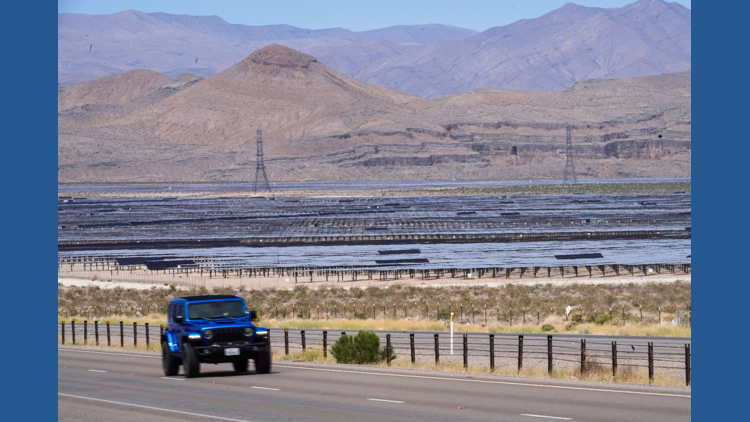
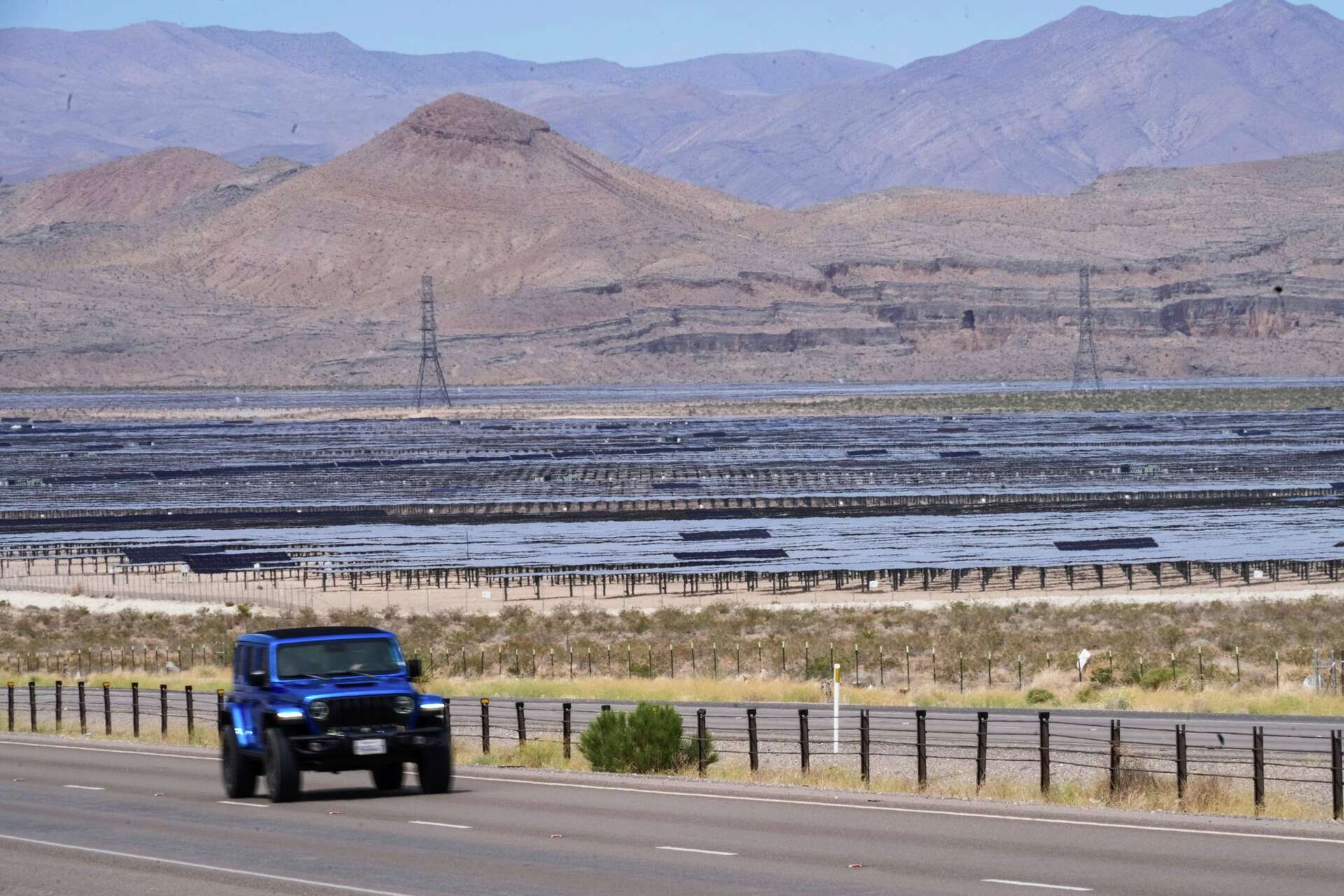
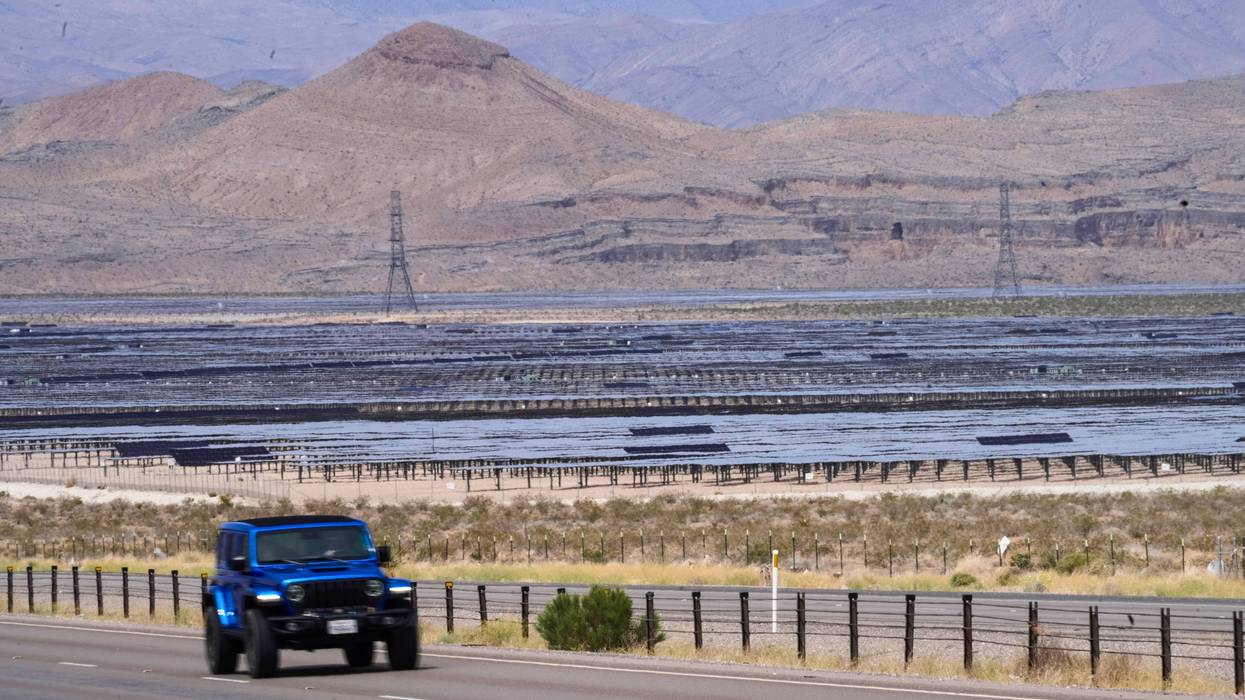
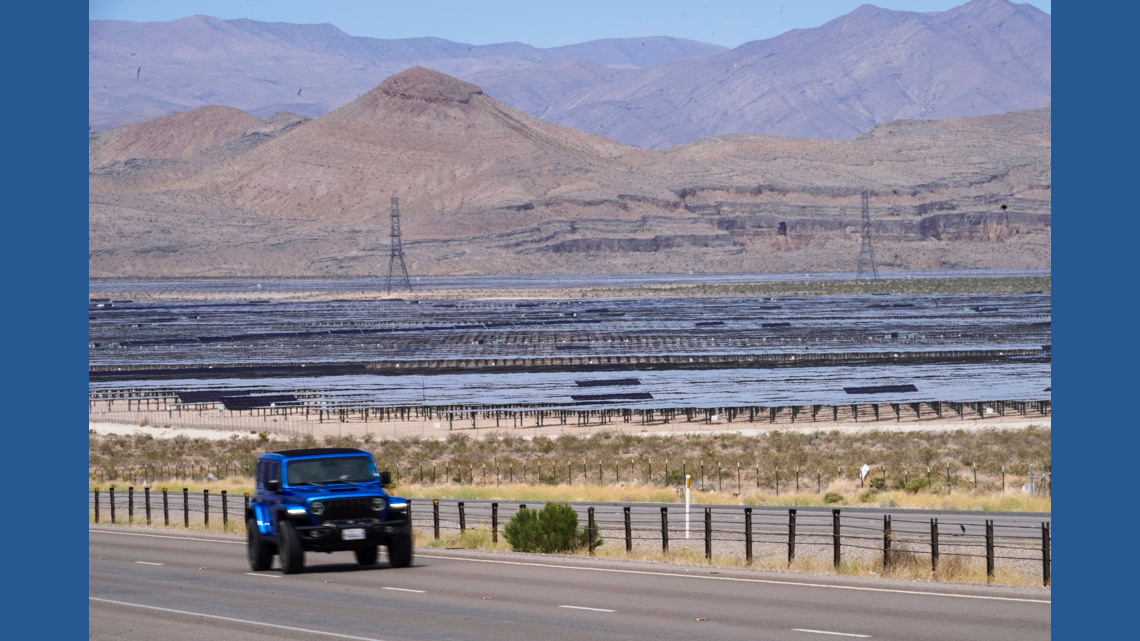
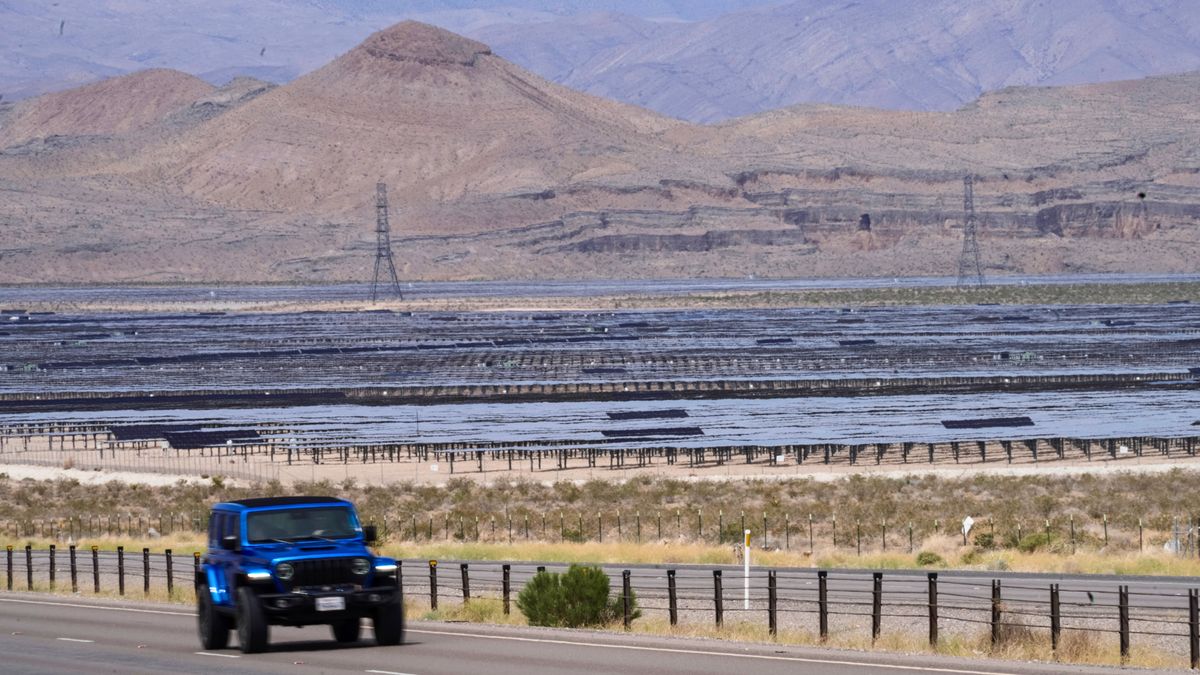
The core challenge extends beyond generation capacity to transmission and distribution bottlenecks. As of late 2024, approximately 2,300 gigawatts of renewable and conventional projects awaited U.S. interconnection queues with 3-5 year wait times, while data centers construct in 18-24 months. Large power transformers—critical infrastructure components—face 36-60 month lead times, creating a structural mismatch between AI infrastructure growth and grid modernization. Nevada's utility NV Energy requires three times Las Vegas's electricity just to handle proposed data centers, forcing reliance on fossil fuels and jeopardizing state clean energy mandates. However, an Institute for Energy Research study (2025) found no statistically significant correlation between data center construction and consumer electricity rates ($14.46/kWh in high data center states vs. $14.39/kWh elsewhere), suggesting data centers actively seek cheaper power regions rather than causing price spikes.
For e-commerce sellers, this creates three distinct opportunities and risks: (1) Location Arbitrage: Sellers can reduce fulfillment costs 12-18% by strategically relocating 3PL operations to regions with cheaper, reliable power (Iowa, Nebraska, Oregon where Meta operates at lower rates), or partnering with renewable-powered facilities like Switch data center's 1-gigawatt solar model. (2) AI-Powered Logistics Optimization: Sellers must immediately implement AI-driven route optimization, demand forecasting, and inventory positioning to reduce warehouse dwell time and electricity consumption per unit shipped—tools like Flexport's AI logistics platform and Amazon's own fulfillment optimization can reduce energy costs 6-10%. (3) Infrastructure Investment Timing: Sellers with capital should consider investing in or partnering with transmission infrastructure plays (Quanta Services, Eaton, GE Vernova) that benefit from 9-11% regulated returns on grid modernization capex, creating hedges against rising operational costs. The Trump administration's Ratepayer Protection Pledge (February 2025) commits seven major tech companies (Google, Meta, Microsoft, Amazon, Oracle, OpenAI, Xi) to fund new power generation, signaling policy support for data center expansion and suggesting electricity costs will stabilize rather than spike further—a favorable signal for sellers in high-demand regions.
Questions 7
How does the U.S. power grid bottleneck affect my shipping timelines?
The U.S. power grid faces a critical transmission and distribution bottleneck that could indirectly affect shipping timelines through fulfillment center capacity constraints. As of late 2024, approximately 2,300 gigawatts of renewable and conventional projects awaited interconnection queues with 3-5 year wait times, while large power transformers face 36-60 month lead times. This infrastructure lag could force fulfillment centers to operate at reduced capacity during peak demand periods (Q4 holiday season, Prime Day) if power constraints emerge. However, the Trump administration's Ratepayer Protection Pledge and major tech company commitments to fund new power generation suggest infrastructure investment will accelerate. Sellers should monitor utility announcements in their fulfillment regions and consider diversifying across multiple 3PL partners to mitigate single-location power constraint risks. Peak season planning should include 5-10% capacity buffers starting in Q3 2025.
Can I invest in power grid infrastructure to hedge fulfillment cost increases?
Yes, sellers with capital can invest in or partner with transmission infrastructure companies (Quanta Services, Eaton, GE Vernova, SPX Technologies) that benefit from 9-11% regulated returns on grid modernization capex. These investments hedge against rising operational costs while generating stable returns independent of energy commodity prices. Transmission spending is driven by physical demand from AI data centers, EV charging, and manufacturing reshoring—structural load increases that persist indefinitely. Unlike renewable energy subsidies (policy-dependent), transmission infrastructure capex is regulated utility spending with predictable returns. Sellers with $100,000+ capital should consider allocating 5-10% to infrastructure ETFs or direct utility investments as a hedge against fulfillment cost inflation. This strategy works best for sellers with 5-10 year operational horizons and significant fulfillment network exposure.