
.jpg)


FAA Enforcement Escalation Creates $600K+ Compliance Penalty Wave | Seller Logistics Impact
- FAA proposes $559K in combined fines against American and Southwest Airlines for drug/alcohol testing failures; 2024 policy increased individual penalties to $100K+, signaling aggressive enforcement that will reshape airline safety compliance infrastructure and logistics service provider requirements







Overview
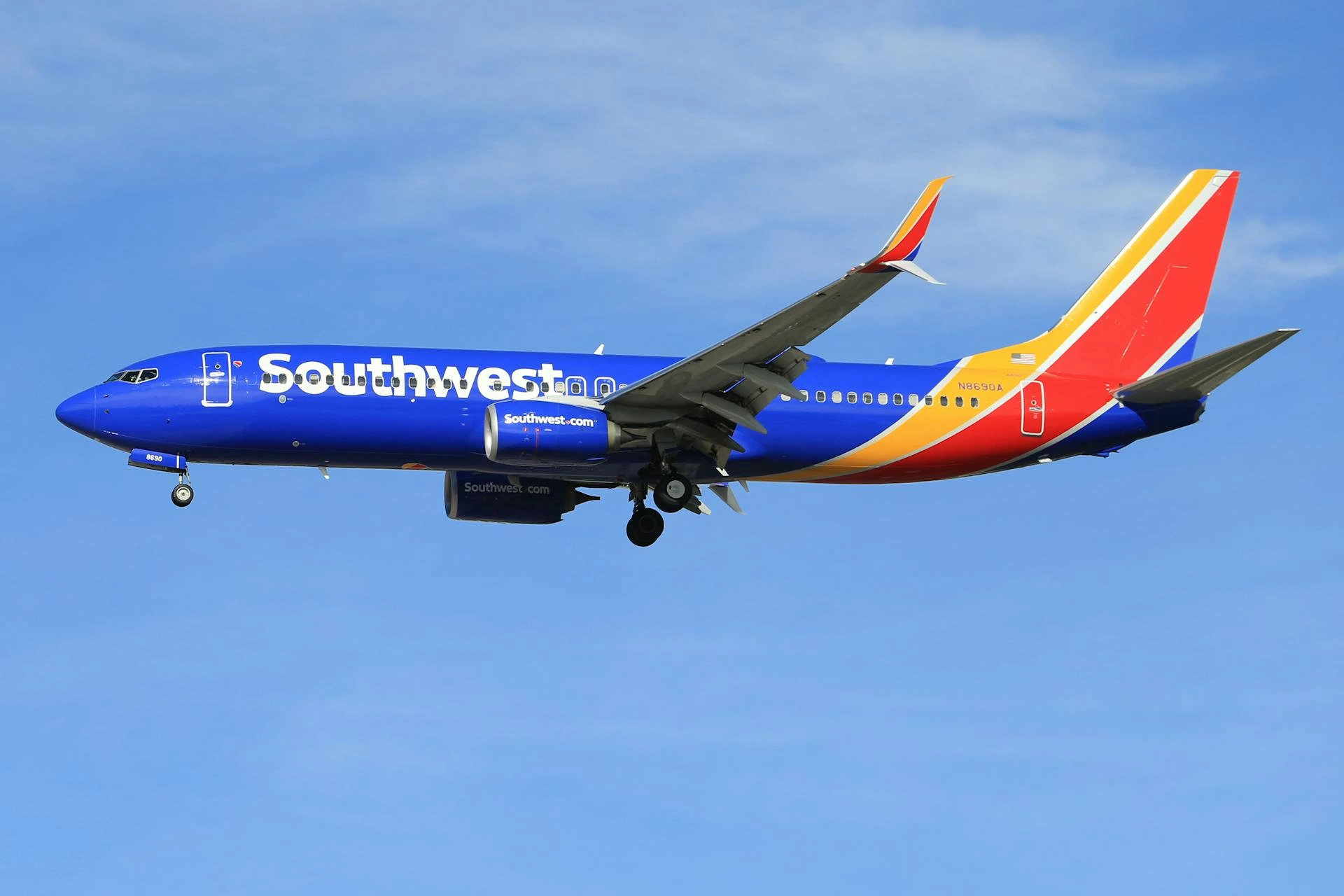
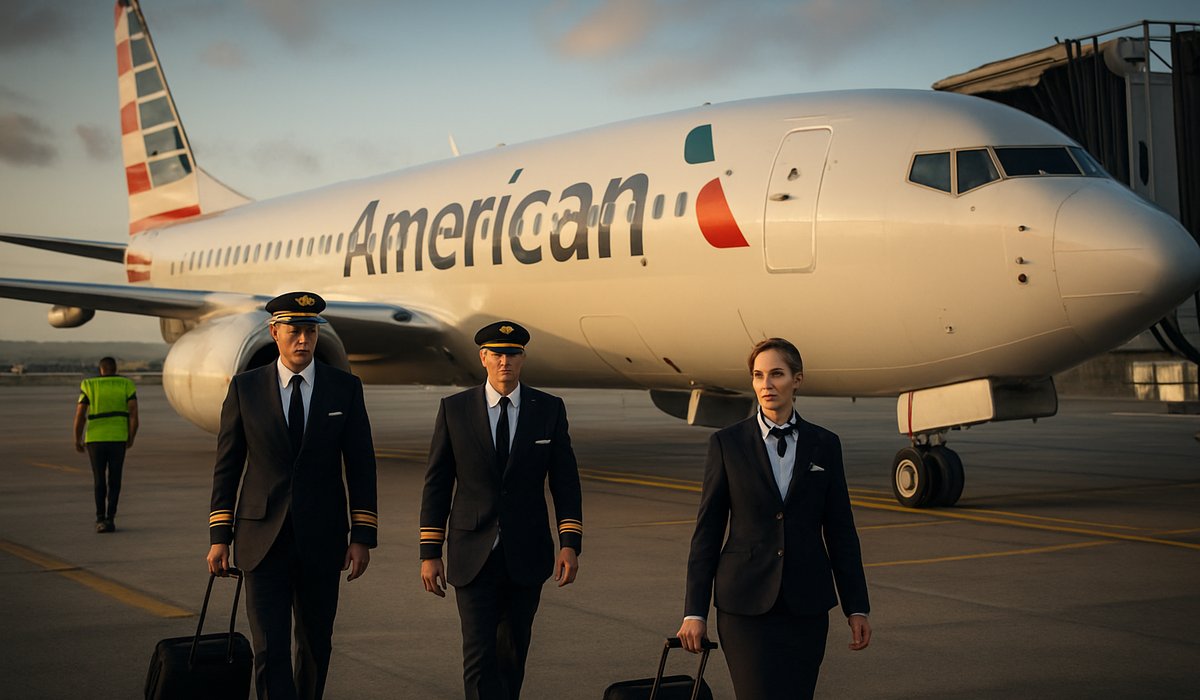
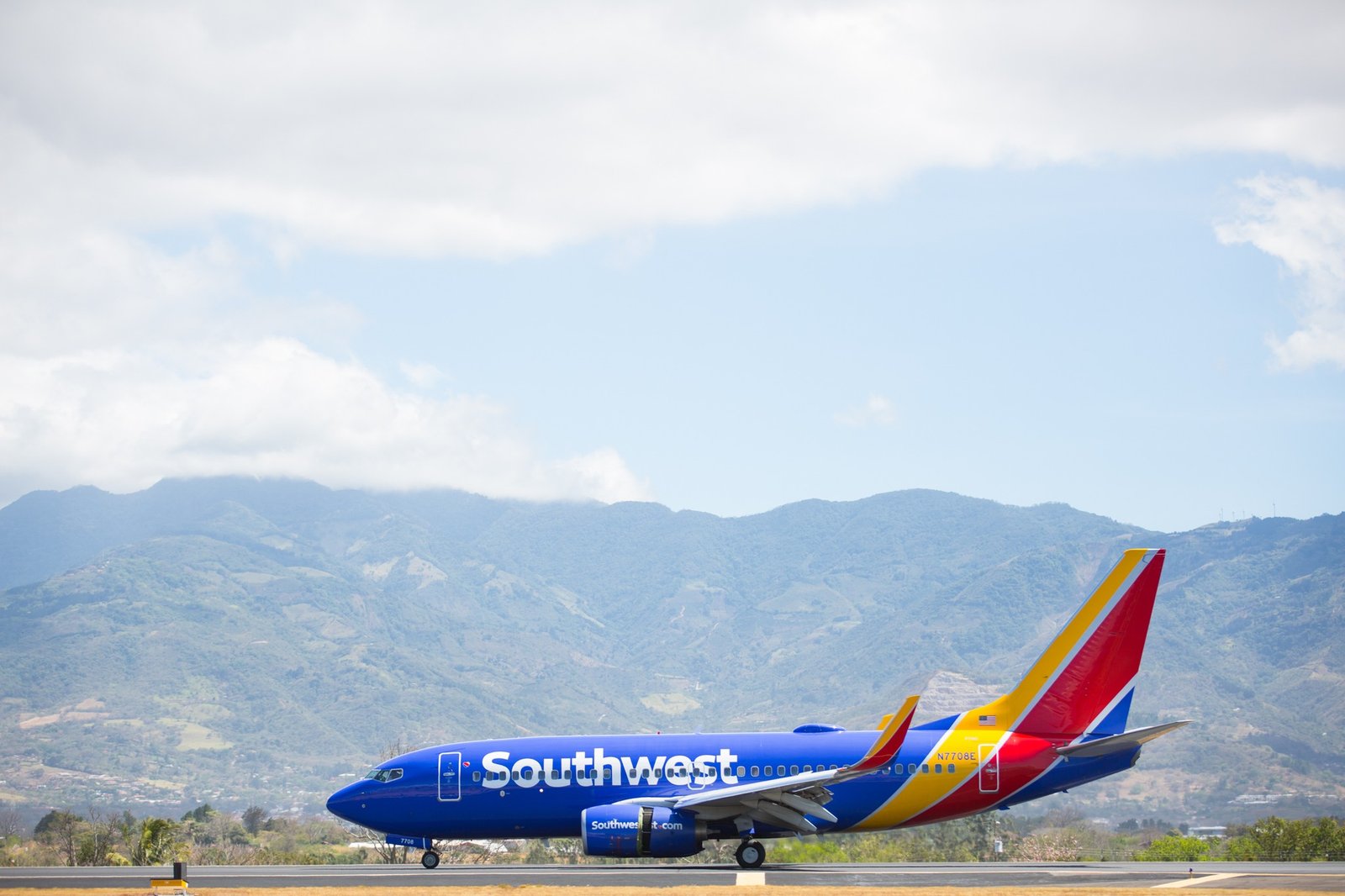
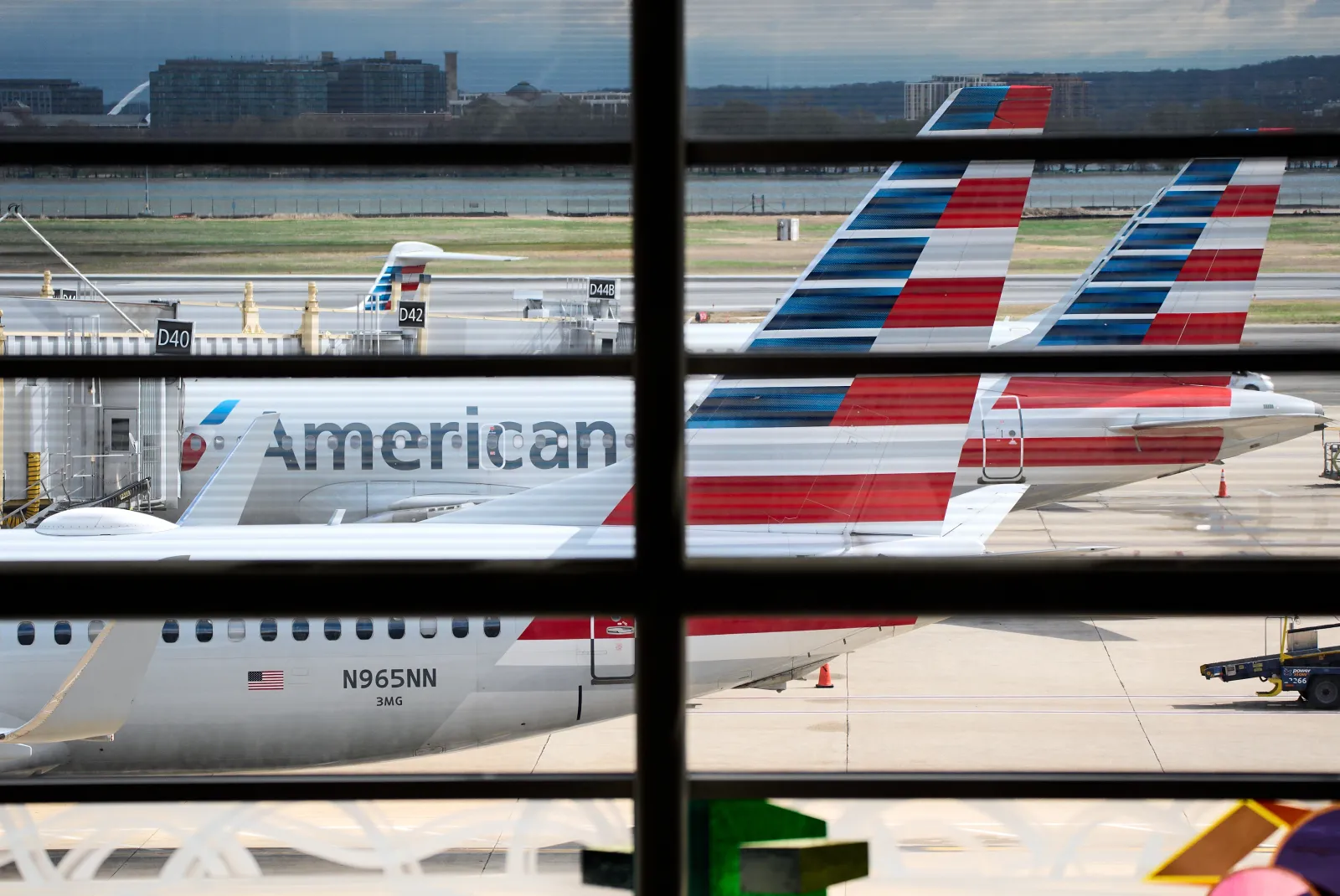
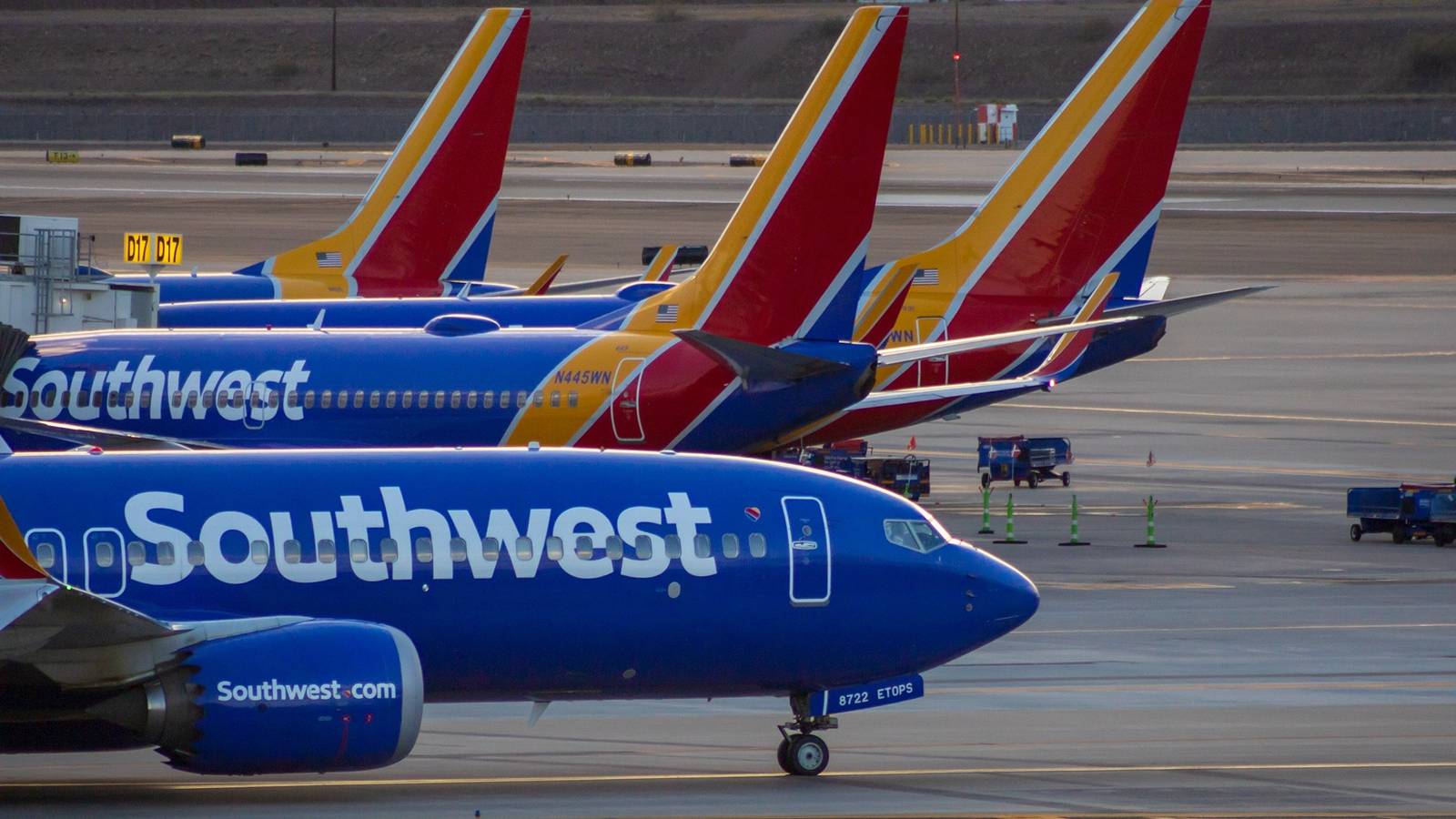
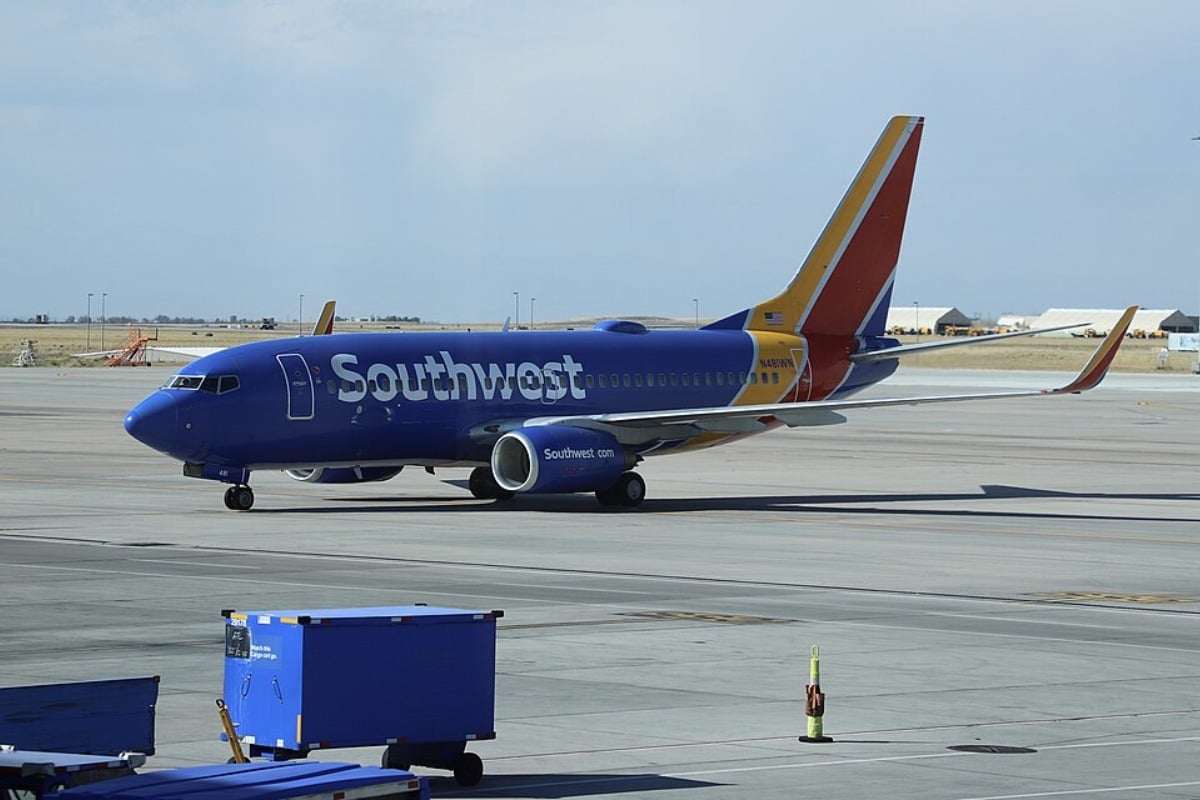
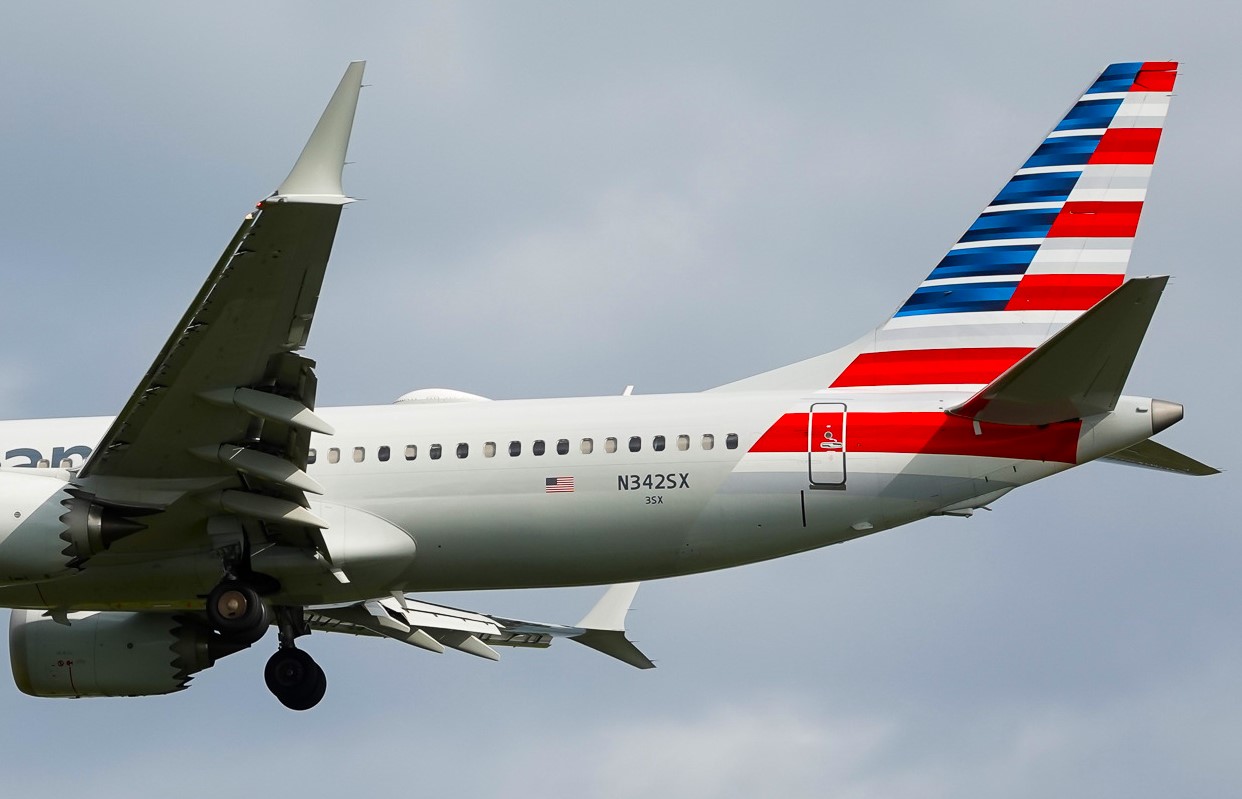
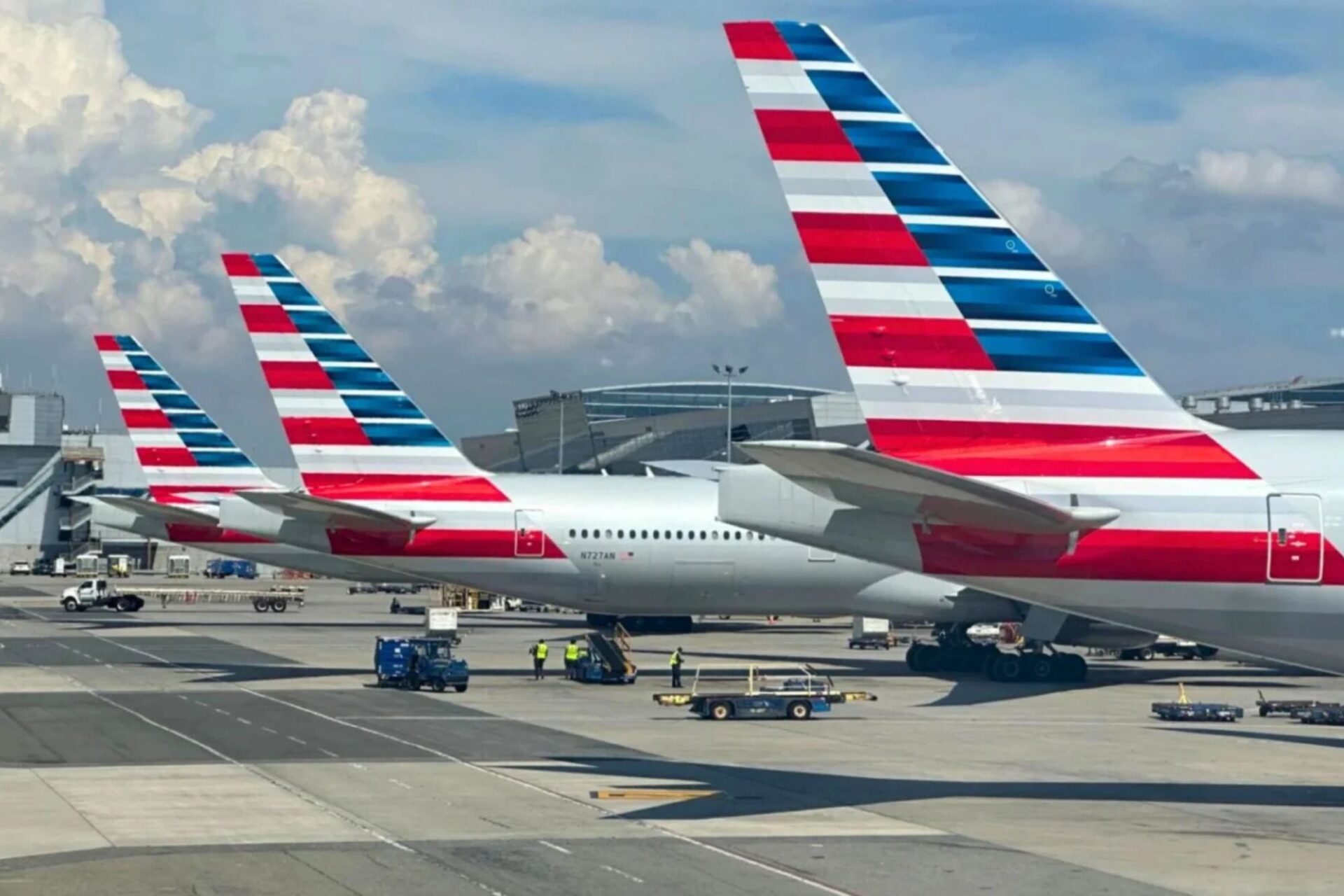
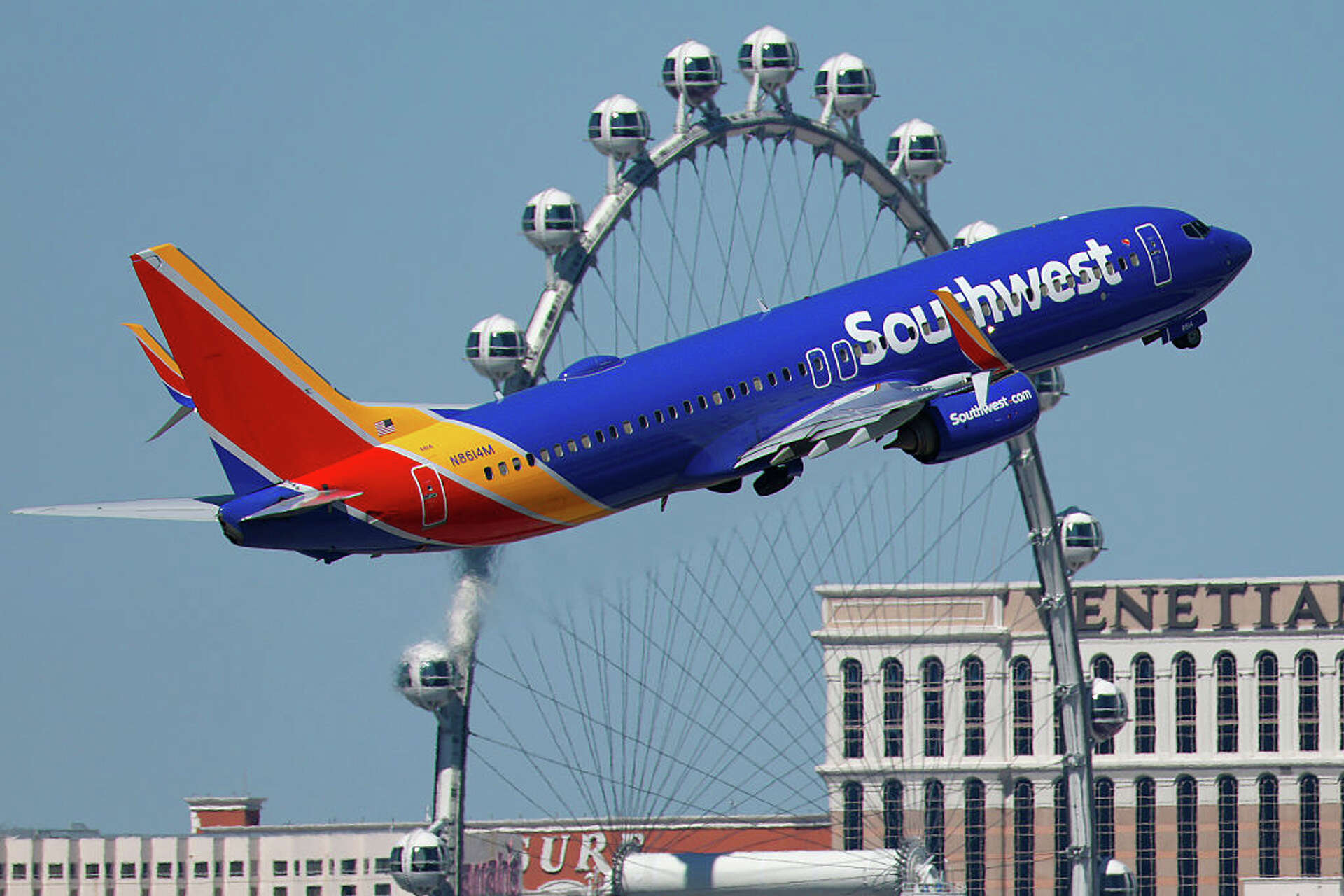
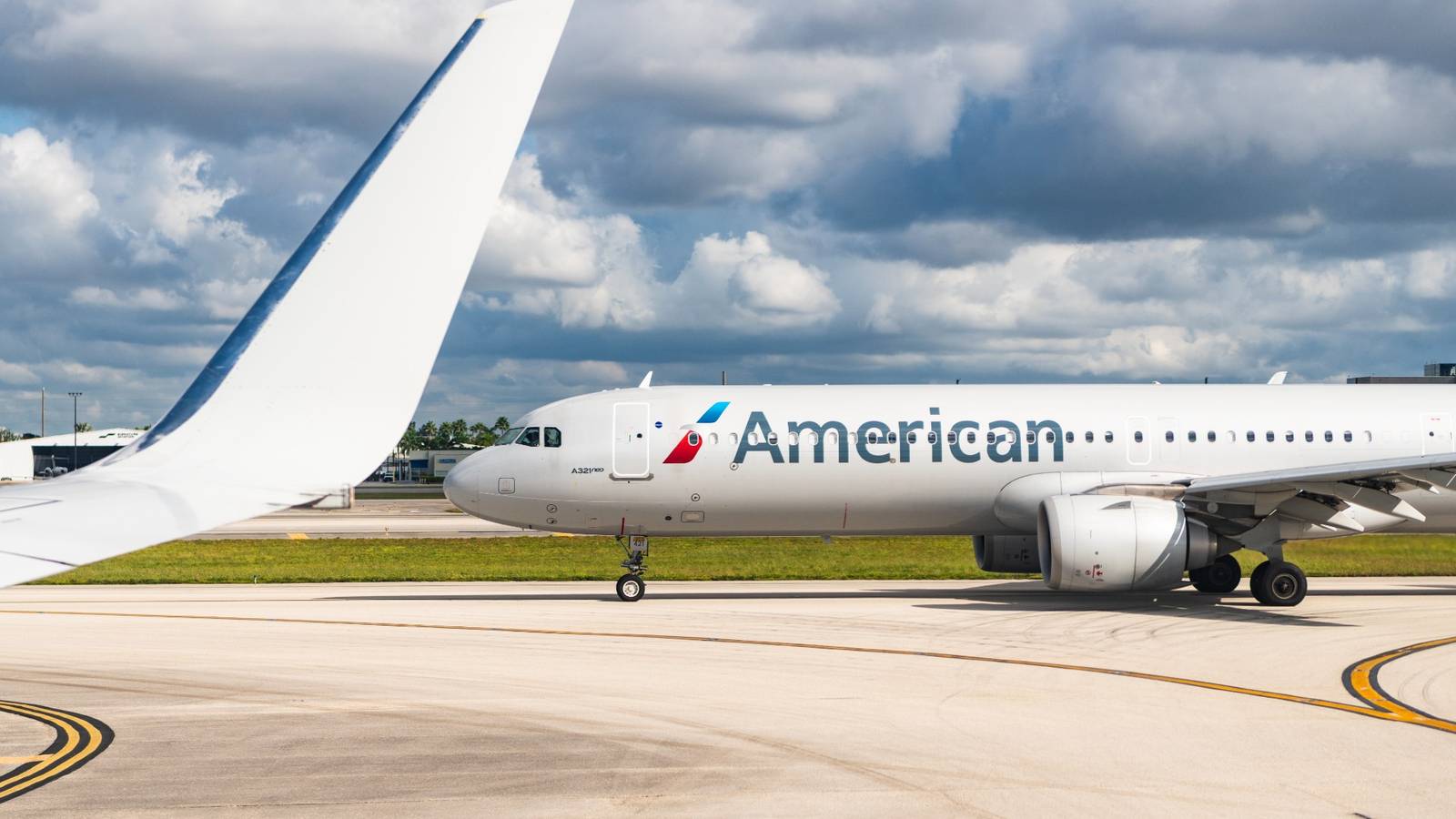
The Federal Aviation Administration's enforcement escalation against major U.S. carriers represents a critical compliance infrastructure shift with direct implications for e-commerce logistics and fulfillment networks. Between April 8-10, 2026, the FAA proposed $255,000 against American Airlines (12 flight attendants tested positive for controlled substances between May 2019-December 2023 without required follow-up testing) and $304,272 against Southwest Airlines (11 employees including pilots and mechanics failed to complete mandatory follow-up tests under 49 CFR Part 120 during 2021-2024). Additional fines totaling $121,000 were proposed against Avelo Airlines ($65,000) and Spring City Jet ($56,000) for similar violations.
The compliance barrier being erected directly impacts third-party logistics (3PL) providers and fulfillment networks that contract with airlines for cargo operations. The 2024 FAA policy change increased individual infraction penalties to exceed $100,000—a 300-400% increase from historical levels—creating a compliance moat that will eliminate smaller regional carriers and force consolidation among major logistics partners. Airlines must now implement automated testing tracking systems, hire dedicated compliance personnel, and establish enhanced audit procedures to avoid penalties. This systemic overhaul will increase operational costs for carriers by an estimated $2-5M annually per major airline, which will be passed to logistics providers through higher cargo fees and stricter service-level agreements.
For e-commerce sellers relying on air freight and expedited shipping, this enforcement wave signals rising logistics costs. Carriers facing regulatory scrutiny will prioritize compliance spending over competitive pricing, reducing capacity for time-sensitive shipments (electronics, perishables, fashion). Sellers should expect 8-15% increases in air freight rates over 12-18 months as airlines implement compliance infrastructure. The FAA's zero-tolerance policy and 30-day response deadline for both American and Southwest creates immediate operational pressure—both carriers must demonstrate corrective actions within 90 days to avoid license restrictions. Sellers shipping high-value inventory via air freight should diversify to alternative carriers (United, Delta, Alaska) that have not yet faced enforcement actions, and consider shifting 15-25% of expedited shipments to ground-based 3PL networks to hedge against potential rate increases. The enforcement pattern also indicates the FAA will conduct intensified audits across the entire aviation sector through 2026-2027, creating a 12-24 month window of operational uncertainty for air-dependent logistics providers.
Questions 7
What corrective actions must American and Southwest Airlines implement to avoid license restrictions?
Both airlines have 30 days to respond to FAA charges and must demonstrate corrective actions within 90 days to avoid operational restrictions. Required actions include: **(1) hiring dedicated compliance personnel** to oversee drug/alcohol testing programs; **(2) implementing automated testing tracking systems** to prevent gaps in follow-up testing; **(3) establishing enhanced audit procedures** to detect compliance failures in real-time; and **(4) conducting mandatory Substance Abuse Professional (SAP) evaluations** for all employees who tested positive. These infrastructure investments will cost each carrier $2-5M annually and will be reflected in higher cargo fees. Sellers should monitor both airlines' quarterly earnings reports for mentions of compliance spending, which signals when rate increases will be implemented.
How long will FAA enforcement intensity remain elevated for the aviation industry?
The FAA has warned of **further penalty increases** beyond the 2024 policy change that raised individual infractions to $100K+. The enforcement wave against American, Southwest, Avelo, and Spring City Jet indicates the FAA will conduct intensified audits across the entire aviation sector through **2026-2027**. This 12-24 month window of heightened scrutiny will create operational uncertainty for air-dependent logistics providers. Sellers should expect elevated air freight rates and reduced capacity availability during this period. Ground-based alternatives and carrier diversification are critical risk mitigation strategies. Monitor FAA enforcement announcements quarterly at faa.gov to track which carriers receive additional fines, as this will signal which logistics partners face the highest compliance costs.