



Fatal Consequences of Medical Distrust: How Wellness Influencer Culture Risks Lives
- Unregulated Alternative Healthcare Practices Expose Critical Public Safety Vulnerabilities






Overview
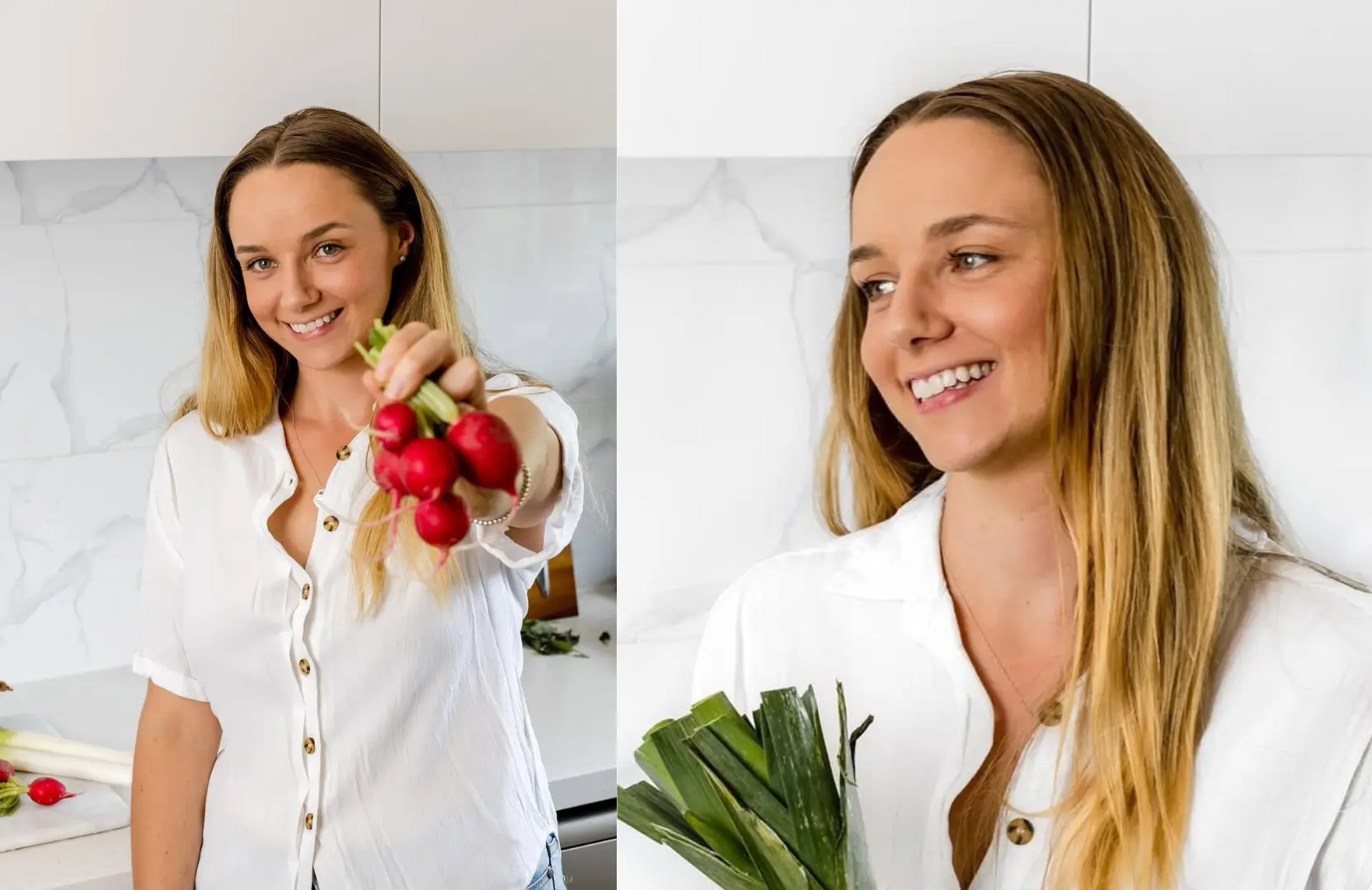
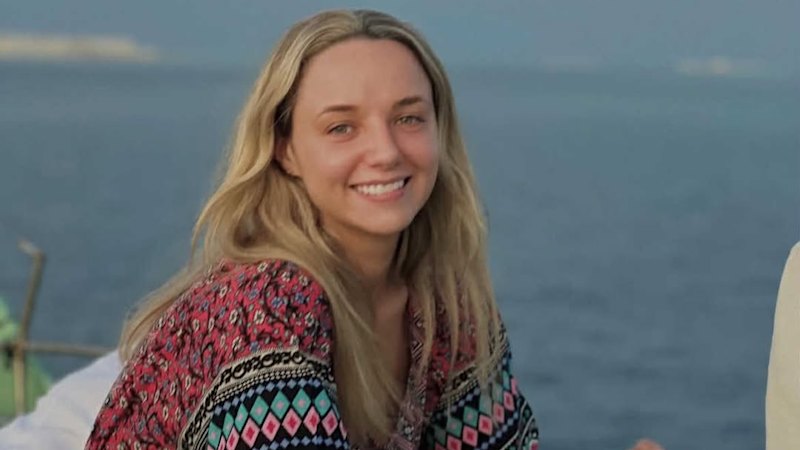
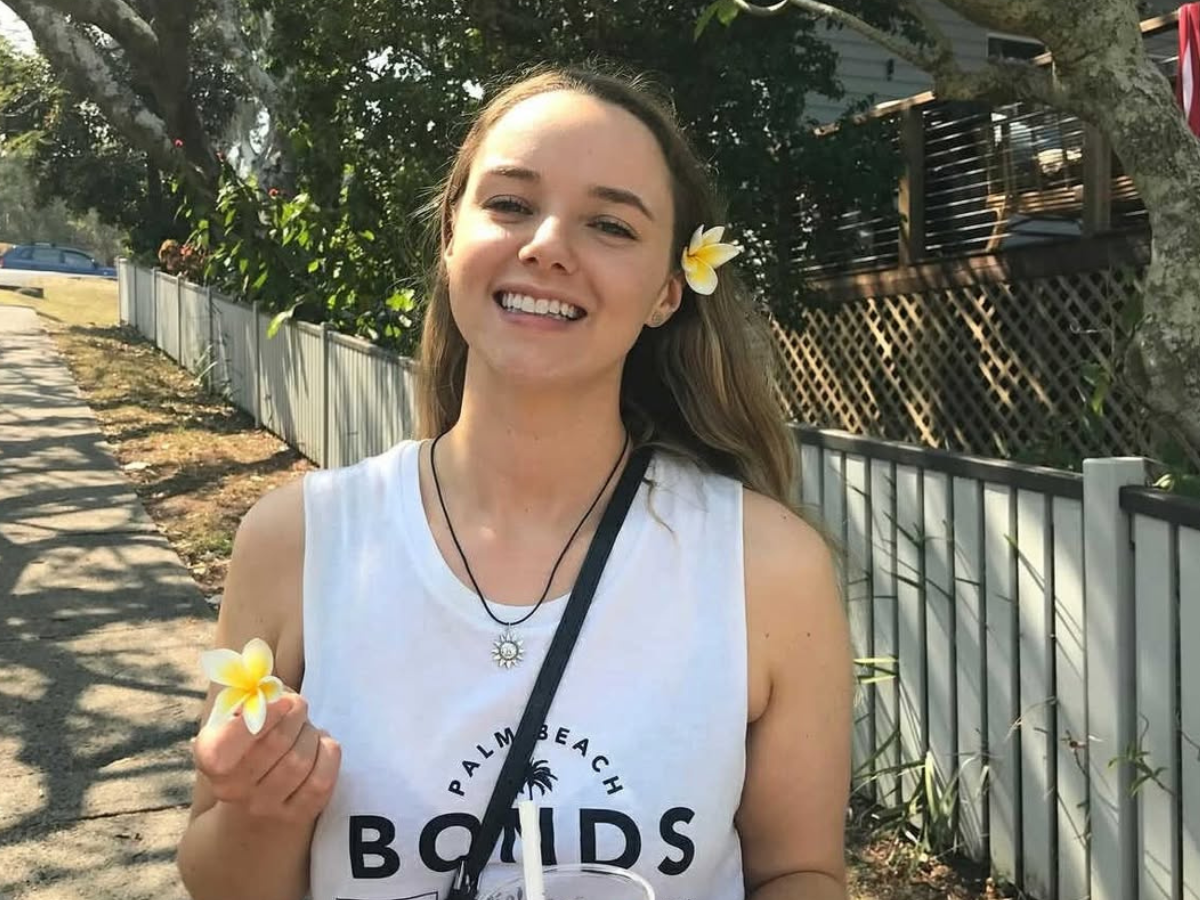
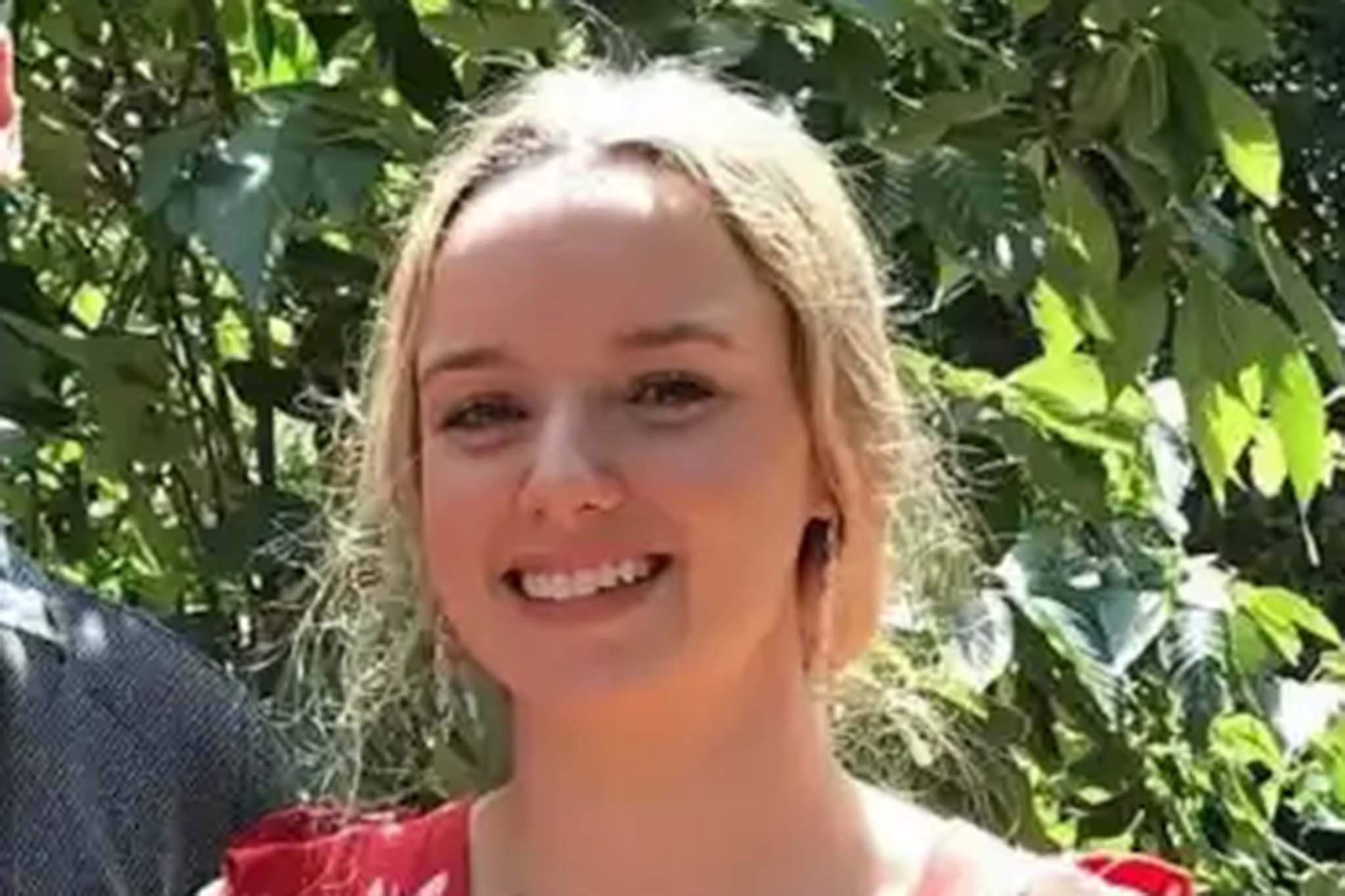
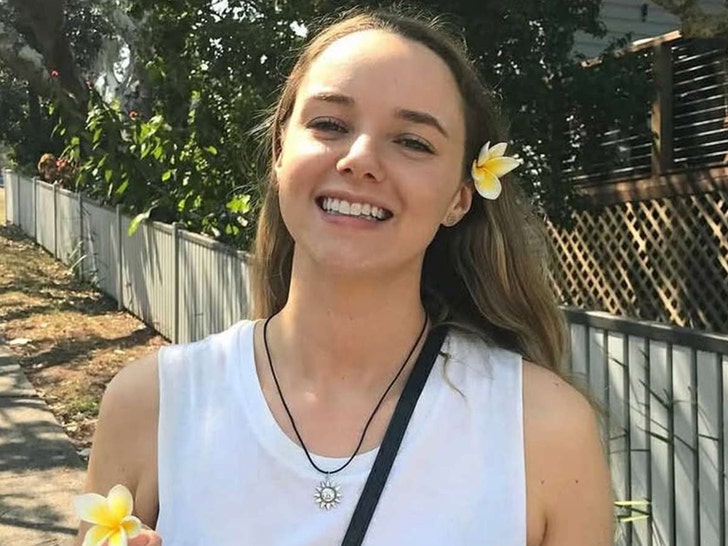
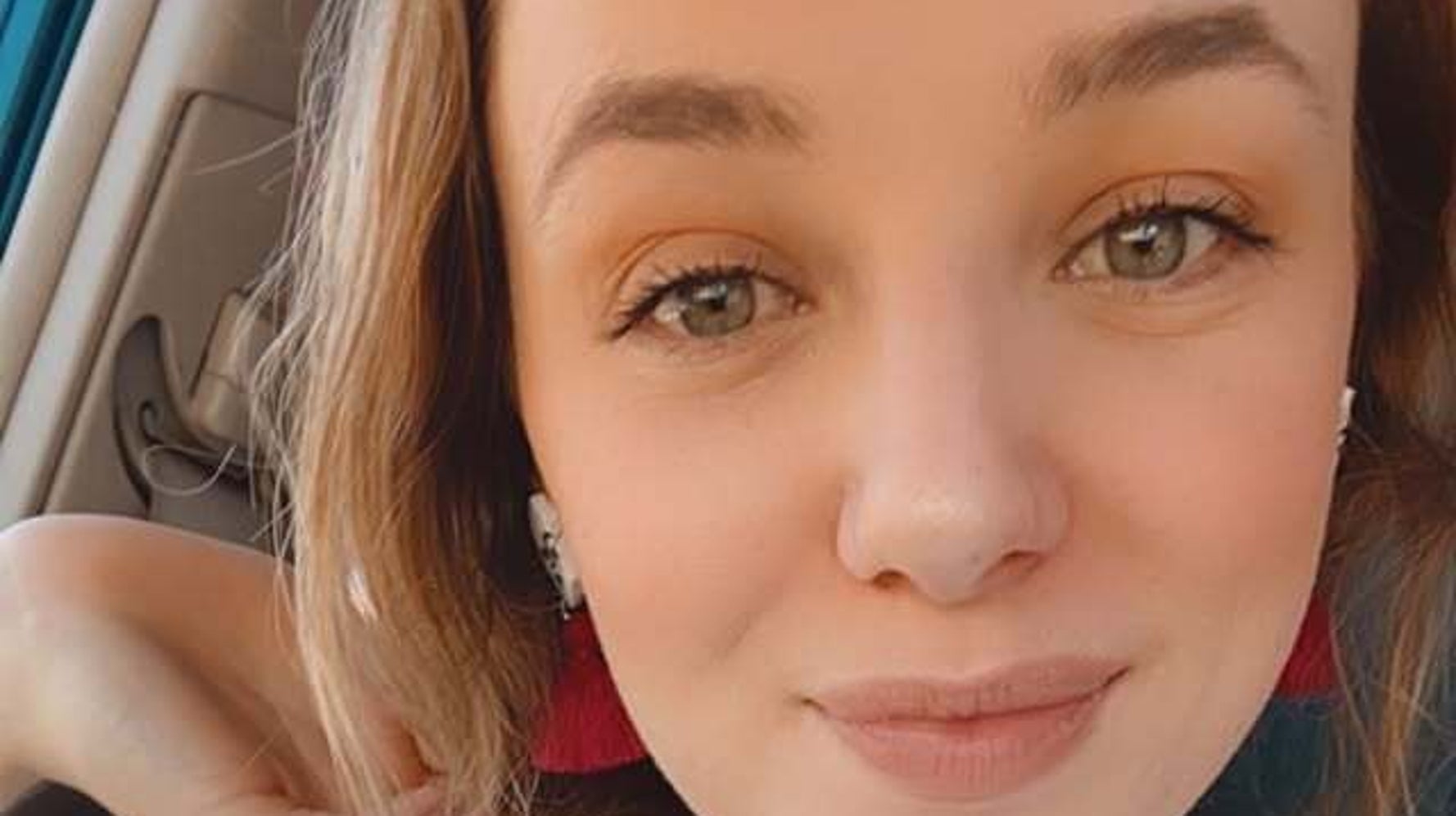
The tragic death of wellness influencer Stacey Warnecke represents a stark warning about the dangerous intersection of medical misinformation, influencer culture, and systemic healthcare skepticism. Her fatal home birth exposes a growing trend of rejecting professional medical supervision, driven by a complex web of COVID-19 pandemic distrust and alternative health ideologies.
Warnecke's case illuminates multiple critical societal dynamics. Her deliberate avoidance of traditional healthcare—motivated by skepticism around vaccine mandates—led her to choose a 'freebirth' without medical professionals, ultimately costing her life. The incident reveals how pandemic-era medical tensions have transformed from political statements into potentially fatal personal healthcare decisions.
The broader context is deeply concerning. With nearly 20,000 Instagram followers, Warnecke represented a wellness influencer archetype increasingly challenging established medical protocols. Her choice to obtain only one initial blood test and reject standard prenatal care demonstrates a dangerous trend of prioritizing ideological purity over medical safety. The presence of an unregulated birth support worker, Emily Lal, further highlights systemic gaps in monitoring alternative healthcare practices.
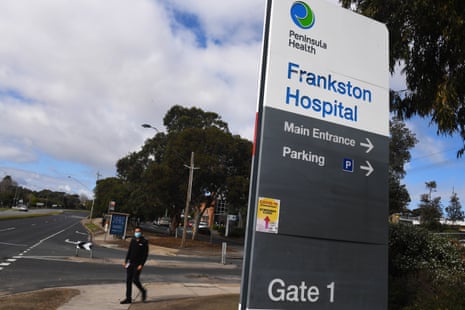
The medical response was extraordinary—hospital staff exhausted their entire blood supply attempting to save Warnecke, underscoring the severity of her condition and the critical importance of professional medical intervention. The Victorian Health Complaints Commissioner's investigation into Lal signals growing institutional recognition of risks posed by unregulated healthcare alternatives.
This tragedy transcends an individual incident, representing a broader societal challenge: how misinformation and ideological resistance can transform personal health choices into life-threatening risks. It demands urgent attention from healthcare providers, regulators, and social media platforms to develop more robust mechanisms for countering dangerous medical misinformation.
Questions 3
How are social media and wellness influencer culture contributing to dangerous medical decisions?
Wellness influencers often spread medical misinformation by promoting alternative healthcare practices without scientific backing. Their large social media followings can amplify dangerous health narratives, encouraging followers to make potentially life-threatening decisions based on unqualified personal experiences rather than professional medical advice.
What specific factors led Stacey Warnecke to choose a home birth?
Warnecke was motivated by distrust of the medical system following COVID-19 vaccine mandates, a desire to live 'chemical-free', and a rejection of standard medical interventions. Her minimal prenatal care—just one blood test—reflected her skepticism towards traditional healthcare practices.