




Strait of Hormuz Disruptions Drive 8-15% Freight Cost Surge for Cross-Border Sellers
- 21% of global petroleum transits contested waterway; air freight and expedited shipping costs spike amid geopolitical tensions and oil price volatility
Overview
The April 2026 escalation of US-Iran tensions and fragile ceasefire negotiations directly impact cross-border e-commerce logistics through Strait of Hormuz disruptions, a critical chokepoint handling 21% of global petroleum shipments. For e-commerce sellers, this geopolitical event translates into immediate operational costs: oil price volatility directly increases freight rates for air freight and expedited ocean shipping, with sellers relying on time-sensitive inventory facing 8-15% cost increases on international shipments. The Bloomberg report (April 9, 2026) documents ongoing shipping corridor disruptions as Chinese oil tankers test ceasefire stability, creating supply chain uncertainty that extends beyond fuel costs to overall logistics reliability.
Freight cost impact varies by seller segment and shipping method. Sellers using FBA (Fulfillment by Amazon) with expedited shipping to international warehouses face immediate margin compression, particularly those shipping high-volume, low-margin categories (electronics, apparel, home goods). Air freight rates—critical for time-sensitive inventory like seasonal products, trending merchandise, and perishables—typically increase $2-4 per kilogram during geopolitical disruptions. Ocean freight via Suez-alternative routes (around Africa) adds 2-3 weeks to transit times, forcing sellers to either absorb higher air freight costs or accept inventory delays that compress selling windows.
Market demand dynamics shift as consumer spending patterns respond to geopolitical uncertainty. The article notes that global equity market volatility and living cost concerns (particularly relevant given US domestic political tensions) reduce discretionary spending on non-essential cross-border purchases. This creates a dual challenge: sellers face higher logistics costs while demand for lower-priced imported goods potentially increases as consumers seek value alternatives. Latin American markets (mentioned via Ricardo Salinas and Cuba's economic crisis) may see reduced purchasing power, affecting sellers targeting Spanish-language audiences and emerging market consumers.
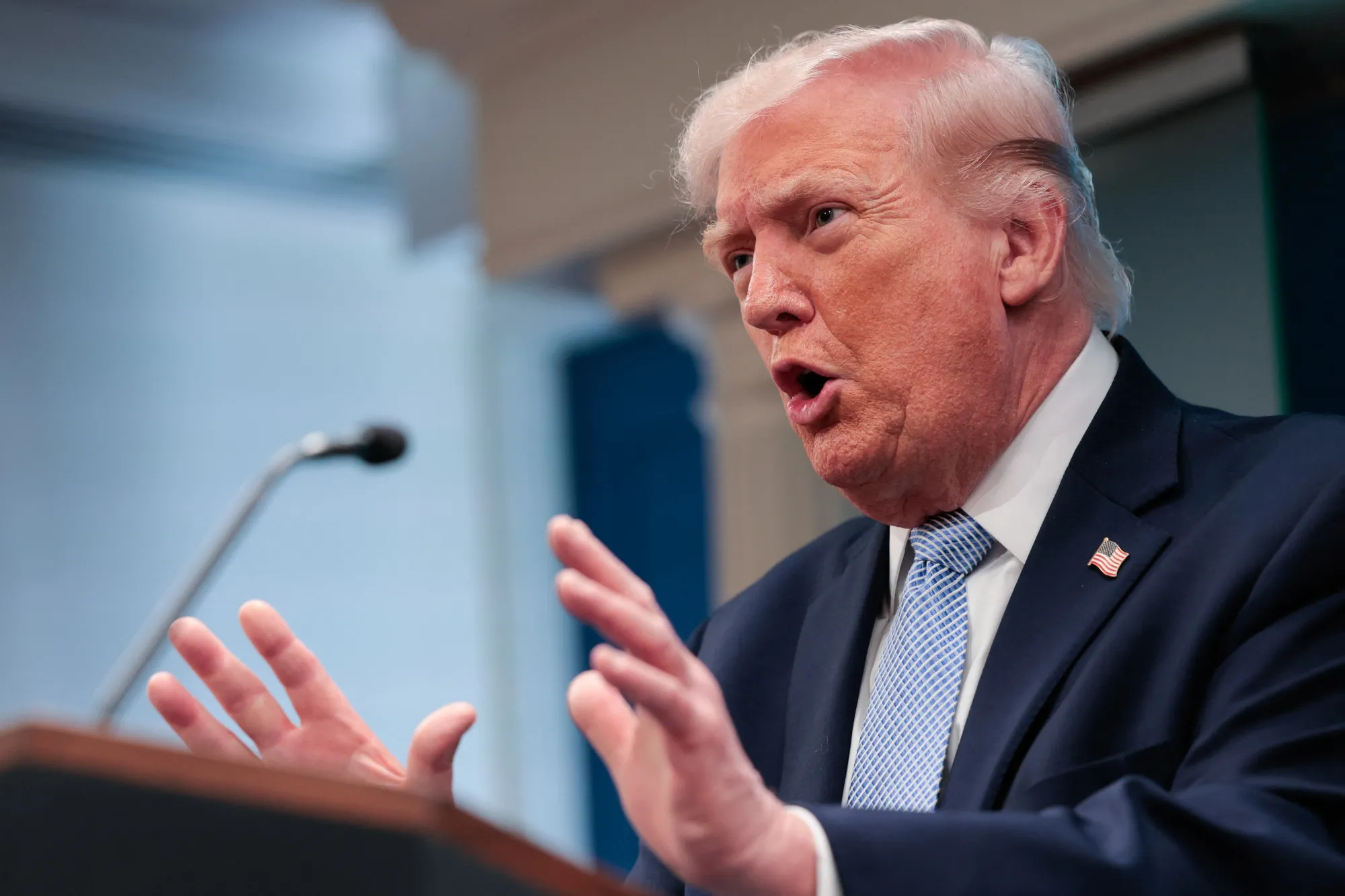
Strategic sourcing and inventory positioning become critical. Sellers should evaluate sourcing country shifts away from Middle East-dependent supply chains. Vietnam, India, and Southeast Asian manufacturing regions offer alternative sourcing without Strait of Hormuz exposure, though tariff implications remain uncertain given potential US trade policy shifts under the Trump administration. The article's reference to future trade policy changes suggests sellers should monitor tariff announcements closely, as geopolitical tensions often precede protectionist measures affecting cross-border commerce.
Questions 8
What trade policy changes should I monitor given the Trump administration's focus on tariffs?
The article references potential US trade policy shifts and Democratic political gains that could influence future tariff frameworks. Monitor Trump administration announcements regarding China tariffs, Mexico trade agreements, and Latin American trade policy—these directly affect sourcing costs and market access. Subscribe to US International Trade Commission (USITC) updates and consult with customs brokers about tariff implications for your product categories. Evaluate tariff scenarios for your top 10 sourcing countries and model cost impacts before committing to new suppliers or inventory purchases.
Are there opportunities in Latin American markets despite economic uncertainty mentioned in the article?
The article mentions Cuba's economic crisis and Mexican billionaire Ricardo Salinas, suggesting Latin American market volatility. While purchasing power may decline in some regions, Mexico and Brazil remain significant e-commerce markets with growing middle-class consumers. Consider testing Spanish-language product listings and localized marketing in Mexico and Brazil, where currency fluctuations may create arbitrage opportunities for US-based sellers. However, monitor political developments and tariff changes affecting US-Mexico trade before expanding Latin American operations significantly.