

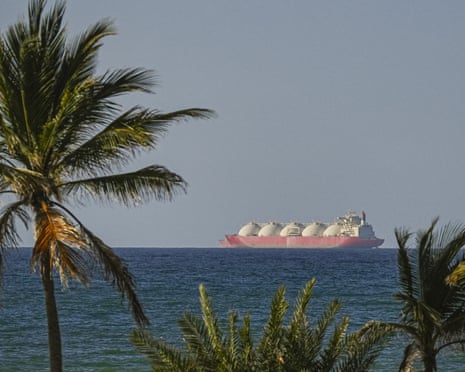

Strait of Hormuz Shipping Risks Surge | Cross-Border Sellers Face 8-15% Logistics Cost Increases
- Two-week cease-fire leaves Iran controlling critical waterway; insurance premiums and delivery delays threaten sellers shipping Asian electronics, textiles, and energy-dependent products

























Overview
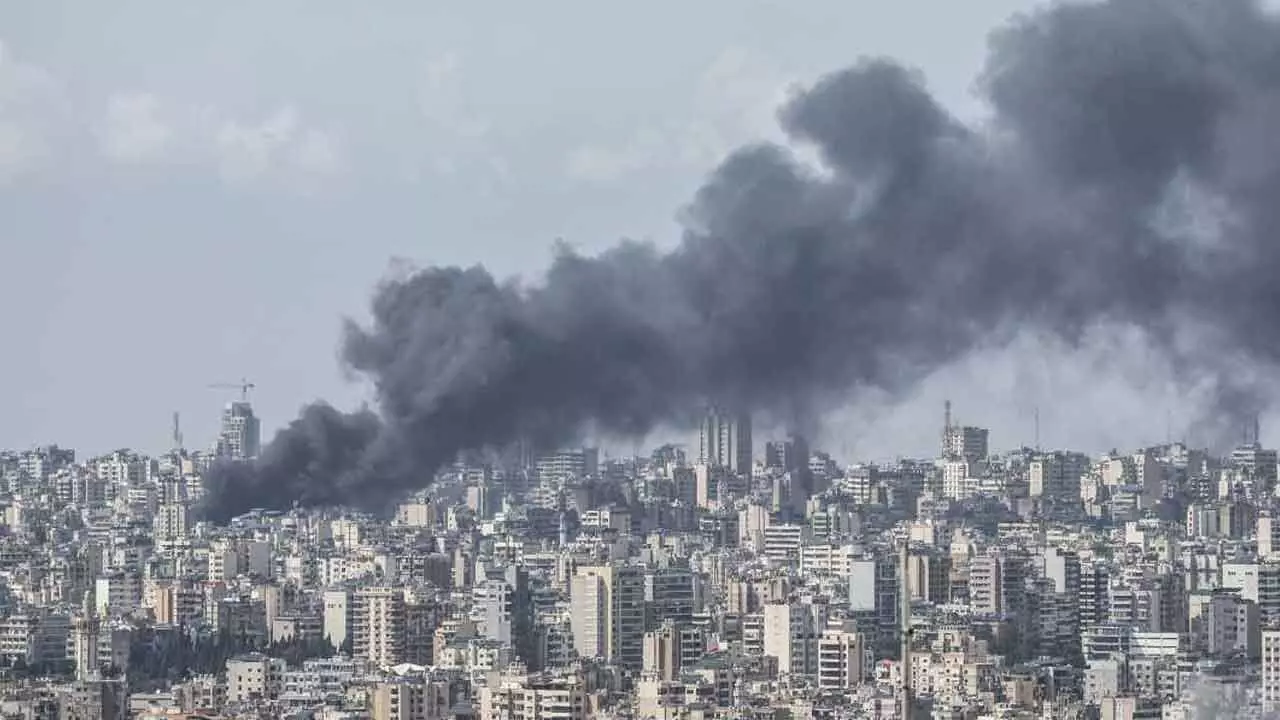
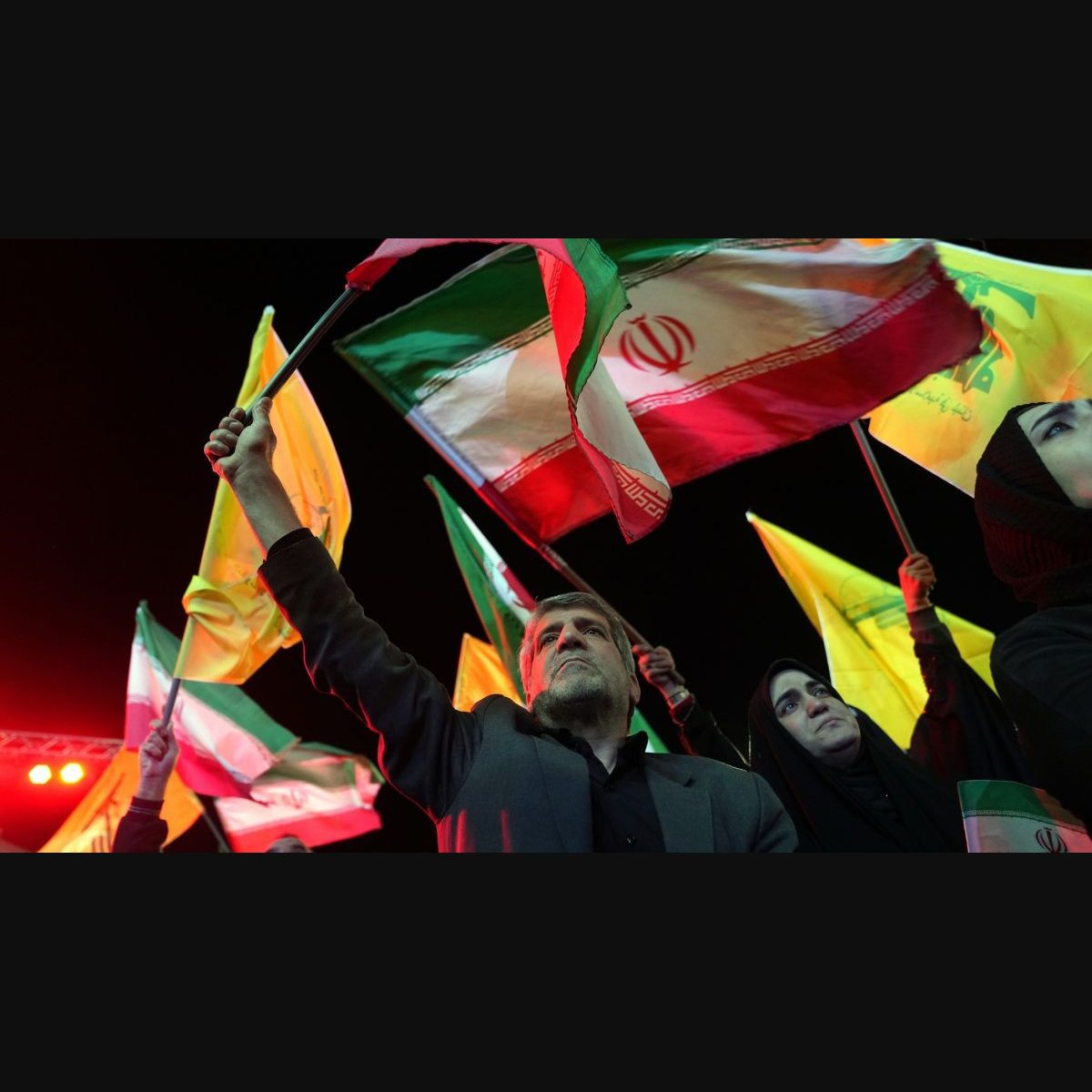
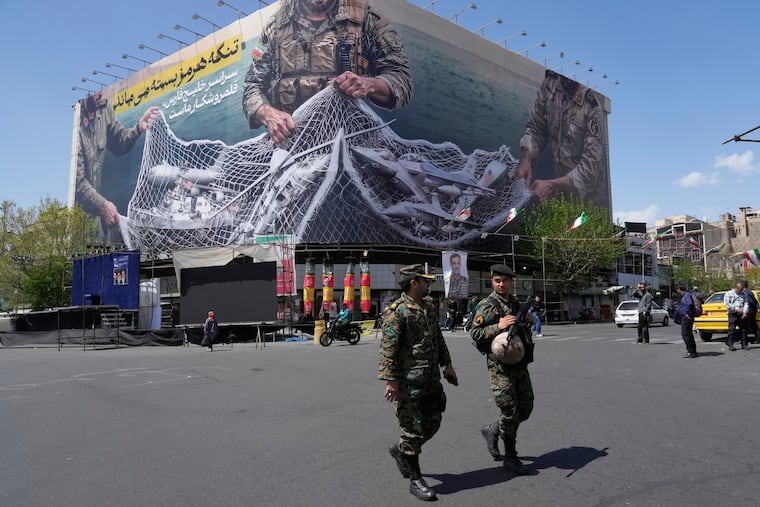
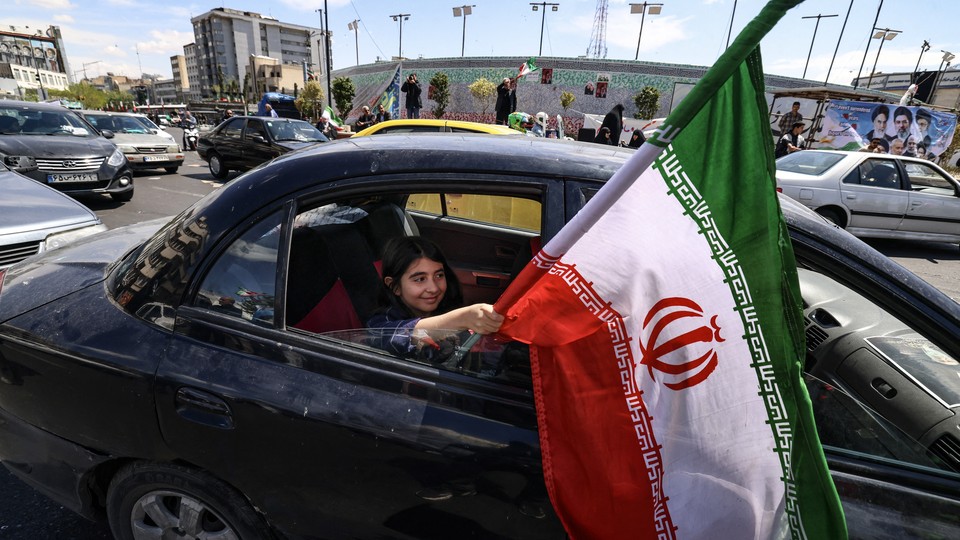
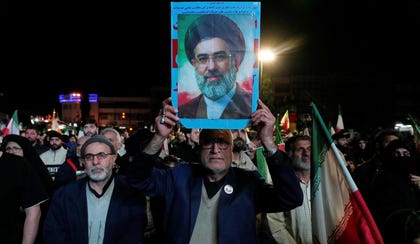
The April 9, 2026 cease-fire between the U.S., Israel, and Iran creates a critical supply chain vulnerability for cross-border e-commerce sellers. Iran maintains control of the Strait of Hormuz, the world's most strategically important shipping chokepoint through which 21% of global petroleum and 30% of liquefied natural gas transits annually. The New York Times reports this outcome represents a significant geopolitical shift, with experts characterizing it as a "military defeat more serious than Iraq or Afghanistan." For e-commerce sellers, this translates directly into operational cost increases and delivery timeline extensions.
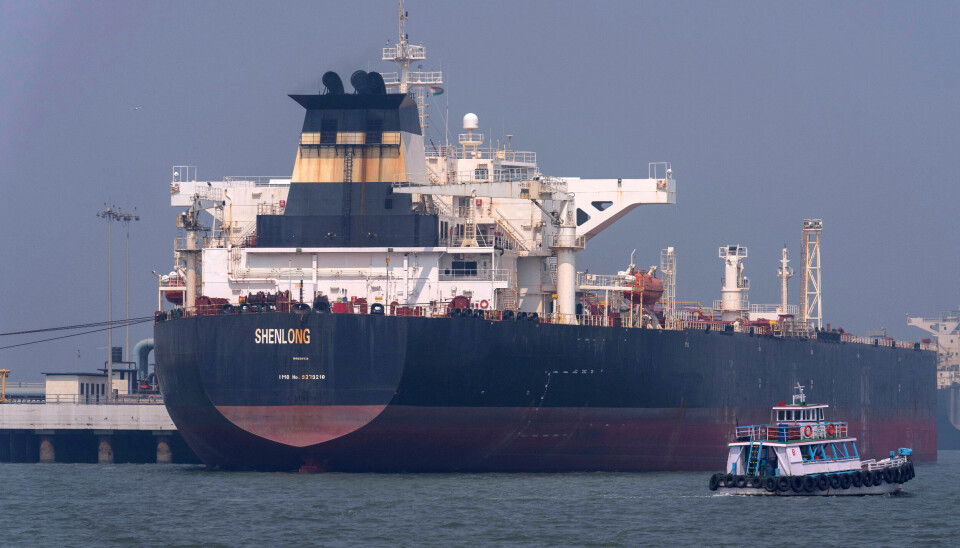
Immediate logistics impact: Sellers sourcing electronics, textiles, and machinery from Asia face 8-15% increases in shipping insurance premiums due to heightened Strait of Hormuz transit risks. The tenuous cease-fire leaves unresolved Iran's nuclear stockpile and ballistic missile program, creating ongoing instability that shipping insurers price into coverage. Sellers relying on 3PL providers shipping through the Persian Gulf corridor—particularly those serving Middle Eastern markets or importing from Vietnam, India, and China—experience extended delivery windows of 5-10 additional days as vessels take alternative routing or reduce transit speeds for safety.
Market access complications: The cease-fire's fragility undermines the predictability that international commerce requires. American credibility decline, as analyzed by diplomatic correspondent Steven Erlanger, signals reduced U.S. capacity to guarantee freedom of navigation. This creates uncertainty for sellers planning inventory purchases from Asian suppliers, as supply chain disruption risks increase. Sellers in energy-dependent categories (electronics, appliances, automotive parts) face compounding cost pressures: higher shipping insurance + potential energy price volatility from reduced Middle East stability + longer fulfillment times that compress margins.
Competitive advantage shifts: Large sellers with established 3PL networks and diversified sourcing can absorb 8-12% cost increases through volume negotiations. Small and medium sellers (1,000-10,000 monthly units) lack negotiating power and face margin compression of 3-6% on products with <20% gross margins. Sellers can mitigate by: (1) shifting sourcing to nearshoring (Mexico, Central America for US sellers; Eastern Europe for EU sellers), (2) increasing inventory buffers to offset delivery delays, (3) adjusting pricing on categories with inelastic demand, and (4) diversifying away from Asian manufacturing for time-sensitive categories.
Questions 8
What competitive advantages do large sellers have over small sellers?
Large sellers with established 3PL networks and diversified sourcing can negotiate 8-12% cost reductions through volume leverage, effectively absorbing shipping insurance increases. Small and medium sellers (1,000-10,000 monthly units) lack this negotiating power and face margin compression of 3-6%. Large sellers can also spread nearshoring investments across multiple product categories, while small sellers must choose between Asia and nearshoring. The cost structure advantage widens during supply chain disruptions. Small sellers should: (1) join seller cooperatives to aggregate shipping volume, (2) focus on high-margin categories (>25% gross margin) that sustain cost increases, (3) invest in inventory management software to optimize stock levels and reduce carrying costs, (4) consider private label products with differentiation that justifies premium pricing.
What immediate actions should I take to mitigate Strait of Hormuz risks?
Immediate actions (0-30 days): (1) Request alternative routing quotes from your 3PL provider and compare costs for Africa-route versus Strait of Hormuz transit; (2) Audit your supplier concentration—identify which products source from Asia and calculate exposure; (3) Increase inventory safety stock by 15-20% for Asia-sourced products to buffer against delivery delays; (4) Review your pricing strategy and identify products where 5-8% price increases are feasible without demand destruction. Strategic adjustments (1-6 months): (1) Evaluate nearshoring suppliers in Mexico/Central America for top 20% of SKUs by volume; (2) Negotiate longer payment terms with suppliers to improve cash flow; (3) Diversify your 3PL provider relationships to reduce single-provider risk. Monitor the cease-fire status weekly—if it deteriorates, shipping costs could spike 20-30% within days.