



Critical Infrastructure Security Threats Impact Cross-Border E-Commerce Connectivity and Logistics
- NATO escalates undersea cable protection amid geopolitical tensions; sellers face potential connectivity disruptions and supply chain delays in UK-EU trade corridors





)











Overview
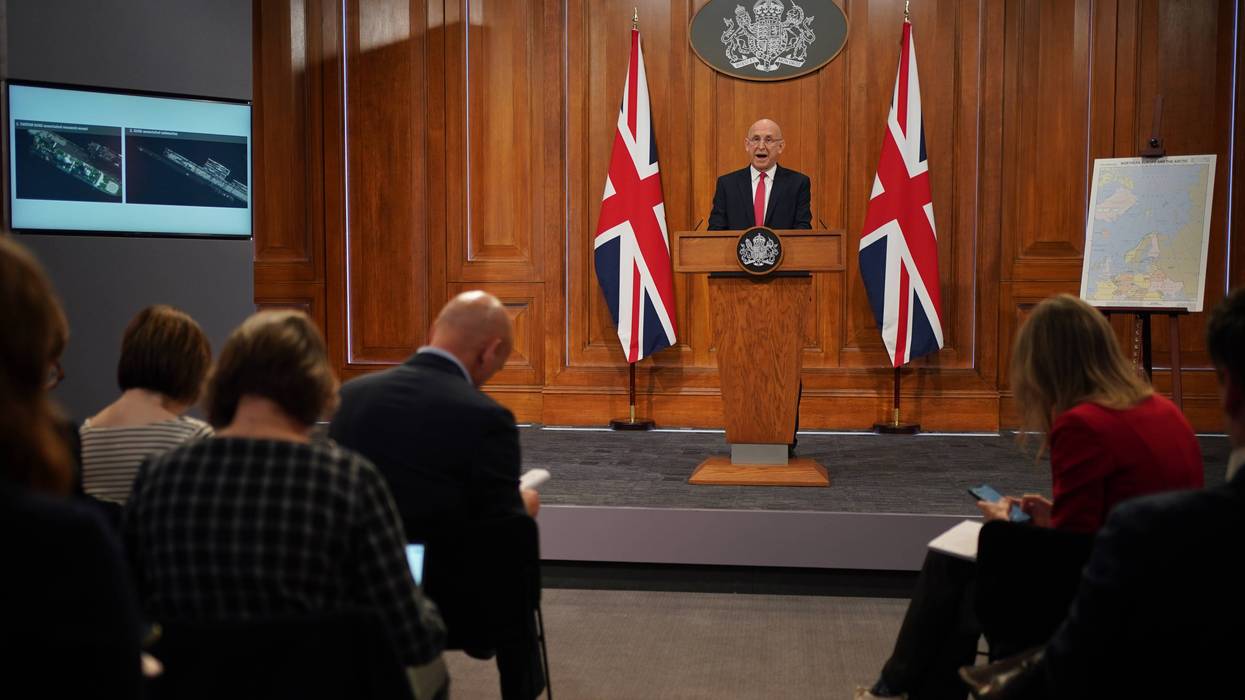
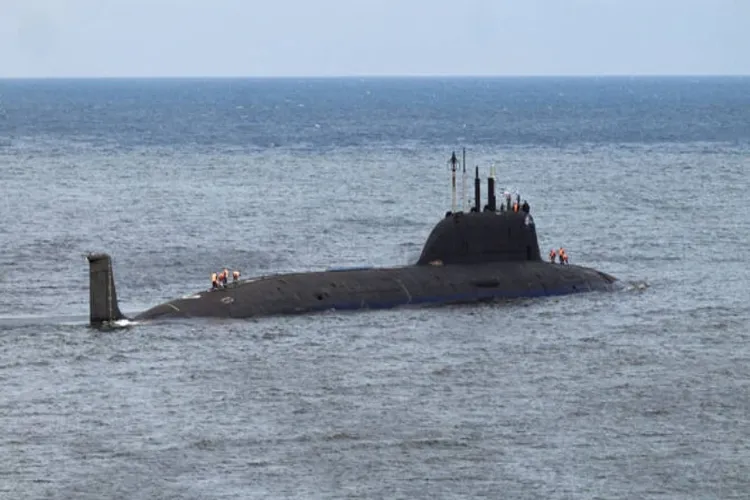
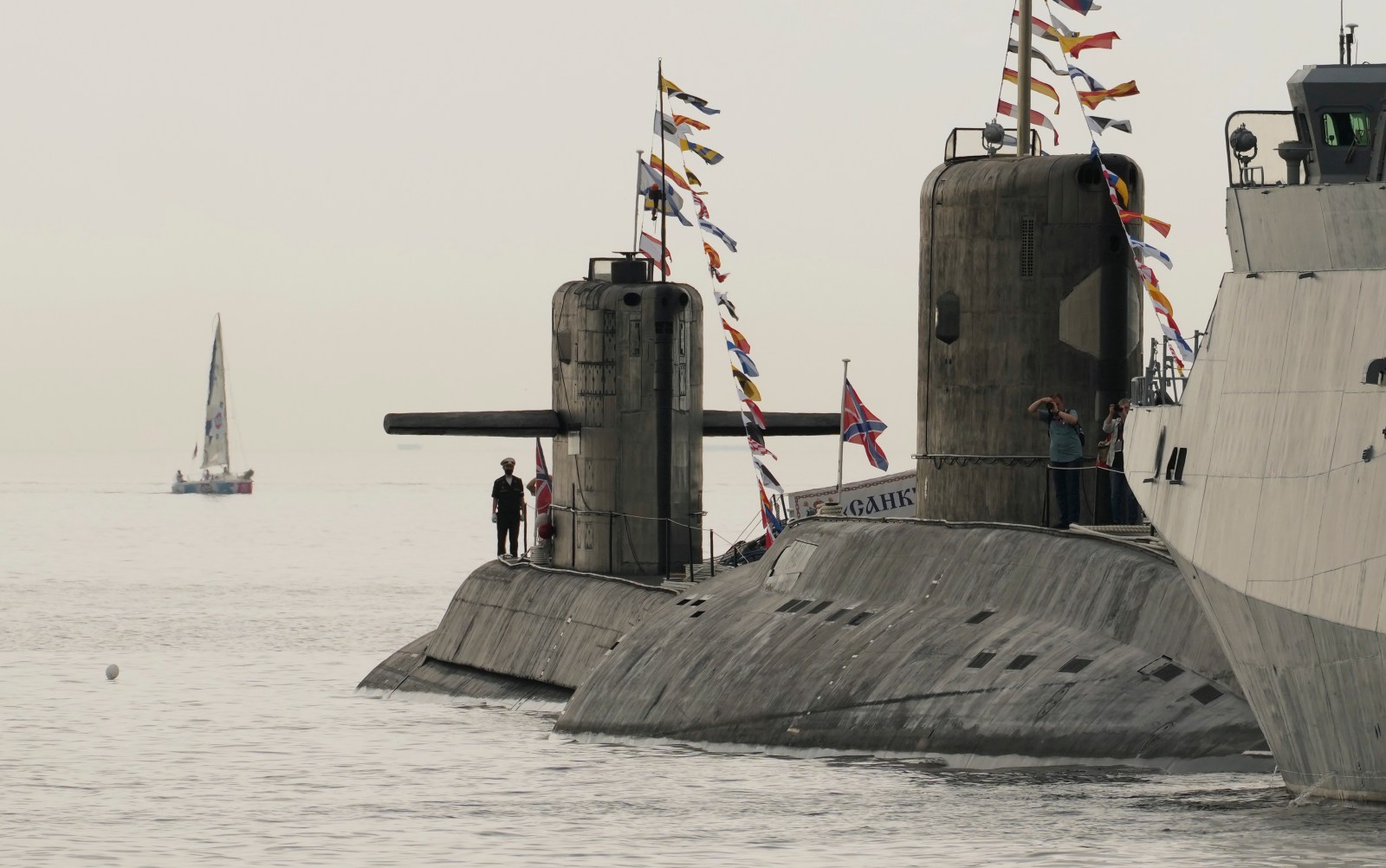
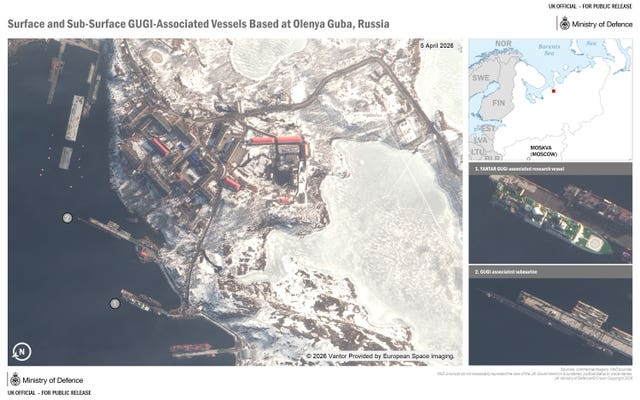
On April 9, 2026, UK Defence Secretary John Healey announced a month-long military operation deterring Russian submarines from surveying undersea cables and pipelines in British waters and the Exclusive Economic Zone. The operation involved tracking an Akula-class attack submarine and two Russian deep-sea research vessels (GUGI-class), with the UK deploying a frigate, support tanker, and maritime patrol aircraft alongside Norwegian naval assets. While no infrastructure damage occurred, this incident reveals critical vulnerabilities in the transatlantic digital infrastructure that underpins cross-border e-commerce operations.
The Infrastructure Dependency Reality: Undersea cables carry approximately 99% of intercontinental data traffic, including real-time inventory synchronization, payment processing, and customer communications for cross-border sellers. The UK-EU trade corridor alone depends on 15+ major submarine cable systems connecting London, Amsterdam, and Frankfurt data centers. A single cable disruption can reduce bandwidth capacity by 25-40%, causing 2-4 hour latencies for sellers managing inventory across multiple marketplaces (Amazon, eBay, Shopify). The 2022 Nord Stream pipeline sabotage and subsequent cable cuts in the Baltic Sea demonstrated that infrastructure attacks are no longer theoretical—they directly impact seller operations through connectivity outages, payment processing delays, and fulfillment network disruptions.
Seller Operational Implications: UK-based sellers shipping to EU markets face heightened logistics uncertainty. The military escalation signals NATO's acknowledgment that critical infrastructure is now a contested domain. Sellers relying on just-in-time inventory management between UK warehouses and EU 3PL providers face potential 24-48 hour delays if cable damage occurs. Additionally, increased naval presence in the North Atlantic may affect shipping routes and port operations, particularly for sellers using UK ports (Southampton, Felixstowe) for cross-border fulfillment. Insurance costs for maritime logistics are likely to increase 5-8% as underwriters price in geopolitical risk premiums.
Strategic Market Positioning: This geopolitical tension creates opportunities for sellers to diversify infrastructure dependencies. Sellers currently reliant on single-region fulfillment should consider multi-region FBA strategies or 3PL providers with redundant data center connections. The incident also signals growing demand for cybersecurity and infrastructure resilience products—sellers in VPN services, backup power systems, and network monitoring tools can expect increased B2B buyer interest from logistics companies and data center operators. UK sellers should monitor government procurement announcements for infrastructure hardening contracts, which typically generate 15-20% growth in related product categories.
Questions 7
What product categories benefit from increased NATO infrastructure security spending?
The UK government's heightened focus on critical infrastructure protection creates B2B opportunities in cybersecurity, network resilience, and backup power systems. Sellers offering VPN services, network monitoring software, uninterruptible power supplies (UPS), and data backup solutions can expect 15-20% increased demand from logistics companies, data center operators, and port authorities. Additionally, government procurement contracts for infrastructure hardening typically generate 6-12 month sales cycles with 20-30% margins. Sellers should monitor UK government procurement portals (Contracts Finder) and EU Tenders Electronic Daily (TED) for infrastructure security contracts. Categories like industrial networking equipment, cybersecurity appliances, and backup power systems are positioned for 25-40% growth in 2026-2027 as NATO allies invest in infrastructure resilience.
How should sellers adjust inventory planning for potential UK-EU supply chain disruptions?
Implement a 15-20% safety stock buffer for fast-moving SKUs in UK-EU trade corridors, increasing from typical 10% buffers. The April 2026 operation signals that 24-48 hour connectivity disruptions are plausible, which can cascade into 3-5 day fulfillment delays if inventory visibility is lost. For sellers with $1M+ annual UK-EU revenue, consider implementing dual-sourcing strategies where 40-50% of inventory is sourced from EU suppliers to reduce dependency on UK-EU logistics corridors. Additionally, establish communication protocols with your 3PL providers to ensure manual order processing capability during cable outages. Review your inventory forecasting models to account for 2-3 unplanned disruption days per quarter, and adjust safety stock calculations accordingly. This approach increases carrying costs by 3-5% but prevents stockouts and customer service failures during infrastructure incidents.