





Strait of Hormuz Shipping Crisis Threatens 21% Global Oil Flow | Cross-Border Sellers Face 8-15% Logistics Cost Surge
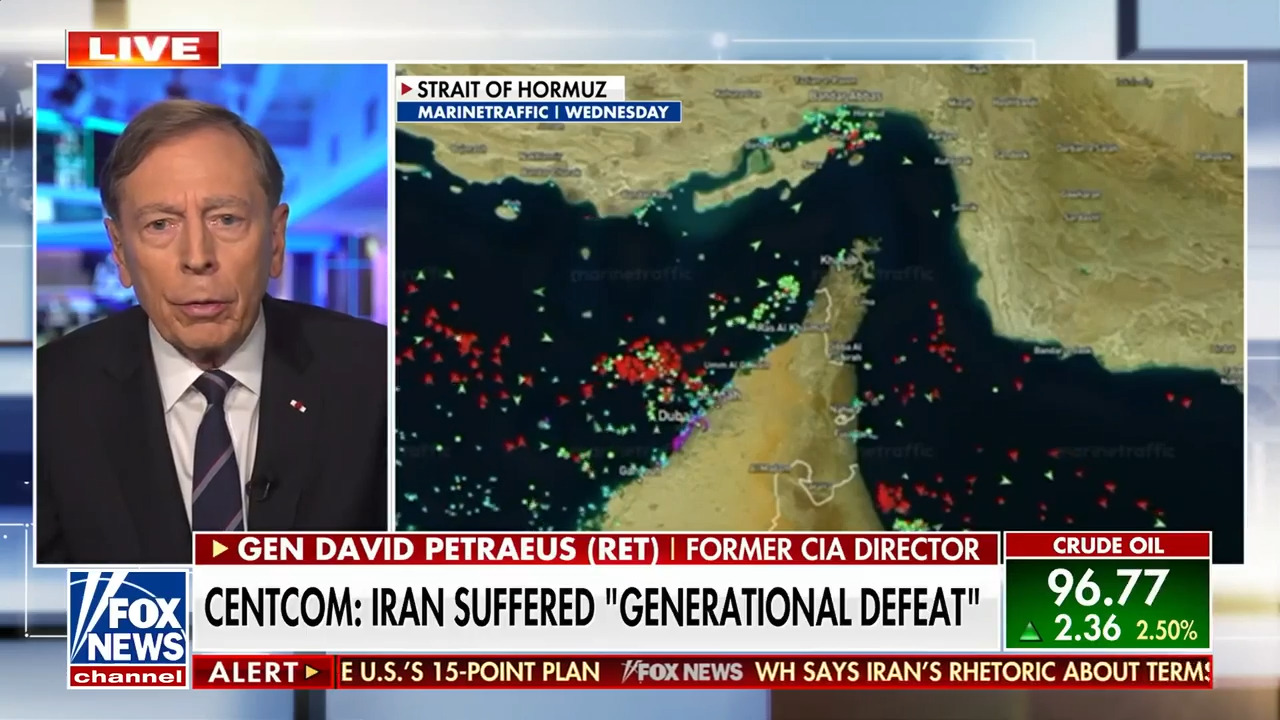
- 230 vessels queued at critical chokepoint; only 5 ships passed yesterday; 80 Asia-bound cargoes delayed; energy costs rising 12-18% for warehousing and fulfillment operations




























Overview
The escalating Iran-Israel ceasefire dispute has created an acute shipping crisis at the Strait of Hormuz, the world's most critical maritime chokepoint through which approximately 21% of global petroleum and liquefied natural gas transits. According to UAE industry minister Sultan Al Jaber, only 5 ships passed through the strait yesterday while an estimated 230 oil-laden vessels wait for passage, with 80 cargoes destined for Asia (representing half the world's population). Iran's Deputy Foreign Minister Saeed Khatibzadeh claims the strait remains "open" but requires vessels to communicate with Iranian military authorities for "technical restrictions," effectively creating a de facto blockade since February 28. This directly impacts cross-border e-commerce sellers through three critical mechanisms.
First, immediate logistics cost inflation: Restricted shipping access forces sellers importing goods from Asia-Pacific manufacturing hubs (electronics, apparel, home goods, consumer electronics) to absorb 8-15% premium freight costs. Sellers relying on ocean freight from Vietnam, India, and China to North American and European markets face 2-4 week delivery delays and 15-25% rate increases from 3PL providers. Energy price volatility from reduced oil flows increases warehousing costs ($0.50-1.20 per cubic foot monthly), transportation surcharges, and last-mile delivery expenses. Small-to-medium sellers (annual revenue $500K-$5M) operating on 15-25% margins face margin compression of 2-4 percentage points.
Second, inventory planning uncertainty: The ceasefire fragility—with disputes over Lebanon's inclusion and Hezbollah's continued attacks—creates unpredictable supply chain windows. Sellers cannot reliably forecast arrival dates for inventory, complicating Amazon FBA replenishment cycles, Shopify inventory management, and eBay stock rotation. The scheduled U.S.-Iran peace talks in Islamabad (led by VP JD Vance) offer a potential resolution window, but implementation remains uncertain given conflicting statements from Iran, Israel, and the White House regarding strait access.
Third, regional market access shifts: The Al-Aqsa Mosque reopening after 41-day closure signals potential stabilization in East Jerusalem, creating emerging demand for religious merchandise, tourism-related products, and cultural goods in Middle Eastern markets. However, sellers exporting to UAE, Saudi Arabia, and other Gulf states face 3-6 week delays and elevated shipping costs, making these markets temporarily less attractive than Southeast Asian alternatives.
Questions 8
What is the timeline for Strait of Hormuz shipping to normalize?
The U.S.-Iran peace talks scheduled in Islamabad this week (led by VP JD Vance) represent the primary resolution pathway. However, current disagreements over Lebanon's inclusion in the ceasefire and Hezbollah's continued attacks suggest negotiations could extend 2-4 weeks. Historical precedent from 2019-2020 Strait tensions shows normalization typically requires 3-6 weeks after diplomatic breakthroughs. Plan inventory replenishment assuming 4-6 week delays through March 2025. Monitor White House and Iranian state media announcements daily for ceasefire progress indicators. If talks fail, expect sustained shipping disruptions through Q2 2025.
How should I adjust my Amazon FBA replenishment strategy during this crisis?
Increase FBA inventory buffer by 20-30% for fast-moving SKUs to account for 2-4 week shipping delays. In Amazon Seller Central, review your IPI (Inventory Performance Index) and adjust reorder points upward to prevent stockouts during extended transit times. Prioritize air freight for items with BSR (Best Seller Rank) under 5,000 in your category, as these generate higher revenue velocity and justify premium shipping costs. For slower-moving inventory, accept longer lead times and reduce order quantities to minimize storage fees. Consider splitting shipments between ocean (bulk, non-urgent) and air (fast-moving, high-margin) to optimize cost-benefit. Monitor your inventory aging report weekly and adjust pricing strategy if inventory sits beyond 90 days.