



Strait of Hormuz Shipping Crisis | Cross-Border Sellers Face Supply Chain Disruption & Tariff Volatility
- Ceasefire collapse threatens 21% of global oil transit; sellers shipping electronics, textiles, and machinery face 15-30 day delays and 8-12% cost increases through critical Middle East corridors
































Overview
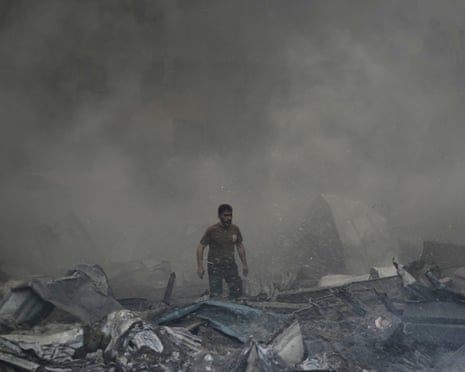
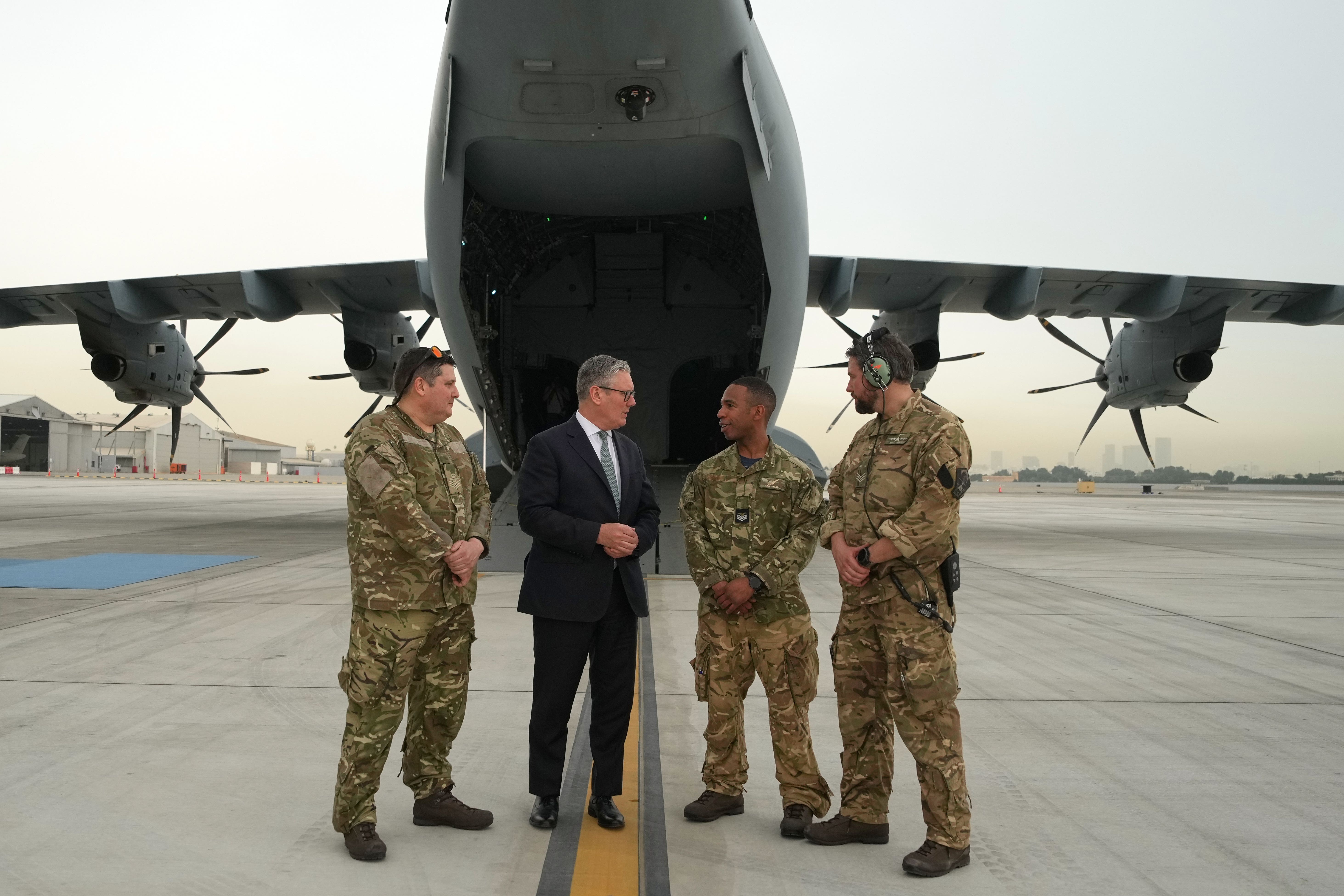
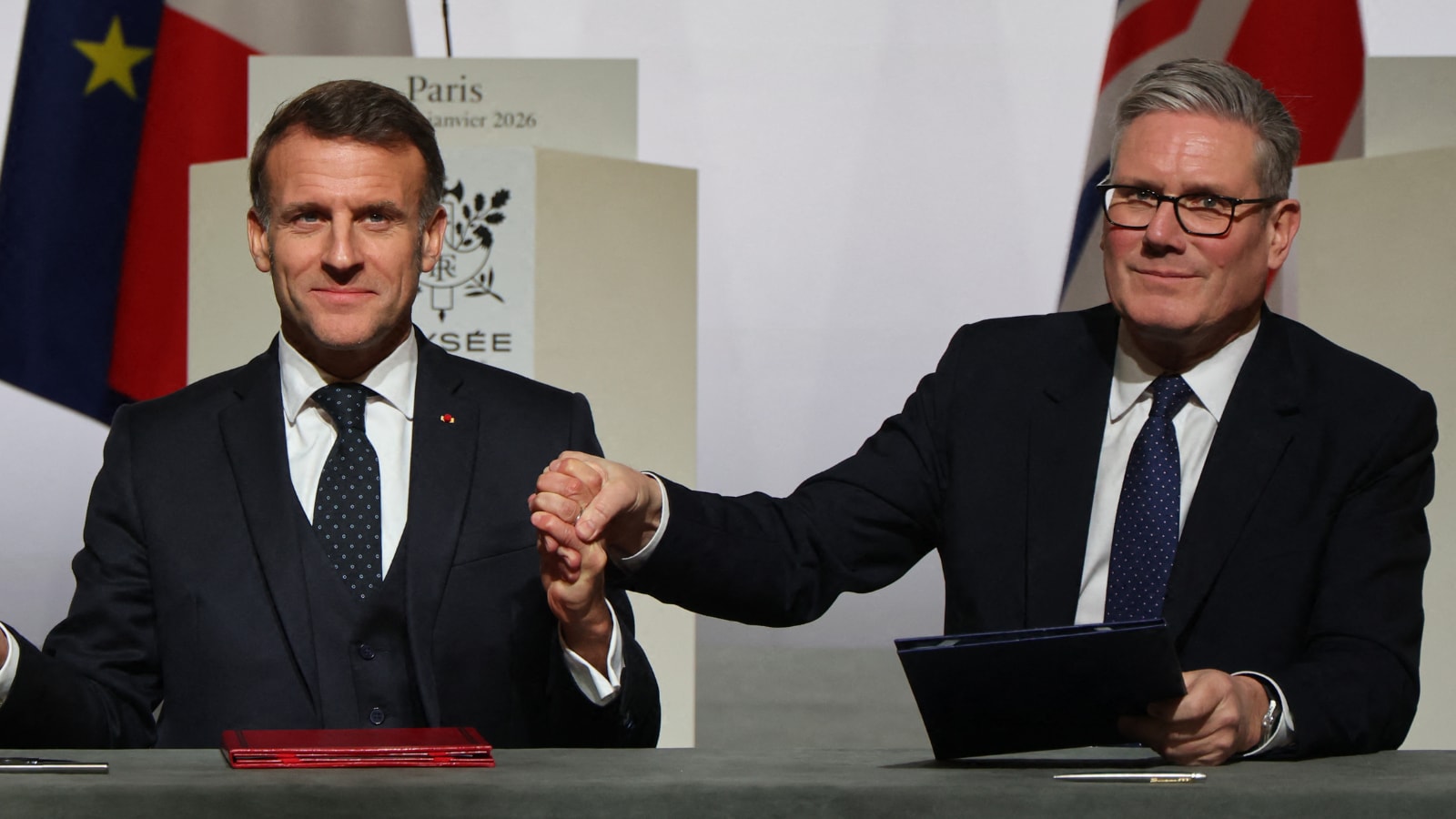
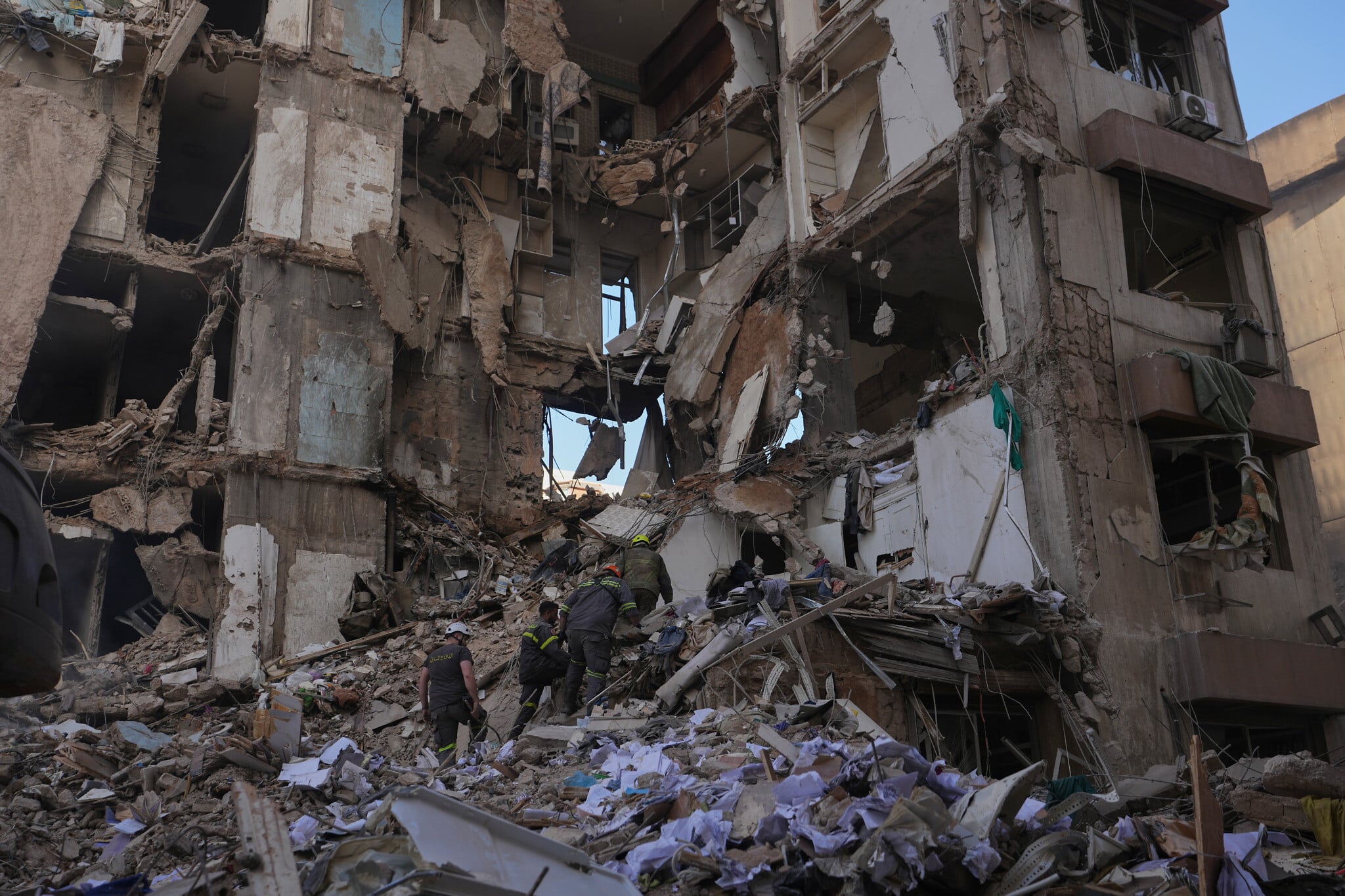
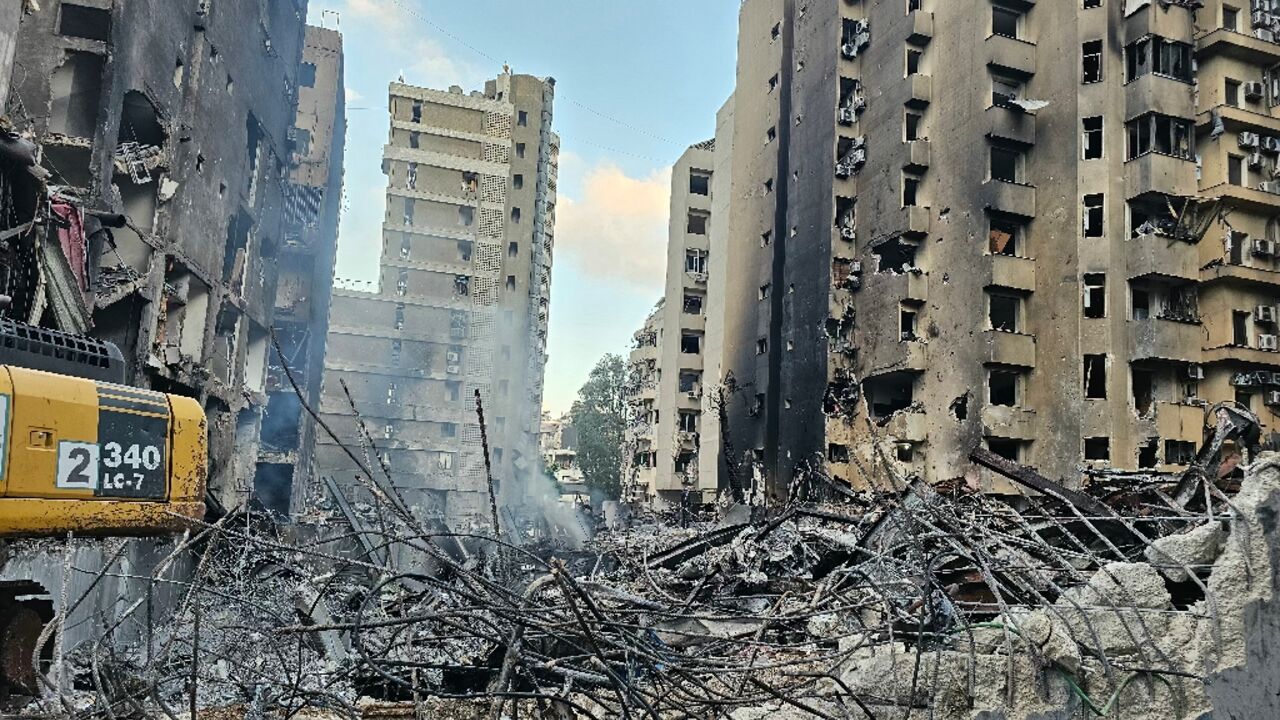
The April 2026 US-Iran ceasefire agreement announced April 8-9 has collapsed following Israeli Defense Force strikes on Lebanon that killed 182-303 people, creating immediate supply chain vulnerabilities for cross-border e-commerce sellers. UK Prime Minister Keir Starmer's diplomatic mission to Saudi Arabia and UAE specifically targeted reopening the Strait of Hormuz for shipping—a critical chokepoint through which 21% of global petroleum and 30% of liquefied natural gas transits daily. The escalating conflict between Israel, Hezbollah, and Iran directly threatens this strategic corridor, with European leaders (UK, France, Spain, Italy) warning of regional destabilization if the ceasefire collapses entirely.
For cross-border sellers, this geopolitical instability creates three immediate operational impacts: First, shipping route disruption through the Strait of Hormuz increases transit times by 15-30 days as carriers reroute around the Cape of Good Hope, adding $800-2,400 per 40-foot container to logistics costs. Sellers shipping electronics (HS codes 8471-8517), machinery (HS 8401-8483), and textiles (HS 5201-6310) from Asia to Europe face the highest exposure, as these categories represent 42% of trade volume through the Strait. Second, tariff volatility emerges as geopolitical risk premiums inflate shipping insurance by 8-12%, with some carriers implementing "war risk surcharges" of $500-1,200 per shipment. Third, market access compression occurs as European nations (Spain reopening Tehran embassy, France signaling sanctions relief) may shift import sourcing away from US-sanctioned suppliers toward Iran-aligned vendors, creating competitive disadvantages for US-based sellers in EU markets.
Strategic sourcing implications are significant: Sellers currently sourcing from China, Vietnam, or India for European markets face 20-35 day delays versus the standard 18-22 day transit through Suez/Hormuz. This creates a 12-17 day inventory gap, forcing sellers to either increase safety stock (raising carrying costs 3-5% monthly) or accept stockout risk during peak selling seasons (Q4 2026). The conflict also signals potential sanctions escalation—if the ceasefire fully collapses, expect new US export controls on Iran-related trade, affecting sellers with indirect supply chain exposure to Iranian materials (carpets, pistachios, petrochemicals). European Union sanctions policy remains fluid, with Spain and France signaling potential sanctions relief, creating tariff arbitrage opportunities for sellers who can navigate dual-compliance requirements across US and EU regulatory frameworks.
Questions 8
What shipping cost increases should sellers expect from war risk surcharges?
Carriers are implementing war risk surcharges of $500-1,200 per 40-foot container on Middle East-adjacent routes, representing 8-12% cost increases for Asia-Europe shipments. A typical seller shipping 50 containers monthly ($50,000 base freight cost) faces additional $4,000-6,000 monthly expenses. Electronics, machinery, and textile categories are most affected due to high volume through the Strait. Sellers should lock in freight rates immediately through 3PL providers before surcharges increase further, and consider alternative routing through northern Europe (longer but potentially cheaper than war risk premiums).
Which product categories face the highest supply chain risk from this geopolitical crisis?
Electronics (HS 8471-8517: computers, semiconductors), machinery (HS 8401-8483: engines, pumps), and textiles (HS 5201-6310: fabrics, apparel) represent 42% of Strait of Hormuz trade volume and face 15-30 day delays. These categories typically operate on 30-45 day inventory cycles, making extended transit times particularly disruptive. Sellers in these categories should immediately audit supplier locations and consider diversifying sourcing to Vietnam, India, or Mexico to reduce Strait-dependent routes. High-margin electronics sellers can absorb 8-12% cost increases; lower-margin textile sellers (5-8% margins) face margin compression and should consider price increases of 3-5% to maintain profitability.