


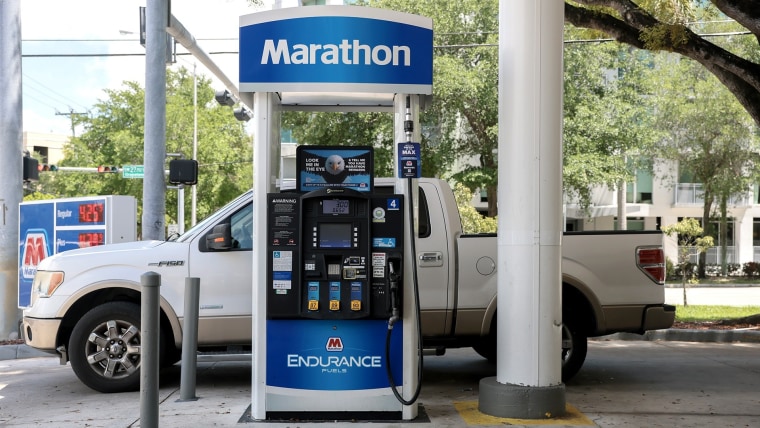

US-Iran Ceasefire Volatility Drives Oil Price Surge | Critical Logistics Cost Impact for E-Commerce Sellers
- Rising energy costs compress 8-15% profit margins for air freight shippers; fragile geopolitical stability threatens supply chain predictability through 2026















Overview
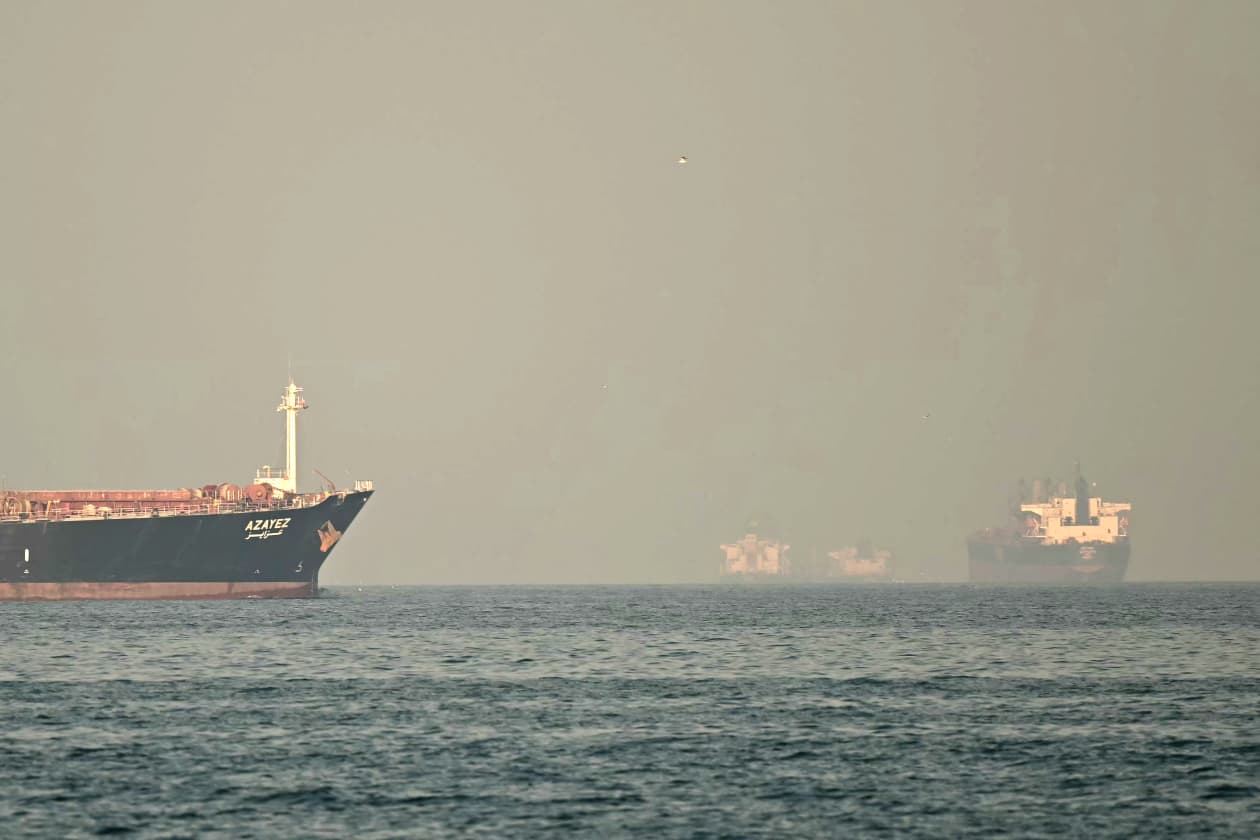
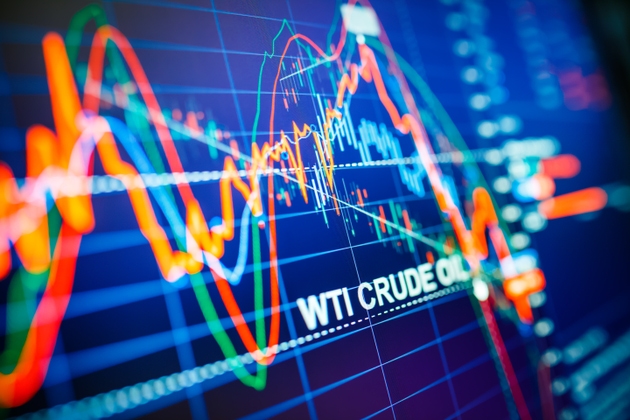
The April 2026 US-Iran ceasefire announcement created a paradoxical market dynamic: while equity indices rebounded on geopolitical de-escalation, crude oil prices continued climbing despite expectations for energy market stabilization. This counterintuitive movement reflects market uncertainty about the ceasefire's durability, with NBC reporting that new Middle East strikes could rapidly destabilize the agreement. For cross-border e-commerce sellers, this energy volatility translates directly into operational cost pressures that demand immediate strategic response.
Logistics Cost Compression Across Fulfillment Models: Rising oil prices increase shipping expenses across all fulfillment channels—Amazon FBA, 3PL networks, and direct-to-consumer logistics. Air freight costs, critical for time-sensitive shipments (electronics, perishables, seasonal goods), face the most acute pressure. Delta Airlines' $10 checked baggage fee increase explicitly attributed to fuel costs signals broader carrier pricing adjustments. For sellers shipping via air freight, cost increases of 8-15% are realistic within 30-60 days. Ground shipping through UPS, FedEx, and DHL will follow with 3-6% increases as fuel surcharges adjust. International sellers shipping from Asia to North America face compounded pressure: a typical 40-foot container from Shanghai to Los Angeles costs $2,800-3,200 baseline; fuel surcharges could add $400-600 per shipment.
Margin Compression by Product Category and Seller Segment: Low-margin categories face existential pressure. Electronics sellers (average 15-25% margins) operating on thin 5-8% net margins will see profitability collapse if shipping costs rise 10-12%. Apparel and home goods sellers (20-30% margins) have more buffer but still face 2-4% margin compression. Sellers of heavy items (furniture, sporting goods, automotive parts) where shipping represents 15-25% of product cost face the steepest challenges. Small sellers (under $500K annual revenue) lack negotiating power with carriers and cannot absorb cost increases through volume discounts. Medium sellers ($500K-$5M) can negotiate 2-3% carrier concessions but remain exposed. Large sellers ($5M+) with dedicated logistics contracts have 60-90 day price locks, providing temporary protection.
Geopolitical Uncertainty and Supply Chain Planning: The fragile ceasefire status creates planning paralysis. Sellers cannot confidently forecast logistics costs beyond 30-45 days, complicating inventory purchasing and pricing strategies. A new escalation could spike oil to $120-140/barrel (from current ~$95-105), adding another 15-20% to shipping costs. This uncertainty particularly impacts sellers with 60-90 day lead times from Asian manufacturers—they must commit to inventory purchases without knowing final landed costs. Currency volatility compounds the problem: oil price spikes historically correlate with USD strength, making imports more expensive while simultaneously raising shipping costs.
Questions 7
How much will rising oil prices increase my Amazon FBA shipping costs?
FBA shipping costs will increase 8-15% within 60 days as fuel surcharges propagate through carrier networks. Amazon's fulfillment fees are partially indexed to fuel costs; expect $0.15-0.35 per unit increases on standard items. For sellers shipping 1,000+ units monthly, this translates to $150-350 additional monthly costs. Air freight shipments face steeper increases (12-18%) as carriers pass through fuel surcharges immediately. Monitor Amazon Seller Central's fee schedule updates weekly, as adjustments typically lag spot oil prices by 2-3 weeks. Consider shifting non-urgent inventory to ground shipping and consolidating air freight shipments to reduce frequency.
Should I lock in shipping rates now before oil prices spike further?
Yes, immediately negotiate 60-90 day rate locks with your 3PL provider or carrier if possible. Current oil prices ($95-105/barrel) could spike to $120-140 if the ceasefire breaks, adding 15-20% to shipping costs. Large sellers ($5M+ annual revenue) should prioritize securing 90-day contracts; medium sellers ($500K-5M) should target 60-day locks. Small sellers should negotiate monthly minimums to access volume discounts. Document all rate agreements in writing with fuel surcharge caps. If your carrier won't lock rates, consider switching to competitors offering price protection—this is a legitimate negotiation point given geopolitical uncertainty.