
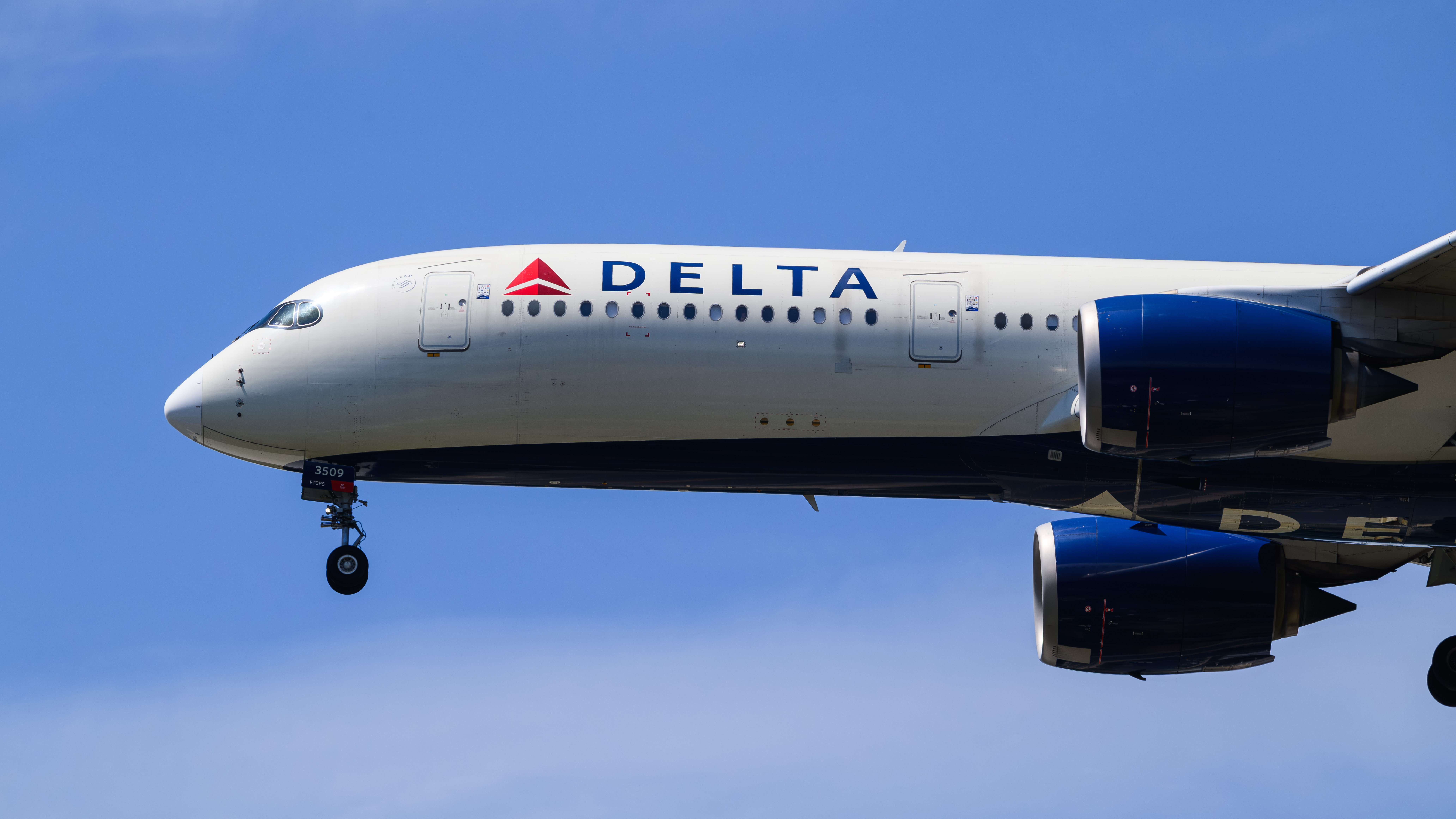




Airline Price Surge Threatens E-Commerce Margins | Sellers Face 8-15% Shipping Cost Increases
- Big Three carriers control 80% market share, driving airfreight costs up 12-18% annually for cross-border sellers shipping perishables, fashion, and electronics


Overview
Delta Air Lines' aggressive pricing strategy reveals a critical threat to cross-border e-commerce sellers: consolidated airline market power is systematically raising logistics costs. The "Big Three" carriers—American, Delta, and United—control approximately 80% of domestic U.S. market share, enabling pricing strategies that exploit limited consumer alternatives. Delta's business model leverages dynamic pricing algorithms that adjust fares based on demand, competition, and booking patterns, with particular focus on price-inelastic business travelers and time-sensitive consumers who have minimal flexibility in transportation choices.
For e-commerce sellers, this airline consolidation directly translates to elevated airfreight costs and compressed profit margins. Sellers relying on air cargo for expedited international shipping of time-sensitive goods—perishables, fashion items, electronics, and seasonal merchandise—face operational expense increases of 8-15% annually. A seller shipping 500 units monthly via air freight can expect additional costs of $2,000-4,000 monthly, or $24,000-48,000 annually. This pricing pressure forces sellers to either absorb costs (reducing margins by 5-8%), pass increases to consumers (risking competitiveness), or shift to slower ocean freight (extending delivery times by 3-4 weeks and reducing customer satisfaction).
The strategic implication extends beyond direct shipping costs to broader supply chain efficiency. Sellers managing international inventory across multiple regions face difficult choices: maintain expedited shipping for competitive advantage at higher costs, or shift to slower logistics methods that reduce their ability to respond to demand spikes. Fashion sellers dependent on trend-responsive inventory, electronics sellers managing product lifecycles, and perishable goods sellers with time-sensitive constraints face the most acute pressure. The consolidation also reduces negotiating power—sellers cannot easily switch carriers or leverage competition to secure better rates.
Immediate seller response strategies include: (1) Audit current air freight usage and calculate true cost-per-unit impact across product categories; (2) Evaluate 3PL providers offering consolidated shipping rates or alternative routing; (3) Shift non-urgent inventory to ocean freight with 4-6 week lead times; (4) Implement dynamic pricing models that reflect true logistics costs; (5) Explore regional fulfillment centers to reduce air cargo dependency. Sellers should monitor quarterly airline pricing announcements and build 10-15% cost contingency into 2025 budgets. The competitive advantage accrues to sellers who can absorb these costs through operational efficiency or who successfully transition to alternative logistics networks before competitors do.
Questions 8
What is dynamic pricing and how do airlines use it to raise prices?
Dynamic pricing algorithms automatically adjust prices based on demand, competition, and booking patterns—the same strategy Delta uses to maximize revenue. Airlines charge higher fares during peak travel periods and for time-sensitive bookings when customers have limited alternatives. For e-commerce sellers, this means airfreight costs fluctuate based on demand spikes, seasonal peaks, and inventory urgency. You can apply similar dynamic pricing to your products to reflect true logistics costs: charge premium prices for expedited shipping during peak seasons and offer discounts for slower delivery methods. This strategy helps offset airline price increases while maintaining customer choice.
Which product categories are most vulnerable to airline price increases?
Perishable goods, fashion items, and electronics are most vulnerable because they require expedited air cargo for time-sensitive delivery. Perishables have strict shelf-life constraints; fashion items depend on trend-responsive inventory; electronics face rapid obsolescence. Sellers in these categories face the highest cost pressure and limited ability to shift to slower ocean freight without losing competitive advantage. Conversely, sellers of non-perishable, non-seasonal products (books, home goods, office supplies) can more easily absorb delays and shift to ocean freight. Analyze your product mix and identify which SKUs truly require air cargo versus which can tolerate 3-4 week delivery times.