


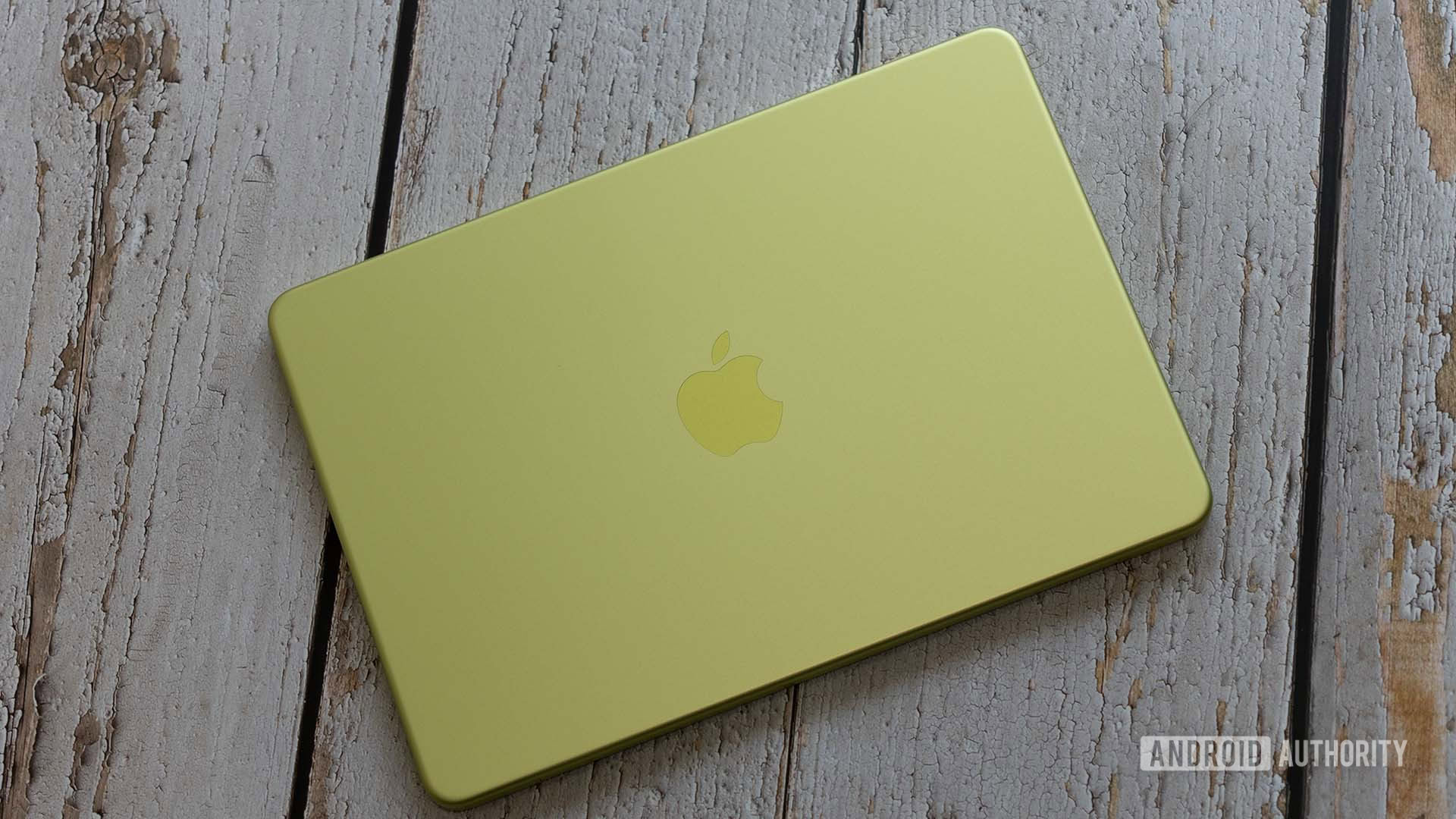

MacBook Neo Supply Crisis Creates $600 Laptop Shortage | Seller Sourcing Opportunity
- Apple's 2-3 week delivery delays signal 5-6M unit binned chip shortage; TSMC 3nm capacity sold out; sellers should source competing Windows laptops and refurbished MacBook inventory NOW before Q1 2025 shortage peaks























Overview
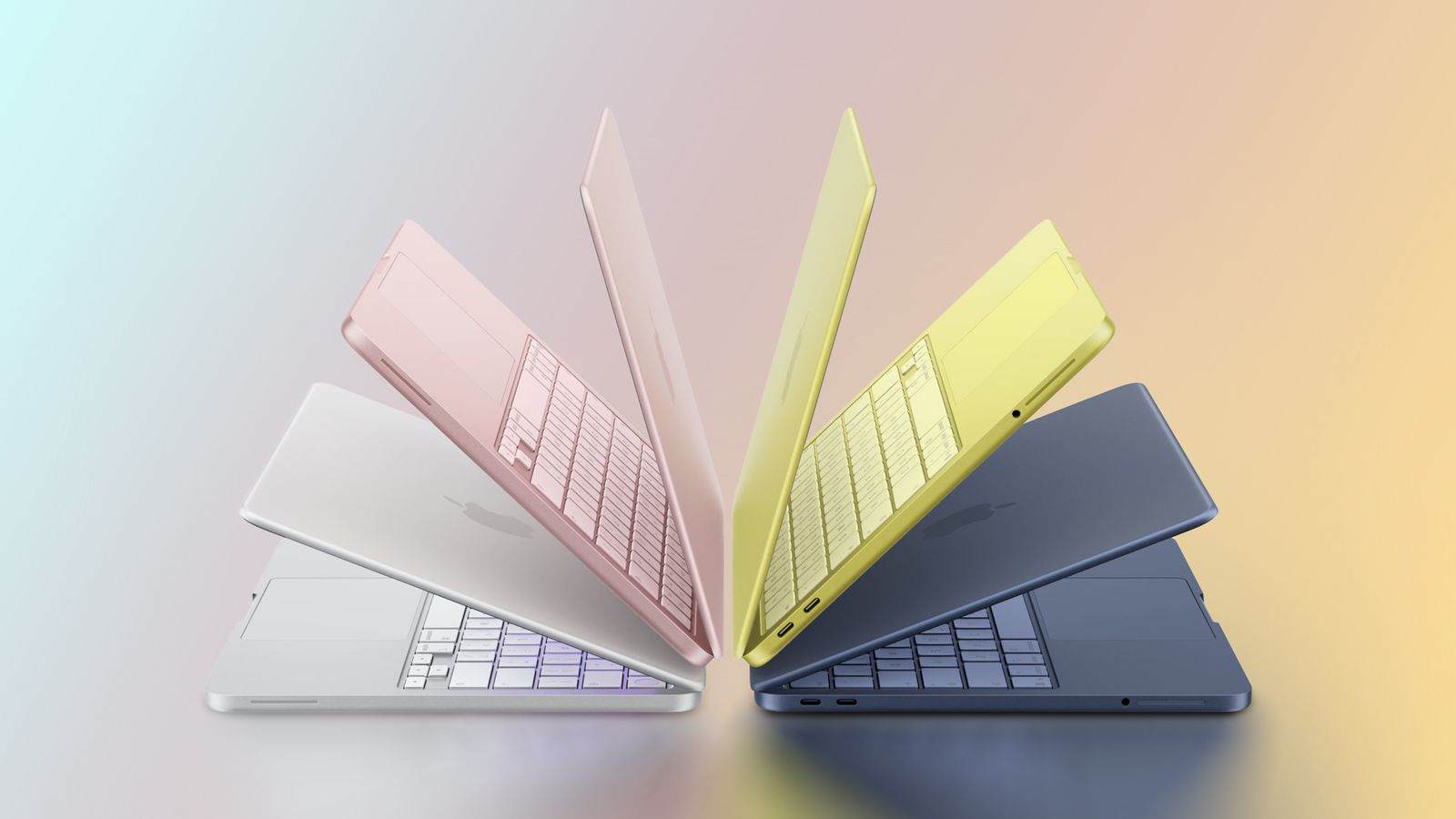
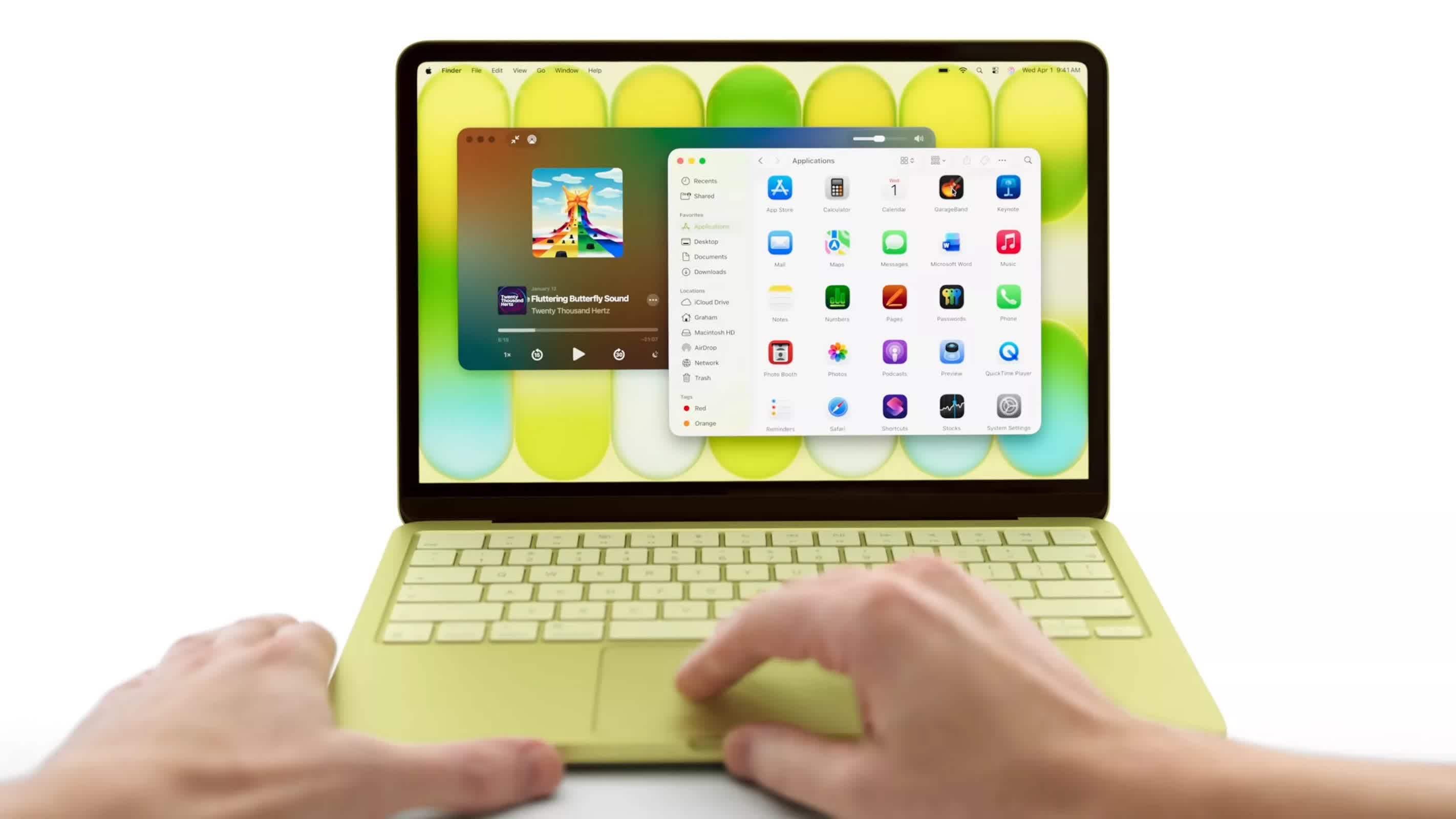
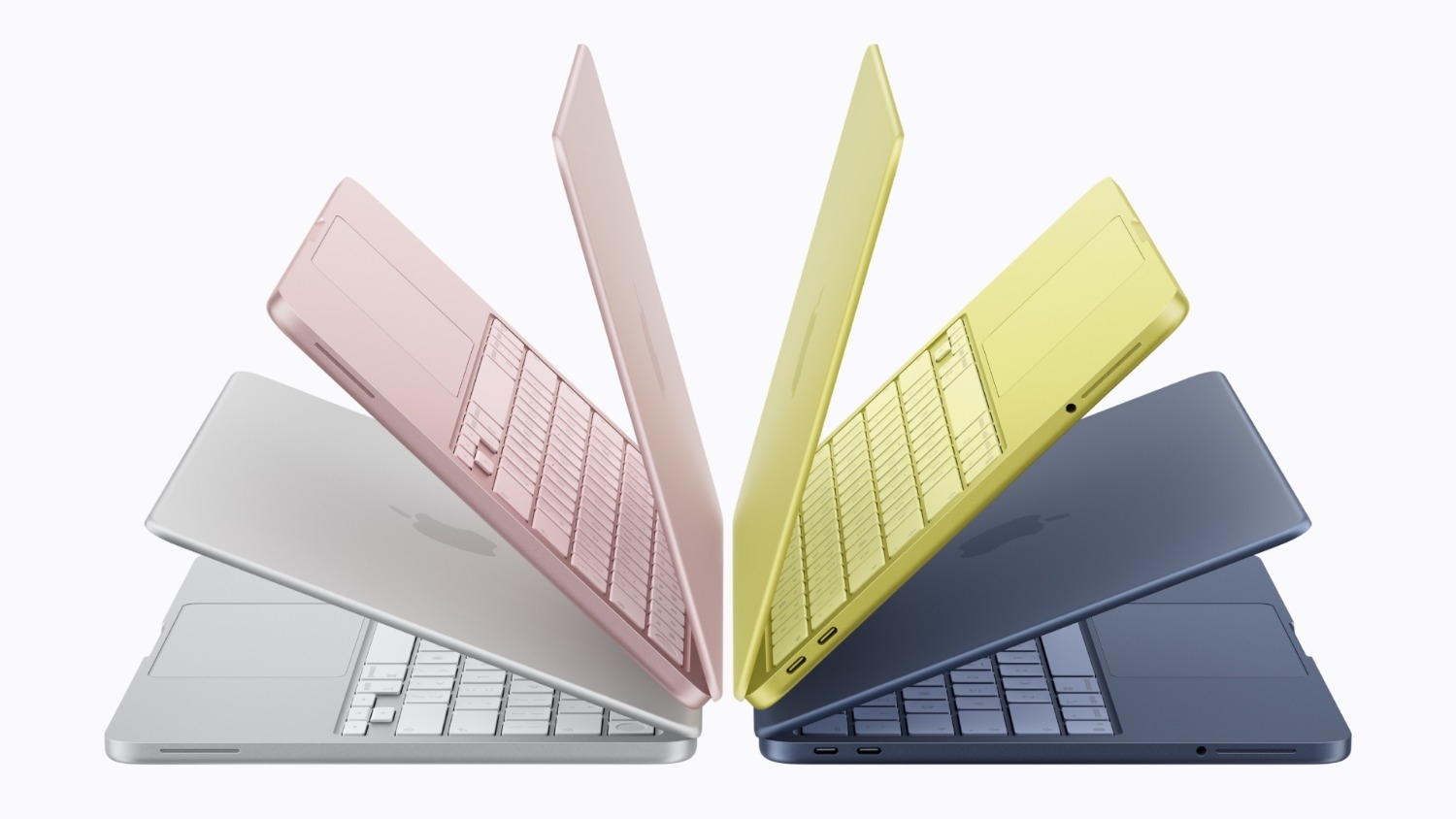
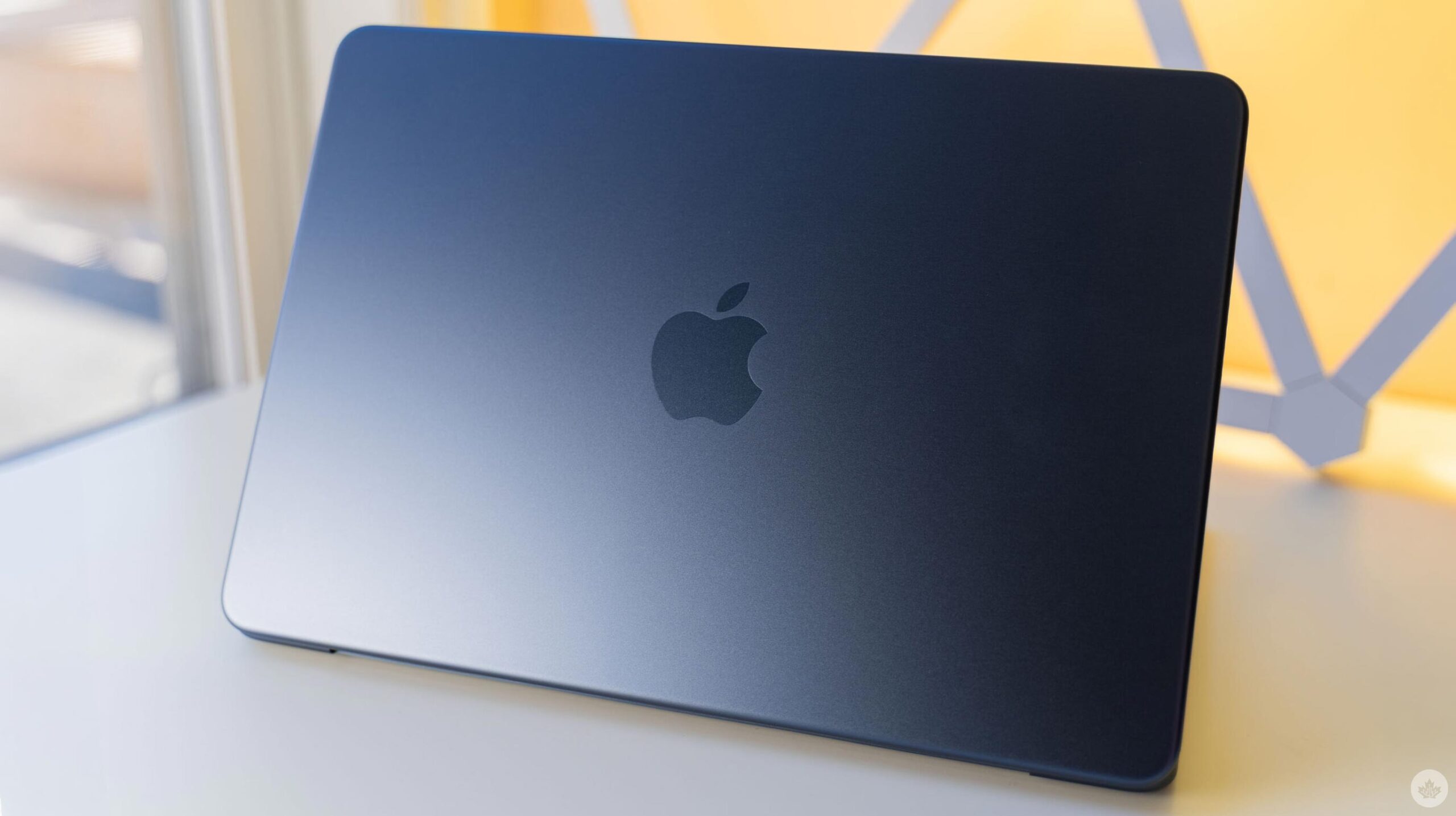
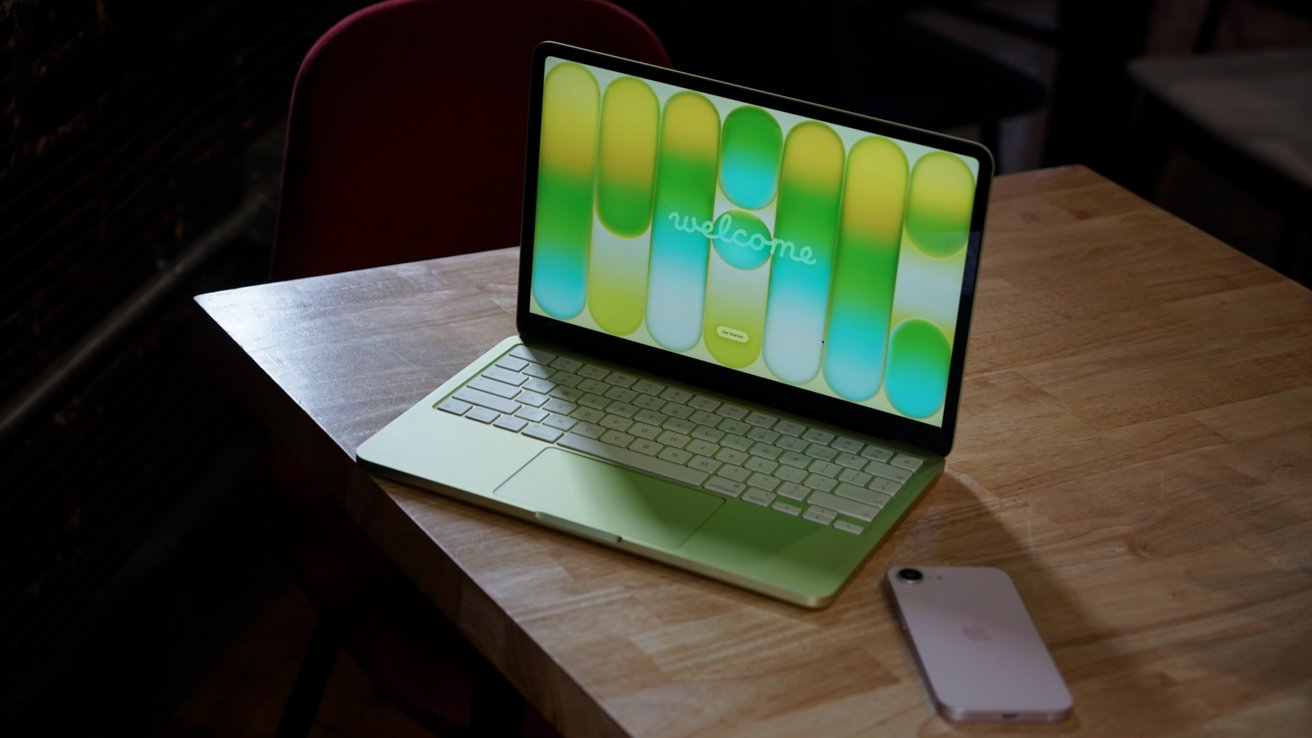
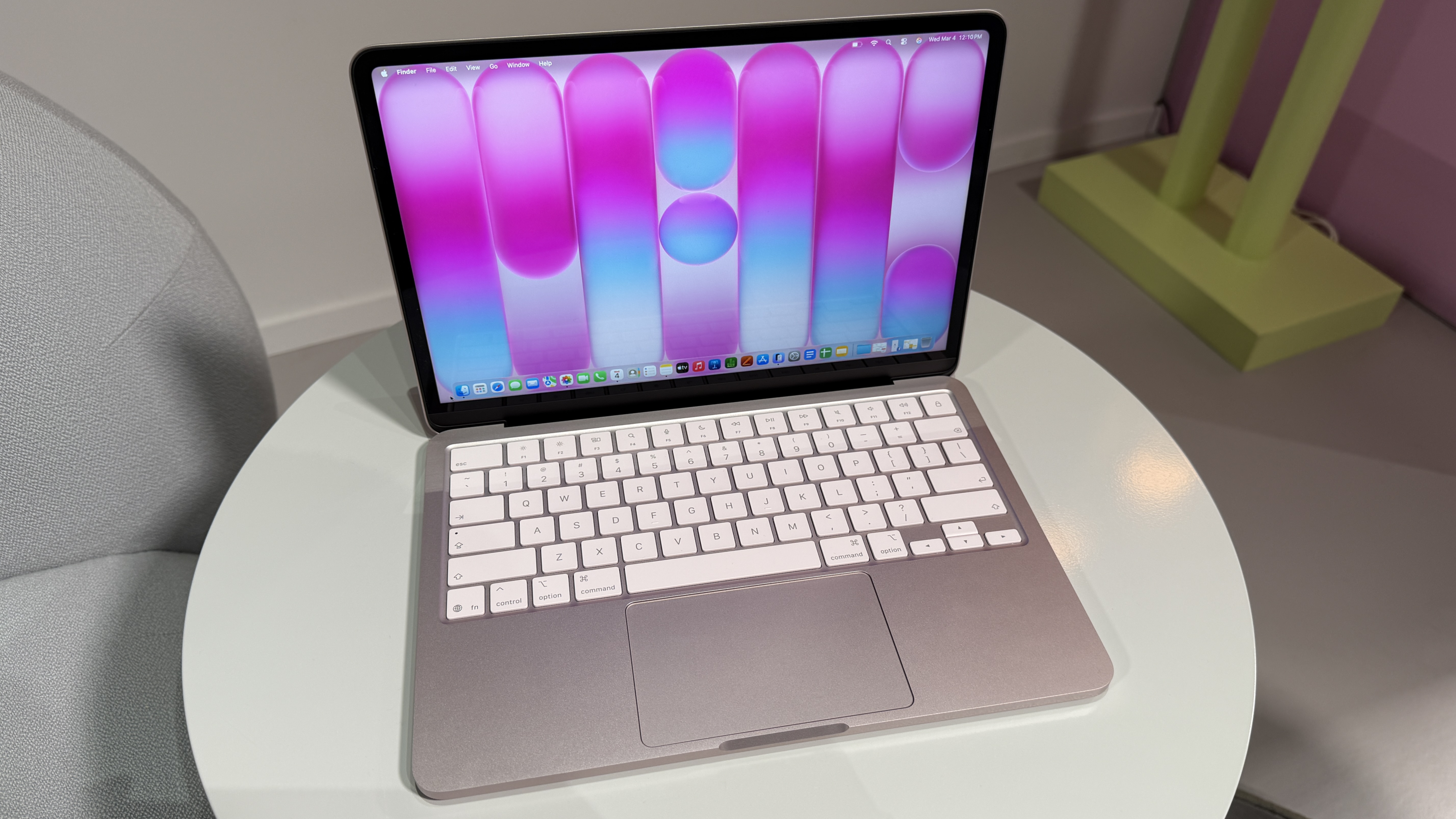
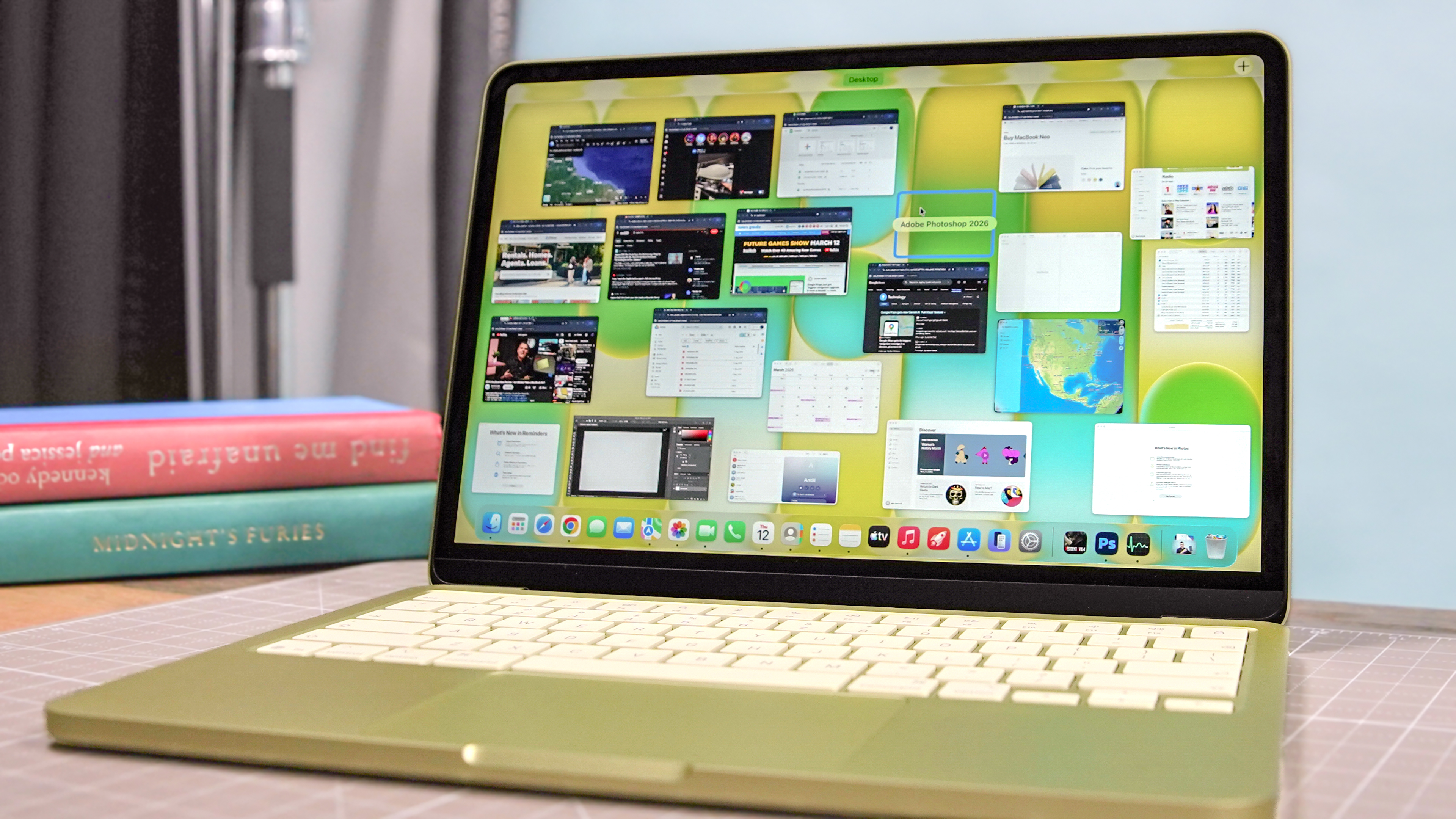
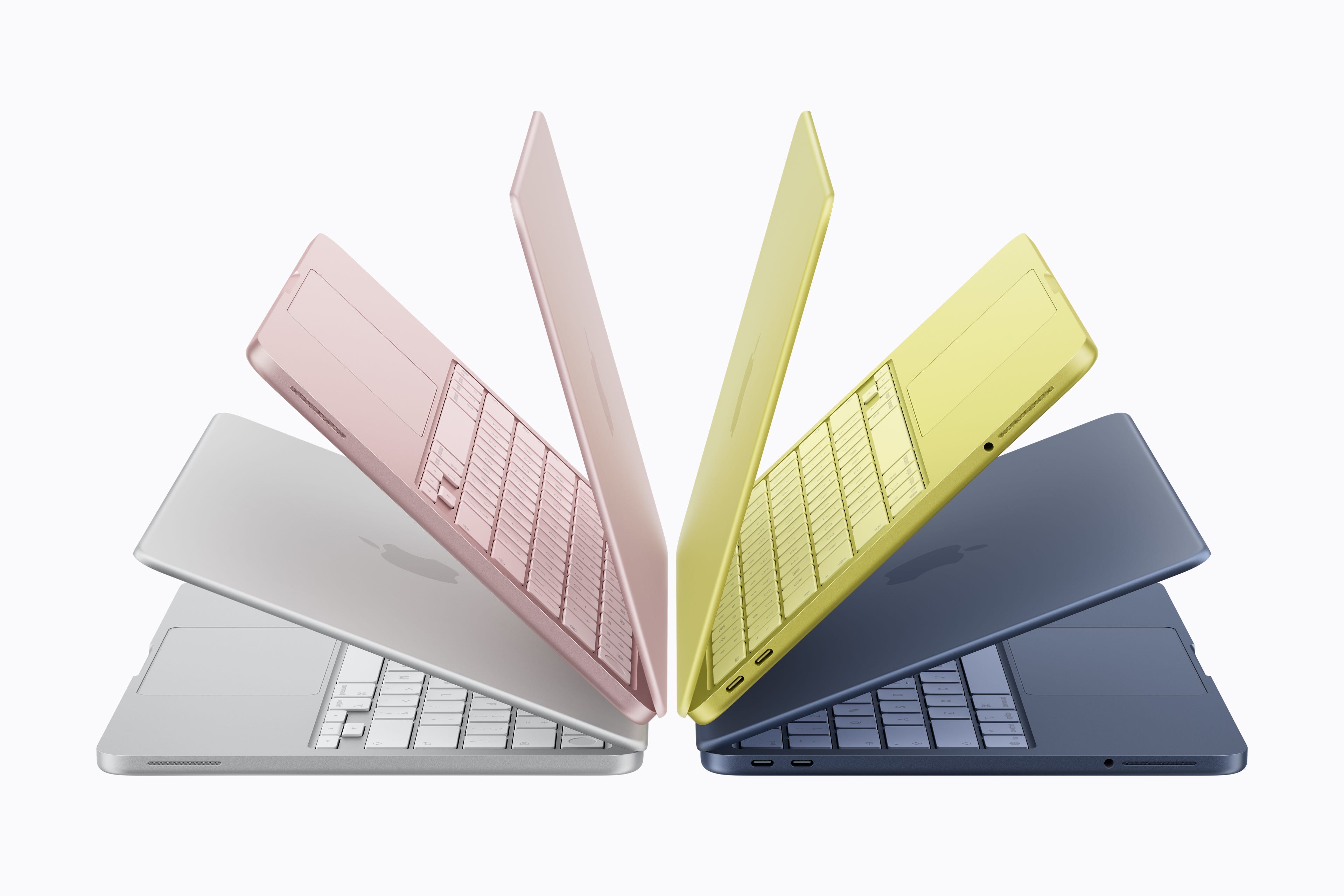
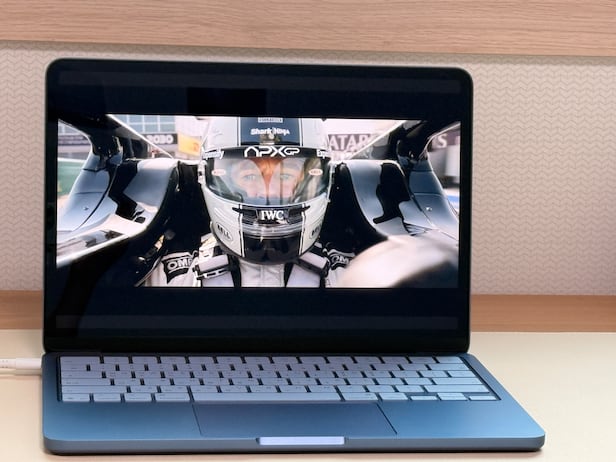
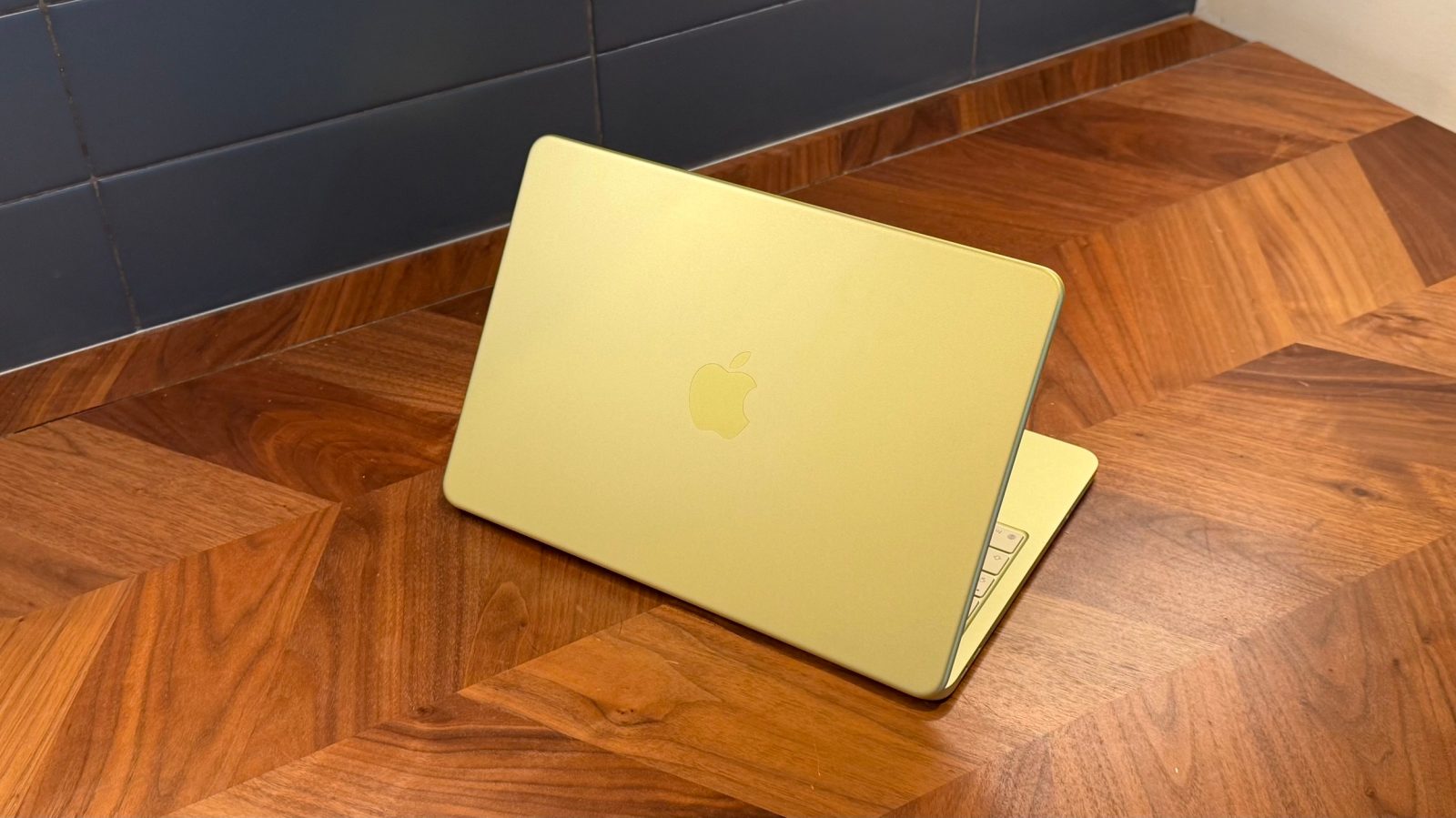
Apple's MacBook Neo launch has created a critical supply chain crisis with immediate implications for cross-border sellers and logistics providers. The $600 ultra-affordable MacBook achieved best-ever first-week sales for new Mac customers, but Apple is now facing 2-3 week delivery delays across all color options—a clear signal of demand exceeding supply. The core constraint: Apple's MacBook Neo uses binned A18 Pro chips (rejected/leftover processors from iPhone 16 Pro production with disabled GPU cores), and this finite inventory of 5-6 million units is being rapidly depleted. TSMC's 3-nanometer process capacity—the only source for A18 Pro production—is effectively sold out, making rapid expansion impossible without orders of 2.3-7 million new dies at significantly higher per-chip costs.
For cross-border sellers, this creates three immediate logistics opportunities:
1. SOURCING SHIFT - Windows Laptop Alternatives (Urgent): With MacBook Neo supply constrained through Q1 2025, sellers should immediately pivot sourcing to competing Windows laptops in the $500-700 price range. Brands like Lenovo IdeaPad, ASUS VivoBook, and HP Pavilion offer comparable build quality and display specs without the supply constraints. Sellers currently stocking MacBook inventory should liquidate existing stock NOW before Apple's supply stabilizes and prices drop. Recommended action: Source 2-3 month inventory of Windows alternatives from Taiwan/Vietnam manufacturers before Chinese New Year (Feb 2025) manufacturing slowdown.
2. INVENTORY STRATEGY - Refurbished MacBook Positioning: Apple's supply shortage creates a 6-12 month window for refurbished MacBook inventory to command premium pricing. Sellers should source refurbished MacBook Air M2/M3 units from liquidation channels and position them as "in-stock alternatives" to the delayed MacBook Neo. Refurbished MacBook Air M2 units typically cost $350-450 landed (from US liquidators), can be resold for $550-650, creating 25-35% margins during the shortage window.
3. WAREHOUSE POSITIONING - US Fulfillment Priority: With 2-3 week Apple delays, sellers using US-based FBA or 3PL warehouses can capture price-sensitive buyers seeking immediate delivery. Stock Windows laptops and refurbished MacBooks in US East Coast fulfillment centers (Virginia, Pennsylvania) to serve the highest-demand regions. Avoid international FBA for this category during shortage—landed costs from Asia will exceed US retail prices due to tariffs and extended lead times.
Rising memory prices compound the constraint: DRAM costs are increasing 8-12% quarterly, making new A18 Pro production economically unfeasible at the $600 price point. Apple's planned MacBook Neo 2 (with A19 Pro + 12GB RAM) won't arrive until late 2025, leaving a 12-month supply gap. This extends the window for competing products to capture market share.
Questions 7
Why is MacBook Neo facing 2-3 week delivery delays despite strong demand?
Apple's MacBook Neo uses binned A18 Pro chips—rejected processors from iPhone 16 Pro production with disabled GPU cores—to keep the $600 price point competitive. Apple originally planned 5-6 million unit production using available binned inventory, but exceptional demand has depleted this finite supply. TSMC's 3-nanometer process capacity (the only source for A18 Pro chips) is sold out, making rapid expansion impossible. New production would require 2.3-7 million die orders at significantly higher per-chip costs, which would force Apple to raise prices and undermine the MacBook Neo's value proposition. The shortage will likely persist through Q1 2025 until Apple's MacBook Neo 2 launches with A19 Pro chips in late 2025.
What sourcing opportunities does the MacBook Neo shortage create for sellers?
The supply constraint creates immediate opportunities to source competing Windows laptops in the $500-700 range (Lenovo IdeaPad, ASUS VivoBook, HP Pavilion) from Taiwan and Vietnam manufacturers. Sellers should act NOW before Chinese New Year (Feb 2025) manufacturing slowdown. Additionally, refurbished MacBook Air M2/M3 units from US liquidation channels can be positioned as 'in-stock alternatives' during the shortage. Refurbished MacBook Air M2 units cost $350-450 landed and can be resold for $550-650, creating 25-35% margins. The 6-12 month supply gap creates a pricing window before Apple stabilizes inventory.