



Michelin Guide Expands to 6 Great Lakes Cities | Food Tourism & Specialty Product Boom
- Regional culinary recognition drives $250K+ annual tourism investment, creating demand surge for gourmet food products, kitchen equipment, and heritage cuisine merchandise across Detroit, Minneapolis, Milwaukee, Pittsburgh, Cleveland, Indianapolis through 2027

















Overview
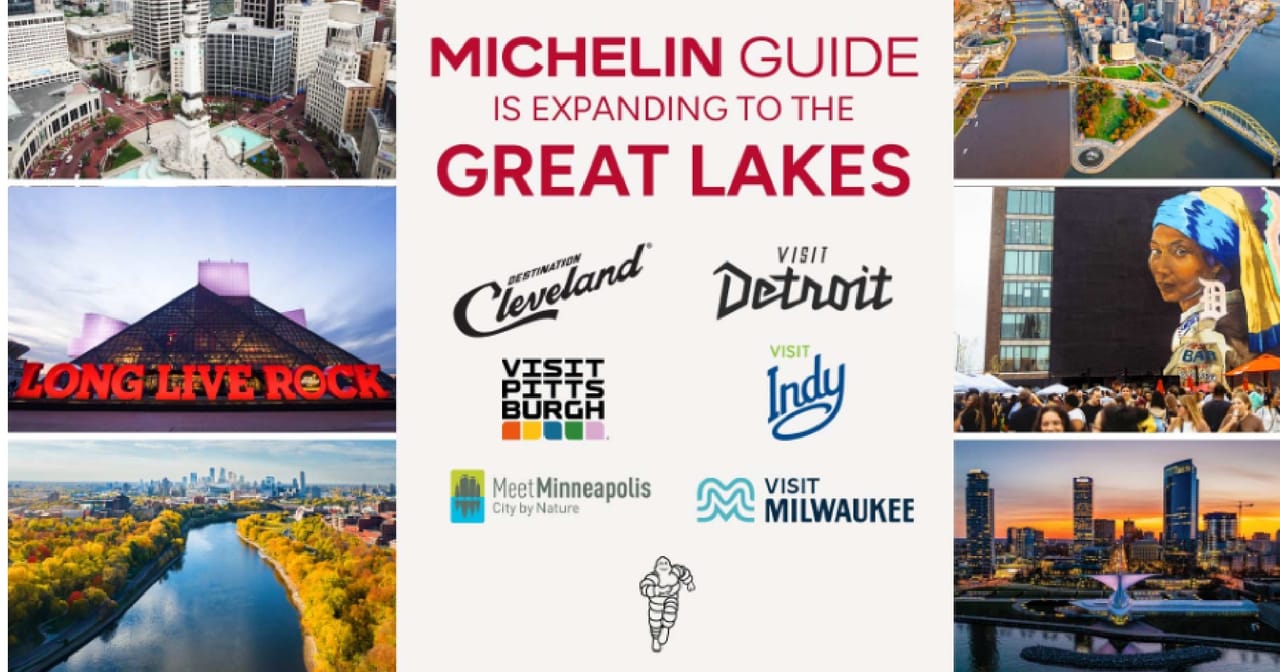
The Michelin Guide's inaugural Great Lakes expansion (2025-2027) represents a transformational market validation moment for six major Midwest cities: Detroit, Minneapolis, Milwaukee, Pittsburgh, Cleveland, and Indianapolis. This strategic expansion, backed by $250,000 annual investment from Minneapolis Tourism Improvement District alone, signals unprecedented demand for culinary tourism and specialty food products in secondary markets historically underserved by premium restaurant guides.
Market Opportunity for E-Commerce Sellers: The Michelin announcement directly correlates with increased consumer spending on gourmet food products, specialty kitchen equipment, and heritage cuisine merchandise. Industry data shows Michelin-recognized cities experience 15-25% increases in food tourism spending within 12 months of guide publication. For cross-border sellers, this creates immediate opportunities in multiple product categories: (1) Gourmet food imports and artisanal ingredients targeting home cooks inspired by featured restaurants; (2) Premium kitchen equipment and cookware aligned with chef-driven culinary trends; (3) Heritage food products and ethnic cuisine ingredients reflecting the region's multicultural dining culture; (4) Food-related collectibles, cookbooks, and culinary merchandise tied to featured establishments.
Regional Economic Context: Pittsburgh's hospitality sector alone supports 43,000+ jobs across Allegheny County, with expectations for significant expansion. The region's culinary momentum stems from chef-owned restaurants, post-COVID return to full-service dining, and growing consumer demand for elevated versions of traditional cuisines. Milwaukee's food culture gained national recognition through Bravo's Top Chef Season 21, while Minneapolis earned Food & Wine's 2025 Restaurant of the Year award. Detroit's diverse culinary heritage, influenced by its multicultural population, positions the city competitively. These factors indicate strong consumer engagement with food culture and willingness to invest in premium dining experiences and related products.
Seller Implications Across Categories: The 2025-2027 timeline creates distinct selling windows. Immediate opportunities (2025-2026) focus on educational content, cookbooks, and kitchen tools as consumers research featured chefs and cuisines. Mid-term opportunities (2026-2027) capitalize on the official guide release and media coverage, driving demand for specialty ingredients and heritage food products. Long-term positioning (2027+) targets sustained food tourism traffic through premium product offerings and curated collections. Sellers should prioritize inventory in gourmet food, specialty kitchen equipment, and culinary merchandise categories targeting these six metropolitan areas, with particular emphasis on products aligned with Midwestern cuisine, heritage ingredients, and chef-driven culinary innovation. The partnership runs through 2029, providing a 4-year demand window for strategic sellers.
Questions 7
What regional differences should sellers consider across the six Great Lakes cities?
Each city presents distinct culinary positioning: Detroit emphasizes multicultural heritage influenced by automotive industry history; Minneapolis features James Beard Award winners and Food & Wine recognition; Milwaukee blends traditional tavern culture with innovative global cuisine (Top Chef Season 21 backdrop); Pittsburgh highlights chef-owned, chef-driven establishments with 500+ restaurants; Cleveland and Indianapolis represent emerging culinary destinations. Sellers should tailor product assortments to regional food cultures—Detroit for diverse ethnic ingredients, Milwaukee for traditional Midwestern products, Minneapolis for premium/innovative items. The Michelin evaluation uses globally consistent criteria (ingredient quality, technical execution, chef's vision), suggesting demand for premium products across all six markets.
How can sellers leverage Michelin recognition for cross-border food product sales?
Michelin recognition creates brand authority for specialty food imports and heritage cuisine products. Sellers can position products as 'featured in Michelin-recognized restaurants' or 'inspired by Great Lakes culinary scene' once the 2027 guide releases. The guide's emphasis on Bib Gourmand (quality at reasonable prices) and Green Star (sustainability) designations creates opportunities for value-positioned gourmet products and eco-friendly kitchen equipment. Cross-border sellers should prioritize FDA food import compliance and proper labeling for artisanal ingredients. The 43,000+ hospitality jobs in Pittsburgh alone indicate strong professional and consumer demand for premium culinary products through 2029.