


US-Iran Ceasefire April 2026 | Tariff Risk & Supply Chain Stability for Sellers
- Two-week ceasefire reduces military escalation risk; 50% threatened tariffs on Iran-arming nations create supply chain uncertainty for electronics, machinery sellers














Overview
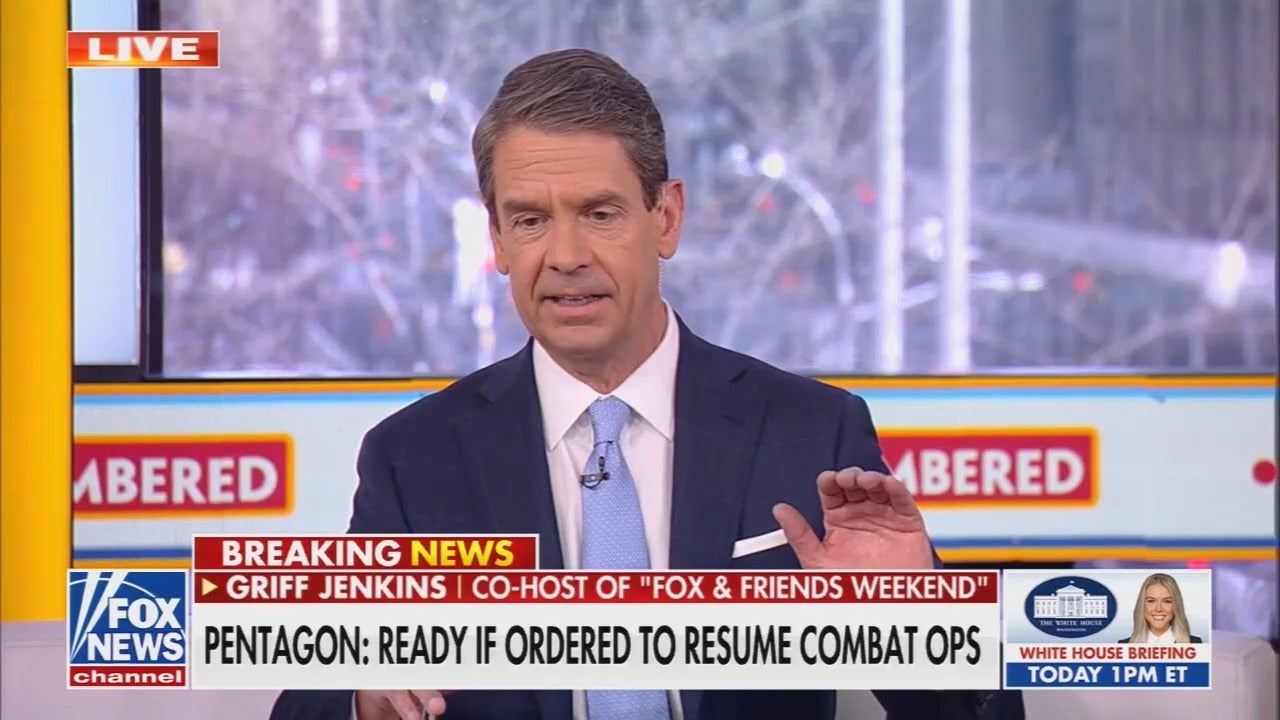
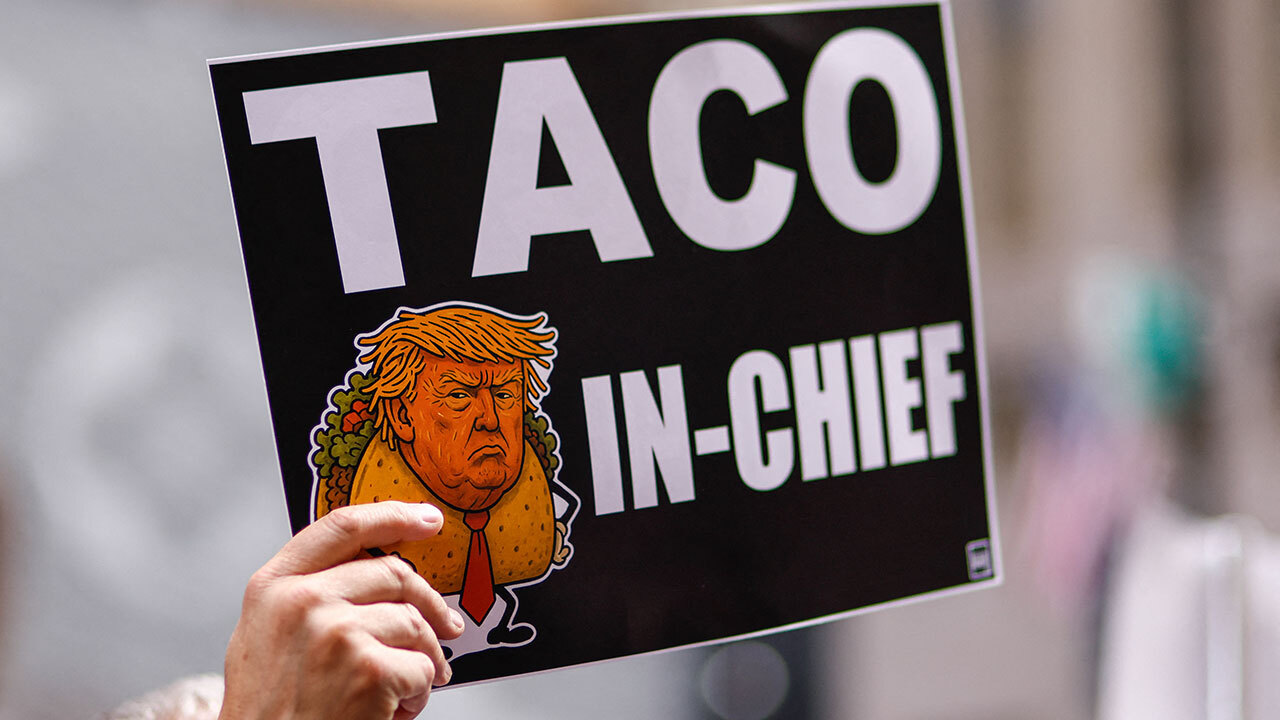
The April 8, 2026 US-Iran ceasefire represents a critical geopolitical de-escalation with direct implications for cross-border e-commerce supply chains and tariff exposure. President Trump's reversal from Easter threats to "wipe out a whole civilization" to a negotiated two-week ceasefire signals policy volatility driven by economic factors—specifically gas prices and polling data—rather than strategic consistency. This unpredictability creates both risk mitigation opportunities and operational challenges for sellers managing international sourcing and logistics.
Immediate Supply Chain Impact: The ceasefire reduces the probability of military conflict that would disrupt the Strait of Hormuz, a critical chokepoint for 21% of global petroleum transit and indirect supplier access for electronics manufacturers in the Middle East region. Sellers sourcing components from China, Vietnam, and India that transit through Middle Eastern ports face reduced shipping delays and insurance premium spikes. However, Trump's threatened 50% tariffs on countries arming Iran introduce new compliance complexity—sellers must audit supplier relationships to identify exposure to sanctioned entities or Iran-adjacent supply chains, particularly in electronics, machinery, and industrial equipment categories.
Tariff Exposure Analysis: The 50% tariff threat targets nations supplying Iran's military capabilities, primarily affecting Russian, Chinese, and potentially Turkish suppliers. Sellers importing electronics, automotive parts, and industrial machinery should immediately review supplier documentation and country-of-origin certifications. Categories most exposed include: (1) Electronics components (semiconductors, circuit boards) sourced through intermediaries; (2) Industrial machinery and pumps; (3) Telecommunications equipment. Sellers with suppliers in sanctioned-adjacent regions face potential retroactive tariff assessments if implementation occurs without grandfathering provisions.
Consumer Behavior & Demand Signals: The ceasefire announcement correlates with reduced geopolitical risk premiums in commodity markets. Sellers in fuel-dependent categories (automotive, heavy equipment, logistics-intensive goods) may see margin compression relief as shipping costs stabilize. Conversely, sellers in defense-adjacent categories (industrial sensors, dual-use technology) face increased regulatory scrutiny and potential export licensing requirements if tariff enforcement expands to technology transfer restrictions.
Platform & Operational Considerations: Amazon, eBay, and Shopify sellers must monitor Treasury Department and Commerce Department guidance on Iran-related sanctions compliance. The two-week ceasefire timeline suggests potential policy announcements or extensions by late April 2026. Sellers should document supplier compliance certifications and prepare contingency sourcing strategies for high-tariff scenarios. Risk mitigation includes diversifying supplier geographic footprint away from Iran-adjacent nations and accelerating inventory purchases from compliant suppliers before potential tariff implementation.
Questions 8
How does the Iran ceasefire affect shipping costs for cross-border sellers?
The ceasefire reduces military conflict risk in the Strait of Hormuz, which handles 21% of global petroleum transit. This decreases insurance premiums and fuel surcharges that shipping carriers pass to sellers. Historically, Middle East tensions add 3-8% to ocean freight costs through war risk insurance. Sellers shipping via Asia-Europe routes should see 2-4% cost relief within 30-60 days as insurance markets reprice geopolitical risk. However, the two-week ceasefire timeline creates uncertainty—if tensions escalate again, costs could spike retroactively. Monitor carrier announcements for fuel surcharge adjustments and lock in rates before late April 2026 if possible.
Should I accelerate inventory purchases before tariff implementation?
Yes, if your suppliers are in potentially targeted nations (Russia, China, Turkey). The two-week ceasefire suggests policy announcements by late April 2026. Accelerating purchases of high-tariff-exposure categories (electronics, machinery, industrial equipment) by 2-4 weeks provides tariff avoidance if implementation occurs without grandfathering. However, balance this against inventory carrying costs—calculate whether tariff savings exceed storage fees on Amazon FBA or 3PL providers. For sellers with $50K+ monthly inventory, tariff avoidance could save $5-15K per shipment. Consult your freight forwarder on tariff implementation timelines and grandfathering provisions before committing to accelerated orders.