

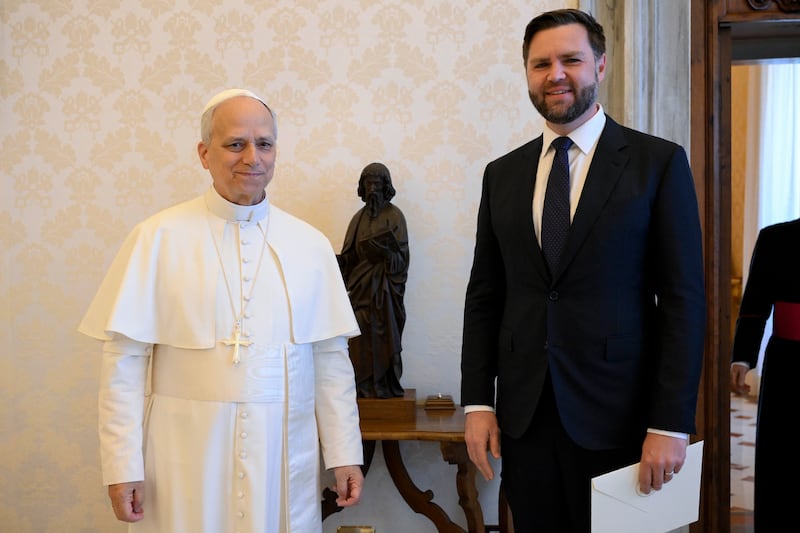

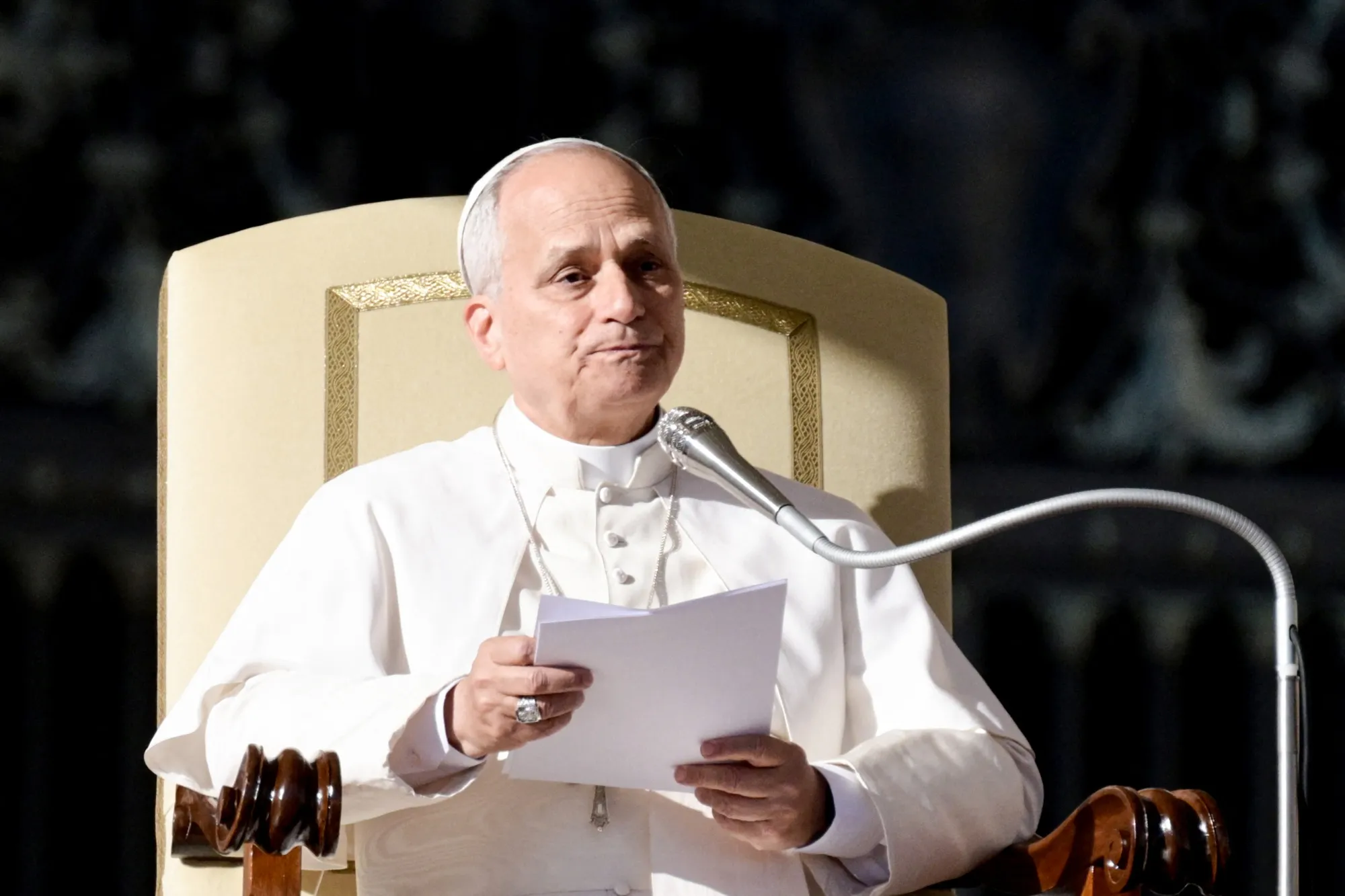
Diplomatic Fault Lines Emerge as Pope Challenges Trump's European Strategy
- Transatlantic Alliance Under Strain as Geopolitical Tensions Reveal Deep Strategic Divides





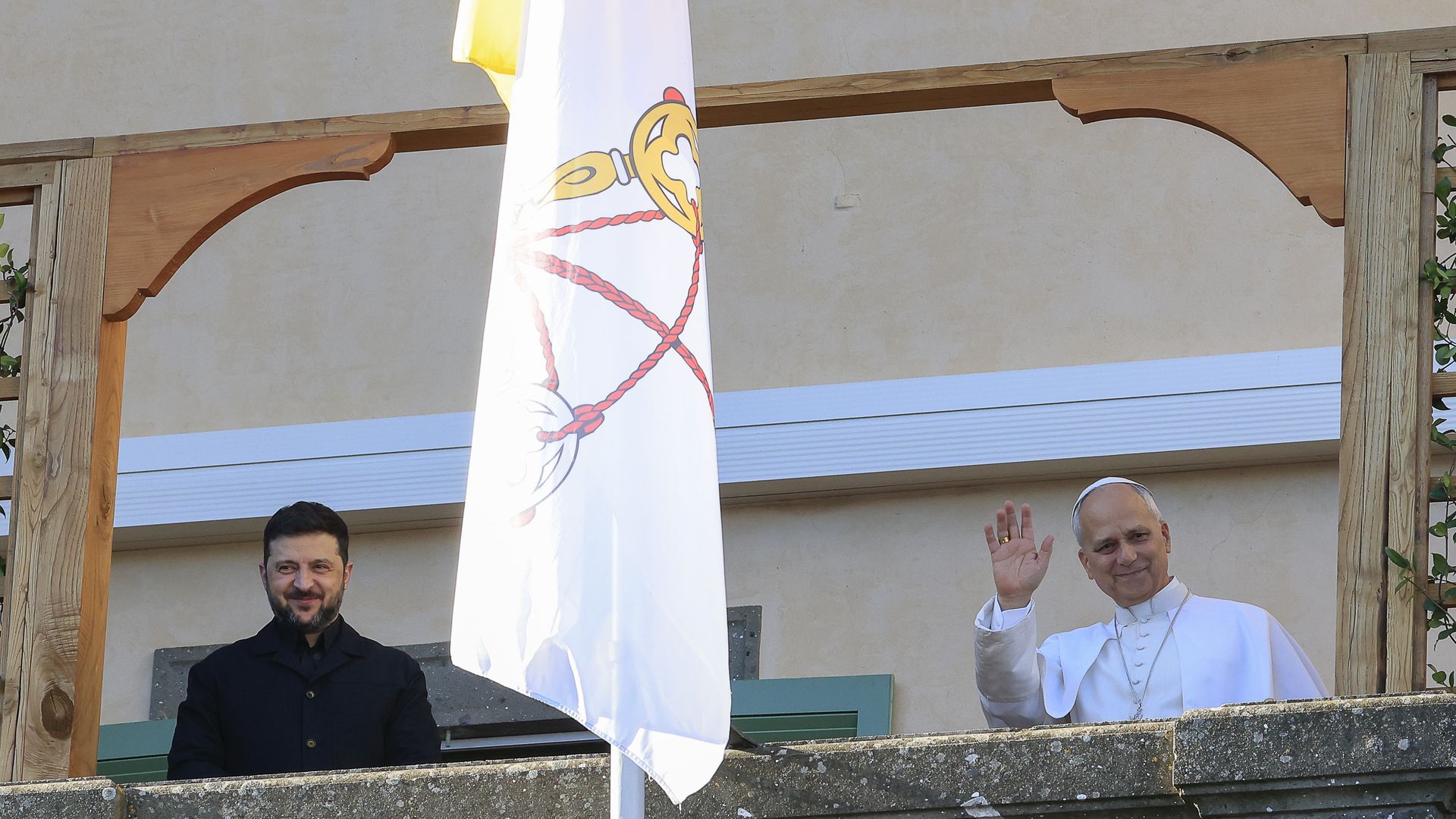
Overview
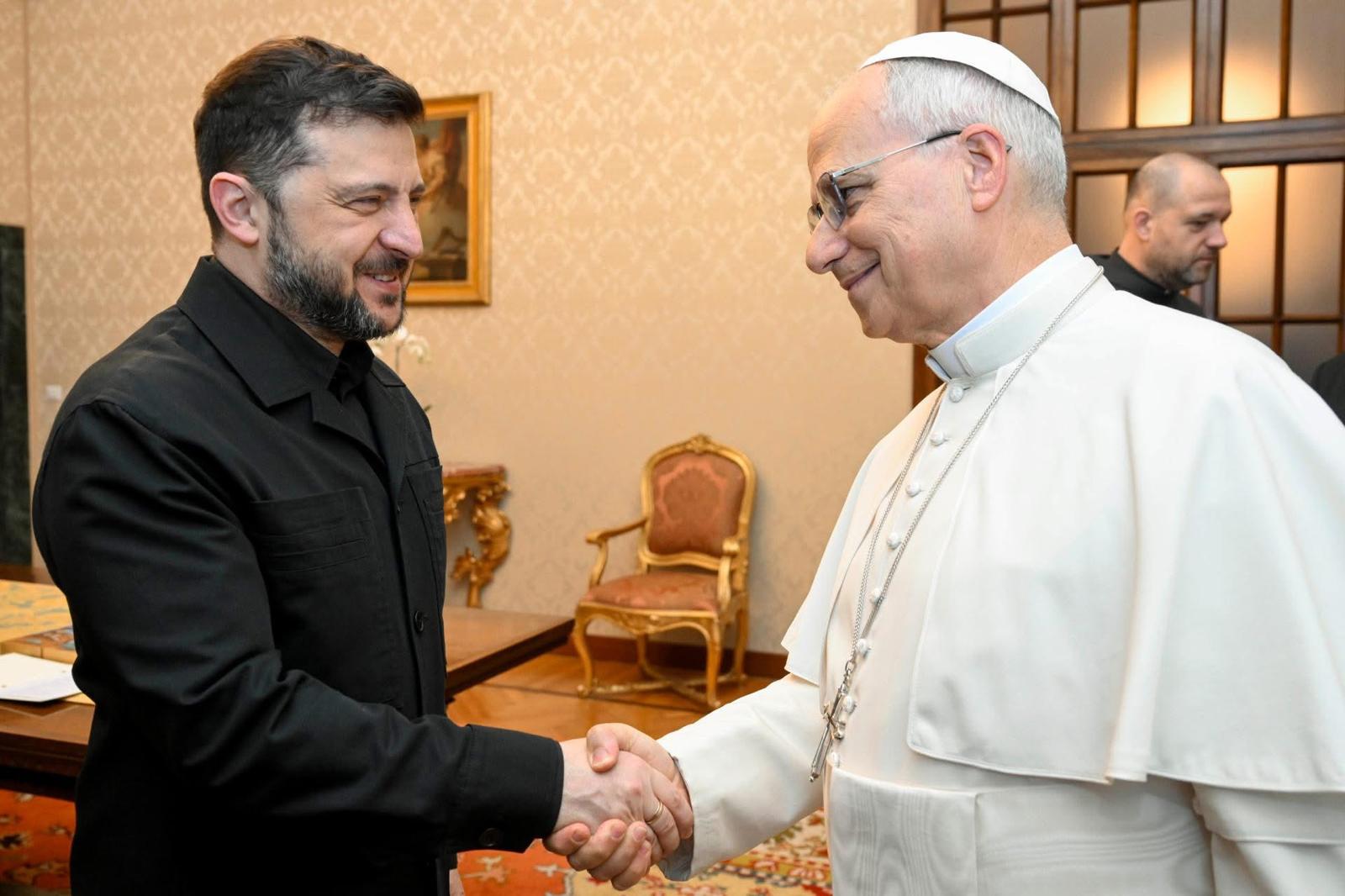
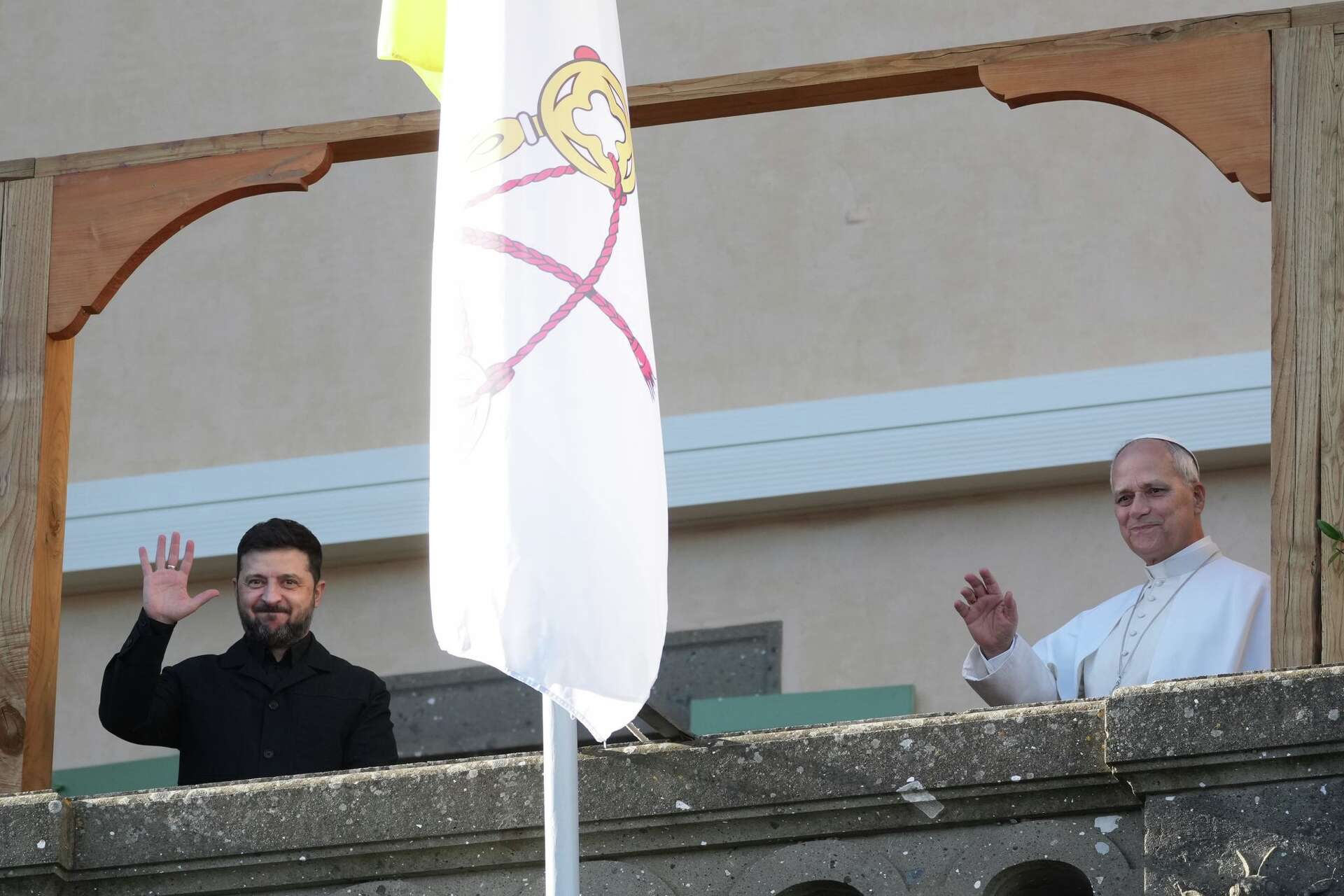
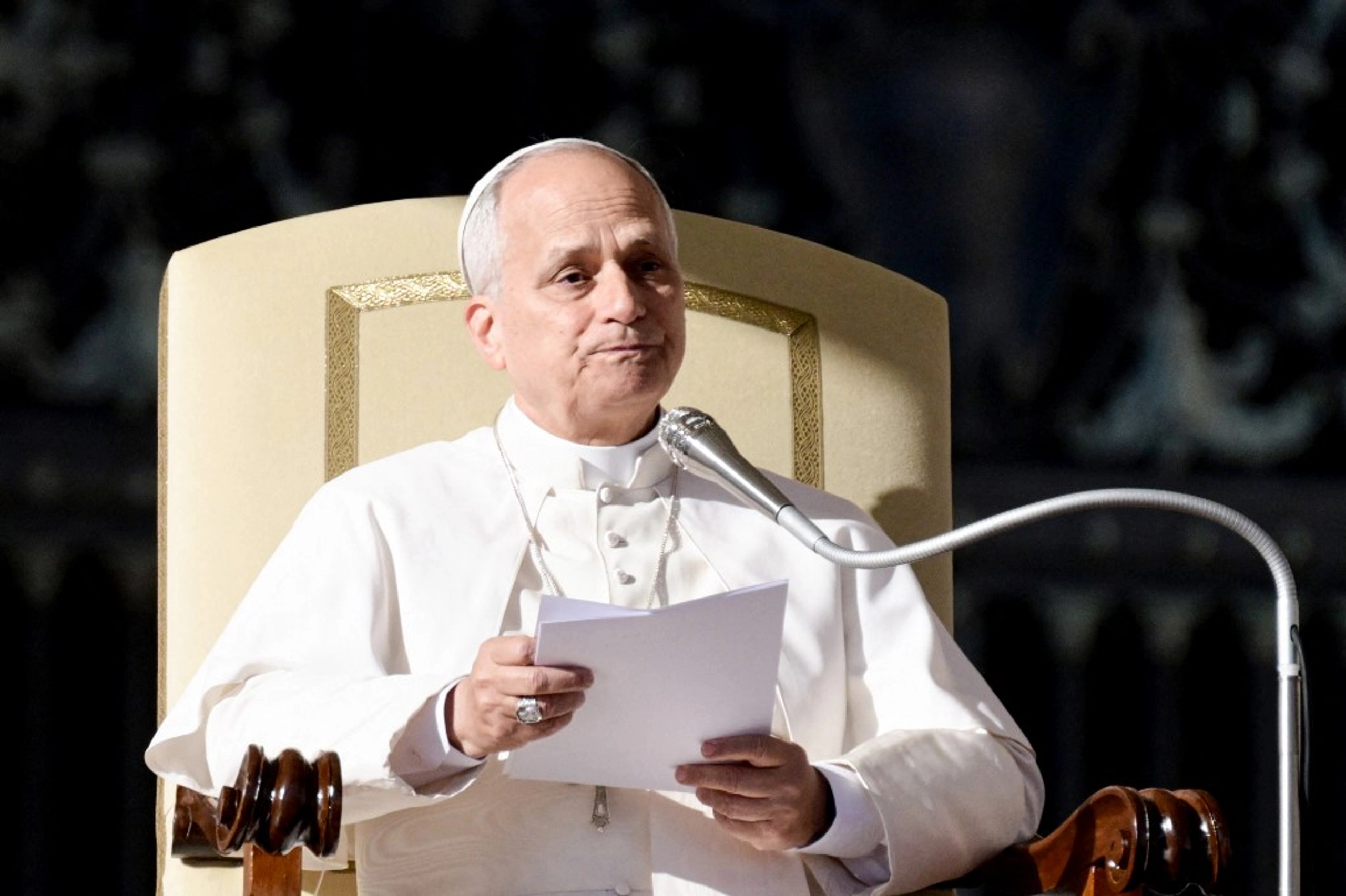
The diplomatic landscape is experiencing a profound recalibration as Pope Leo's intervention exposes critical fractures in the transatlantic relationship between the United States and Europe. At the heart of this geopolitical tension lies a fundamental disagreement about international engagement, particularly regarding the Ukraine conflict.
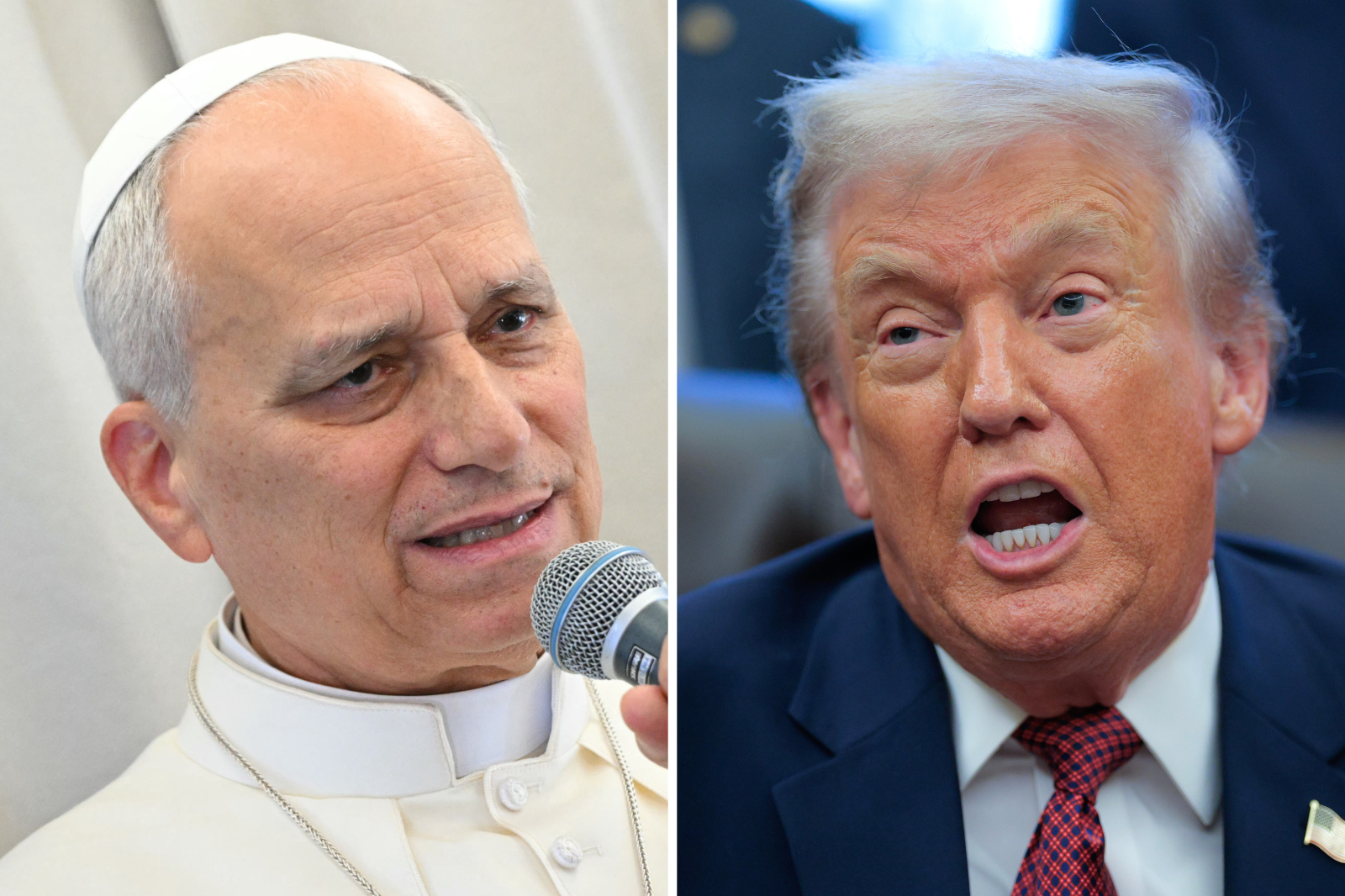
Strategic Diplomatic Confrontation: Pope Leo's direct challenge to President Trump represents more than a typical diplomatic exchange. By publicly criticizing Trump's proposed peace plan for Ukraine, the pontiff is essentially drawing a line in the sand about collaborative international decision-making. The Pope's critique centers on a crucial observation: any meaningful resolution to the Ukrainian crisis must include European participation, not marginalize the continent's strategic interests.
The intervention reveals deeper structural tensions in international relations. Trump's proposed peace plan, which includes significant concessions to Russia such as ceding Ukrainian territory and limiting Ukraine's military capabilities, fundamentally contradicts European security perspectives. Pope Leo's statement that "the war is in Europe" underscores a critical point: regional stakeholders cannot be excluded from negotiations that directly impact their geopolitical stability.
What makes this confrontation particularly significant is its unprecedented nature. As the first North American pontiff, Pope Leo brings a unique perspective that bridges transatlantic perspectives. His willingness to publicly challenge a sitting U.S. president signals a profound shift in diplomatic discourse. The Pope is essentially arguing that unilateral approaches to complex international challenges are no longer tenable in an interconnected global system.
Trump's seemingly casual response—"Sure, I will. Why not?"—when asked about potentially meeting Pope Leo masks the deeper strategic implications. This exchange highlights the delicate diplomatic landscape where traditional alliances are being stress-tested by conflicting strategic approaches.
The long-term implications are profound. Collaborative diplomacy is being redefined, with institutional voices like the Pope's challenging narrow, transactional approaches to international relations. For policymakers and diplomatic strategists, this represents a critical moment of recalibration—where multilateral engagement is reasserting its importance against unilateral impulses.
Questions 3
How does this intervention impact the US-Europe relationship?
The Pope's intervention exposes existing fault lines in the transatlantic alliance, highlighting deep strategic disagreements about international engagement. It suggests that the relationship is under significant strain, with fundamental differences in approach to global conflicts like the Ukraine war becoming more pronounced.
What are the potential long-term implications of this diplomatic confrontation?
The confrontation signals a potential realignment in international relations, where traditional power dynamics are being challenged. It suggests that institutional voices are increasingly willing to directly challenge unilateral diplomatic strategies, potentially forcing more collaborative and inclusive approach to global problem-solving.