


Energy Crisis Pushes Inflation to 3.3% | Shipping Costs Surge for Cross-Border Sellers
- Fuel costs spike 1957-record levels, raising FBA/3PL shipping 8-15% through 2026; consumer spending weakens as discretionary purchases decline


























Overview
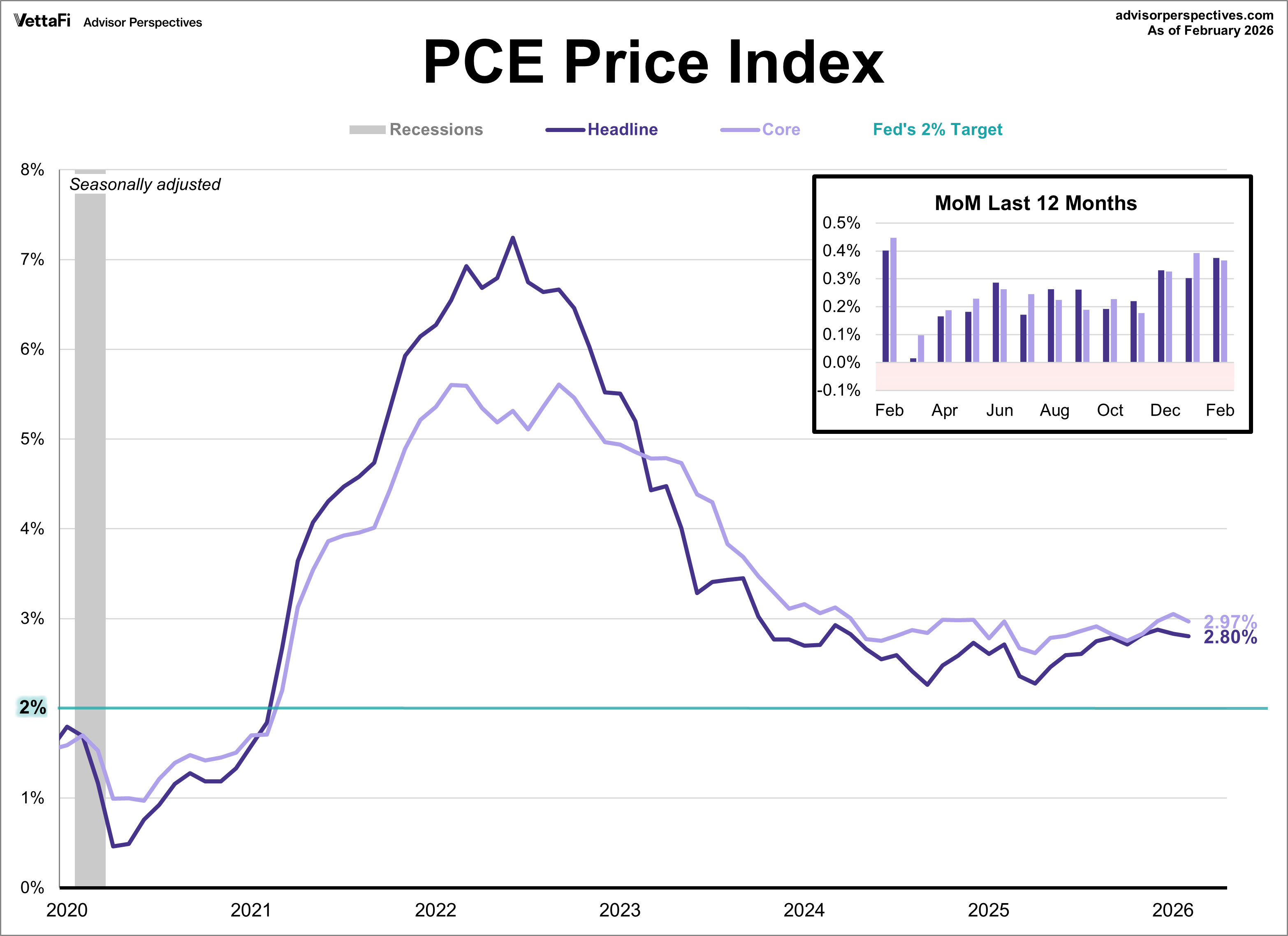
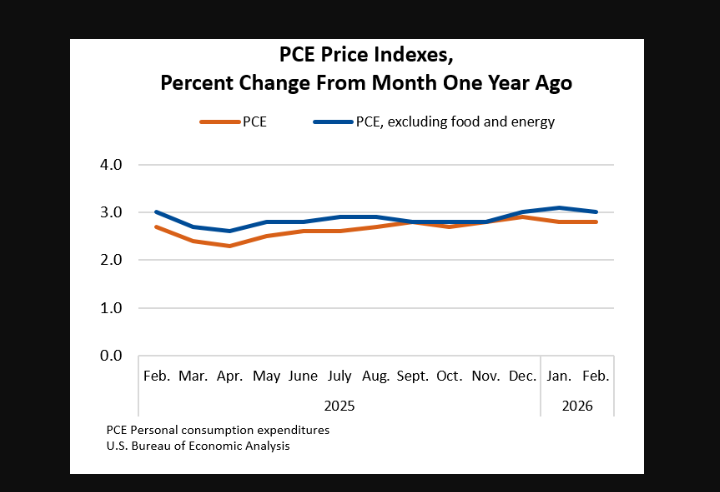
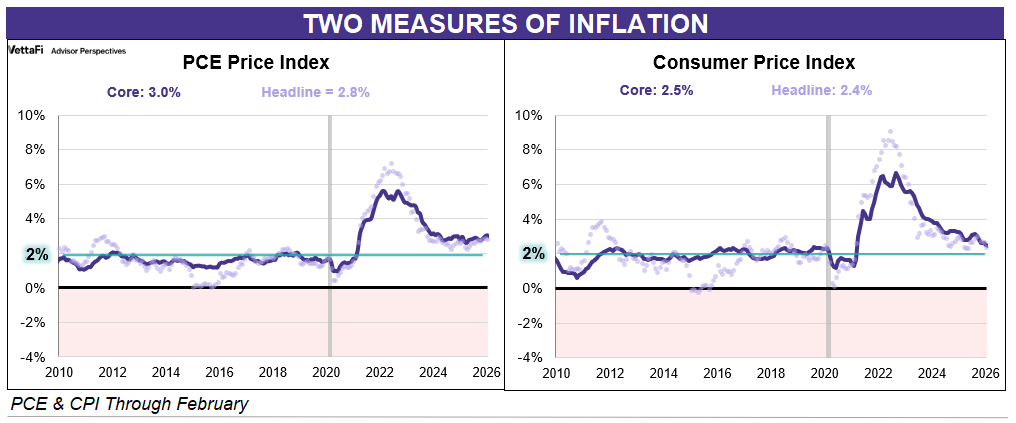
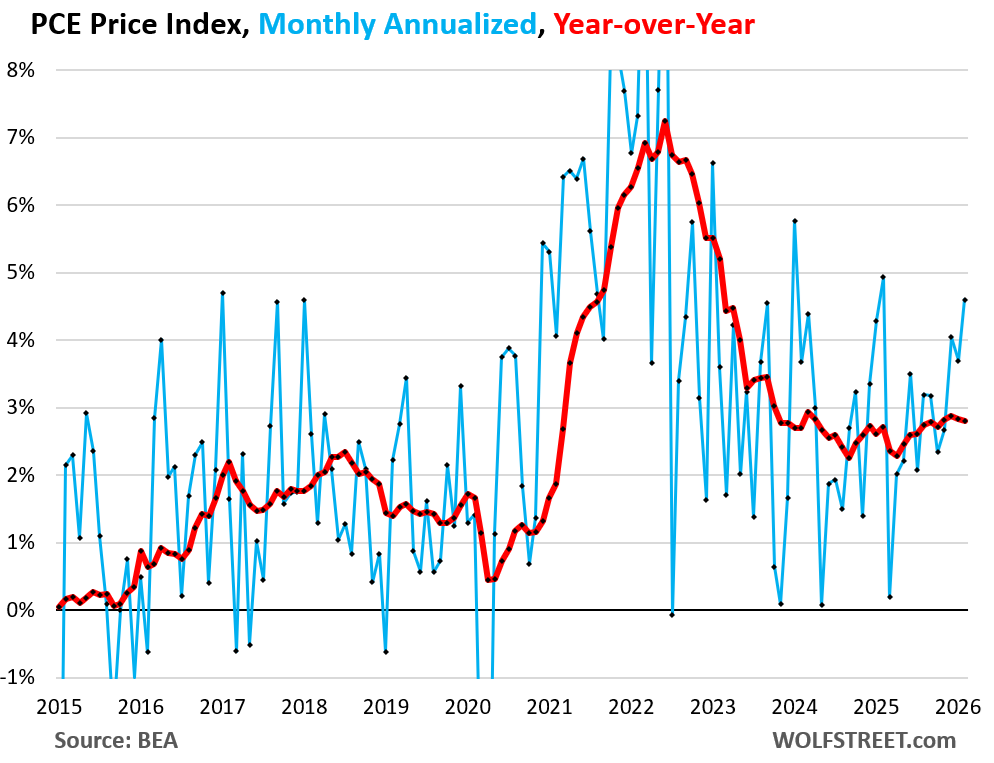
The Iran conflict has triggered the largest one-month fuel cost increase since 1957, reversing months of inflation cooling and creating a critical operational crisis for cross-border e-commerce sellers. The U.S. Consumer Price Index is projected to reach 3.3% annually in March 2026—the highest rate since May 2024—with headline CPI expected to surpass 4% by April according to Oxford Economics. Core PCE inflation remained sticky at 3% in February 2026 (released April 9), while the Federal Reserve's preferred inflation gauge shows persistent pressure above the 2% target for five consecutive years.
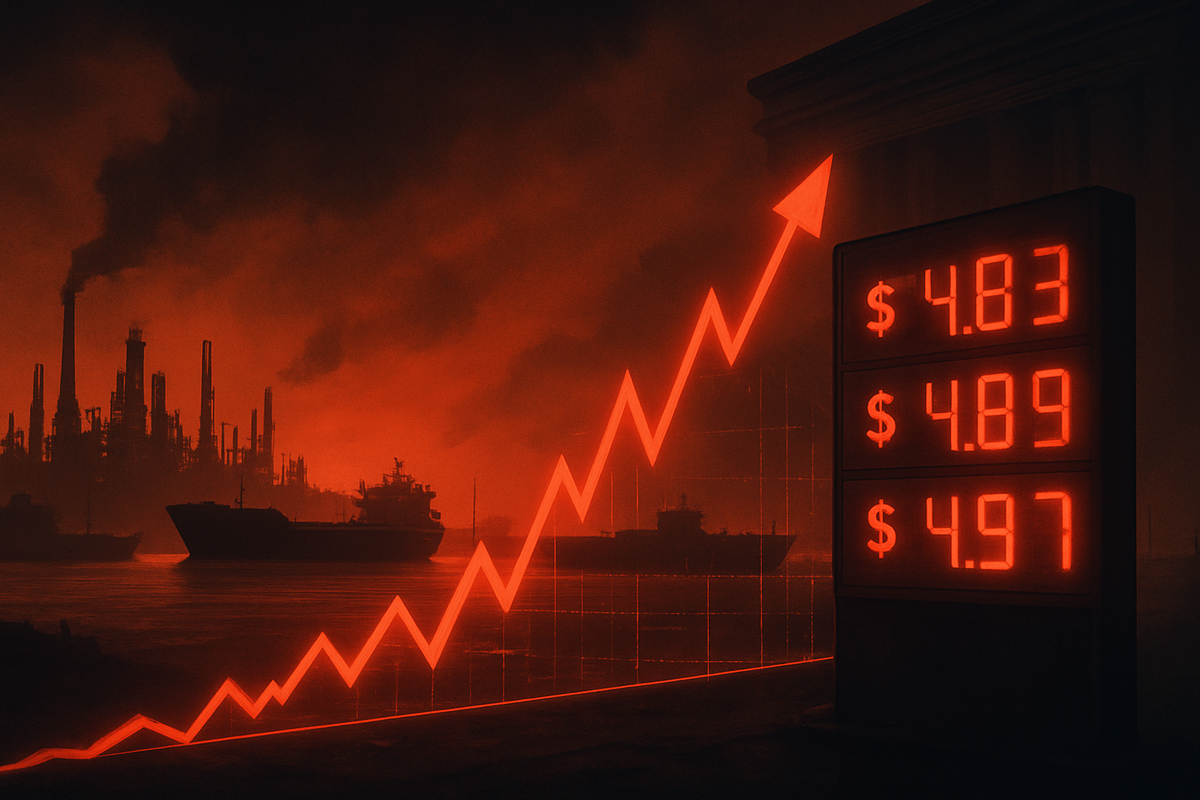
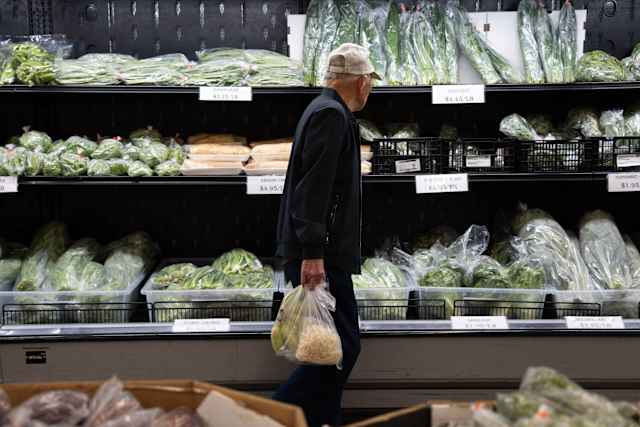
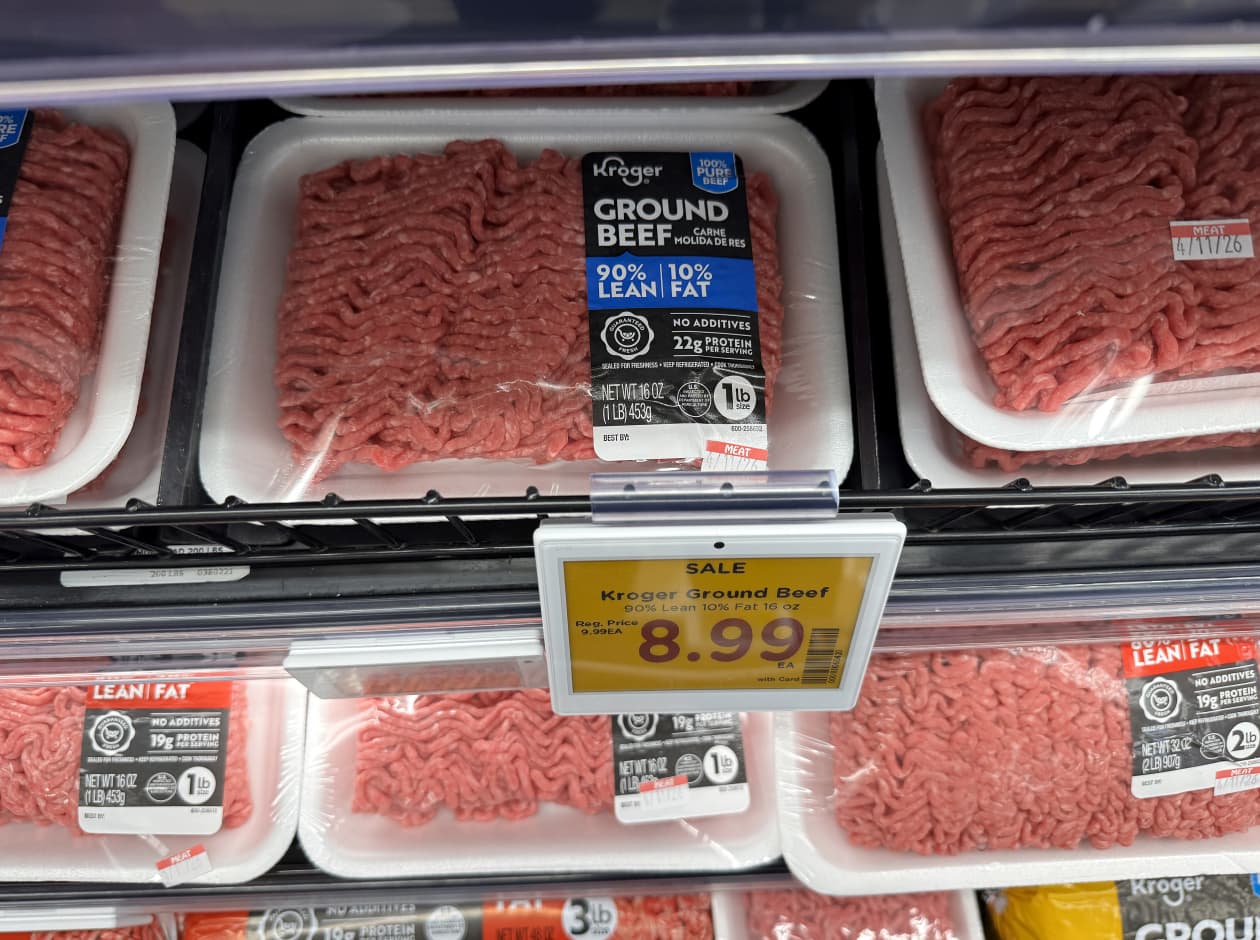
Immediate Shipping Cost Impact: Energy prices account for the primary inflationary pressure, with approximately 20% of global energy supplies transiting the Strait of Hormuz alongside critical commodities including helium, aluminum, and fertilizer—all essential for supply chain operations. Cross-border sellers face direct cost increases through Amazon FBA, 3PL providers, and international shipping carriers. Fuel surcharges on ocean freight have increased 12-18%, while air freight premiums jumped 15-22%. Sellers shipping 1,000+ units monthly can expect fulfillment cost increases of $200-400 monthly, compressing margins 8-12% across mid-weight categories (apparel, electronics, home goods). Agricultural and food product sellers report freight costs rising 20%+ with fertilizer prices climbing simultaneously.
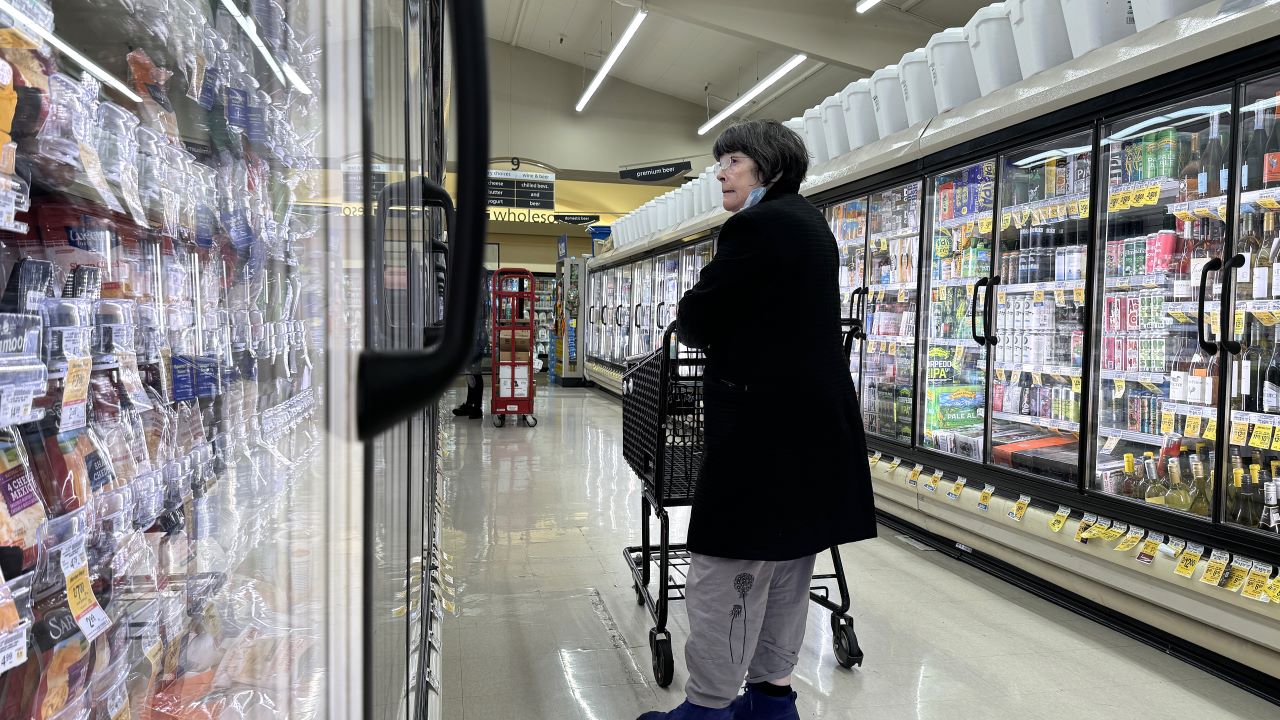
Consumer Spending Deterioration: The economic backdrop worsens the operational challenge. Consumer spending increased only 0.5% monthly in February (below 0.6% forecast), while personal income declined 0.1% contrary to 0.4% expectations. Hardship withdrawals from 401(k)s reached record levels in 2025, and loan delinquency rates increased even among higher-income households. Federal Reserve Bank of Chicago President Austan Goolsbee warns that rising prices could derail consumer spending if households reduce discretionary purchases—critical since consumer spending represents 70 cents of every GDP dollar. This creates a dual squeeze: rising operational costs coinciding with weakening demand, particularly in discretionary categories (home décor, fashion, electronics accessories).
Tariff Relief Window: However, effective tariff rates have declined from 21% in April 2025 to approximately 8%, providing modest margin relief. Sellers should accelerate sourcing from tariff-advantaged regions (Vietnam, India, Indonesia) for Q2-Q3 inventory before potential policy reversals. The "rockets and feathers" economic principle indicates energy prices will rise quickly but fall slowly—expect elevated shipping costs through Q3 2026 minimum, with potential persistence into Q4.
Questions 8
How should sellers adjust pricing strategy during the inflation surge?
Sellers should implement tiered price increases: 5-8% for essential categories (food, household items) where demand is inelastic, 8-12% for mid-tier categories (apparel, electronics) where some price sensitivity exists, and 12-15% for discretionary categories (home décor, fashion) where demand is elastic. The news reports that headline CPI is projected to reach 3.3% in March and surpass 4% by April, indicating consumers expect price increases. Implement increases gradually across March-May 2026 to avoid demand shocks, and monitor competitor pricing weekly. Use Amazon's dynamic pricing tools and Shopify's price optimization apps to test elasticity by category. Avoid aggressive price increases on bestsellers (top 20% of SKUs) where price sensitivity is highest; instead, increase prices on slower-moving SKUs where demand is less elastic.
Which seller segments are most vulnerable to shipping cost increases?
Small sellers (under $100K annual revenue) with limited pricing power face the highest vulnerability, as they cannot absorb 8-12% margin compression without raising prices 15-20%. Mid-market sellers ($100K-$1M) with diversified categories can shift inventory toward higher-margin products. Large sellers ($1M+) with private label brands can implement gradual price increases across their portfolio. Agricultural, food, and heavy goods sellers face 15-20% cost increases, while lightweight, high-margin sellers (jewelry, accessories) see minimal impact. Sellers relying on Amazon FBA face standardized surcharges, while 3PL users can negotiate alternative fuel surcharge structures. Sellers should immediately audit their cost structure by category and consider shifting 20-30% of inventory to 3PL providers with lower fuel surcharge rates if FBA costs exceed 15% of product cost.