



Energy Inflation Crisis Threatens E-Commerce Margins | Shipping Cost Surge 2026
- Oil prices exceed $100/barrel, fuel costs jump $1+ per gallon; shipping expenses rise 8-15% for cross-border sellers; consumer spending weakens with 40% recession risk






















Overview
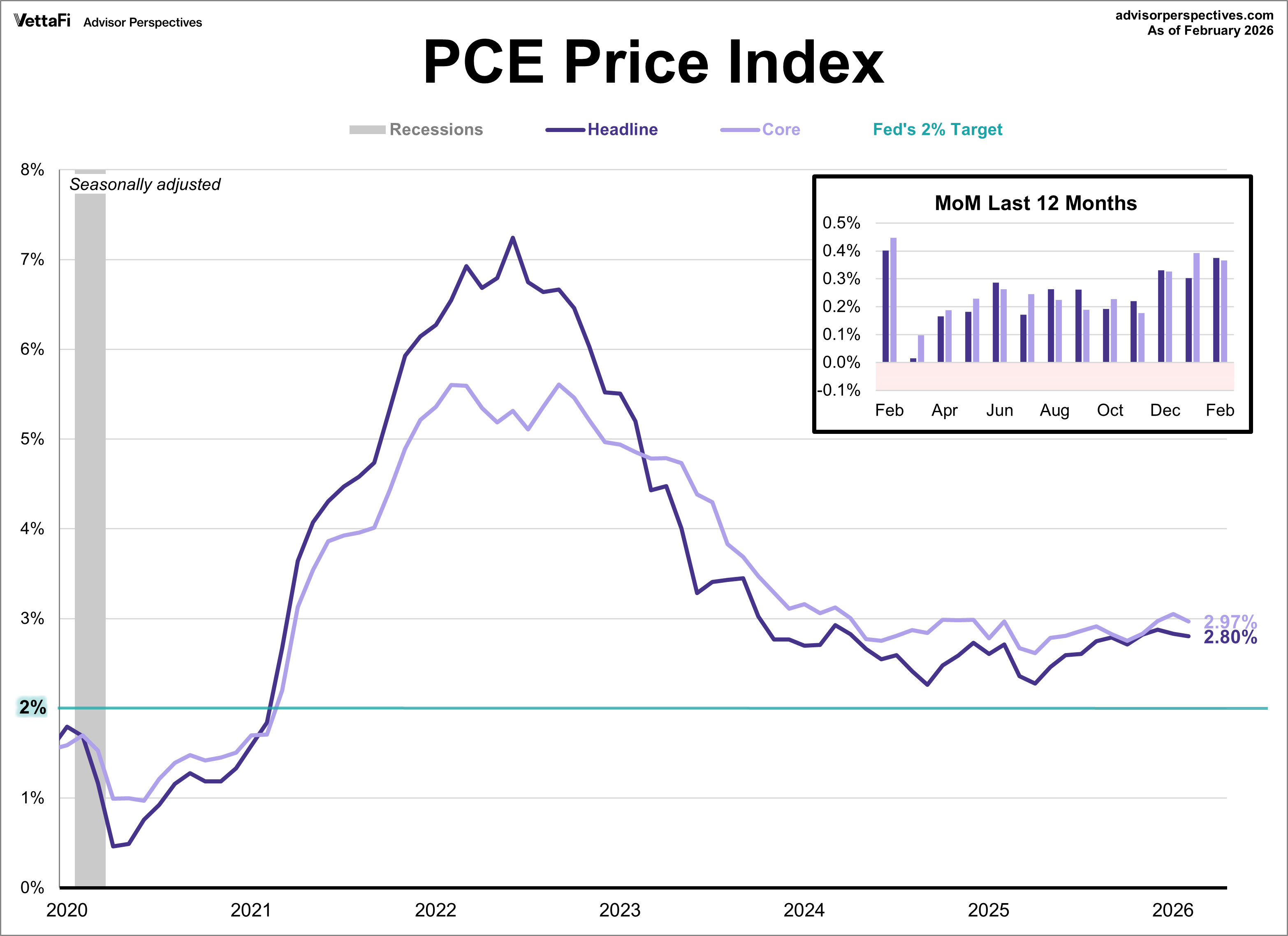
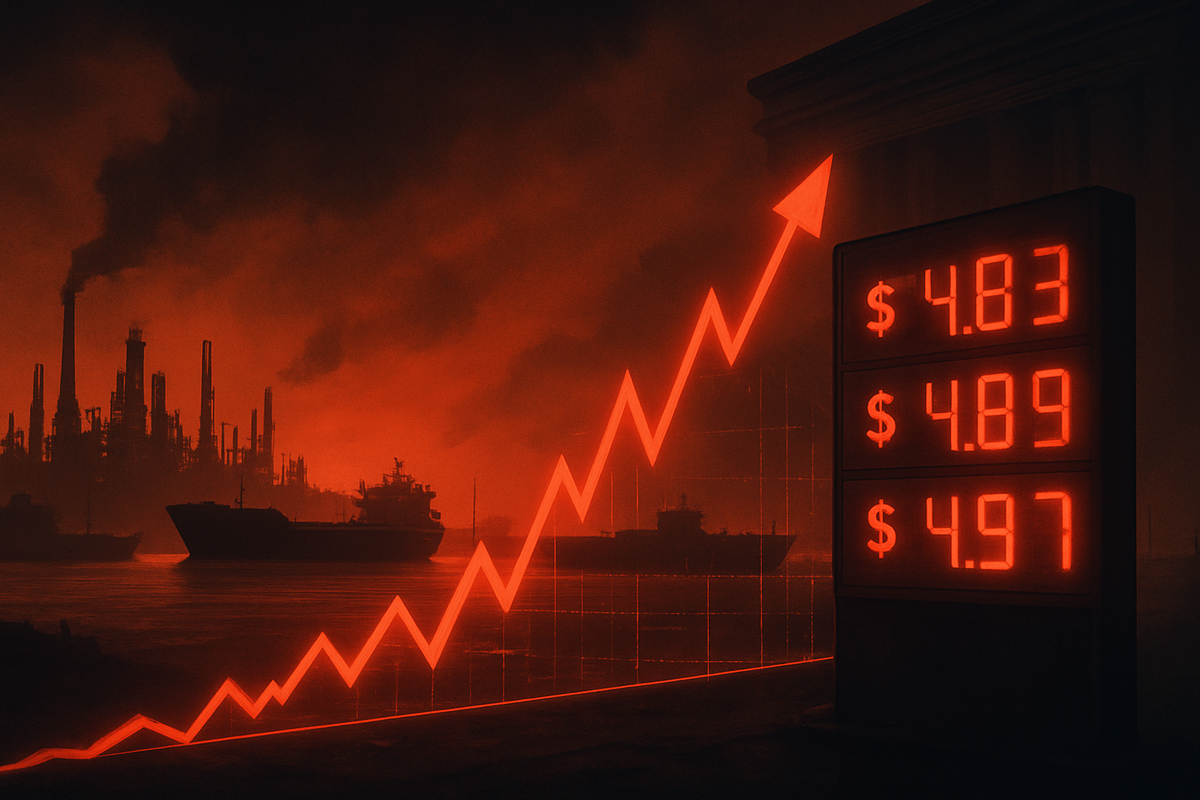
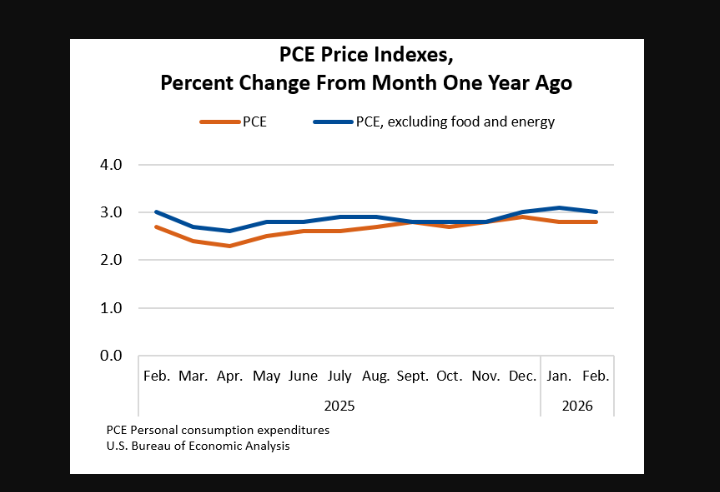
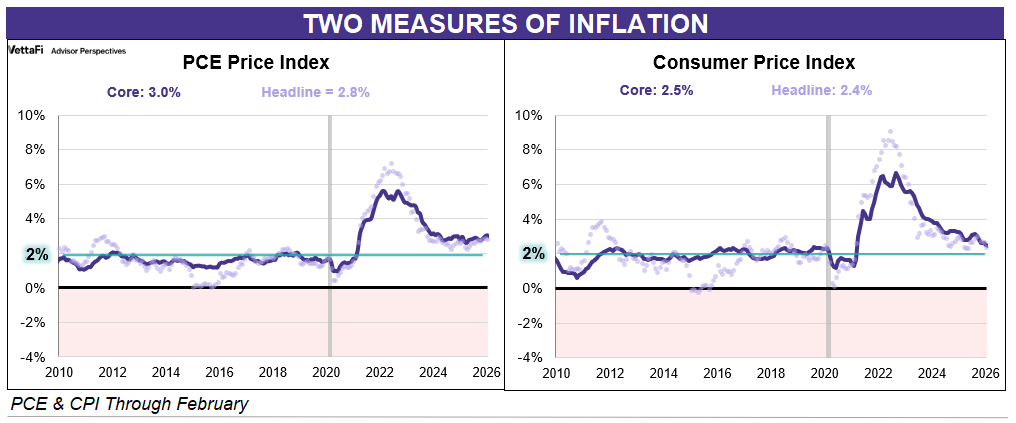
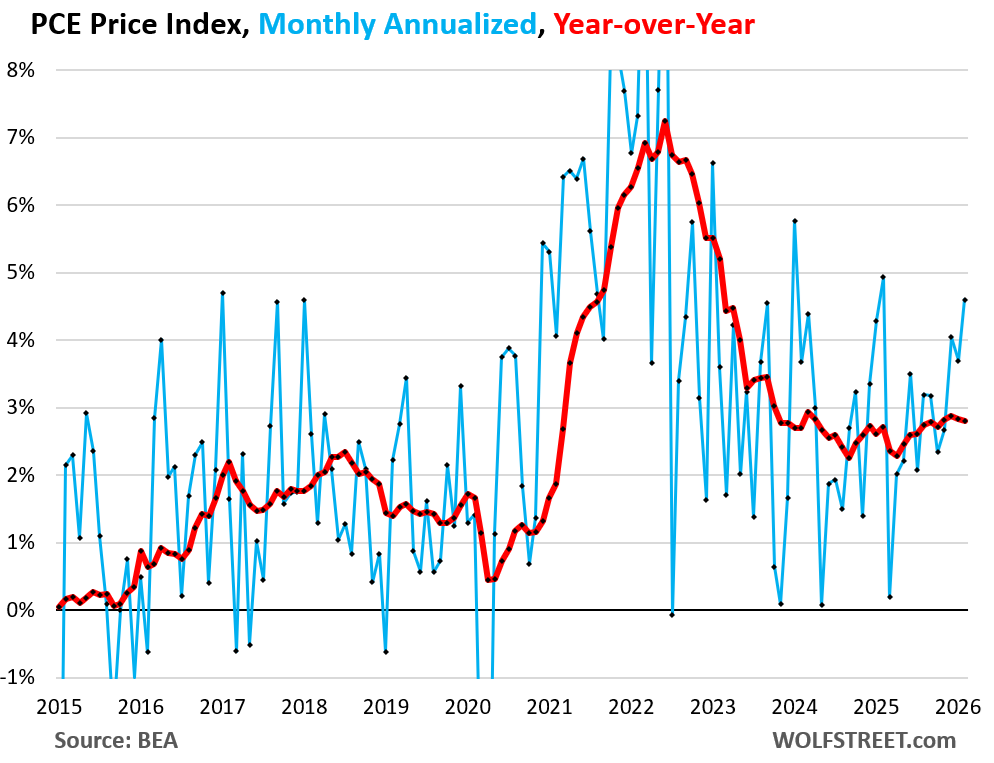
The Iran conflict has triggered the largest one-month fuel cost increase since 1957, creating an immediate operational crisis for cross-border e-commerce sellers. Core PCE inflation remained sticky at 3.0% in February 2026 (released April 9), with headline inflation projected to surge to 3.3% in March and exceed 4% by April—the highest rates since May 2024. Oil prices climbed above $100 per barrel during the conflict, with gasoline prices jumping more than $1 per gallon, directly impacting shipping costs across all logistics corridors.
Shipping Cost Impact for Sellers: The "rockets and feathers" economic principle explains why fuel surges translate immediately into carrier rate increases but decline slowly afterward. FBA sellers shipping 1,000+ units monthly face 8-15% fulfillment cost increases ($150-400 monthly per 1,000 units), while 3PL providers report freight cost jumps of 12-18% for international shipments. About 20% of global energy supplies transit the Strait of Hormuz, alongside critical commodities including helium, aluminum, and fertilizer—all essential for supply chain operations. This creates a compounding cost crisis: sellers pay more for shipping AND for raw materials if they source products containing these commodities.
Consumer Demand Collapse Risk: Simultaneously, consumer purchasing power is deteriorating. Personal income declined 0.1% in February despite rising spending, forcing households to draw down savings (personal savings rate dropped from 4.5% to 4.0%). Hardship withdrawals from 401(k)s reached record levels in 2025, while loan delinquency rates increased even among higher-income households. Consumer spending concentrated on necessities (healthcare, insurance, transportation) rather than discretionary purchases—a critical warning for sellers in apparel, electronics, and home goods categories. EY-Parthenon estimates 40% recession odds, with Federal Reserve Bank of Chicago President Austan Goolsbee warning that rising prices could derail consumer spending if households reduce discretionary purchases (consumer spending represents 70 cents of every GDP dollar).
Tariff Relief Window: One silver lining: effective tariff rates declined from 21% in April 2025 to approximately 8%, providing modest margin relief. This creates a narrow arbitrage opportunity for sellers to source products before fuel costs fully embed into supplier pricing. The Federal Reserve meets April 28-29 with rate cuts now removed from 2026 forecasts, meaning financing costs will remain elevated. Sellers must act immediately to lock in supplier pricing, adjust product mix toward necessities, and optimize logistics before April 30 when the March PCE report determines the Fed's next policy move.
Questions 8
What compliance or operational shortcuts can sellers use to reduce shipping costs immediately?
Three legal strategies reduce costs within 30 days: (1) Consolidate shipments to FBA warehouses—batch 5-10 smaller shipments into one larger shipment to reduce per-unit fuel surcharge impact by 20-30%; (2) Switch to slower shipping tiers (7-14 day vs 2-day) for non-perishable items, reducing fuel surcharge by 15-25%; (3) Negotiate 'fuel cap' clauses with 3PL providers, capping surcharges at 5% regardless of oil price increases. The news indicates the Federal Reserve meets April 28-29, so finalize all logistics contracts by April 25 before any policy announcements affect carrier pricing.
Should sellers source from different countries to avoid tariff and fuel cost impacts?
Yes, but with timing urgency. Effective tariff rates declined from 21% (April 2025) to 8% (current), creating a narrow arbitrage window. Sellers should prioritize sourcing from Vietnam, India, and Indonesia for categories previously sourced from China—these countries offer 3-5% lower tariff rates and 10-15% lower fuel costs due to shorter shipping distances to US ports. However, this window closes by June 2026 when suppliers fully embed fuel surcharges into pricing. Contact suppliers by April 20 to lock in Q2-Q3 pricing; delays beyond May 1 will result in 12-18% price increases.