


Disney's 1,000-Person Layoff Signals Marketing Consolidation | Seller Partnership Risks
- 1,000 marketing department cuts under new CEO D'Amaro (April 2026) may reduce Disney's support for third-party sellers and licensing partners; sellers relying on Disney merchandise distribution channels face potential partnership disruptions











Overview
Disney's Strategic Restructuring Creates Uncertainty for Merchandise Sellers and Licensing Partners
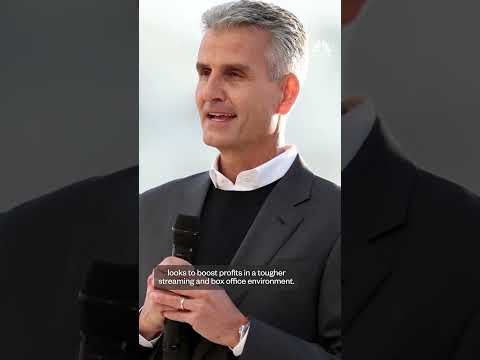
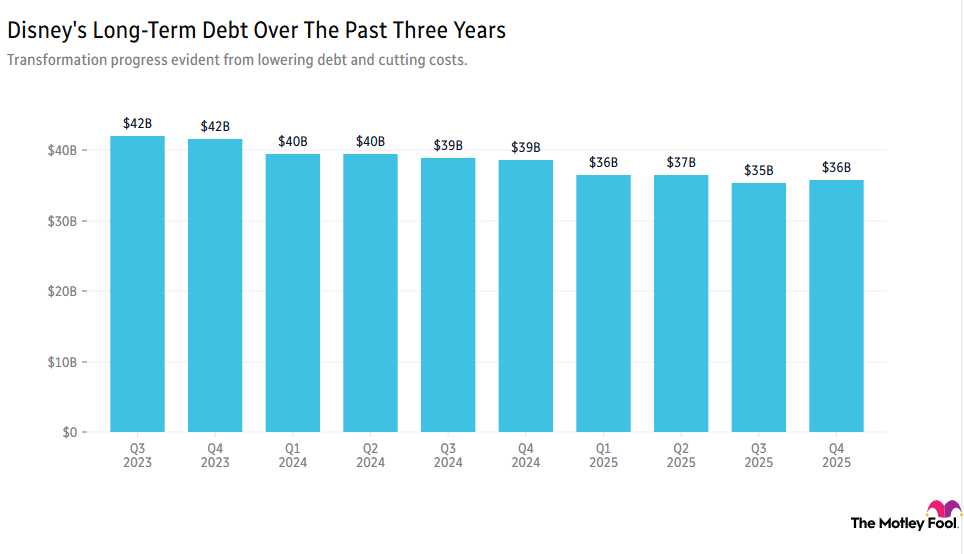
Disney announced plans to eliminate approximately 1,000 positions, primarily concentrated in its recently consolidated marketing department, marking a significant cost-cutting initiative under newly appointed CEO Josh D'Amaro (appointed mid-March 2026). The layoffs represent the company's first major strategic move under new leadership and follow a pattern of aggressive cost optimization—Disney previously cut $5.5 billion in costs and eliminated 7,000 jobs in February 2023. The consolidated marketing function, now unified under Chief Marketing and Brand Officer Asad Ayaz (appointed January 2026), oversees all Disney divisions including entertainment, experiences, and sports, making this restructuring particularly impactful for brand partnerships and third-party seller relationships.
For cross-border e-commerce sellers, this restructuring creates both risks and opportunities. Sellers utilizing Disney's digital properties, streaming services, merchandise distribution channels, or licensing agreements may experience significant changes in partnership terms, marketing support, and promotional opportunities. The consolidation of marketing functions typically results in reduced headcount for partnership management, vendor relations, and seller support teams—functions critical to maintaining healthy relationships with third-party sellers on Disney's platforms and through merchandise licensing agreements. Sellers currently leveraging Disney's brand partnerships for product development, co-marketing initiatives, or exclusive merchandise distribution should anticipate potential delays in approval processes, reduced marketing co-op funding, and less personalized account management during this transition period.
The operational impact extends to Disney's broader e-commerce ecosystem. Disney operates significant digital commerce operations through Disney+, ESPN+, Disney Parks merchandise sales, and third-party marketplace partnerships. The marketing consolidation may streamline brand messaging but could reduce resources dedicated to seller enablement, partnership marketing, and vendor support programs. Sellers in entertainment merchandise, collectibles, licensed apparel, and Disney-branded product categories should monitor Disney's strategic announcements closely. The company's stated position of "operating from a place of strength, with ample opportunity for growth" suggests D'Amaro may pursue aggressive digital commerce expansion, but the immediate layoffs indicate cost discipline will precede growth investments. This creates a window of 6-12 months where partnership support may be minimal while the company stabilizes its new organizational structure.
Broader market implications suggest a trend of major entertainment and technology companies optimizing marketing spend. This could reduce advertising budgets available for co-marketing partnerships with sellers, decrease promotional support for licensed products, and shift Disney's focus toward owned-and-operated channels rather than third-party seller enablement. Sellers should diversify their Disney-dependent revenue streams and reduce reliance on Disney partnership support during this transition period.
Questions 7
How will Disney's 1,000-person layoff affect sellers using Disney merchandise licensing?
Disney's consolidation of marketing functions under a single chief marketing officer will likely reduce dedicated partnership support teams that manage vendor relationships and licensing agreements. Sellers currently leveraging Disney brand partnerships for product development, co-marketing initiatives, or exclusive merchandise distribution should expect slower approval processes, reduced marketing co-op funding, and less personalized account management during the 6-12 month transition period. The layoffs primarily affect the marketing department, which typically houses partnership management and vendor relations roles critical to seller enablement. Sellers should document current partnership terms and establish direct contacts with Disney leadership before further organizational changes occur.
What is the timeline for Disney's restructuring and when should sellers expect partnership changes?
CEO Josh D'Amaro took office in mid-March 2026, with the 1,000 layoffs announced in early April 2026 (April 8-9 per Wall Street Journal reports). The company typically implements layoffs within 4-8 weeks of announcement, suggesting most cuts will be completed by May-June 2026. Sellers should expect partnership support disruptions beginning immediately and lasting through Q3 2026 as the company stabilizes its new organizational structure. D'Amaro's background as Parks Chief suggests he will apply operational discipline learned from theme park management to corporate functions, potentially accelerating the consolidation timeline. Sellers should proactively communicate with Disney partnership teams before June 2026 to clarify ongoing support commitments.