



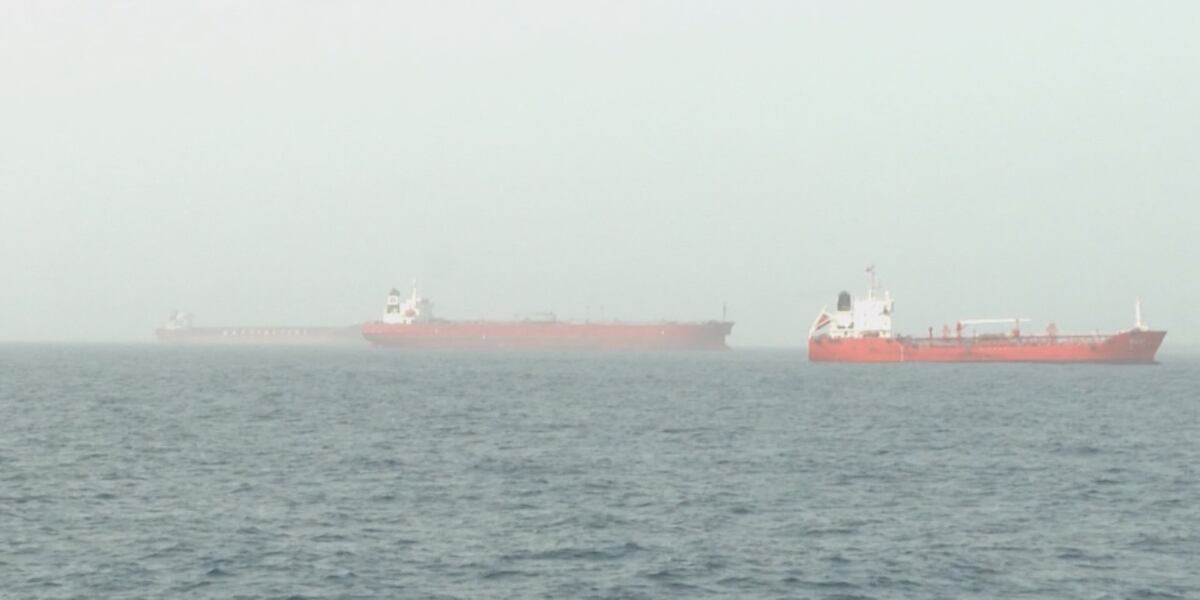


Strait of Hormuz Closure Triggers 70% Fertilizer Surge | Food Exporters Face Critical Supply Crisis
- Fertilizer costs surge 70% since January 2026; Vietnam rice exports drop 8M tons; shipping delays extend 10-15 days; impacts agricultural exporters, food importers, and specialty food sellers across Asia-Pacific and US markets














Overview
The Strait of Hormuz closure triggered by Iran-U.S. conflict has created a cascading supply chain crisis affecting global food production and cross-border agricultural commerce. Fertilizer prices have surged 70% since January 2026, with one-third of global urea supply originating from the Middle East. This directly impacts agricultural exporters, food importers, and specialty food sellers across multiple e-commerce channels.
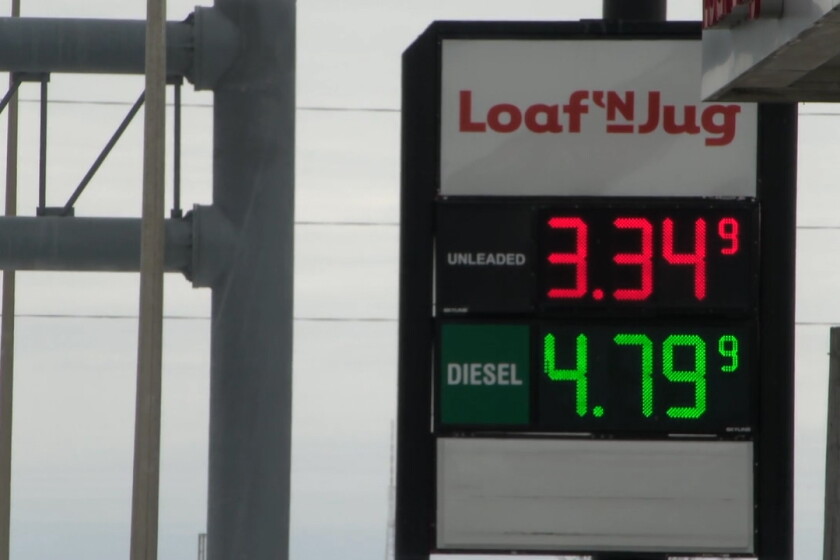
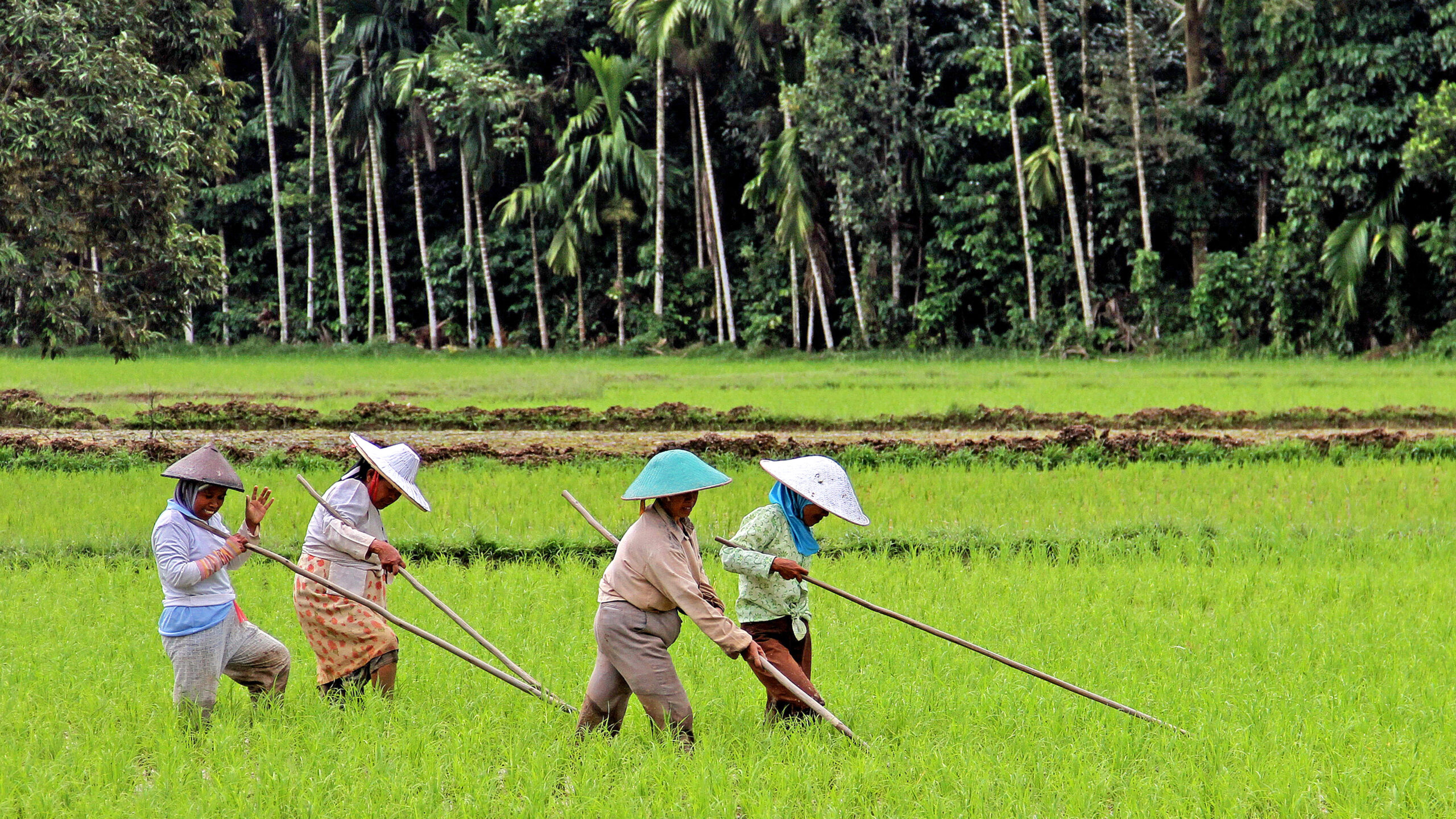
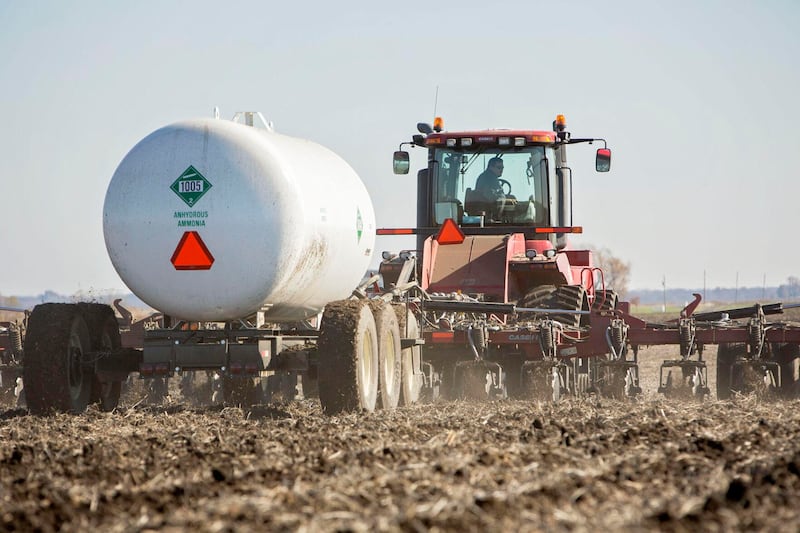
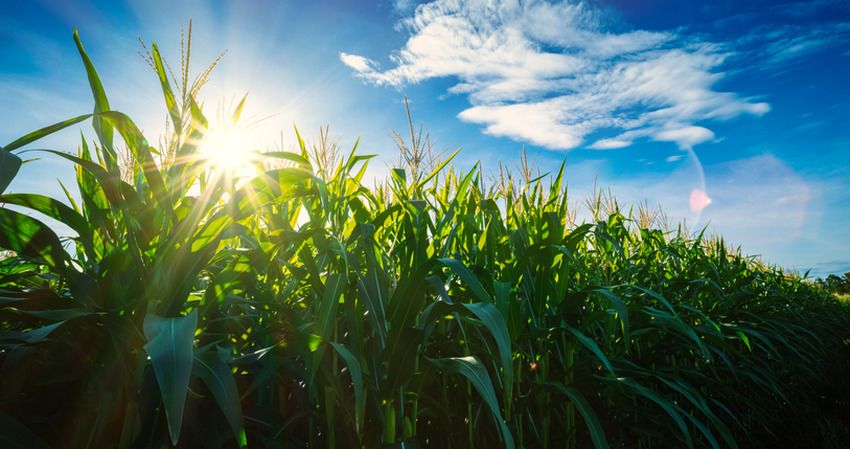
Immediate Market Impact: Vietnam, the world's second-largest rice exporter, has halted rice mill operations during peak electricity hours (late March 2026), with the Mekong Delta normally exporting 8 million tons of rice, 4 million tons of fruit, and nearly 2 million tons of seafood annually. Diesel prices have doubled and remained elevated longer than during the 2022 Ukraine invasion. Shipping delays of 10-15 days are now common as carriers reduce fuel consumption. Fertilizer stockpiles at farm supply stores have collapsed from typical 100-ton capacity to just 4 tons. For US-based sellers, Alabama row crop farmers report fertilizer costs represent 25% of corn production expenses, with nitrogen alone accounting for 16% of total costs (requiring 240 pounds per acre). Commodity prices for corn and cotton have risen only slightly despite production cost escalations, creating severe margin compression.
Seller Segment Implications: Agricultural product exporters face reduced yields and prohibitive input costs—Vietnamese rice farmer Vo Minh Tam stated he would "rather leave it abandoned" than invest in crops at current prices. Food importers experience shipping delays and price volatility, while specialty food sellers (basmati rice from India, Philippine seafood) face blocked shipments at the Strait of Hormuz. The paradox of declining wholesale prices amid rising production costs creates hedging pressure on farmers and inventory risk for importers. Perishable crop categories (fresh fruit, seafood) will likely trigger sharper price increases due to stockpiling constraints.
Strategic Sourcing Shift: The disruption signals a potential shift in agricultural sourcing patterns. Sellers currently dependent on Vietnam rice, Indian basmati, and Philippine seafood face 10-15 day delays and 70%+ input cost increases. Alternative sourcing from less energy-dependent regions (US domestic, African suppliers, South American producers) becomes strategically valuable. The temporary April 8, 2026 ceasefire provided only brief relief; underlying supply chain vulnerabilities persist. According to ISEAS-Yusof Ishak Institute, consequences will likely persist even if lasting peace emerges, creating long-term agricultural disruption across Asia through 2026-2027.
Compliance and Risk Considerations: Sellers must monitor fertilizer-dependent categories (organic produce, specialty grains, premium vegetables) for sustained price volatility. Inventory hedging becomes critical—stockpiling before further price escalations or diversifying sourcing to reduce single-region dependency. The 5-8 year trend of persistent inflation combined with commodity price stagnation indicates structural margin compression for agricultural sellers, requiring pricing strategy adjustments and cost optimization across fulfillment networks.
Questions 8
How much have fertilizer prices increased due to the Strait of Hormuz closure?
Fertilizer prices have surged **70% since January 2026**, with one-third of global urea supply originating from the Middle East. For US corn farmers, fertilizer costs represent approximately **25% of corn production expenses**, with nitrogen alone accounting for **16% of total costs**. Auburn University agricultural economist Wendiam Sawadgo confirms that while the United States does not heavily depend on imported natural gas, increased global demand from the strait's closure is driving up fertilizer costs worldwide, significantly reducing profit margins for farmers already struggling with inflation. This cost escalation directly impacts agricultural product sellers on Amazon, eBay, and specialty food marketplaces who source from affected regions.
What is the impact on Vietnam's rice exports and shipping timelines?
Vietnam, the world's second-largest rice exporter, has significantly reduced operations with rice mills in the Mekong River Delta halting operations during peak electricity hours (late March 2026). The Mekong Delta normally exports **8 million tons of rice, 4 million tons of fruit, and nearly 2 million tons of seafood annually**, but production has contracted due to surging energy prices. Shipping delays of **10-15 days** are now common as carriers reduce fuel consumption to manage doubled diesel costs. For cross-border sellers importing Vietnamese rice, Indian basmati, or Philippine seafood, these delays create inventory management challenges and require adjusted lead time planning in supply chain operations.