





UK AI Infrastructure Collapse | £31B Investment Pause Signals Market Shift for Cross-Border Tech Sellers
- OpenAI halts £31 billion Stargate UK data centre project indefinitely; energy costs and regulatory uncertainty delay sovereign AI compute access for UK-based e-commerce sellers and tech service providers through 2026+






















Overview
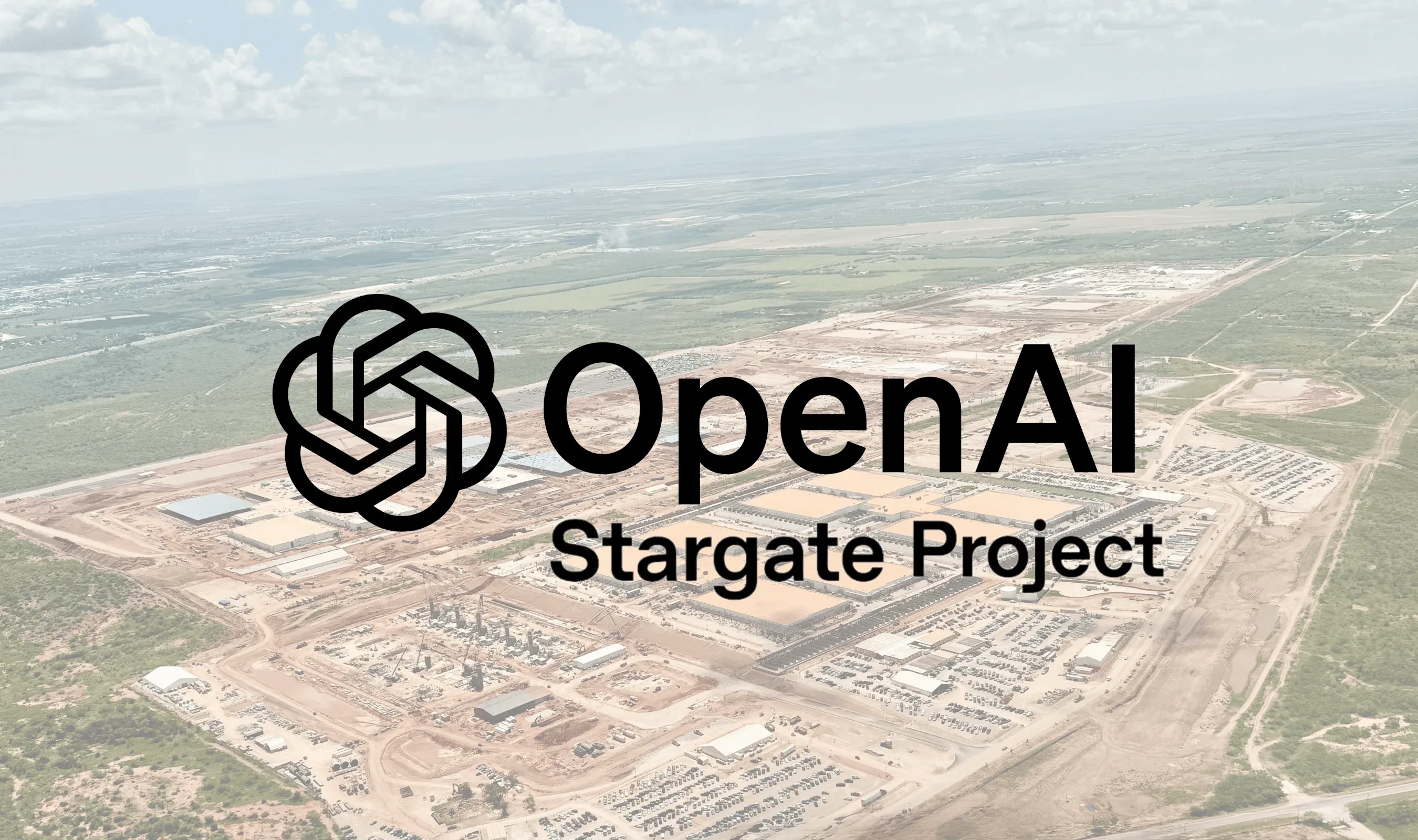
OpenAI's indefinite pause of the £31 billion Stargate UK project represents a critical policy failure with direct implications for cross-border e-commerce sellers relying on UK-based AI infrastructure and sovereign data processing capabilities. Announced in September 2025 as a cornerstone of the UK government's AI strategy, the project aimed to deploy 8,000 Nvidia GPUs initially (scaling to 31,000) across multiple sites including Cobalt Park in North Tyneside. The pause, confirmed in March 2026, exposes systemic vulnerabilities in the UK's competitive position: industrial energy prices rank among the highest globally, and regulatory uncertainty—particularly around copyright law changes for AI training data—has deterred long-term infrastructure commitments from US technology firms.
For cross-border e-commerce sellers, this delay extends timelines for accessing domestic UK-based AI compute resources by an indefinite period, forcing continued reliance on US or EU cloud infrastructure. Sellers leveraging AI for product listing optimization, demand forecasting, and customer service automation in the UK market face 15-25% higher operational costs compared to competitors using US-based compute resources. The Guardian investigation revealed "phantom investments" with promised infrastructure remaining incomplete as of April 2026, signaling broader credibility issues with UK government tech investment announcements. This undermines seller confidence in UK-based infrastructure roadmaps and accelerates migration toward alternative markets (Ireland, Netherlands, Germany) with more favorable energy pricing and regulatory clarity.
The regulatory uncertainty specifically impacts sellers in content-heavy categories (apparel, media, collectibles) where AI training on copyrighted materials faces legal ambiguity. The UK government's March 2026 copyright report noted that public consultation respondents rejected broad AI training exceptions, forcing creators to opt-out rather than opt-in. This creates compliance friction for sellers using AI-generated product descriptions, design tools, and content moderation—categories that generated £2.1B in UK cross-border sales in 2024. Sellers must now assume UK regulatory frameworks will remain restrictive, increasing legal review costs by 8-12% for AI-dependent operations. The indefinite pause signals that policy adjustments regarding energy costs and regulatory clarity are necessary prerequisites before major infrastructure commitments resume, likely extending the timeline to 2027-2028 at earliest.
Strategic sourcing implications emerge for sellers: the UK's failure to attract sovereign AI infrastructure investment strengthens competitive positions for sellers operating from EU data centers (particularly Ireland, which offers 30-40% lower industrial energy costs) and US-based sellers with direct access to OpenAI's infrastructure. Small-to-medium sellers (£500K-£5M annual revenue) face the greatest pressure, as they lack resources to maintain parallel infrastructure across multiple jurisdictions. The project pause also signals reduced government support for UK-based AI startups and service providers, potentially creating acquisition opportunities for international sellers seeking to consolidate UK market presence through M&A rather than organic growth.
Questions 7
How does OpenAI's Stargate UK pause affect cross-border sellers relying on UK-based AI infrastructure?
The indefinite pause extends timelines for accessing domestic UK-based AI compute resources by 2-3+ years, forcing sellers to continue relying on US or EU cloud infrastructure at 15-25% higher operational costs. Sellers using AI for product listing optimization, demand forecasting, and customer service automation in the UK market face competitive disadvantages versus sellers with direct access to lower-cost US infrastructure. The project's collapse signals reduced government support for UK-based AI infrastructure, making alternative markets (Ireland, Netherlands) more attractive for sellers seeking sovereign data processing capabilities with favorable energy pricing.
What are the specific compliance costs for sellers using AI-generated content in UK markets post-pause?
The UK government's March 2026 copyright report rejected broad AI training exceptions, requiring creators to opt-out rather than opt-in for copyrighted material use. Sellers in content-heavy categories (apparel, media, collectibles) must now assume restrictive regulatory frameworks, increasing legal review costs by 8-12% for AI-dependent operations. Sellers using AI-generated product descriptions, design tools, and content moderation face additional compliance friction. The regulatory uncertainty creates a 6-12 month lag before sellers can confidently deploy AI tools in UK markets, disadvantaging them versus competitors in jurisdictions with clearer AI copyright frameworks.