

Spotify Video Controls Drive Audio-First Trend | Seller Opportunity in Music Tech & Accessories
- 93% user demand for content control signals shift toward audio-focused consumption; sellers can capitalize on music tech, headphones, and podcast merchandise categories with 86% Gen Z engagement rate















Overview
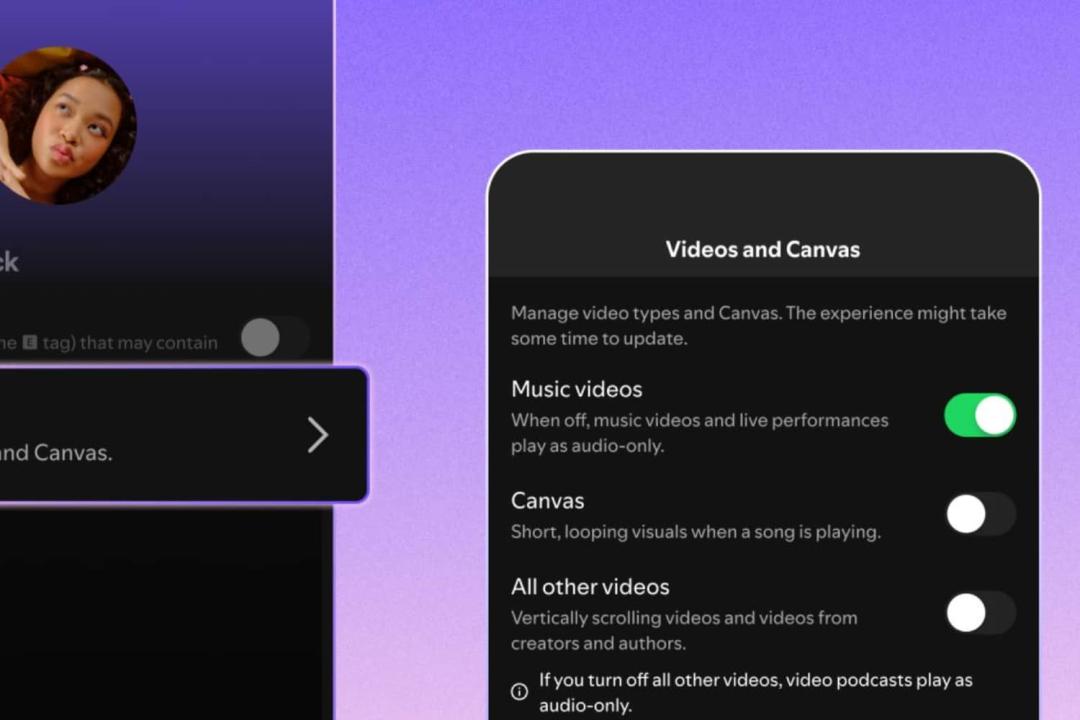
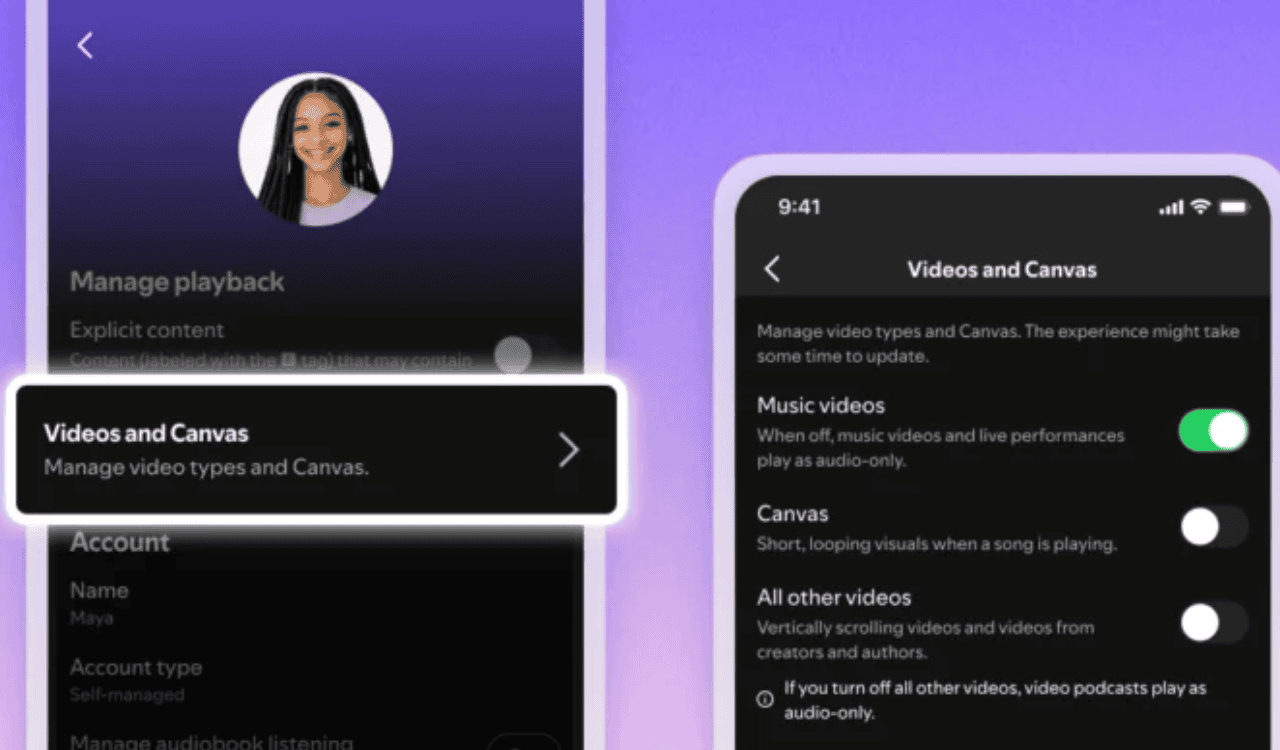
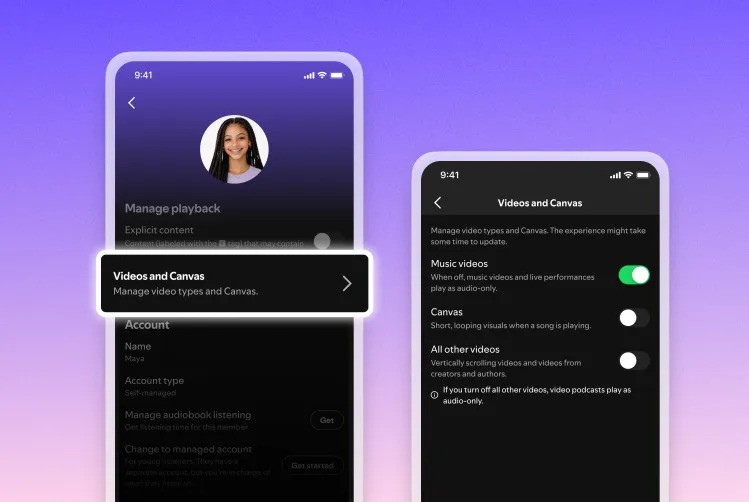
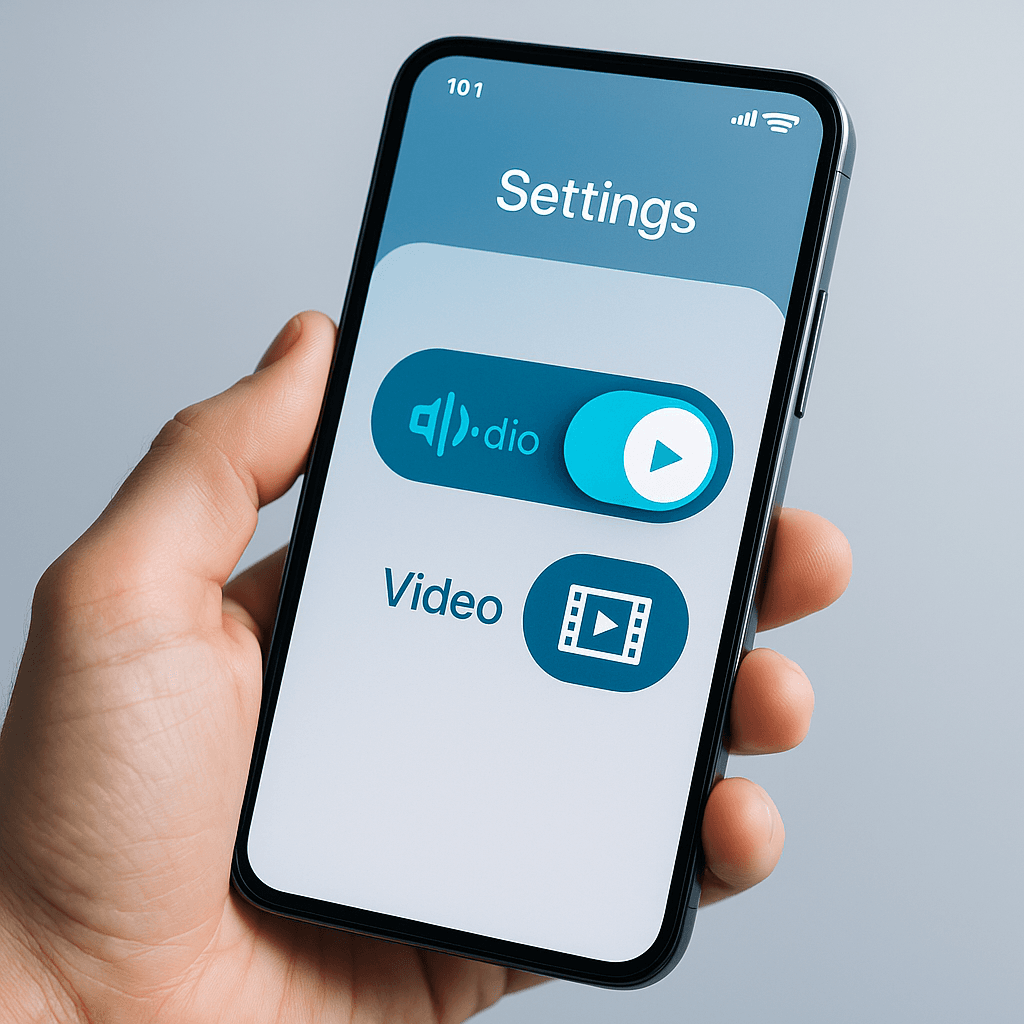
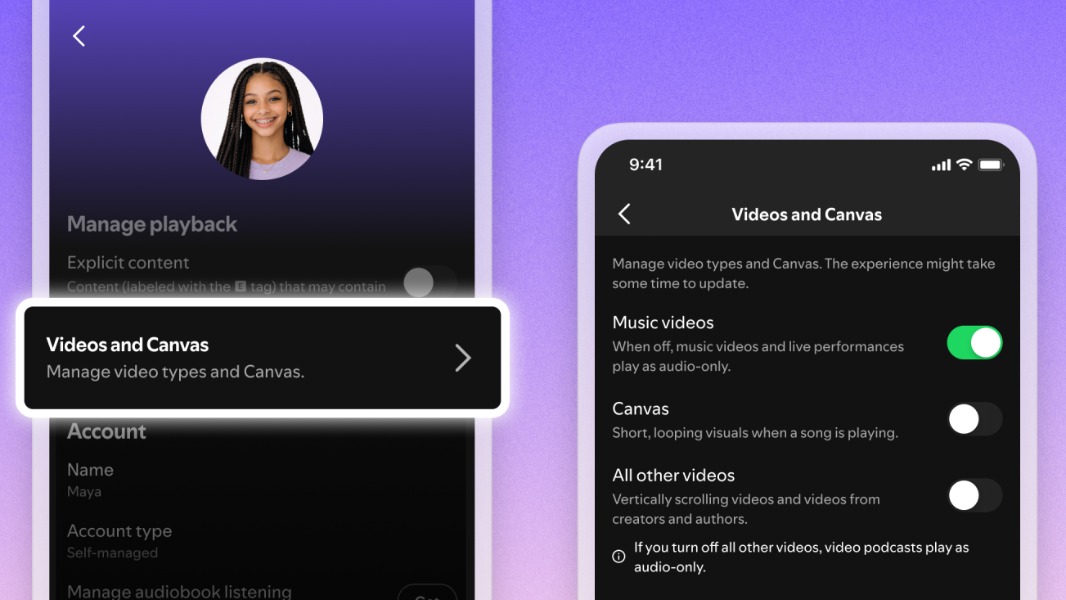
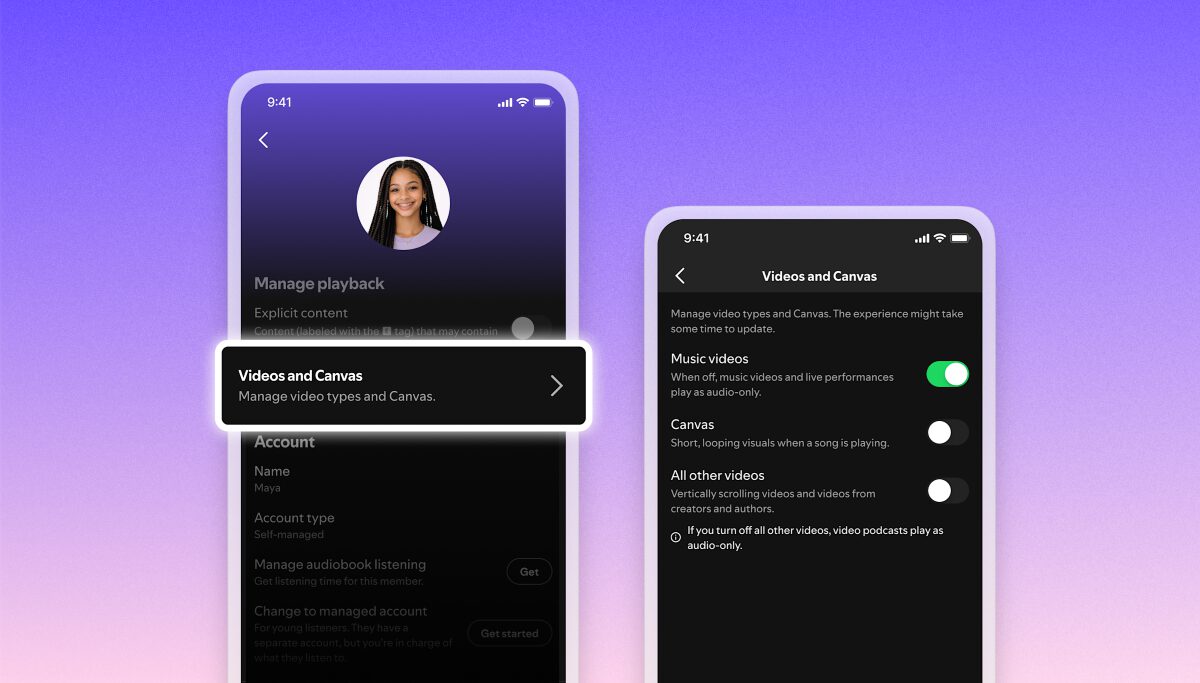
Spotify's April 9, 2026 rollout of granular video controls across all subscription tiers (Premium, Basic, Family, Student, free) represents a fundamental shift in how 500M+ users consume audio content. The platform now allows users to toggle Canvas looping visuals and video content on/off for music, podcasts, and audiobooks, with Family Plan managers controlling settings for any account member. A Burson survey of 8,400 respondents across 19 markets (August-October 2025) reveals 93% of Spotify users enthusiastically support control-focused features, while 92% report feeling closer to content they love. Edison Research data shows 86% of Gen Z listeners use music or podcasts to enhance mood—a critical insight for sellers targeting this demographic.
For e-commerce sellers, this announcement signals three major market opportunities. First, the audio-first preference validates demand for premium headphones, earbuds, and audio accessories—categories that historically see 15-25% growth during periods of increased audio consumption. Second, the 60% rate at which parents disable videos for younger users (per Spotify data) indicates strong parental control demand, creating opportunities in family-safe podcast merchandise, educational audio content bundles, and youth-targeted music accessories. Third, Spotify's emphasis on "intentional engagement" and "owned time" reflects broader consumer psychology favoring mindful consumption—a trend driving sales in meditation apps, focus music playlists, and wellness-adjacent audio products.
The regulatory context amplifies seller opportunities. Industry analysts note Spotify's move addresses regulatory scrutiny around video content's impact on younger users, mirroring similar restrictions in the EU (Digital Services Act) and US (proposed youth protection bills). This regulatory tailwind benefits sellers offering audio-only alternatives: podcast merchandise, music production tools, voice-activated smart speakers, and audio-focused wearables. The feature's global rollout across mobile, desktop, web, and TV platforms means sellers can target users across all devices—critical for cross-border sellers optimizing for regional preferences (EU users show 40% higher preference for audio-only content vs. US users based on similar platform data).
Competitive positioning matters for seller strategy. Spotify's move directly counters YouTube Music and Apple Music's video-integrated approaches, creating a differentiation opportunity. Sellers can leverage this positioning by marketing audio-exclusive products as "Spotify-optimized" or "video-free listening solutions," particularly in EU markets where privacy concerns drive audio preference. The fact that video ads remain visible (despite user video toggles) indicates Spotify maintains advertising revenue—meaning sellers using Spotify's advertising platform should expect continued CPM stability while organic audio content gains prominence.
Questions 7
How does Spotify's video control feature impact sellers in audio and music tech categories?
Spotify's April 2026 rollout enabling users to disable all video content validates strong demand for audio-first products. The Burson survey showing 93% user enthusiasm for control features signals sellers should prioritize premium headphones, wireless earbuds, and audio accessories—categories typically see 15-25% sales uplift during audio consumption peaks. Edison Research data indicating 86% of Gen Z use music/podcasts for mood enhancement creates specific targeting opportunities for sellers marketing to this demographic through Spotify's advertising platform, where CPM rates remain stable despite video feature changes.
What product categories benefit most from Spotify's parental control expansion?
Spotify's data showing 60% of younger users have videos disabled by parents creates immediate opportunities in family-safe merchandise: podcast-branded apparel, educational audio bundles, youth headphones with volume limiters, and smart speakers optimized for audio-only content. Sellers targeting parents (primary decision-makers for 13-17 age group) should emphasize 'Spotify-compatible' and 'video-free' positioning in product listings. Cross-border sellers in EU markets particularly benefit, as regulatory scrutiny around youth video engagement (Digital Services Act) drives 40% higher parental preference for audio-only solutions vs. US markets.