


Spotify's Video Control Rollout Signals Shift in Audio-First Monetization | Seller Opportunity in Creator Equipment & Podcast Tech
- 93% user demand for content control features drives platform personalization; opens $2.1B+ creator equipment market for sellers targeting podcast/music production niches














Overview
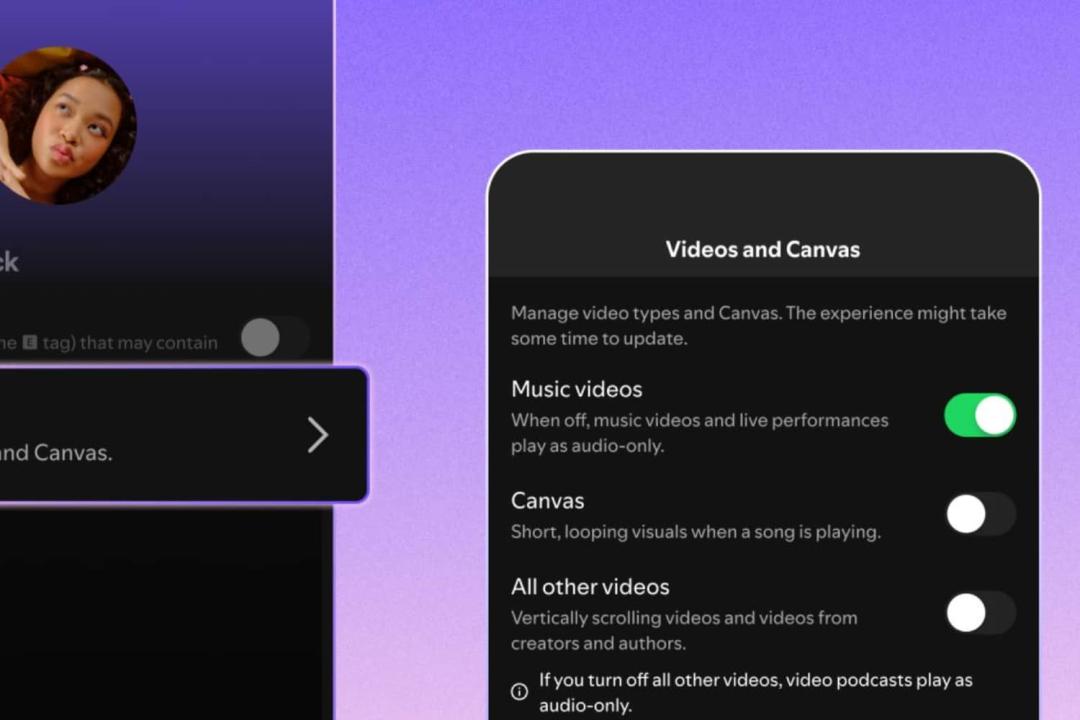
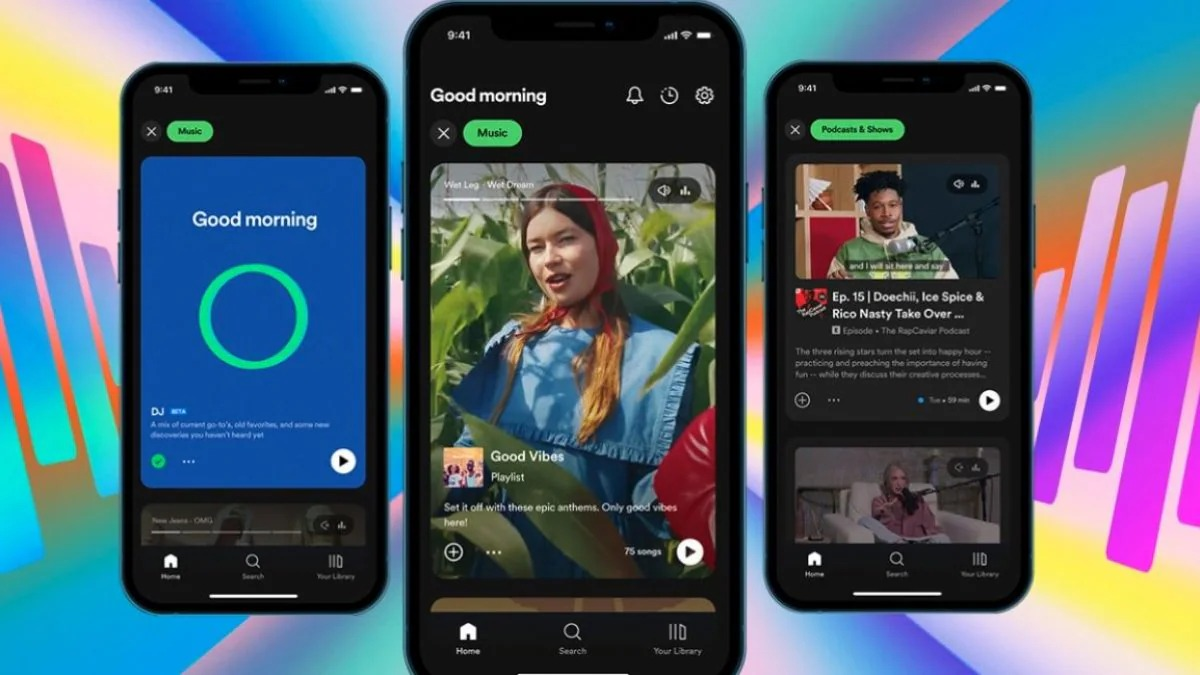
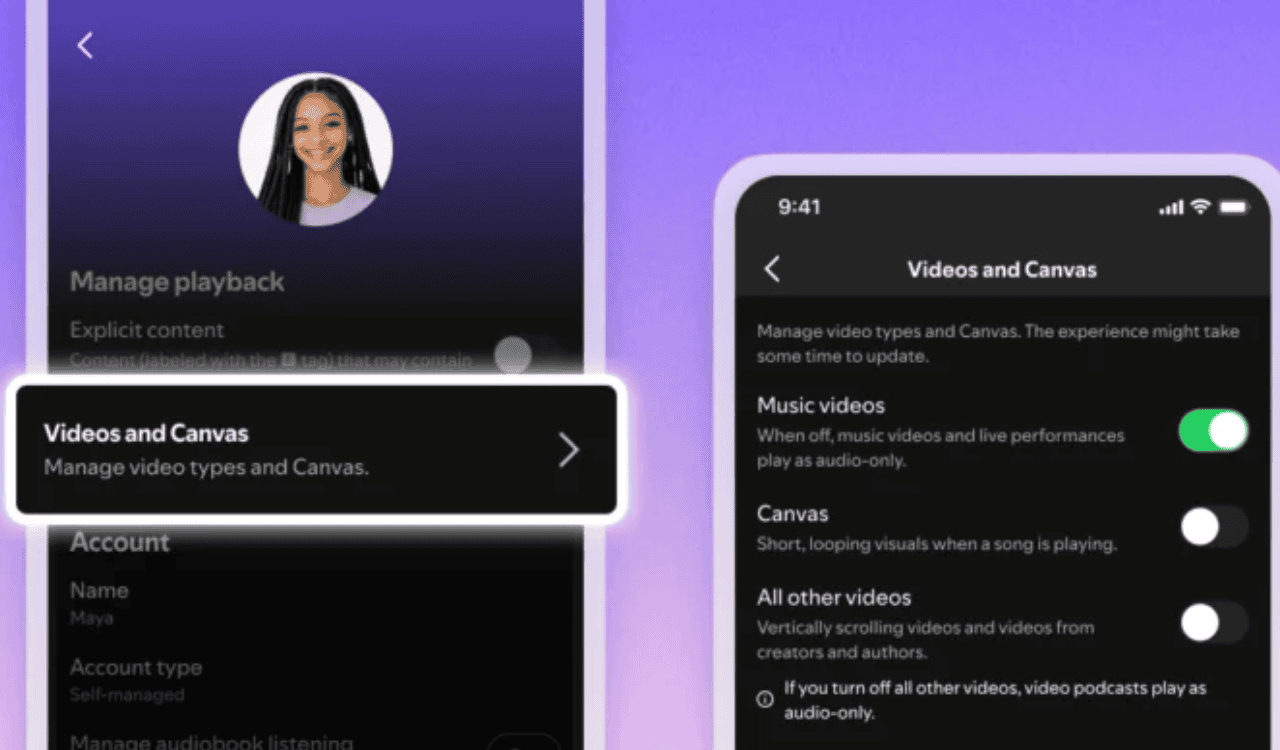
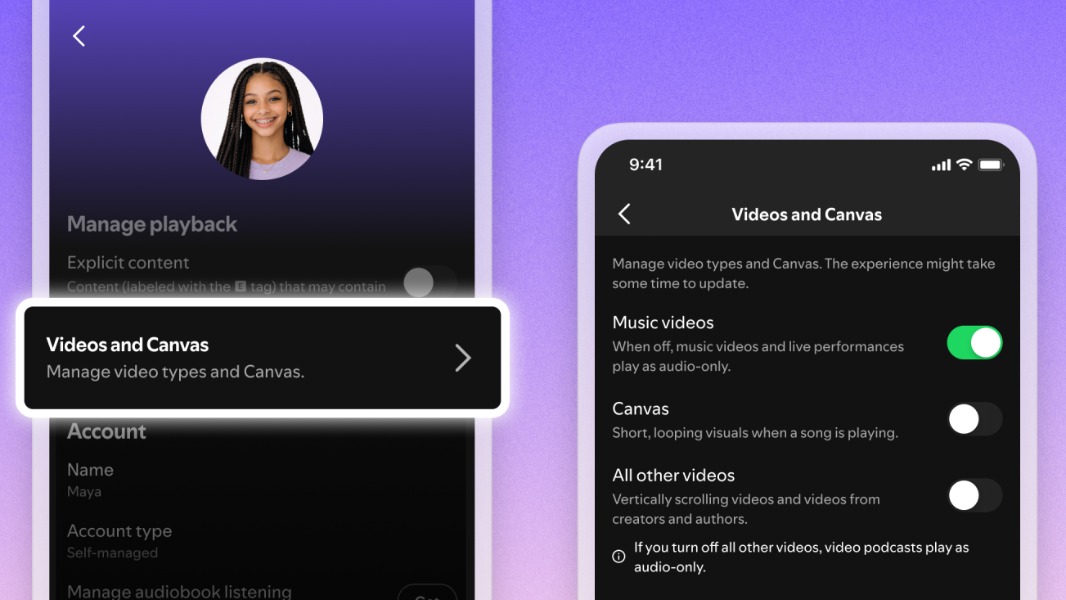
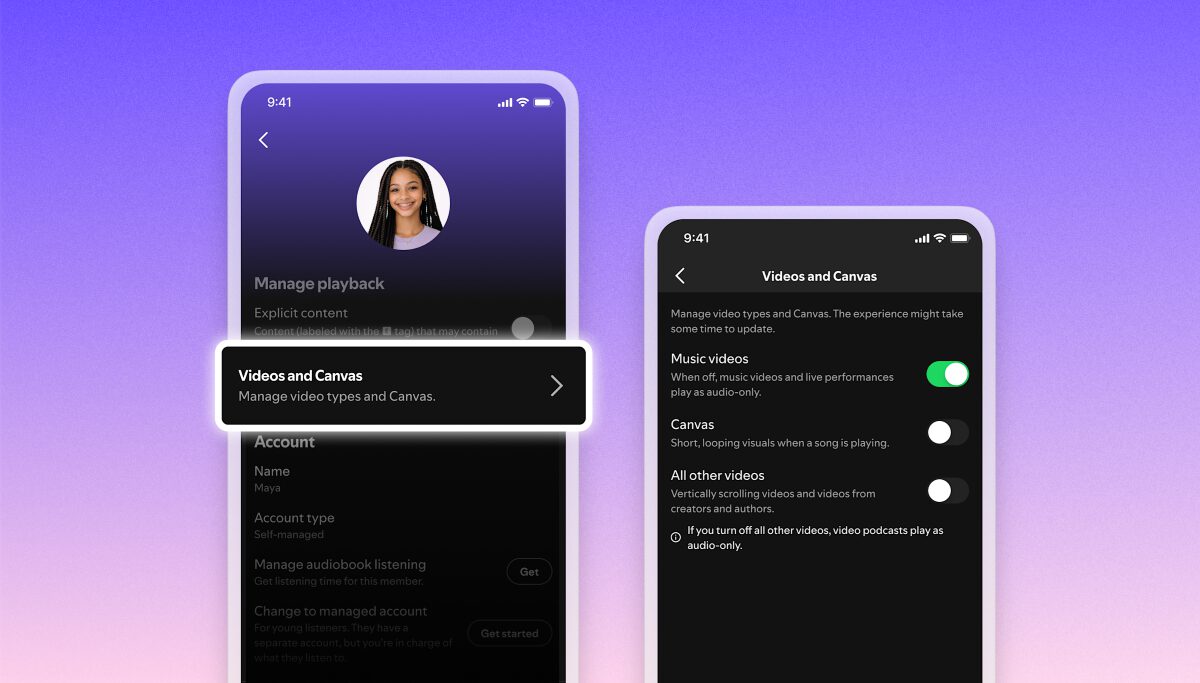
Spotify's April 9, 2026 video control expansion represents a critical strategic pivot toward user-centric monetization that directly impacts seller opportunities in creator technology and audio equipment categories. The platform rolled out granular video settings across all subscription tiers (Premium, Basic, Individual, Duo, Family, Student, free), allowing users to toggle Canvas visuals and video content on/off for music, podcasts, and audiobooks. Critically, 60% of younger users had videos disabled by account managers, and a Burson survey of 8,400 respondents across 19 markets (August 27-October 3, 2025) revealed 93% enthusiasm for control-focused features—signaling massive demand for personalized, intentional consumption experiences.
This shift creates three distinct seller opportunities: First, the emphasis on "intentional engagement" and mood-enhancement (86% of Gen Z use music/podcasts for mood regulation per Edison Research) drives demand for premium audio equipment, noise-canceling headphones, and podcast production gear. Sellers targeting creators can capitalize on Spotify's positioning as a platform where users "actively shape discovery and consumption patterns"—creators need professional equipment to produce content that resonates with this control-conscious audience. Second, Family Plan managers now control video settings for all members, expanding parental control features beyond under-13 users. This regulatory-driven expansion signals growing scrutiny of youth engagement with video content, creating demand for family-safe audio products, educational podcasts, and kid-friendly audio equipment. Third, Spotify's maintenance of video ad placements despite user video-toggle options indicates the platform is protecting advertiser revenue while respecting user preferences—sellers can leverage this dual-track approach by advertising audio-focused products through Spotify's video ad network (which remains visible regardless of user settings).
The competitive context matters for sellers: Spotify's multi-year video expansion (Canvas 2018, video podcasts 2020, music videos 2024) was designed to compete with YouTube Music and Apple Music. However, this April 2026 rollout reveals Spotify is retreating from video-first positioning toward audio-first with optional video—a strategic concession that benefits sellers in audio niches. The platform's emphasis on "control transforms passive time consumption into owned, intentional engagement" (per Co-CEO Gustav Söderström) directly mirrors consumer behavior trends favoring intentional, curated experiences over algorithmic feeds. Sellers in podcast hosting, audio editing software, microphone equipment, and music production tools can target this growing segment of users seeking deeper, more controlled listening experiences. Additionally, the global rollout across 19 markets (per Burson survey) indicates this is not a US-only trend—international sellers can capitalize on demand for audio equipment in EU, APAC, and emerging markets where Spotify's user base is expanding rapidly.
Questions 8
How does Spotify's video control feature impact sellers in audio equipment categories?
Spotify's April 2026 rollout signals a strategic retreat from video-first positioning toward audio-first with optional video, directly benefiting sellers in podcast production, microphones, and audio editing software. The Burson survey showing 93% user enthusiasm for control-focused features indicates strong demand for premium audio experiences—users who disable video content are more likely to invest in high-quality headphones, microphones, and audio interfaces. Edison Research data showing 86% of Gen Z use music/podcasts for mood enhancement creates a specific targeting opportunity for sellers to market audio equipment as mood-management tools. Sellers should prioritize podcast production equipment and professional audio gear in their Amazon, eBay, and Shopify listings, emphasizing quality and intentional listening experiences.
What is the Family Plan parental control expansion and how does it affect family-focused product sellers?
Spotify expanded parental controls beyond users under 13 to all Family Plan members, with 60% of younger users already having videos disabled by account managers. This regulatory-driven expansion signals growing scrutiny of youth engagement with video content and creates demand for family-safe audio products, educational podcasts, and kid-friendly audio equipment. Sellers can capitalize by targeting family-oriented audio products—children's headphones, educational podcast subscriptions, and family-friendly audio content. The expansion across all subscription tiers (Premium, Basic, Student, free) indicates this is a mass-market feature, not niche—sellers should develop product listings emphasizing parental controls, age-appropriate content, and family safety features.