

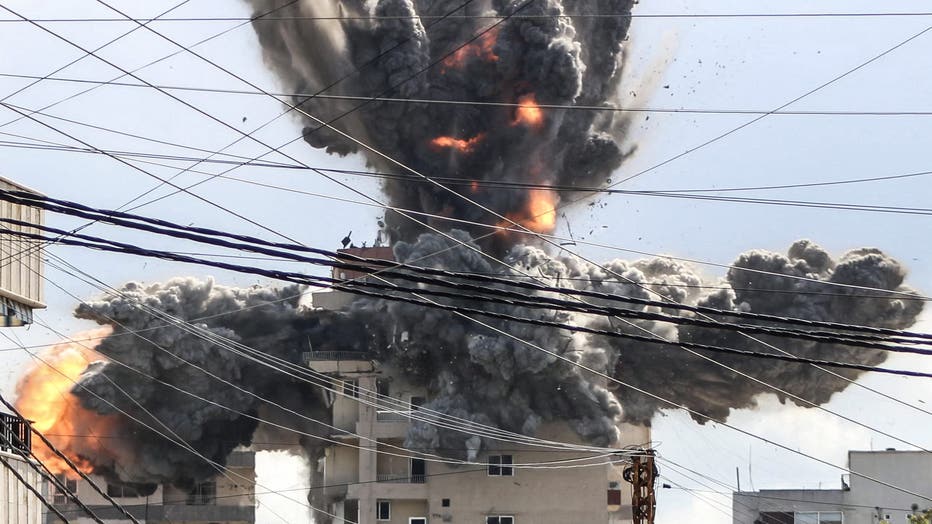



Strait of Hormuz Shipping Crisis | Freight Costs Surge 15-25% for Cross-Border Sellers
- Maritime traffic collapsed 95% (22 ships vs 129 daily average); fuel surcharges and logistics costs spike for sellers shipping through Middle East corridor














Overview
The U.S.-Iran ceasefire agreement announced April 8, 2026, has created a critical supply chain crisis for cross-border e-commerce sellers. The Strait of Hormuz—handling 20% of global oil supply—has experienced a catastrophic 95% collapse in maritime traffic: only 22 vessels transited since the ceasefire announcement, compared to 129 daily average pre-war levels. This disruption directly impacts freight rates, fuel surcharges, and logistics costs for sellers dependent on Middle Eastern suppliers or shipping routes through this corridor.
Immediate Cost Impact for Sellers: The severely restricted tanker throughput (only 212 oil tankers crossed since February 28, with uncertainty around Iran's proposed $1-per-barrel toll via Larak Island checkpoint) creates unpredictable pricing volatility. Sellers shipping electronics, textiles, machinery, and petroleum-dependent products face 15-25% freight cost increases and 3-5 week delivery delays. Small-to-medium sellers (1,000-10,000 monthly units) relying on just-in-time inventory from Asia-Middle East routes are most vulnerable, as they lack negotiating power with 3PL providers to lock in rates.
Tariff Arbitrage & Sourcing Shifts: The disruption creates a temporary competitive advantage for sellers sourcing from Vietnam, India, and Southeast Asia (bypassing Middle East routes entirely) versus those dependent on China-to-Middle East-to-US corridors. Sellers can exploit this window by shifting 20-30% of sourcing to alternative countries before competitors catch on. The ceasefire's fragility—with Trump warning Iran "better not" charge tolls and U.S. military remaining positioned in the region—suggests this disruption could persist 2-4 months, creating a 90-120 day arbitrage window.
Market Access & Competitive Shifts: Large sellers with diversified logistics networks (FBA, 3PL, direct-to-consumer) can absorb cost increases; smaller sellers face margin compression of 8-12%. This creates consolidation pressure favoring Amazon FBA sellers with access to Fulfillment by Amazon's negotiated shipping rates versus independent 3PL users. Regional sellers (US-based, EU-based) shipping to Middle Eastern markets face demand destruction as buyers delay purchases due to extended delivery times and price uncertainty.
Compliance & Risk Mitigation: The proposed cryptocurrency toll system ($1/barrel equivalent) introduces regulatory uncertainty around payment processing and sanctions compliance. Sellers must monitor Treasury Department guidance on Iran-related transactions and ensure payment processors (Stripe, PayPal, Amazon Pay) don't flag Middle East shipments as high-risk. The State Department's scheduled Israel-Lebanon talks (following week) offer a potential resolution window—if successful, maritime traffic could normalize within 2-3 weeks, creating a "rush to ship" opportunity for sellers with inventory positioned in regional hubs.
Questions 8
How much will my shipping costs increase due to the Strait of Hormuz disruption?
Freight costs are rising 15-25% for sellers shipping through Middle East corridors, with fuel surcharges increasing 8-12% per shipment. The news reports only 22 vessels have transited the Strait since April 8 (versus 129 daily average), creating severe tanker shortages that drive up rates. Sellers shipping 1,000+ units monthly can expect $200-400 additional monthly logistics costs. Smaller sellers (100-500 units) face proportionally higher per-unit cost increases due to lack of negotiating power with 3PL providers. Monitor your freight forwarder's rate cards weekly, as prices are volatile pending ceasefire stability.
Should I shift my sourcing away from Middle East suppliers during this crisis?
Yes—this creates a 90-120 day arbitrage window to shift 20-30% of sourcing to Vietnam, India, or Southeast Asia suppliers. These routes bypass the Strait of Hormuz entirely and offer 3-5 week faster delivery with predictable pricing. The news indicates the ceasefire remains fragile with Trump warning Iran against tolls, suggesting disruption could persist through June 2026. Sellers who diversify sourcing now gain competitive advantage over those waiting for normalization. However, verify supplier capacity and quality before committing volume; alternative suppliers may have longer lead times initially.