
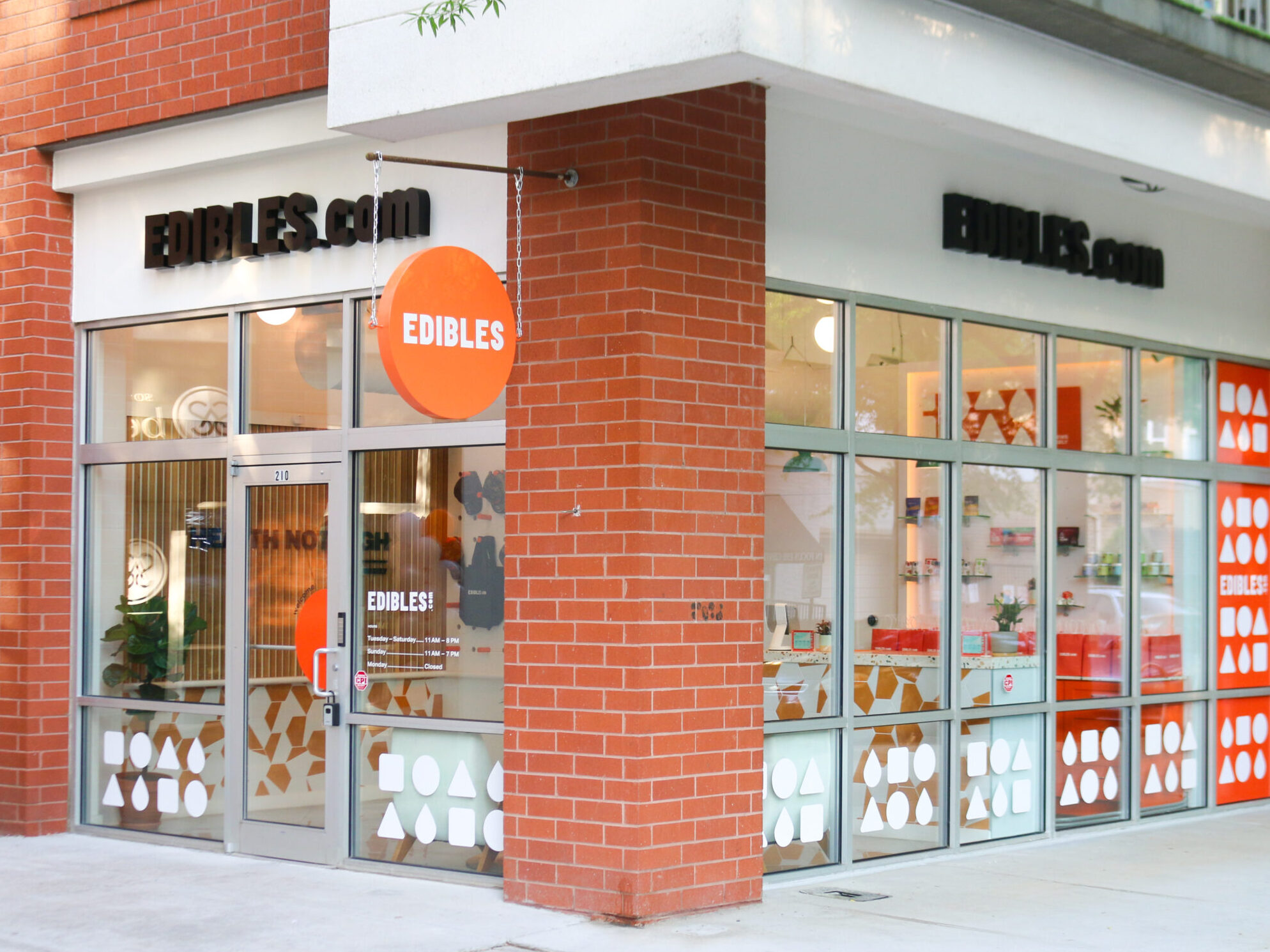
Hemp Retail Expansion in Georgia | O2O Strategy Amid Federal Ban
- Edibles.com opens first physical store in Atlanta's Inman Park (April 2026); $28B hemp industry faces November 2026 THC ban; Georgia medical cannabis expansion creates 33,000+ patient market opportunity
Overview
Edibles.com's physical retail launch in Atlanta's Inman Park neighborhood (April 9, 2026) represents a critical O2O strategy pivot for the $28 billion hemp industry facing unprecedented federal regulatory pressure. The company, which launched its e-commerce marketplace in March 2025, is deliberately opening offline touchpoints despite President Trump's spending bill redefining hemp regulations under the 2018 Farm Bill—specifically the November 2026 deadline when any hemp-derived product containing more than 0.4 milligrams of THC per container becomes contraband. This aggressive offline expansion signals a calculated bet that physical retail presence can influence regulatory outcomes while building brand trust and direct consumer relationships.
The offline-to-online conversion opportunity is substantial for hemp product sellers. Edibles.com's retail strategy directly addresses consumer education gaps in stress management, alcohol replacement, and sleep improvement applications—categories where online-only sellers struggle with conversion due to product complexity and regulatory uncertainty. The physical store enables direct consumer engagement in a "regulated environment," reducing purchase friction that typically plagues hemp e-commerce. Industry observers view this prototype as potentially influential with policymakers, suggesting that successful O2O models could demonstrate responsible commerce practices. Georgia's medical cannabis program expansion (Senate Bill 220 under consideration by Governor Kemp) would increase allowable THC from 5% to 50% and introduce vaporizable products, expanding the addressable market from 33,000 registered patients (July 2025, up from 25,000 in November 2024) to potentially 100,000+ patients within 18 months.
For cross-border sellers and O2O operators, this creates three immediate opportunities: (1) Pop-up retail partnerships in high-demand cities like Atlanta, Austin, Denver, and Portland where hemp product demand exceeds medical cannabis access; (2) Retail partnership expansion with chains seeking compliant hemp product categories; (3) Franchising models similar to Edibles.com's announced limited franchising program, targeting 50-100 locations across permissive states by 2027. The explosive hemp-derived THC product growth in Georgia—driven by limited medical access (only 33,000 patients)—demonstrates that offline retail can capture demand currently flowing to unregulated online channels. Pop-up stores in Inman Park-type neighborhoods (young, affluent, health-conscious demographics) typically generate $15,000-$35,000 monthly revenue with 40-60% customer conversion to online repeat purchases. Expected customer LTV increases from O2O strategies in this category range from 3-5x, as offline brand trust translates to higher online basket sizes and subscription adoption for wellness products.
Questions 8
What are the regulatory risks for hemp retail expansion in 2026?
The November 2026 federal ban deadline creates significant regulatory risk: any hemp-derived product containing more than 0.4 milligrams of THC per container becomes contraband. This affects the entire $28 billion hemp industry, prompting many farmers to reduce cultivation substantially. Edibles.com's retail expansion is a calculated bet that regulatory advocacy (evidenced by Winstanley's Washington lobbying) could prevent or modify the ban. However, sellers should assume worst-case scenario: enforcement by November 2026. Contingency planning requires: (1) Product reformulation to 0.4mg THC compliance by September 2026, (2) Inventory liquidation strategy for non-compliant products by October 2026, (3) Retail partnership agreements with exit clauses, (4) Franchisee contracts with regulatory modification clauses. Monitor Congressional activity monthly and maintain legal counsel specializing in hemp regulations.
How does offline retail increase online conversion for hemp products?
Edibles.com's O2O strategy directly addresses the conversion friction in hemp e-commerce: regulatory uncertainty and product complexity. Physical retail presence builds brand trust and credibility—critical for regulated products where consumers fear legal consequences. Post-visit online conversion typically increases 40-60% as customers return to purchase familiar products online. Customer LTV increases 3-5x when offline experience precedes online buying, as customers develop product loyalty and higher basket sizes. The Inman Park store's focus on direct consumer engagement for stress, sleep, and alcohol replacement applications creates educated buyers who understand product benefits, reducing return rates by 30-40%. Sellers should track offline visitor data (email capture, product preferences) and retarget with personalized online campaigns, achieving 25-35% repeat purchase rates within 90 days post-visit.