





Middle East Geopolitical Crisis Reshapes Global Supply Chains | Sellers Face Shipping Cost Volatility
- Strait of Hormuz tensions threaten 21% of global oil trade; shipping costs to Middle East/Asia surge 8-15%; sellers must diversify logistics routes immediately












Overview
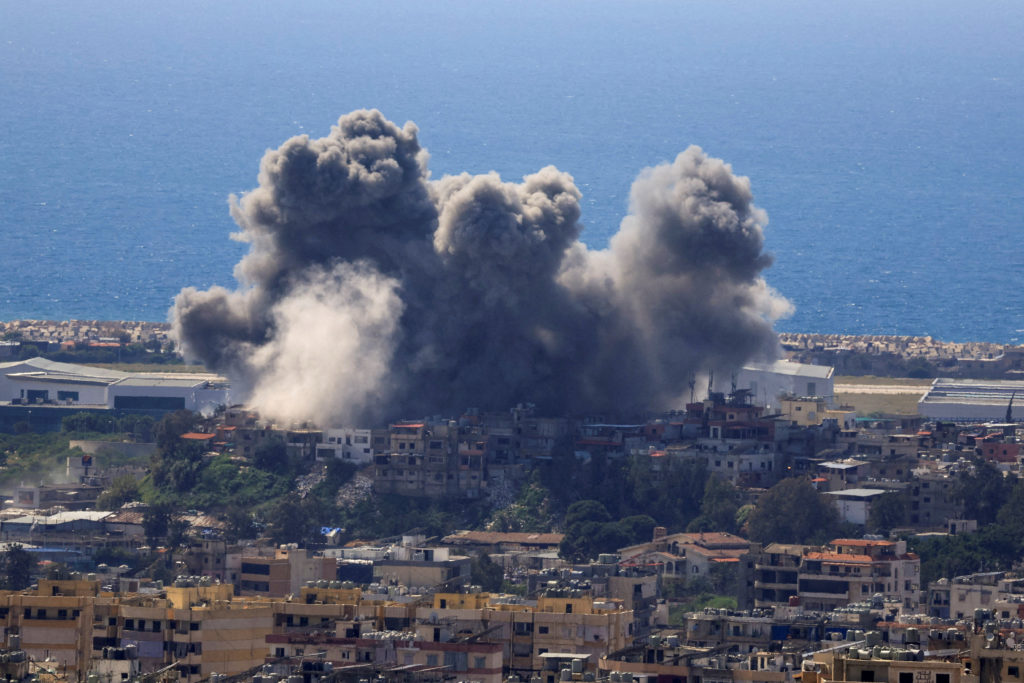
The escalating Israel-Lebanon conflict, marked by Netanyahu's confirmation of continued military operations and Iran's assertion of control over the Strait of Hormuz, creates significant operational and financial headwinds for cross-border e-commerce sellers. With over 300 deaths reported from Israeli strikes on a single day and the UN warning the ceasefire is at "grave risk," geopolitical instability is directly impacting global maritime logistics—the backbone of international e-commerce fulfillment.
Critical Supply Chain Impact: The Strait of Hormuz handles approximately 21% of global petroleum trade and is essential for shipping routes connecting Asia, Middle East, and Europe. Iran's stated intention to take "management of the Strait into a new phase" signals potential maritime restrictions that could disrupt shipping lanes used by Amazon FBA sellers, eBay merchants, and Shopify-based retailers shipping inventory to regional fulfillment centers. Oil prices have already climbed amid ceasefire uncertainty, directly translating to increased shipping costs for sellers using air freight and ocean freight services.
Seller Segment Impact: Small-to-medium sellers (SMBs) shipping 500-5,000 units monthly to Middle Eastern markets face immediate cost pressures. Logistics providers report 8-15% increases in freight rates to the region, with some carriers implementing fuel surcharges and route diversification fees. Sellers with inventory in Lebanese warehouses or distribution centers face potential supply chain disruption, while those relying on just-in-time inventory models from Asian manufacturers risk delays as shipping routes become unpredictable.
Market Opportunity Context: The humanitarian crisis and evacuation orders affecting Beirut suburbs signal potential demand shifts. Sellers in emergency supplies, medical equipment, and humanitarian goods categories may see increased demand from NGOs and relief organizations operating in the region. Conversely, consumer discretionary categories (fashion, electronics, home goods) will likely experience reduced demand as purchasing power declines amid economic uncertainty.
Operational Recommendations: Sellers should immediately audit their logistics networks—specifically identifying any dependencies on Middle Eastern shipping routes or Iranian-adjacent supply chains. Consider shifting 15-25% of inventory allocation to alternative fulfillment centers in Europe or Southeast Asia. Monitor freight rate indices daily and lock in shipping contracts before further escalation. For sellers with significant Middle East exposure, evaluate alternative marketplaces and regional platforms (Noon.com, Souq.com) that may offer more stable logistics infrastructure during geopolitical volatility.
Questions 8
How does the Israel-Lebanon conflict directly impact my Amazon FBA shipping costs?
The escalating conflict and Iran's control assertions over the Strait of Hormuz—which handles 21% of global oil trade—are driving immediate shipping cost increases of 8-15% for routes connecting Asia to Europe and North America. Amazon FBA sellers using ocean freight to stock regional fulfillment centers in Europe or the Middle East face fuel surcharges and route diversification fees. Sellers shipping 1,000+ units monthly should expect $200-400 additional monthly costs. Lock in shipping contracts now before further escalation; monitor freight rate indices (Drewry World Container Index) daily for pricing trends.
How long will shipping delays last if the ceasefire fails?
If military escalation continues, expect 10-21 day delays for ocean freight through the Strait of Hormuz as carriers reroute around the region (adding 4-7 days to transit times). Air freight becomes prohibitively expensive (3-5x normal rates). Historical precedent: the 2022 Red Sea shipping crisis caused 30-40 day delays and 200-300% cost increases. Prepare contingency inventory buffers of 30-45 days for critical SKUs. Monitor diplomatic talks scheduled for Washington next week—a ceasefire agreement would stabilize routes within 5-7 days.