


USPS Shipping Costs Rise 5-38% | Critical Impact for E-Commerce Sellers
- USPS suspends $2.5B pension contributions, implements 5% postage increase and 38% package surcharge effective April 2024-2026, forcing sellers to absorb higher logistics costs or reduce margins



















Overview
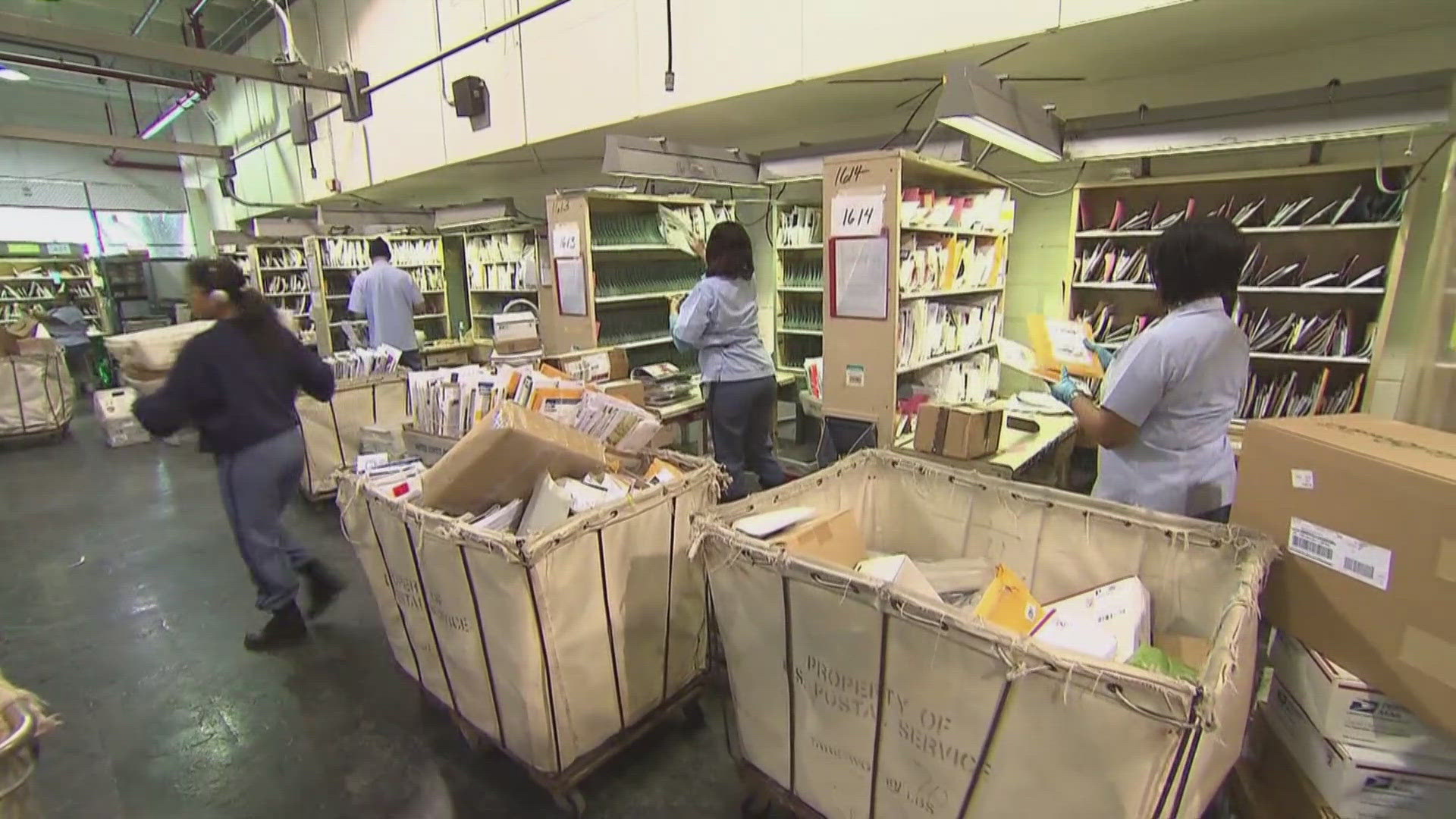
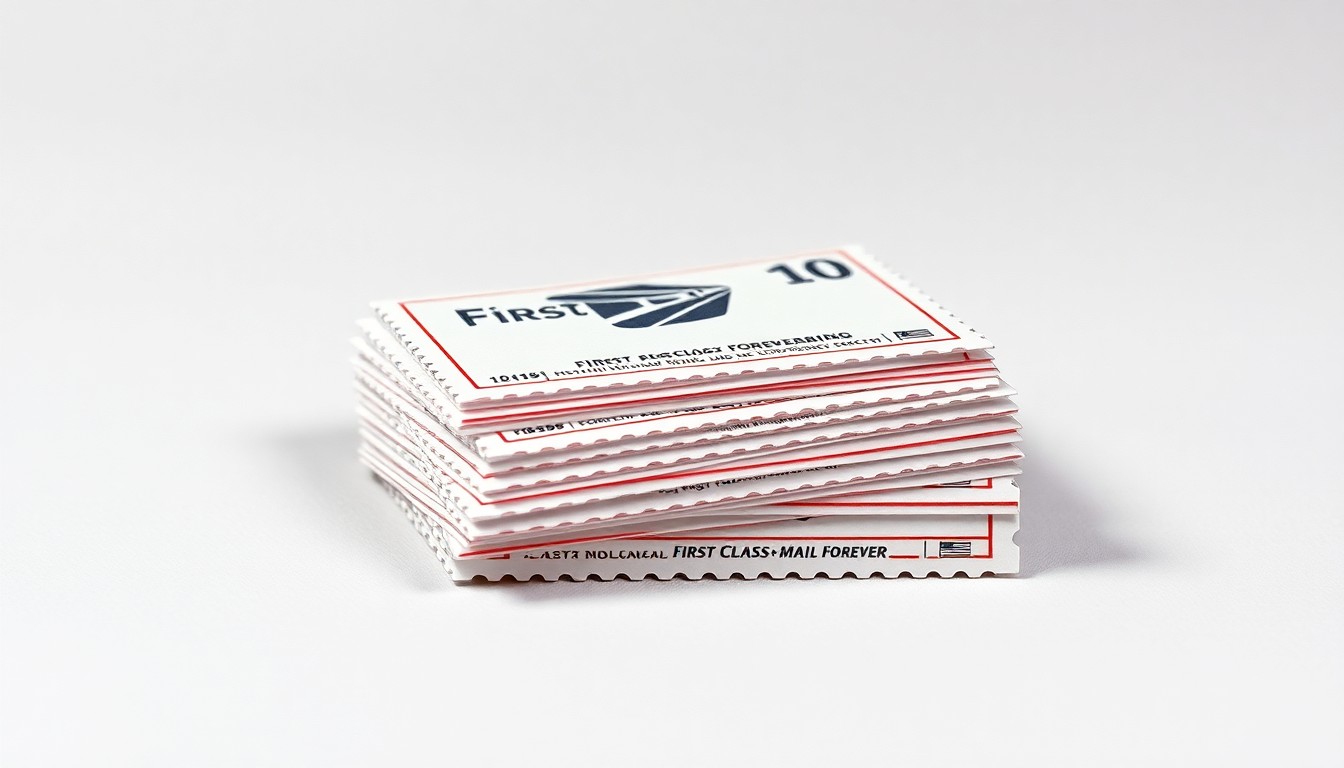
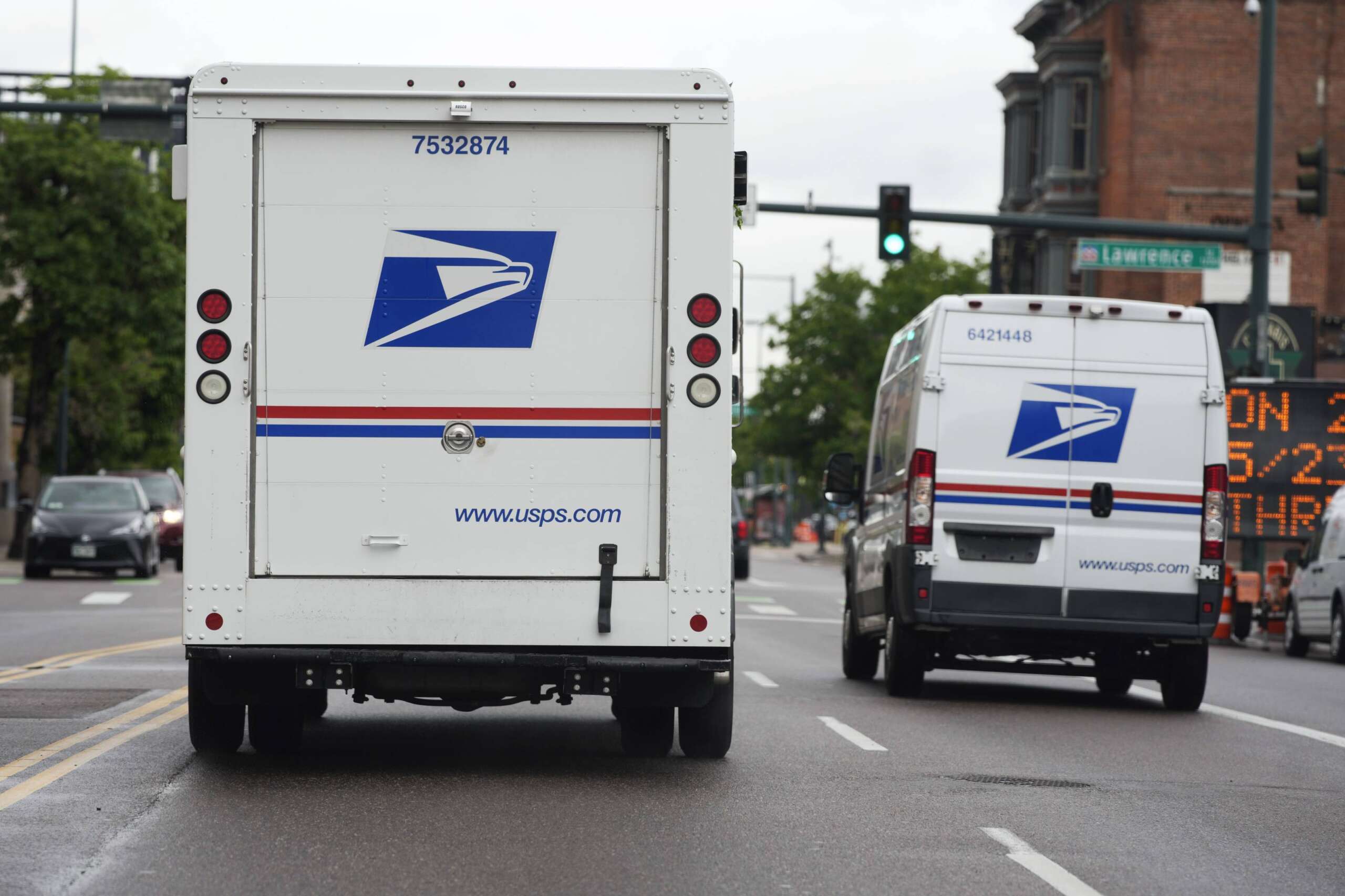
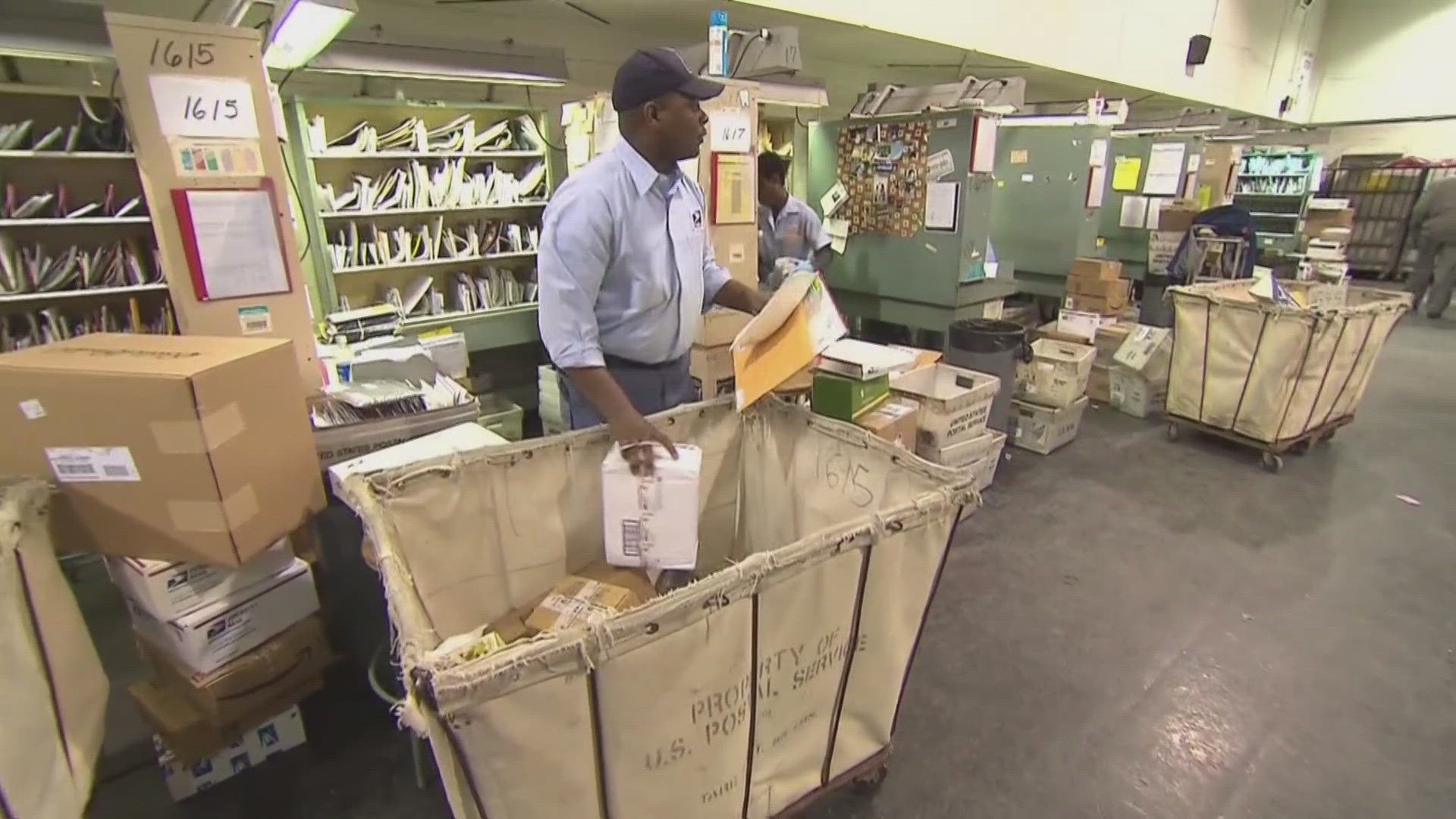
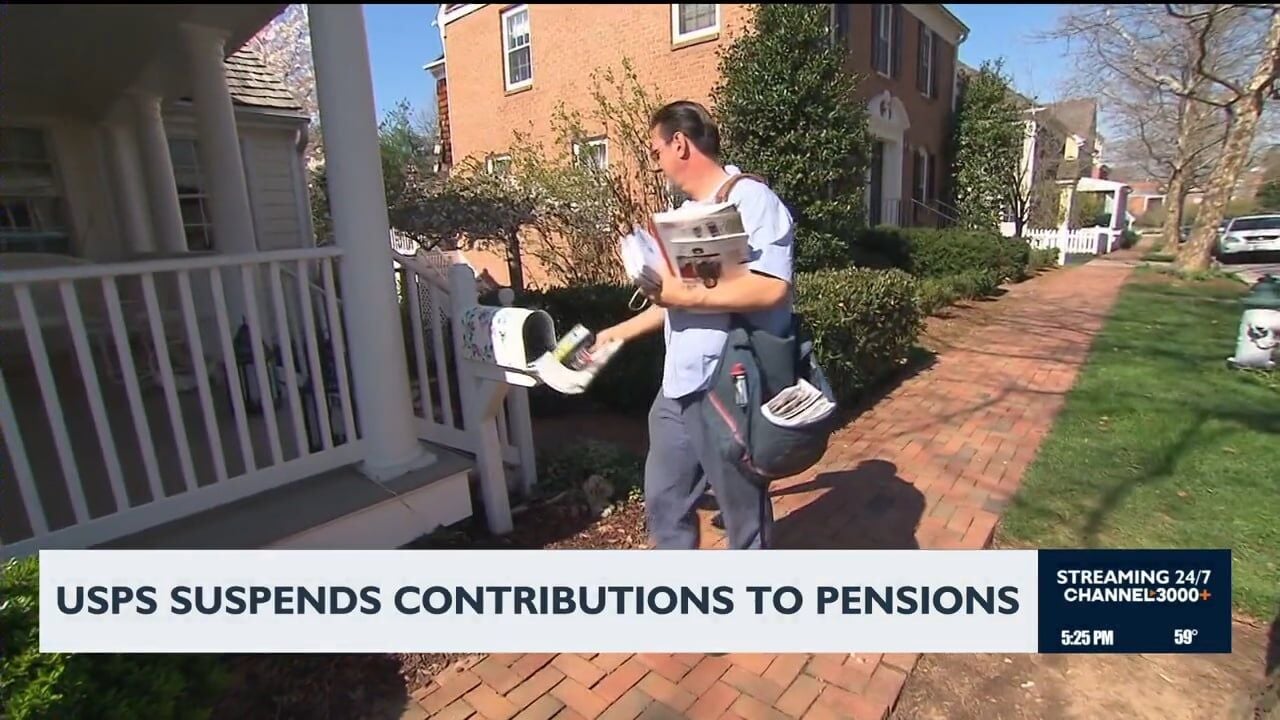
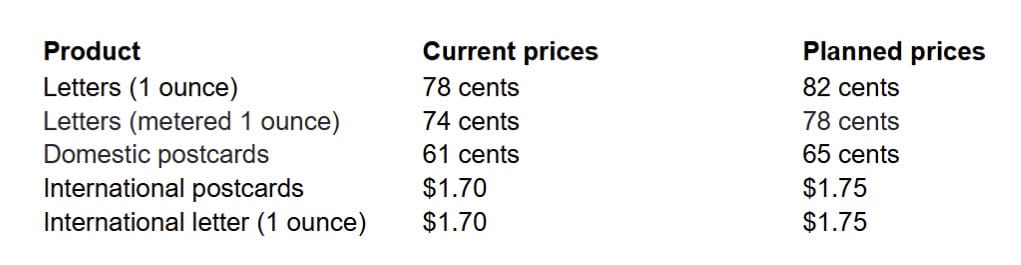
The United States Postal Service (USPS) faces a critical liquidity crisis that directly impacts cross-border and domestic e-commerce sellers. Beginning April 10, 2024, USPS suspended employer contributions to the Federal Employees Retirement System (FERS), freeing approximately $2.5 billion in fiscal year 2024 to cover operational expenses. Postmaster General David Steiner warned Congress in March 2024 that USPS will exhaust cash reserves within 12 months without intervention. This financial emergency has triggered cascading cost increases: first-class forever stamp prices rose from 78 cents to 82 cents on July 12, 2024, representing a 5.1% increase, while a 38% package surcharge takes effect on parcel shipping to offset escalating transportation costs.
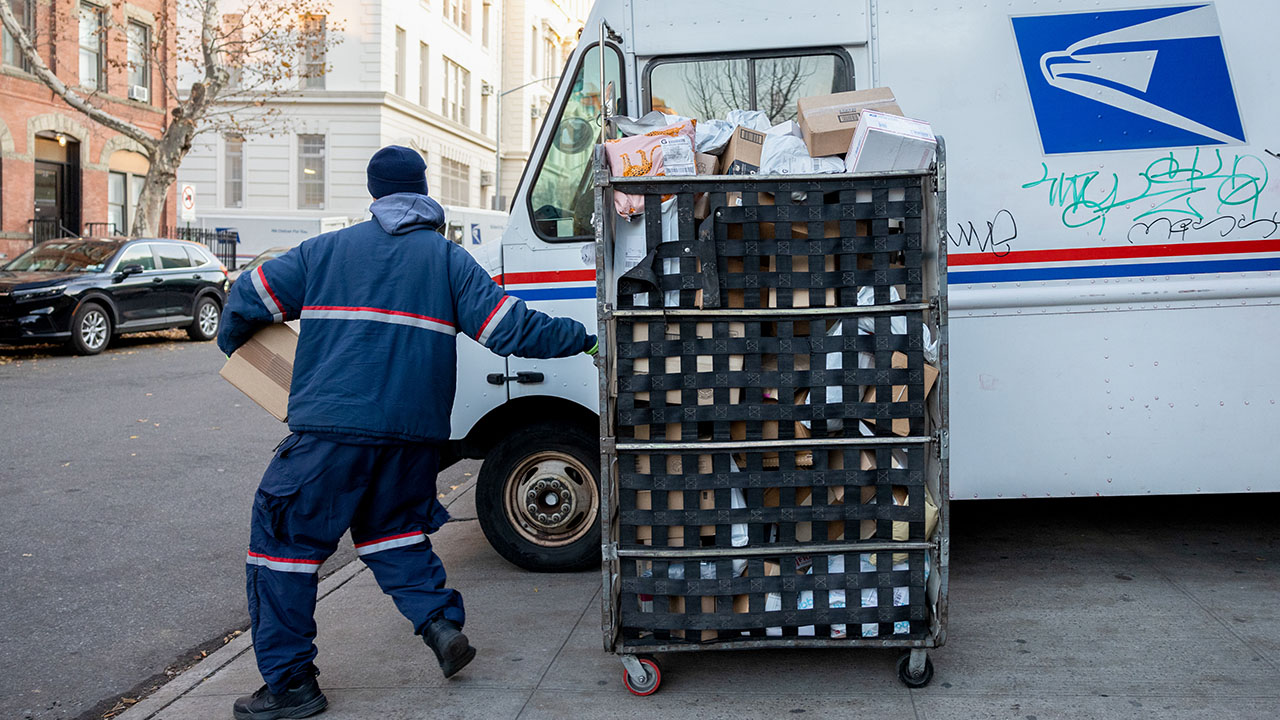
For e-commerce sellers, these changes create immediate operational challenges. Sellers relying on USPS Priority Mail International and domestic parcel services face significantly elevated shipping costs. A seller shipping 1,000 units monthly via USPS Priority Mail will experience cost increases of $200-400 monthly depending on package weight and destination. Small and medium-sized sellers (SMBs) shipping under 5,000 units annually face the steepest margin compression, as they lack negotiating power with alternative carriers like UPS and FedEx. The 38% package surcharge specifically impacts parcel shipping—the primary service category for e-commerce businesses—forcing sellers to either absorb costs (reducing profitability by 3-8%) or pass increases to customers (risking conversion rate decline of 5-12%).
The structural drivers of USPS's crisis reveal long-term risks for sellers. USPS has posted billion-dollar net losses almost every year since 2007, driven by declining mail volumes and pre-funding requirements for retirement benefits. Congress passed reform legislation in April 2022 saving USPS $107 billion in total costs, including eliminating $57 billion in past-due health benefit payments. The Postal Regulatory Commission granted a waiver allowing USPS to repurpose $2.4 billion in fiscal 2026 and $3 billion annually through fiscal 2030 from revenue normally reserved for retiree benefits. However, without additional Congressional intervention, Steiner warned USPS may need to cut delivery days or close post offices—proposals that would devastate sellers in rural markets and reduce service reliability nationwide. The 2011 FERS suspension lasted several months, suggesting current suspension may persist 6-12 months, during which additional rate increases are likely.
Questions 8
Why is USPS suspending pension contributions and what does this mean for sellers?
USPS faces a critical liquidity crisis, with Postmaster General David Steiner warning Congress in March 2024 that the agency will exhaust cash reserves within 12 months without intervention. The suspension of employer FERS contributions frees approximately $2.5 billion in fiscal year 2024 to cover operational expenses. This indicates USPS prioritizes short-term survival over long-term financial stability, suggesting additional rate increases and potential service cuts (reduced delivery days, post office closures) are likely. Sellers should diversify shipping carriers immediately and avoid over-reliance on USPS for time-sensitive shipments.
Which seller segments face the highest impact from USPS rate increases?
Small and medium-sized sellers (SMBs) shipping under 5,000 units annually face the steepest margin compression, as they lack negotiating power with alternative carriers. Sellers in rural markets dependent on USPS for last-mile delivery face limited alternatives. International sellers using USPS Priority Mail International will see elevated costs for cross-border shipments. Sellers in low-margin categories (apparel, accessories, books) where shipping costs represent 8-15% of product price face the greatest profitability risk. High-volume sellers (10,000+ units monthly) can negotiate volume discounts with UPS/FedEx, reducing exposure to USPS increases.