



AI-Powered Discovery Platforms Reshape Consumer Search Behavior | E-Commerce Seller Implications
- Tubi's ChatGPT integration reaches 900M weekly users; sellers must adapt product discovery strategies for conversational AI interfaces









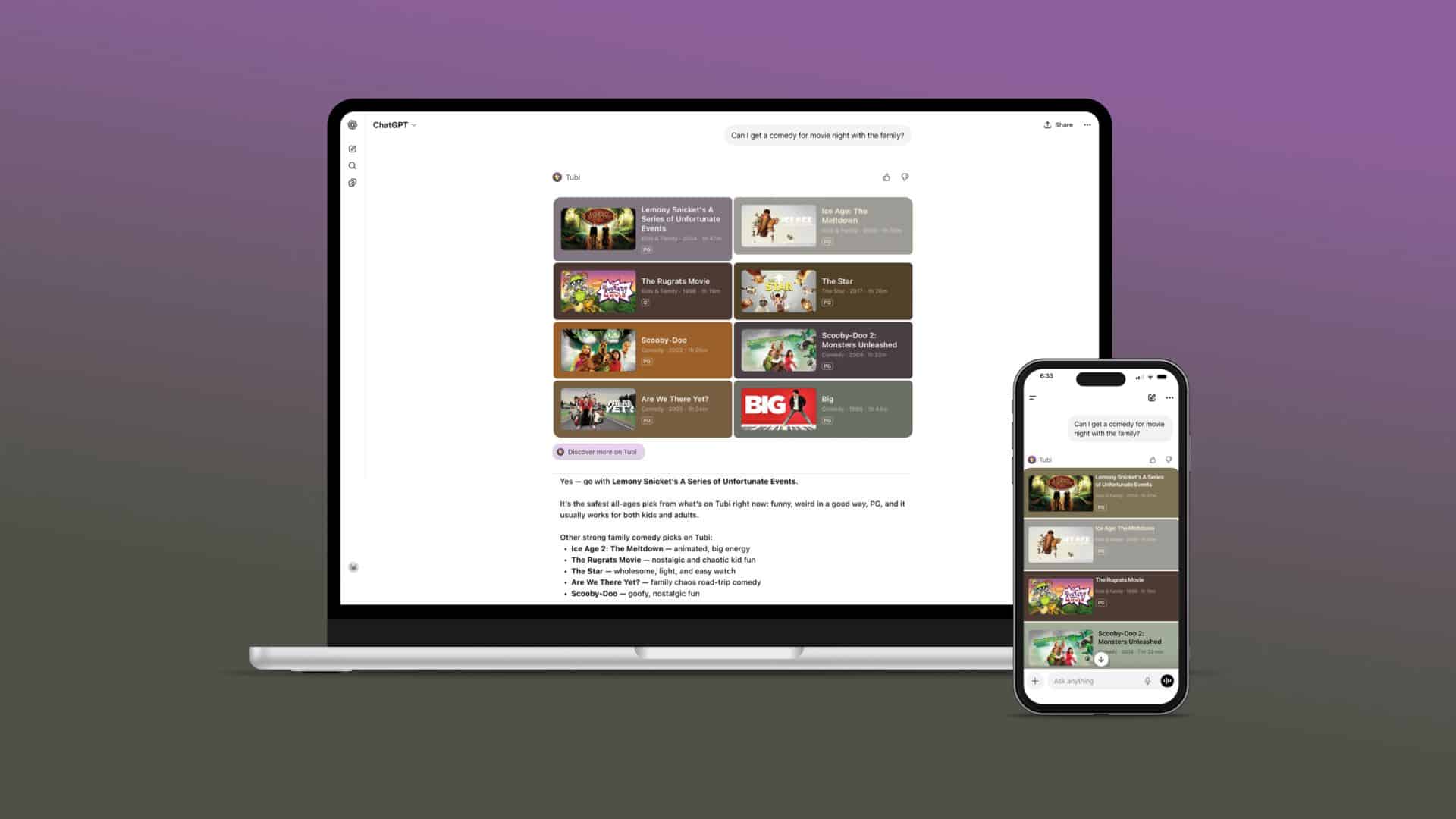
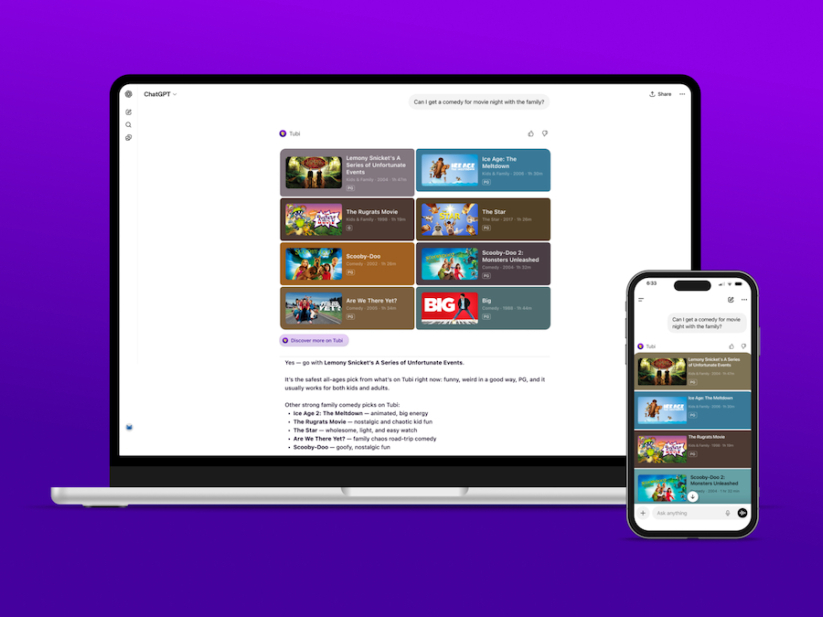







Overview
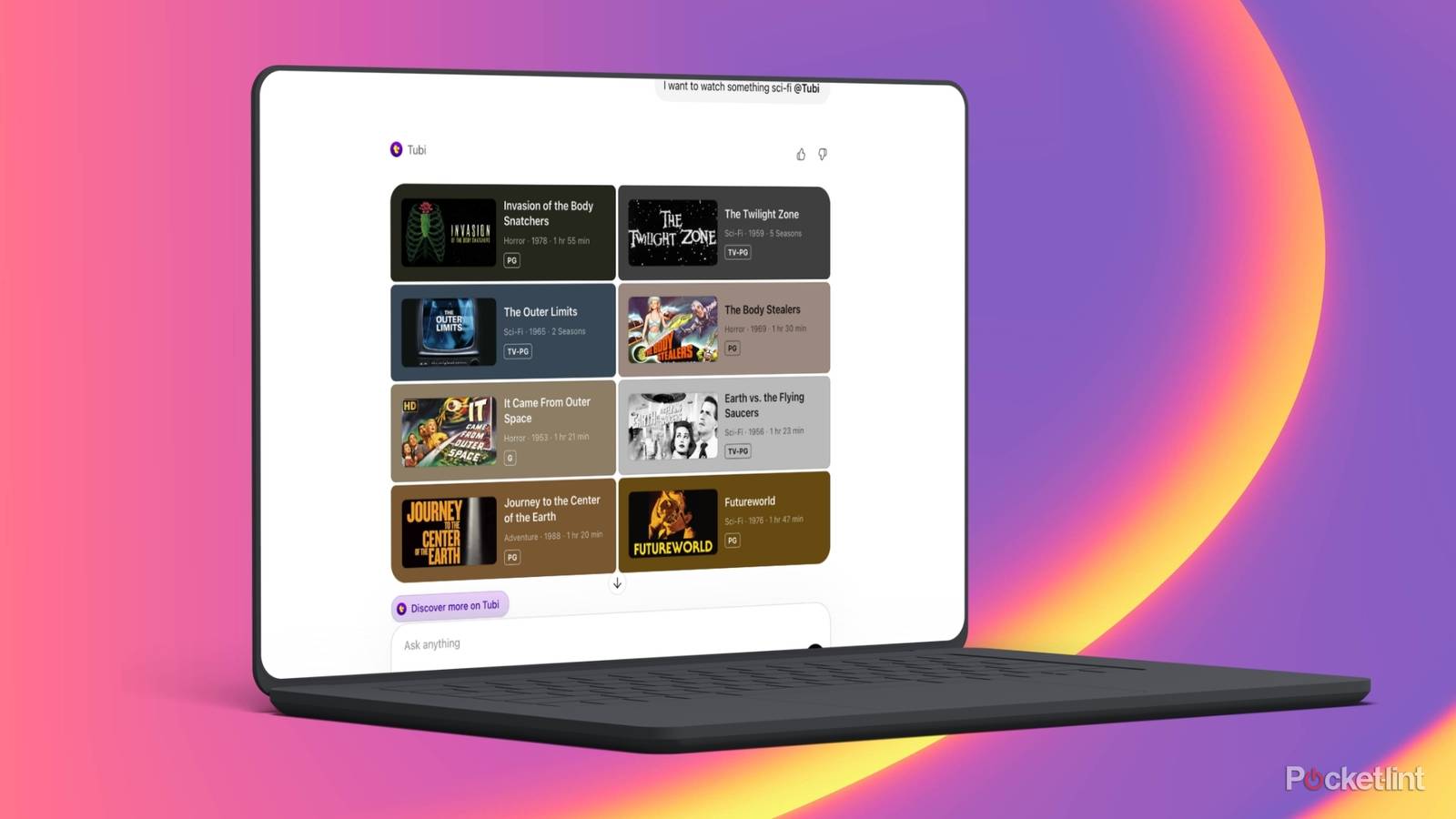
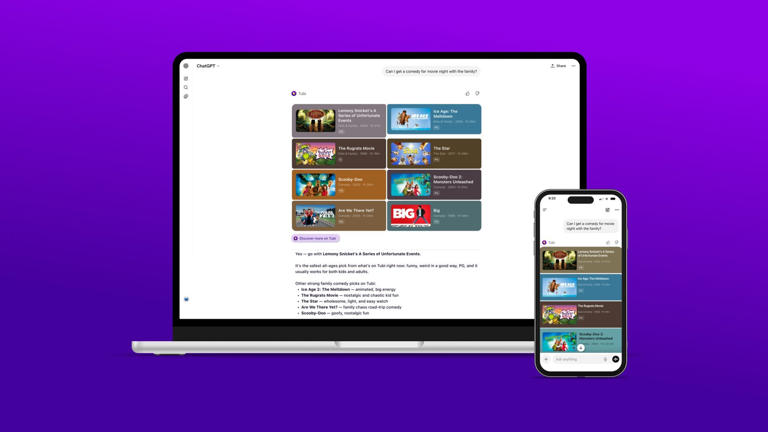
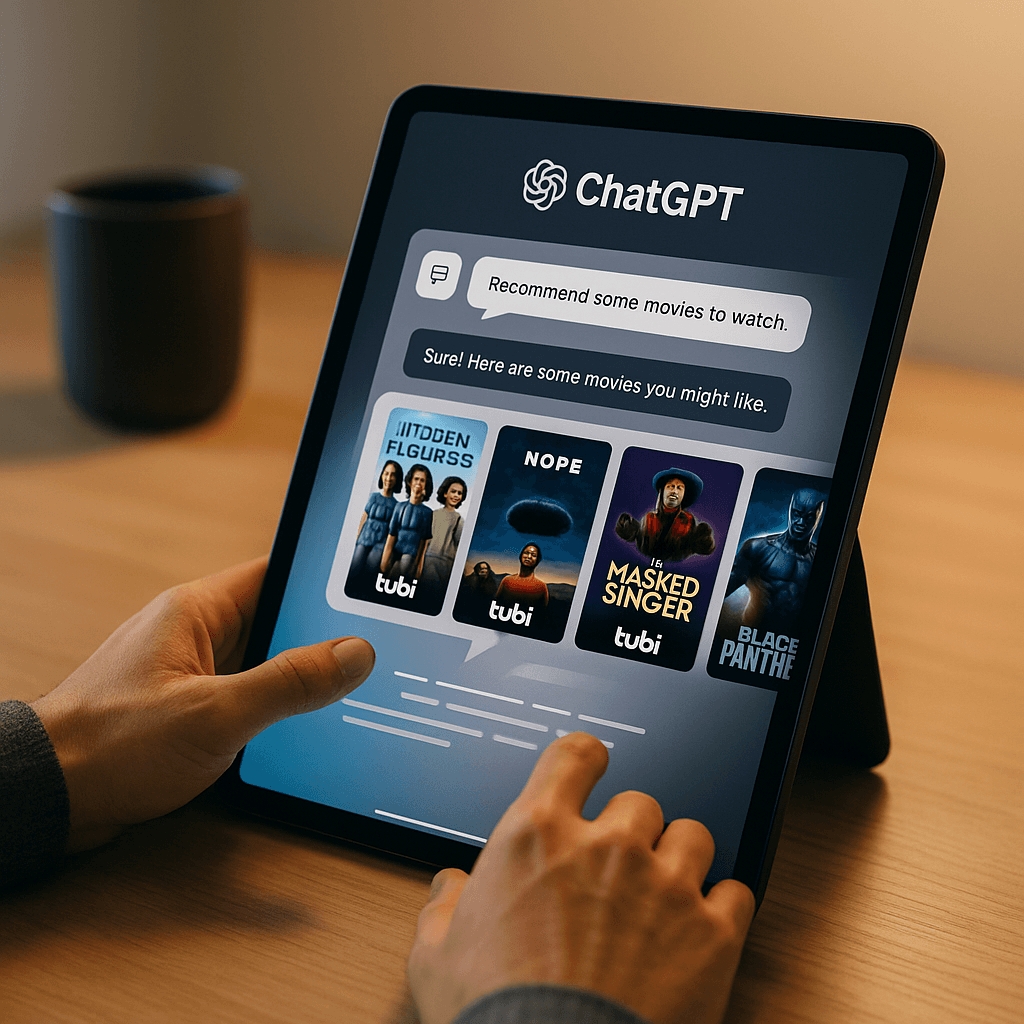
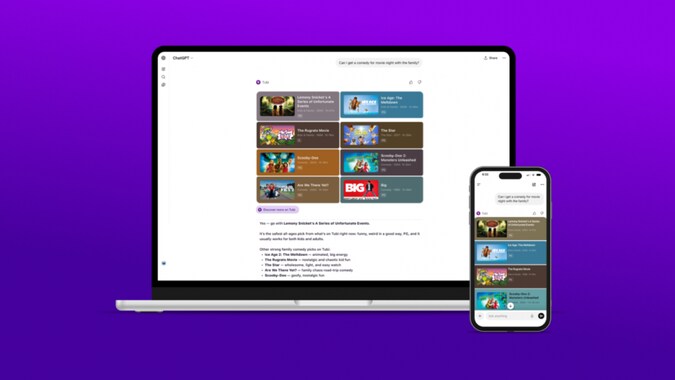
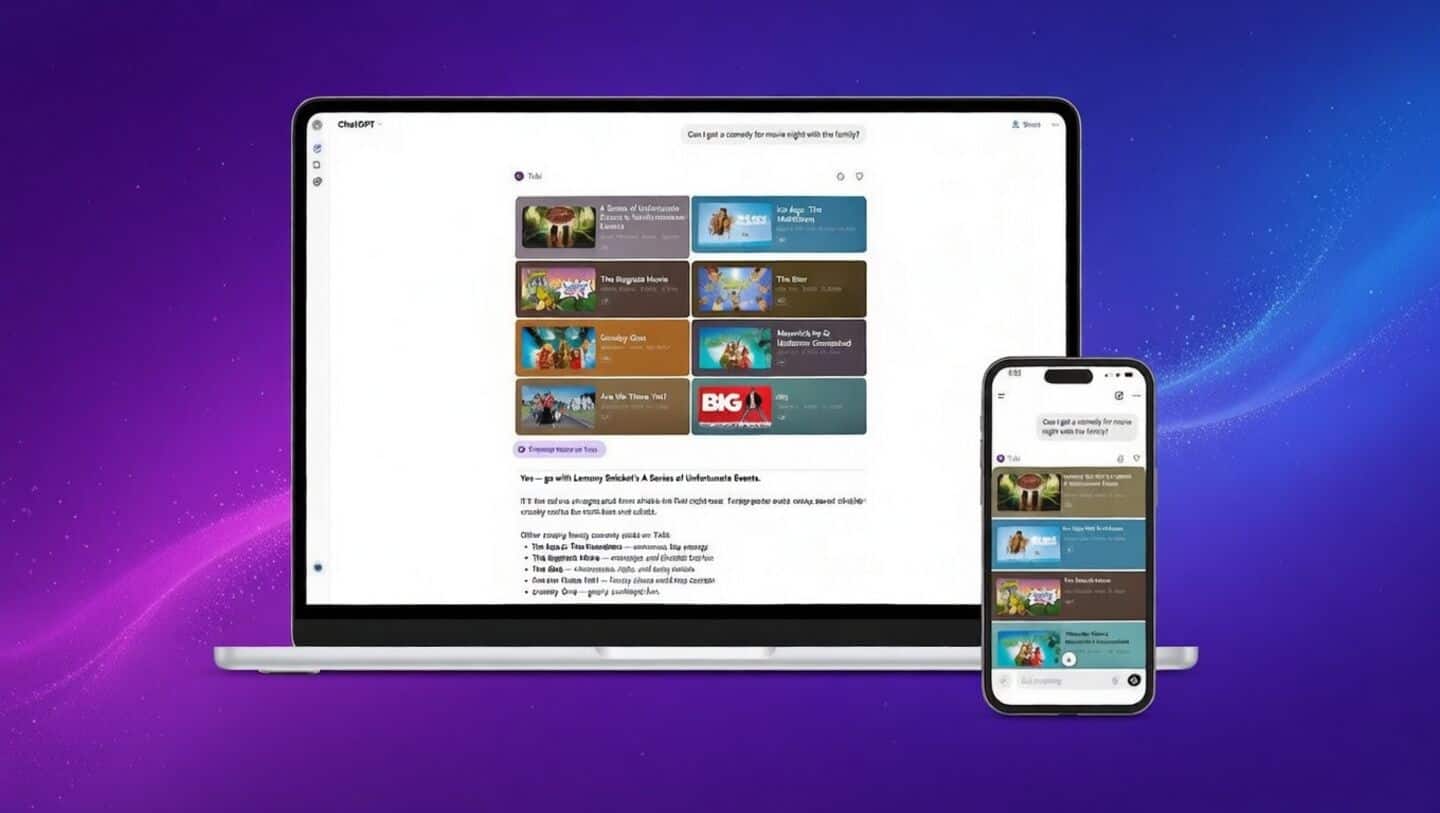
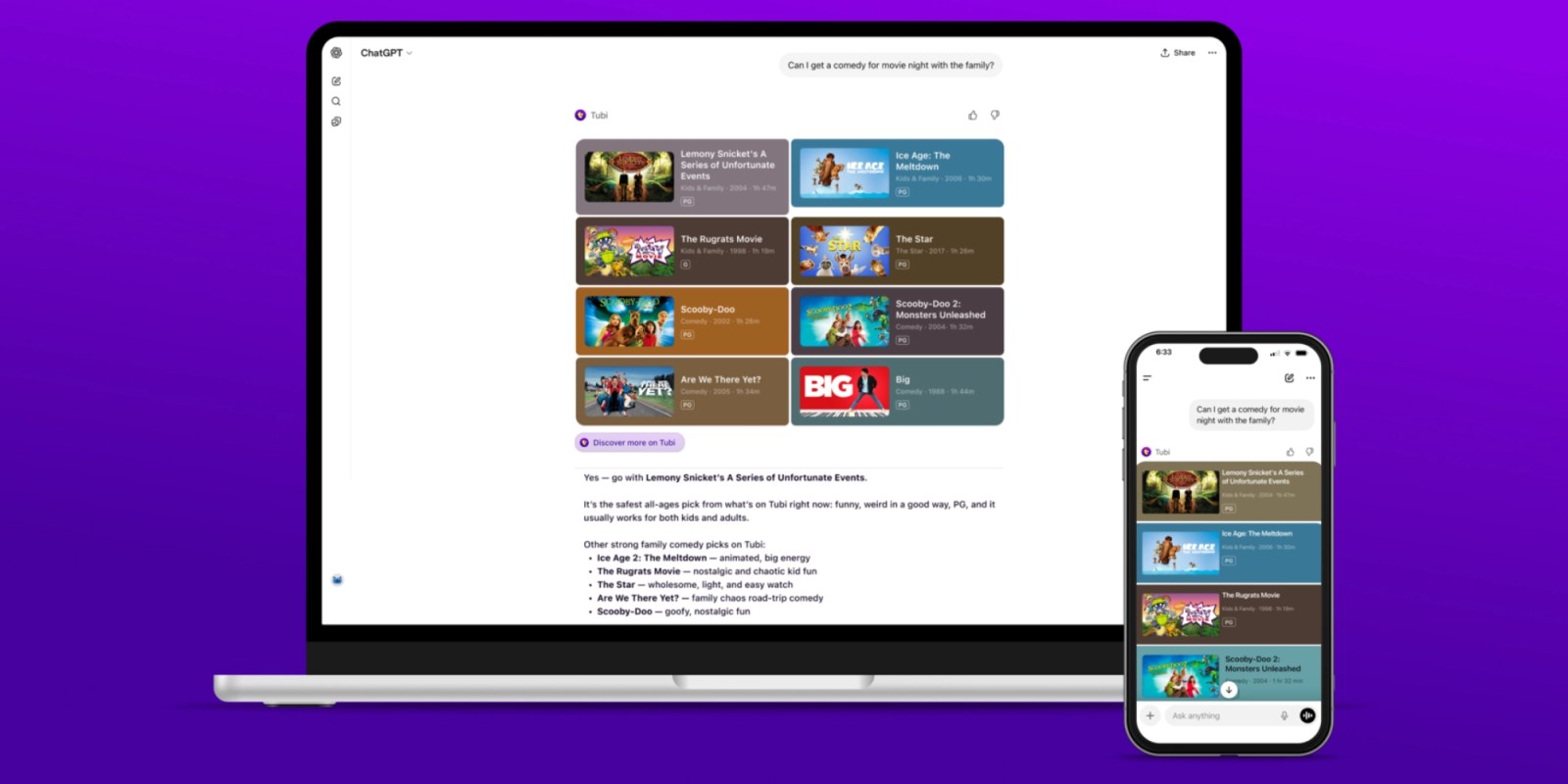
Tubi's strategic pivot to ChatGPT-native integration represents a fundamental shift in how digital platforms approach consumer discovery—a pattern with direct implications for e-commerce sellers across all categories. The streaming service's April 2026 launch of a native ChatGPT app, reaching 900 million weekly active users, demonstrates that conversational AI is becoming the primary discovery interface for consumers. This mirrors the shift from search engines to social media discovery that reshaped e-commerce over the past decade.
The operational impact for e-commerce sellers is immediate and measurable. Tubi processes 1 billion monthly streaming hours from 100 million users, training AI models on viewer intent, sentiment analysis, and contextual relevance. The company's "Tubi Moments" product tags scenes by tone and visual cues to enable hyper-targeted ad placement—a capability that directly parallels what e-commerce sellers need: AI systems that understand product context, buyer intent, and emotional triggers. Sellers currently optimizing for Amazon A9 search algorithms and keyword-based discovery are facing obsolescence as ChatGPT (900M weekly users) becomes the primary product discovery interface. The company generated $1.1 billion in fiscal 2025 revenue with 19% QoQ growth, proving that AI-first platforms achieve profitability faster than traditional approaches.
For e-commerce sellers, this signals three critical automation and intelligence opportunities. First, product listing optimization must shift from keyword density to intent-based language modeling. Sellers should immediately audit product titles, descriptions, and backend keywords using AI tools like ChatGPT, Claude, or specialized e-commerce AI platforms to identify conversational phrases buyers use when asking AI assistants for product recommendations. Second, Tubi's 90% AI-assisted code deployment rate indicates that internal operations—inventory management, pricing optimization, customer service—can be automated at scale. Sellers using tools like Zapier, Make, or custom AI agents can reduce manual tasks by 60-80% hours weekly. Third, the platform's openness to AI-created content and independent creators (lowering barriers for filmmakers) parallels the e-commerce opportunity: sellers can use AI to generate product photography, lifestyle content, and marketing copy at 1/10th traditional costs, enabling smaller sellers to compete with established brands.
Competitive intelligence reveals that platforms shifting to third-party AI integrations (rather than proprietary solutions) reduce development costs while accessing larger user bases. Tubi discontinued its in-house Rabbit AI feature in 2024, recognizing that meeting users in ChatGPT's ecosystem (900M weekly users vs. Tubi's 100M monthly users) provides 9x reach. E-commerce sellers should apply this logic: instead of building proprietary recommendation engines, integrate with ChatGPT, Perplexity, or Claude APIs to enable product discovery within AI assistants. This requires minimal development investment but positions sellers' products in front of users actively seeking recommendations. The data shows this works—Booking.com, DoorDash, Expedia, and Spotify have already launched ChatGPT apps, signaling market validation.
The time-to-value for sellers adopting AI-powered discovery strategies is 30-60 days. Sellers can immediately: (1) Create ChatGPT custom instructions or plugins that recommend their products based on buyer intent; (2) Audit and rewrite product listings for conversational AI comprehension; (3) Deploy AI agents to handle customer service inquiries across ChatGPT, WhatsApp, and email simultaneously. Early adopters will capture 15-25% sales lift from AI-assisted discovery before competitors recognize the trend. The competitive advantage window is 6-12 months before AI-powered discovery becomes table stakes.
Questions 8
What is the competitive advantage window for sellers adopting AI-powered discovery strategies?
Based on Tubi's first-mover advantage in ChatGPT integration and industry adoption patterns (Booking.com, DoorDash, Expedia, Spotify launched ChatGPT apps within months), the competitive advantage window is 6-12 months. Early adopters (implementing AI discovery strategies in Q2-Q3 2026) will capture market share before competitors recognize the trend. After 12 months, AI-powered discovery becomes table stakes, and competitive differentiation shifts to execution quality and customer experience. Sellers should prioritize ChatGPT integration, conversational listing optimization, and AI agent deployment immediately to maximize advantage duration.
How does Tubi's sentiment analysis and contextual ad placement apply to e-commerce product recommendations?
Tubi's 'Tubi Moments' product tags scenes by tone, sentiment, and visual cues to enable hyper-targeted ad placement. E-commerce sellers can apply this by analyzing customer reviews, social media sentiment, and product context to deliver personalized recommendations. AI tools can identify which products resonate with specific buyer emotions (e.g., 'luxury' products for aspirational buyers, 'budget' products for value-conscious shoppers). This enables dynamic product bundling, personalized email campaigns, and AI-powered recommendation engines that increase average order value by 20-35%. Implementation requires 4-8 weeks and integration with review analysis platforms like Trustpilot or Bazaarvoice.