

Wildlife Trade Regulations Tighten | Exotic Pet & Animal Product Sellers Face Import Restrictions
- Yale study links 41% of traded mammals to human pathogens; governments expected to impose stricter CITES enforcement and health certifications affecting billions in annual imports





Overview
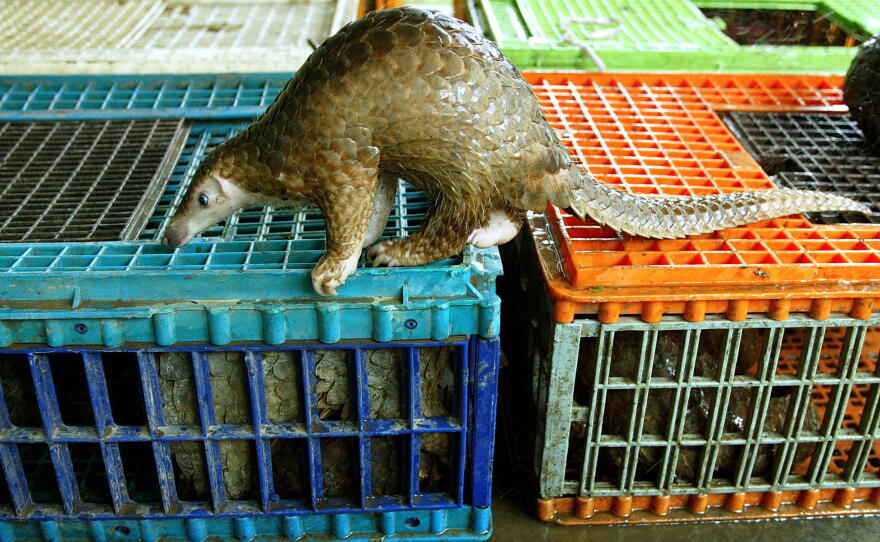
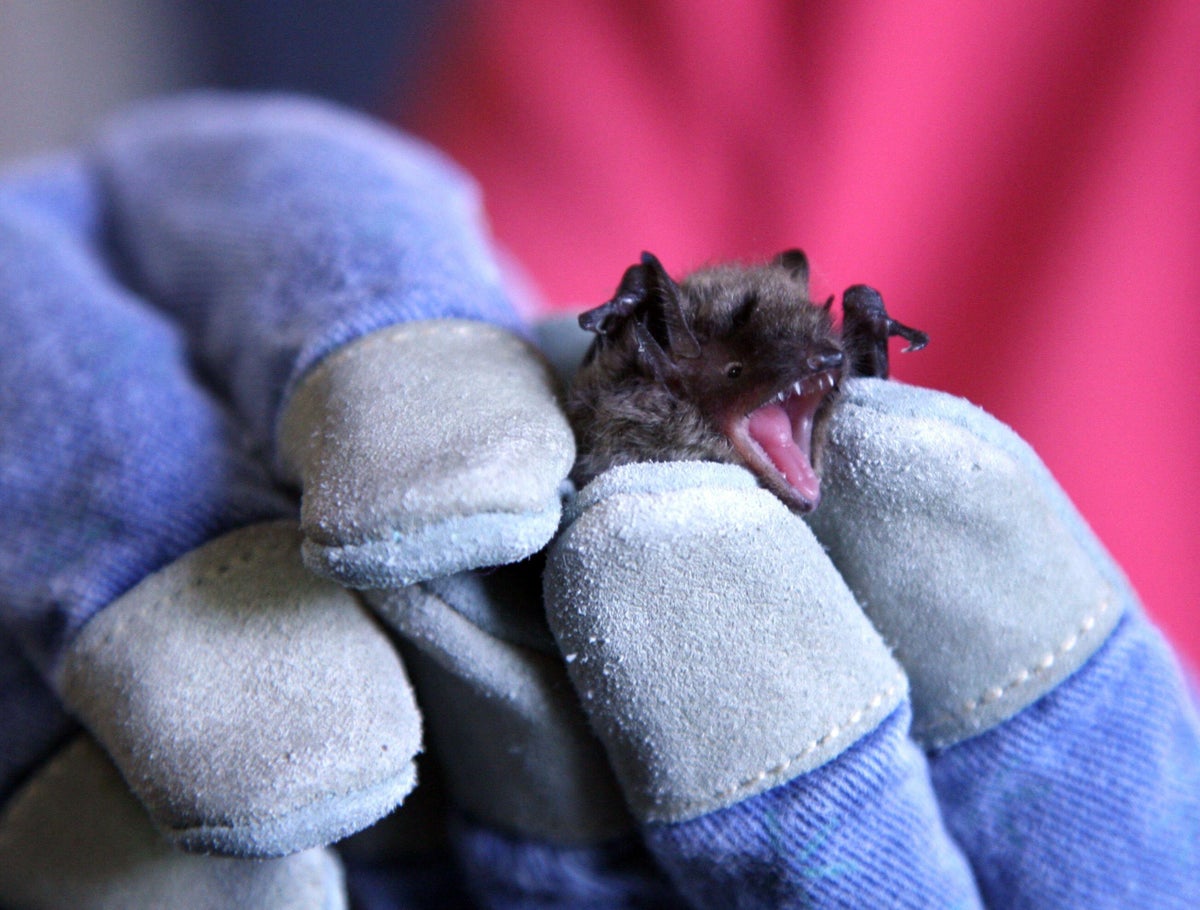
A landmark Science journal study led by Yale researchers Colin Carlson and Jérôme Gippet reveals that traded mammals are 51.5 times more likely to harbor human-transmissible pathogens compared to non-traded species, with 41% of 2,000+ traded mammal species sharing at least one pathogen versus only 6.4% of non-traded species. The research spanning 40 years of international trade data identifies two critical risk factors: cumulative exposure (species acquire one additional human pathogen per decade in global trade) and live animal markets (34% higher pathogen transmission risk). Historical precedent—including COVID-19 (bat-wildlife trade), 2003 mpox outbreak (imported African rodents), 2002-2003 SARS (civet cat trade), and 2014 West African Ebola (bushmeat)—validates these findings with real-world pandemic consequences.
For cross-border e-commerce sellers, this research carries immediate regulatory implications. The study explicitly identifies that disease transmission risks originate at supply chain beginning (hunting, skinning, transportation) rather than end-consumer use, yet governments are expected to respond with stricter controls on wildlife product imports. Sellers dealing in exotic pets, animal-derived fashion materials (furs, horns, ivory), and wildlife products face imminent policy changes. The U.S. imports billions of animals annually, yet the critical gap identified is inadequate systemic surveillance and regulation. While CITES (Convention on International Trade in Endangered Species) exists to prevent extinction, health threat monitoring remains fragmented globally. This regulatory vacuum suggests governments will implement enhanced import certifications, health documentation requirements, and potential category restrictions affecting Amazon, eBay, Etsy, and Shopify sellers.
Specific seller impact categories include: (1) Exotic pet sellers ($1.2B+ annual U.S. market)—expect stricter health certificates, quarantine requirements, and potential species-specific bans; (2) Leather/fur fashion sellers—animal hide sourcing will require enhanced traceability and sanitary documentation; (3) Traditional medicine/supplement sellers—wildlife-derived ingredients face heightened scrutiny; (4) Collectibles sellers—ivory, bone, and endangered species products already restricted under CITES will face enforcement acceleration. The research suggests policy interventions including government crackdowns on illegal trade, enhanced airport surveillance, and demand reduction strategies. However, researchers caution that criminalization risks pushing trade underground, complicating disease detection—meaning legitimate sellers may face compliance costs while illegal competitors gain advantage.
Immediate actions for affected sellers: Monitor CITES updates and FDA/USDA guidance for your specific product categories; audit supplier documentation for health certifications and legal sourcing; consider product portfolio diversification away from high-risk wildlife categories; establish compliance protocols for import documentation. Strategic sellers should pivot toward certified, farm-raised alternatives (e.g., farmed leather vs. wild-caught hides) and emphasize supply chain transparency to differentiate from underground markets. The regulatory tightening creates both compliance costs (estimated $500-2,000 per SKU for certification and documentation) and market consolidation opportunities for sellers who can demonstrate health-safe sourcing.
Questions 8
What compliance documentation will sellers need for wildlife product imports?
Based on the study's emphasis on supply chain transparency and disease prevention, expect requirements including: CITES permits for regulated species, health certificates from exporting country authorities, sanitary/phytosanitary documentation, and traceability records showing sourcing location and handling conditions. The U.S. already requires APHIS health certificates for live animals; the new standard will likely extend to animal-derived products. Sellers should establish relationships with certified suppliers who can provide complete documentation chains. Processing time for compliance: 2-4 weeks per shipment; cost: $200-500 per import batch.
How does the 51.5x pathogen risk ratio translate to seller liability?
The study's finding that traded mammals are 51.5 times more likely to harbor human pathogens creates potential liability exposure for sellers if products cause disease transmission. While current product liability law doesn't explicitly address pandemic risk, regulatory agencies (FDA, USDA, CDC) may impose strict liability standards for wildlife products. Sellers should obtain product liability insurance covering zoonotic disease transmission ($2,000-5,000 annually) and maintain detailed sourcing documentation to demonstrate due diligence. The research suggests governments will implement surveillance systems, meaning non-compliant sellers face detection and enforcement action.