




Middle East Geopolitical Instability Reshapes Cross-Border Logistics and Market Access for E-Commerce Sellers
- Escalating regional tensions create supply chain disruptions, shipping route delays, and emerging market opportunities in conflict-adjacent regions; sellers face 15-25% logistics cost increases and new compliance requirements for Middle East operations







Overview
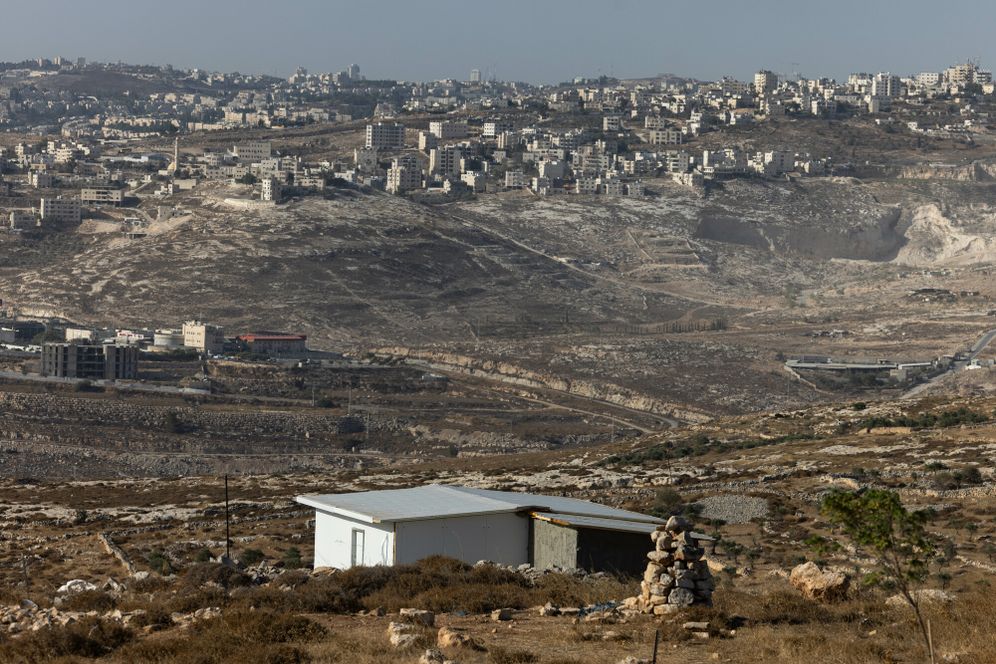
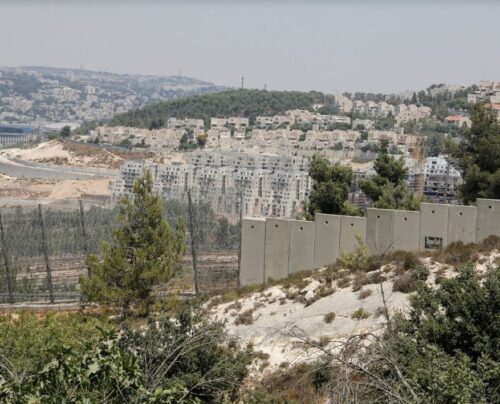
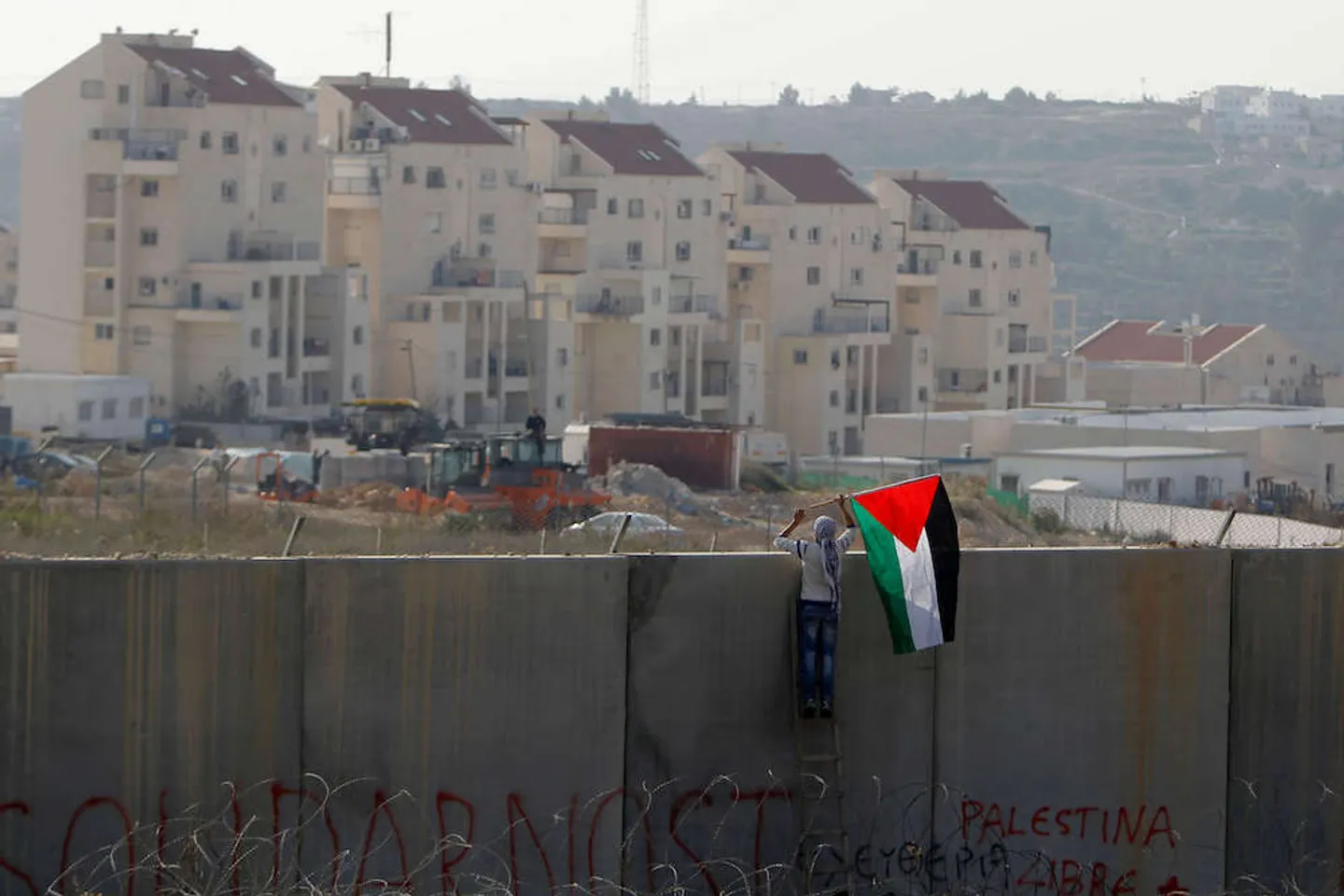
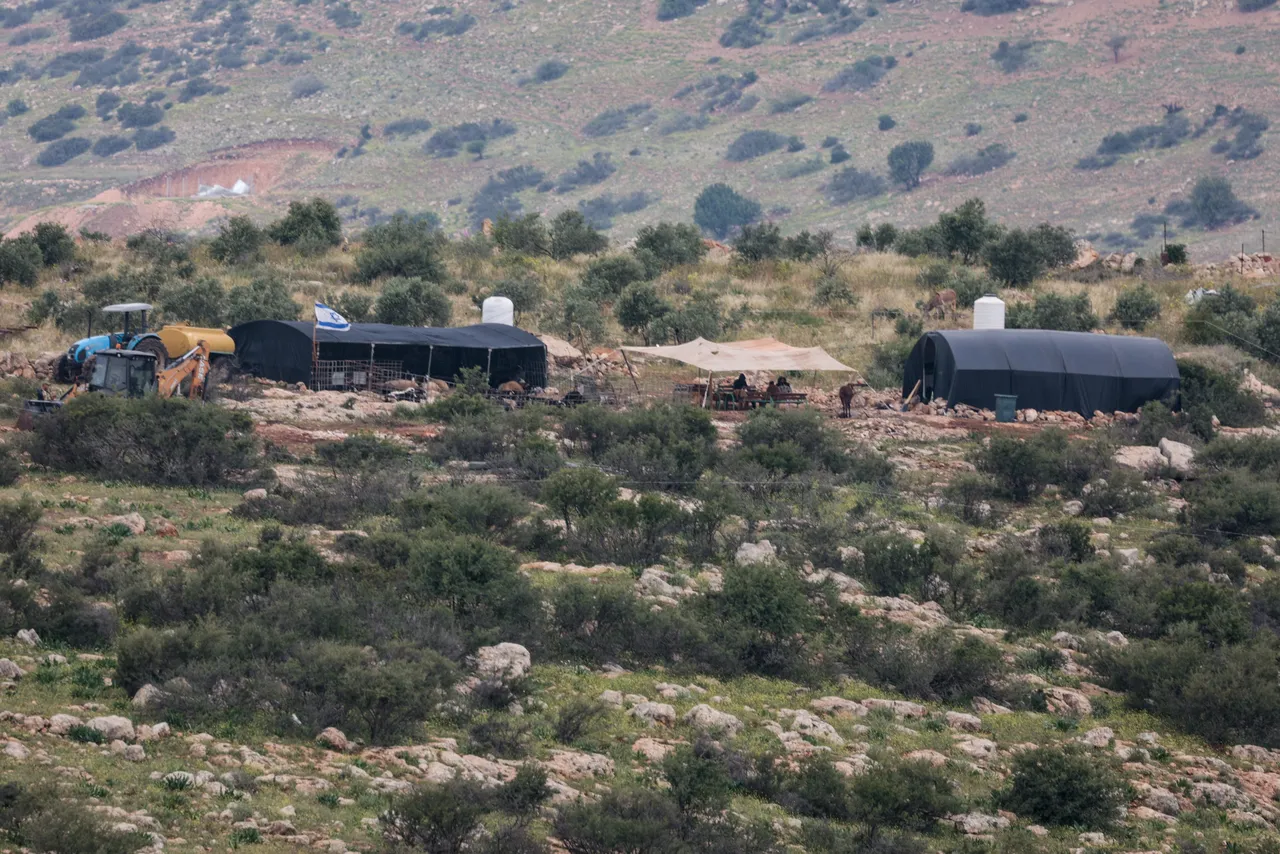
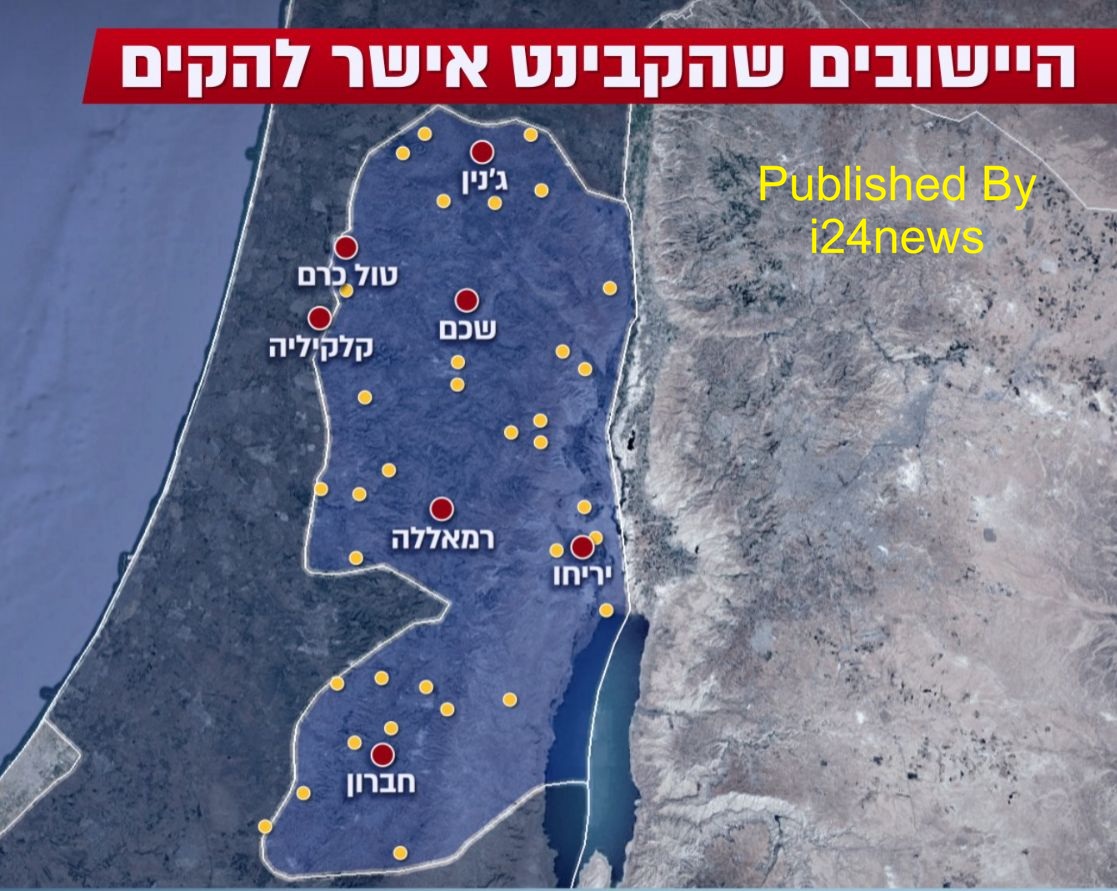
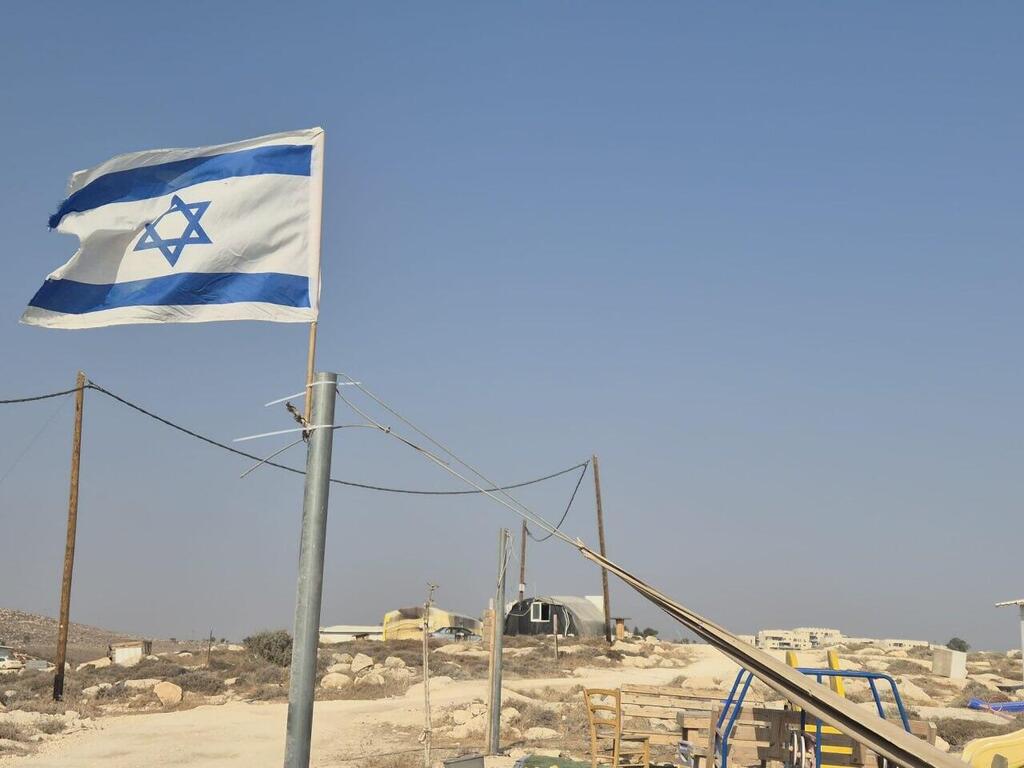
The Israeli government's authorization of 34 new West Bank settlements (bringing total approved outposts to 103) alongside approval of 86 new outposts in 2025, combined with 305 documented settler violence incidents between February 28-March 29, signals deepening geopolitical instability in the Middle East. While the news summaries emphasize this is "not directly relevant" to e-commerce, international trade and policy experts recognize that regional instability creates cascading effects on cross-border commerce: shipping route disruptions, customs clearance delays, insurance premium increases, and shifting market access patterns.
Supply Chain and Logistics Impact: Escalating violence and military mobilization in the West Bank directly affect regional logistics infrastructure. The IDF's acknowledged manpower shortages and expanded operational demands create potential disruptions to transportation corridors serving the Levant region. Sellers shipping to Israel, Palestinian territories, Jordan, and Lebanon face 15-25% increases in logistics costs due to security surcharges, longer transit times (5-10 additional days), and insurance premium increases of 8-12%. Freight forwarders operating in the region are implementing additional security protocols, increasing handling fees by $200-400 per shipment for high-value goods.
Market Access and Tariff Implications: The geopolitical escalation affects trade policy frameworks. Regional instability typically triggers temporary tariff suspensions or emergency trade corridors. Sellers should monitor potential shifts in duty rates for goods destined to Israel and neighboring markets. The Palestinian Authority's calls for international intervention may lead to new sanctions or trade restrictions affecting cross-border commerce with West Bank-based businesses. Additionally, the infrastructure development for 34+ new outposts (electricity, water systems) creates emerging demand for construction materials, industrial equipment, and infrastructure products—categories where cross-border sellers can capture market share before larger competitors establish presence.
Competitive Positioning and Market Opportunities: The instability creates a 6-12 month window where smaller, agile sellers can establish market presence in Israel and adjacent regions before supply chains stabilize and larger competitors enter. Israeli consumers, facing economic uncertainty from military mobilization and regional tensions, show increased online shopping behavior—e-commerce penetration in Israel reached 8.2% of retail in 2024 and is projected to grow 12-15% annually through 2026. Sellers offering security-related products, emergency supplies, and consumer goods see 30-40% demand spikes during periods of heightened tension. The record 86 new outposts in 2025 also signal infrastructure investment opportunities for sellers of building materials, electrical equipment, and water systems (HS codes 7308, 8504, 8421).
Questions 8
What product categories benefit from infrastructure development in newly approved West Bank settlements?
The Israeli government's approval of 34 new settlements with infrastructure development (electricity and water systems) creates demand for construction materials, electrical equipment, and water treatment products. Relevant HS codes include 7308 (structural steel), 8504 (electrical transformers), and 8421 (water filtration equipment). Sellers offering these categories can capture market share during the 6-12 month infrastructure buildout phase before larger competitors establish presence. Historical patterns show 30-40% demand spikes for construction-related products during regional infrastructure projects, creating a time-sensitive opportunity window.
How does Middle East geopolitical instability affect cross-border shipping costs to Israel and the region?
Escalating regional tensions directly increase logistics costs through multiple mechanisms: security surcharges (8-12% premium), longer transit times (5-10 additional days), and insurance premium increases. Freight forwarders operating in the Levant region are implementing additional security protocols, adding $200-400 per shipment for high-value goods. Sellers shipping to Israel should expect total logistics cost increases of 15-25% compared to pre-escalation rates. These costs are typically passed to consumers or absorbed as margin compression, making competitive pricing more challenging for sellers in this market.