
Gaming Industry Payroll Crisis Signals Web3 Market Volatility | Seller Risk Assessment
- Gunzilla's 4-6 month salary delays across 4 continents expose contractor payment risks in gaming supply chains affecting merchandise, content licensing, and digital product partnerships



Overview
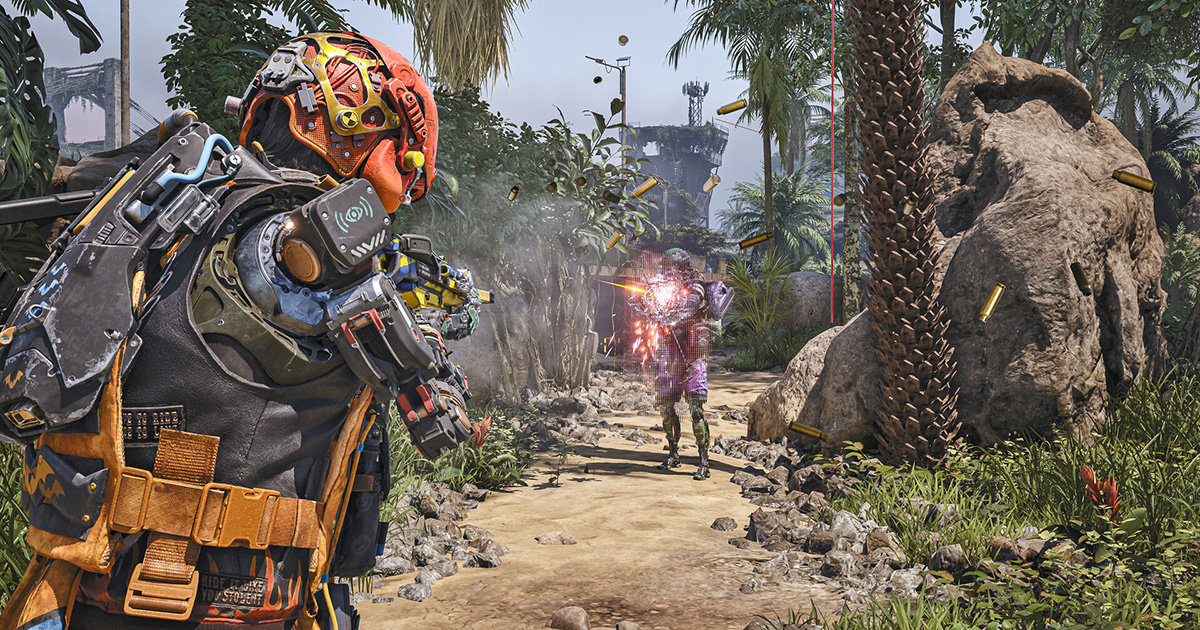
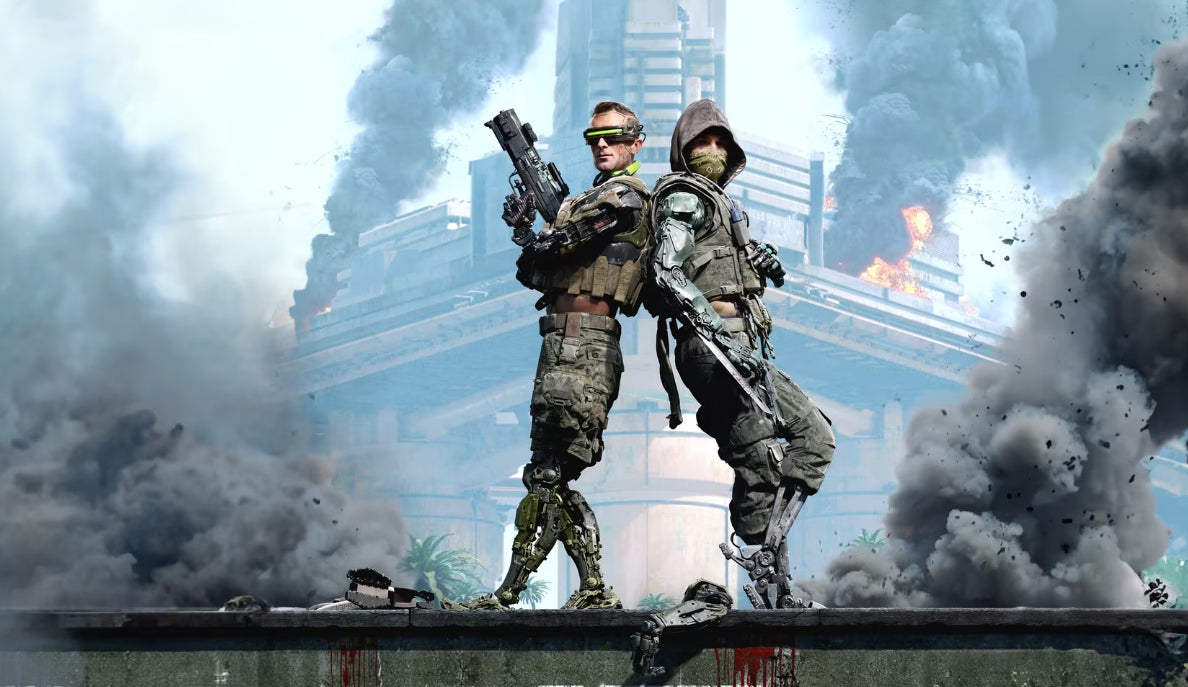
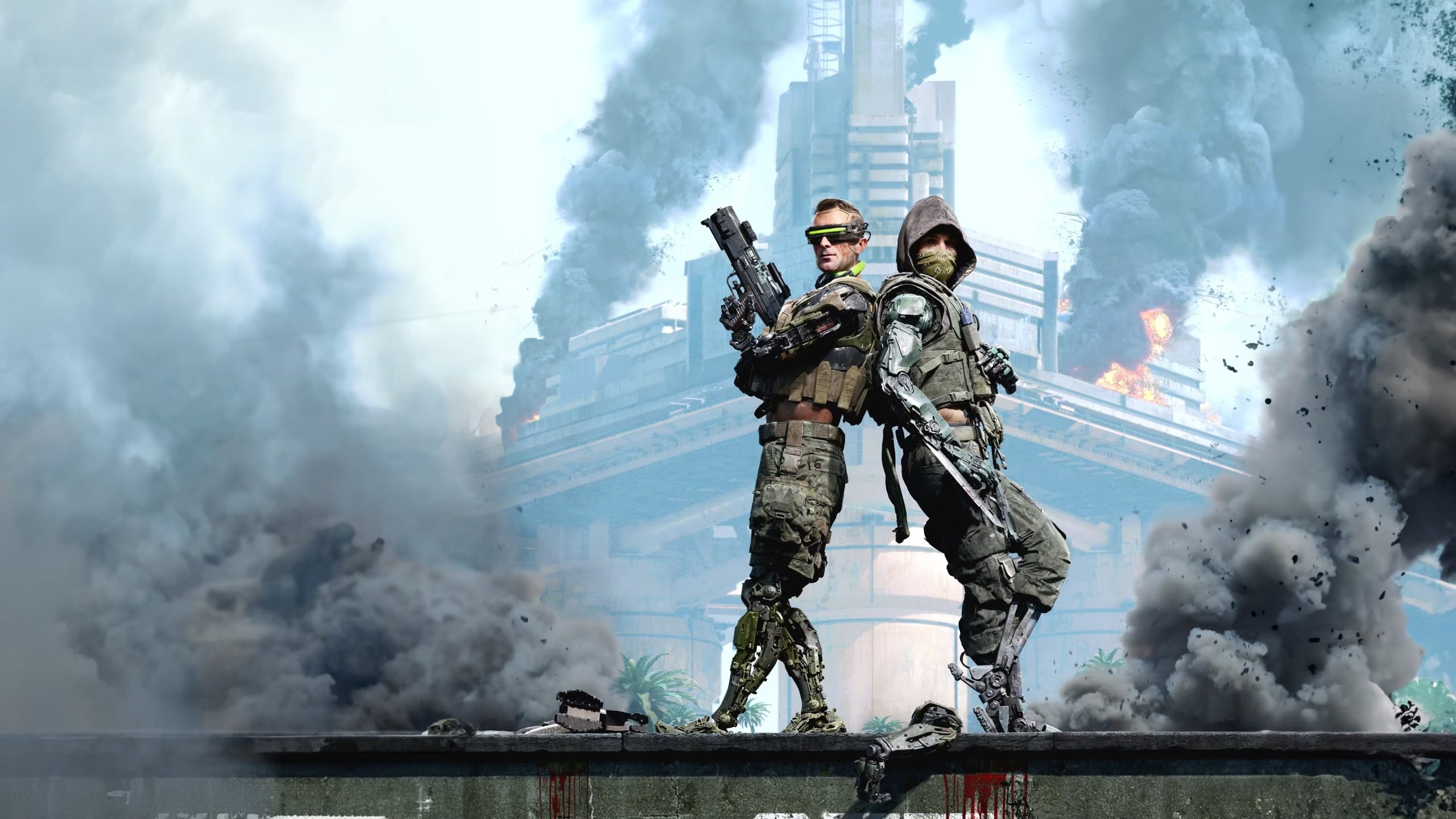
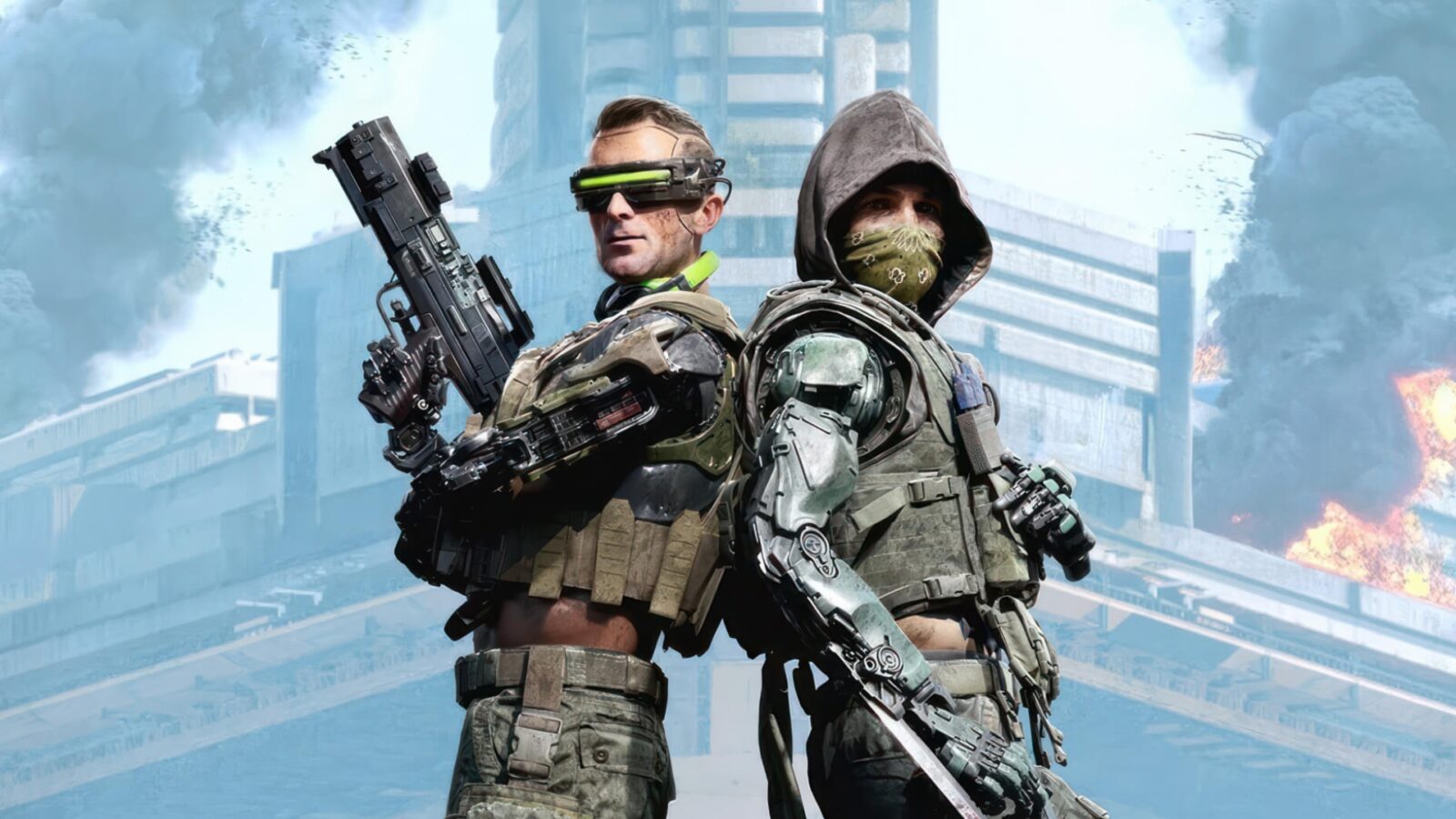
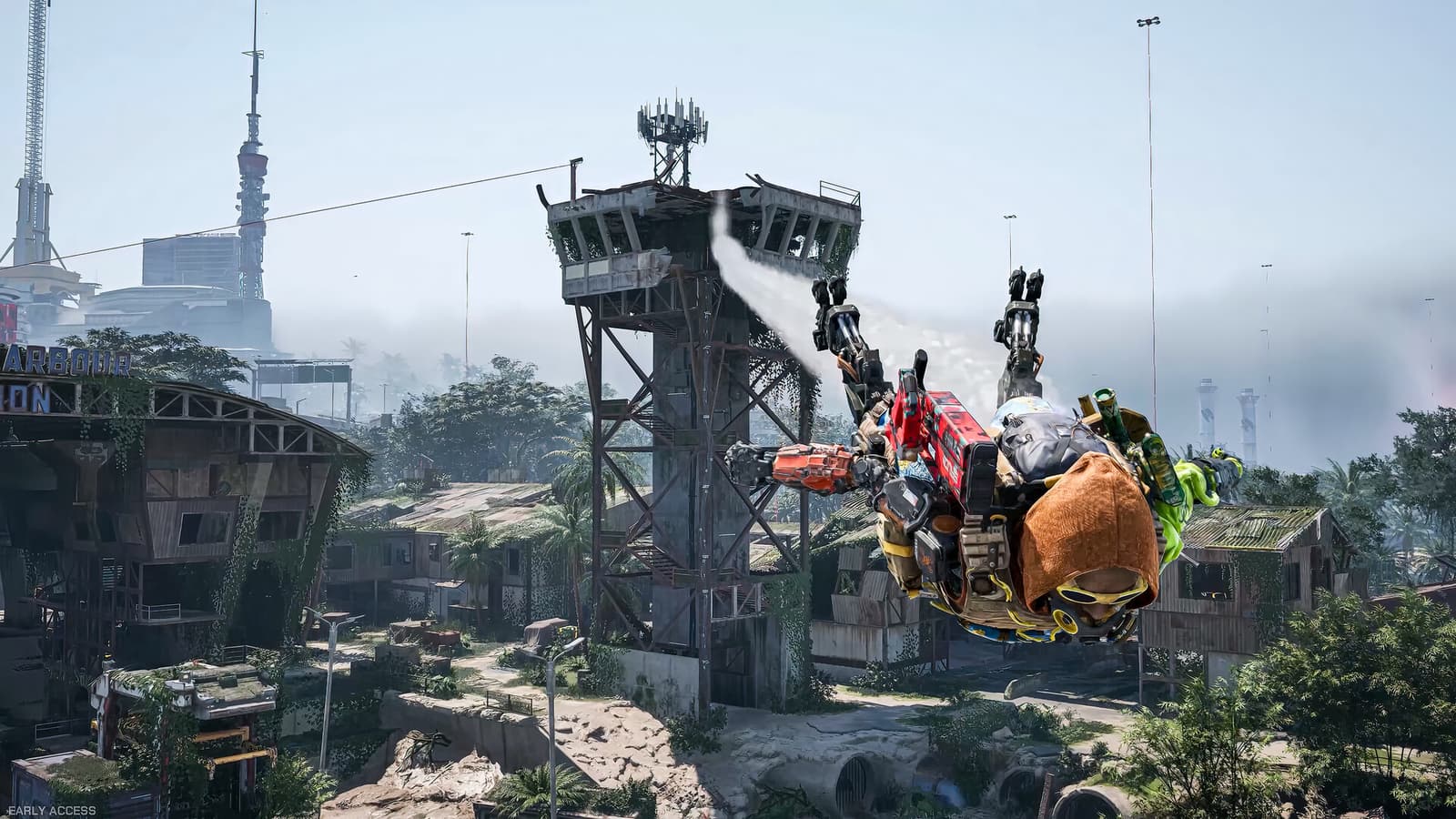
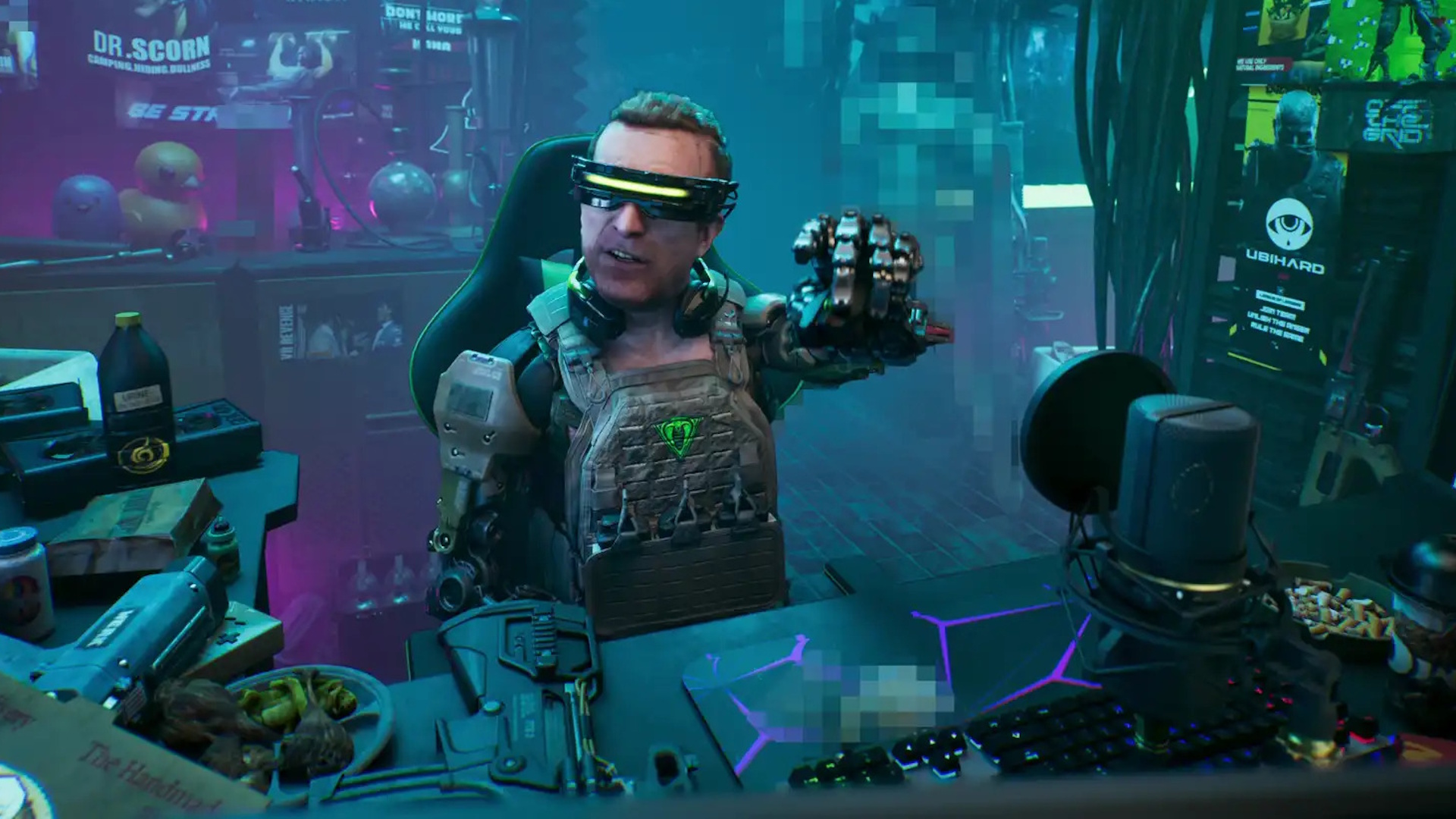
Gunzilla Games faces a severe financial crisis with systematic payroll failures affecting 100+ employees across Frankfurt, Kyiv, Los Angeles, and London offices, with some staff unpaid since October 2025. The company, which acquired Game Informer magazine in 2025 and develops the Web3 game "Off The Grid," has delayed contractor payments by 4-6 months while full-time employees experience periodic delays. CEO Vlad Korolev's public Twitter defense—characterizing delayed payments as "standard business practice during cost optimization"—has intensified reputational damage and raised critical questions about financial management in the gaming sector.
This crisis directly impacts cross-border sellers through multiple supply chain vulnerabilities. First, sellers relying on gaming industry partnerships for merchandise licensing, esports sponsorships, or content creation face counterparty risk from financially unstable publishers. Game Informer's acquisition by Gunzilla created a critical media asset now threatened by operational collapse; sellers using Game Informer for product reviews, advertising, or influencer partnerships face potential service disruption. Second, the contractor payment crisis signals broader cash flow problems affecting vendor relationships—suppliers to Gunzilla or similar gaming studios may experience delayed payments, increased payment terms (net-60 to net-90), or contract terminations. Third, the company's acquisition of Game Informer in early 2025 (undisclosed amount) while experiencing financial distress suggests poor capital allocation, a red flag for any seller considering partnerships with financially unstable gaming companies.
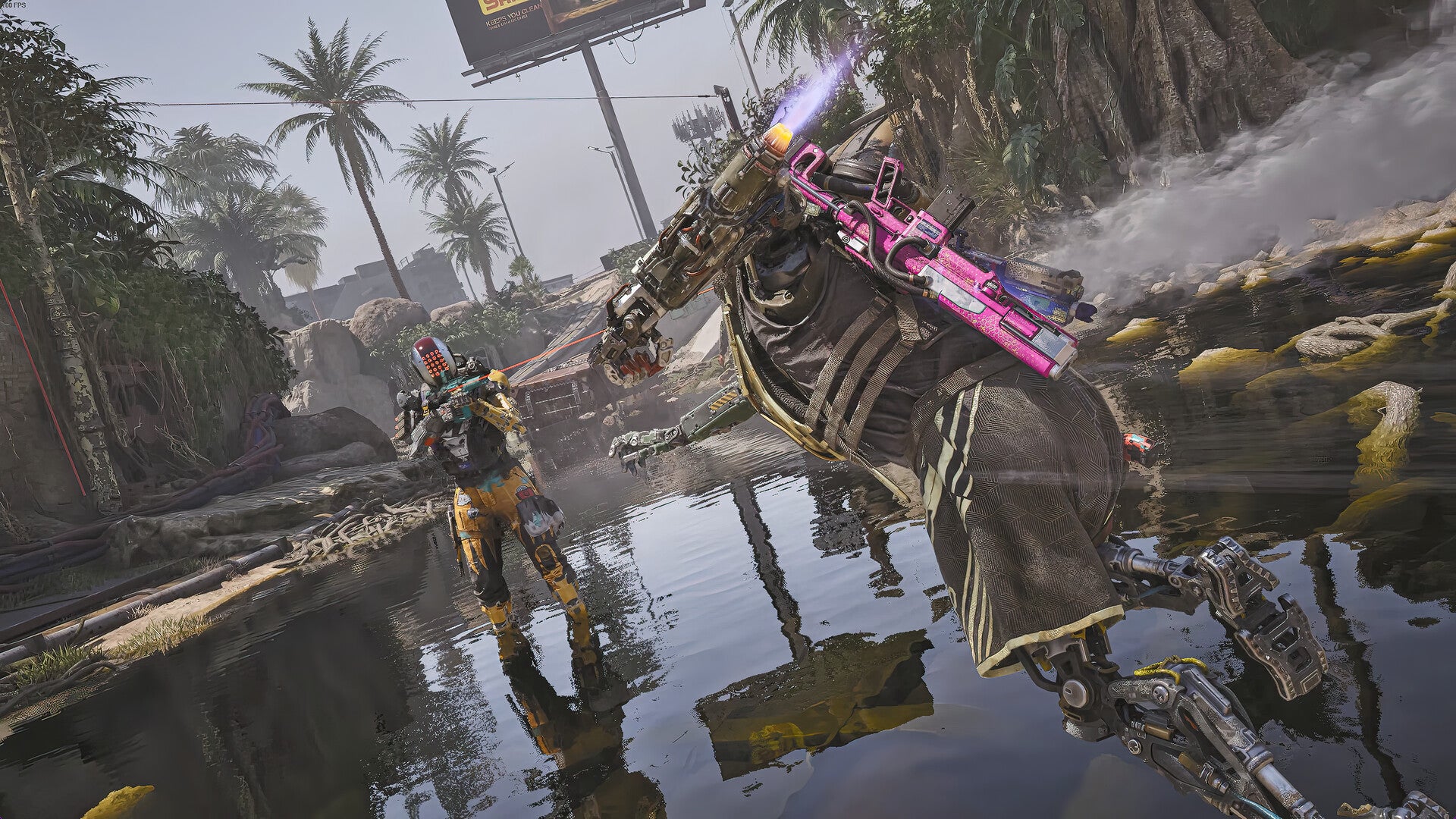
The Web3 gaming sector's credibility damage extends to merchandise and digital asset markets. Off The Grid's underperformance (failed to achieve projected player numbers despite 100,000 Pro subscribers and 3,000 daily players) demonstrates the volatility of blockchain gaming as a revenue model. Sellers offering NFT-related merchandise, gaming peripherals, or digital collectibles tied to Web3 games face heightened market risk. The company's reliance on cryptocurrency metrics (offering 100,000 GUN tokens for real-time player data) and CEO's use of crypto terminology ("FUD") indicates potential exposure to volatile token economics. Additionally, Gunzilla's multi-region operations (with significant Ukrainian presence) create geopolitical supply chain risks—the company's Kyiv office faces ongoing conflict-related disruptions, potentially affecting development timelines and product roadmaps that sellers depend on for partnership planning.
For e-commerce sellers, this situation reveals critical operational lessons: Gunzilla's failure to remit pension contributions (May-September) despite deducting from paychecks, combined with CEO promises followed by system access revocation, demonstrates how financial distress can lead to legal liability and reputational collapse. Sellers should audit partnerships with gaming companies for financial stability indicators, diversify revenue sources away from single-publisher dependencies, and establish clear payment terms with gaming industry partners. The incident also highlights risks in the gaming merchandise category—sellers offering licensed products from financially unstable publishers face inventory obsolescence if partnerships dissolve.
Questions 8
How does Gunzilla's payroll crisis affect sellers offering gaming merchandise and licensed products?
Sellers relying on Gunzilla partnerships face significant counterparty risk. The company's 4-6 month payment delays and CEO's admission that payments are 'scheduled for company cash flow' rather than contractual timelines indicate potential contract breaches. Sellers offering Off The Grid merchandise, esports sponsorships, or content licensing should immediately audit partnership agreements for termination clauses, payment guarantees, and intellectual property protections. If Gunzilla defaults on licensing fees or product orders, sellers could face inventory obsolescence and revenue loss. Recommend establishing escrow arrangements or requiring prepayment for any new orders.
How should sellers evaluate financial stability when partnering with gaming companies in the Web3 sector?
Gunzilla's case demonstrates critical red flags: (1) CEO publicly defending payment delays as 'standard practice,' (2) Contractor payments delayed 4-6 months while full-time staff experience periodic delays, (3) Acquisition of Game Informer during financial distress, (4) Failed product performance (Off The Grid underperformed projections), (5) Multi-region operations with geopolitical exposure (Kyiv office). Sellers should require audited financial statements, establish shorter payment terms (net-15 vs. net-60), demand performance bonds for large orders, and avoid exclusive partnerships. The company's $25M VC funding (2020) proved insufficient, suggesting sellers should verify current funding status and runway.