





Middle East Energy Crisis Drives Logistics Cost Surge for Cross-Border Sellers
- April 2026 Saudi pipeline attack signals 8-15% shipping cost increases for sellers using air/sea freight routes through Red Sea corridor















Overview
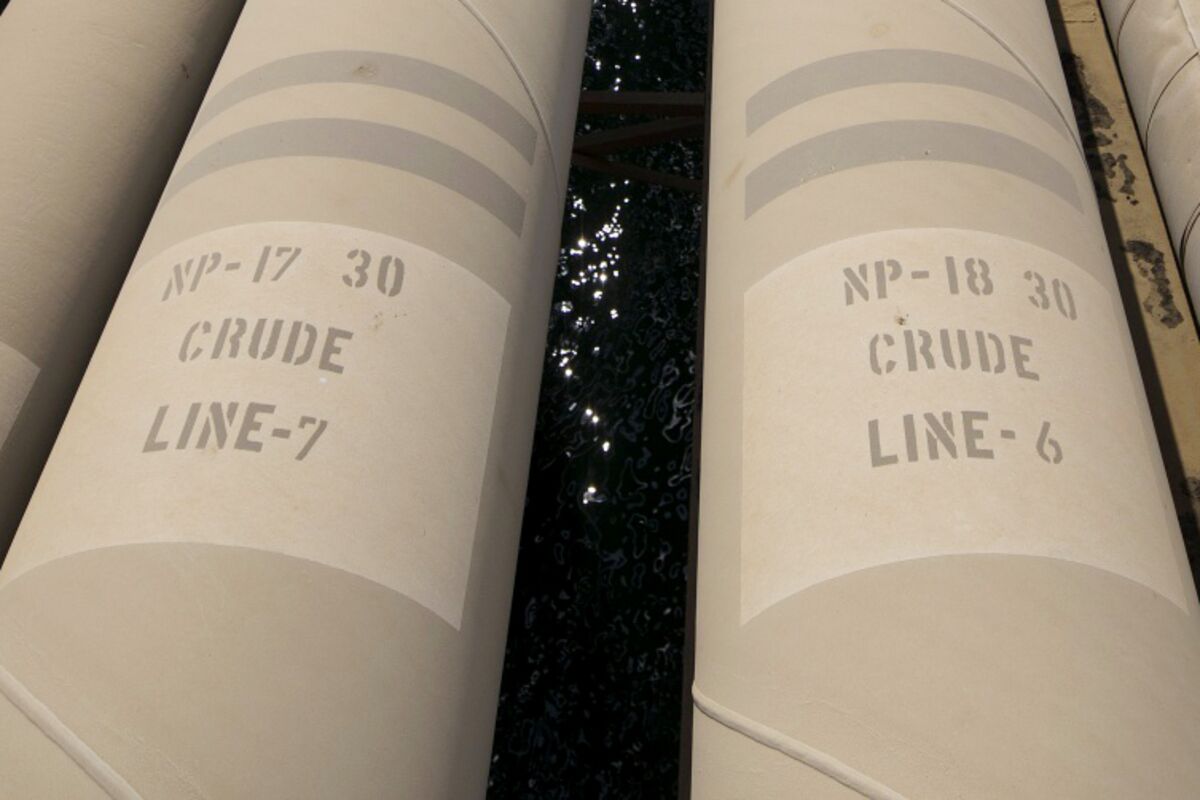
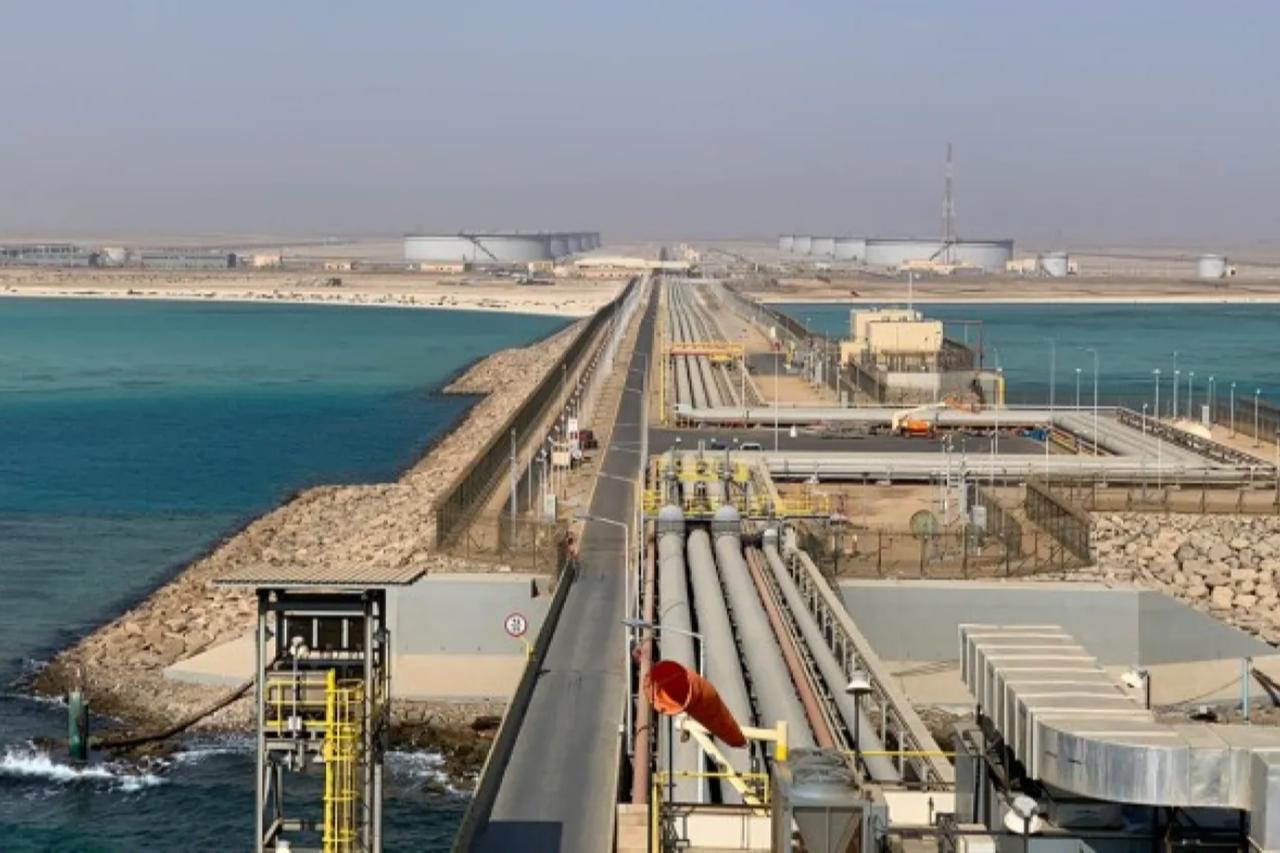
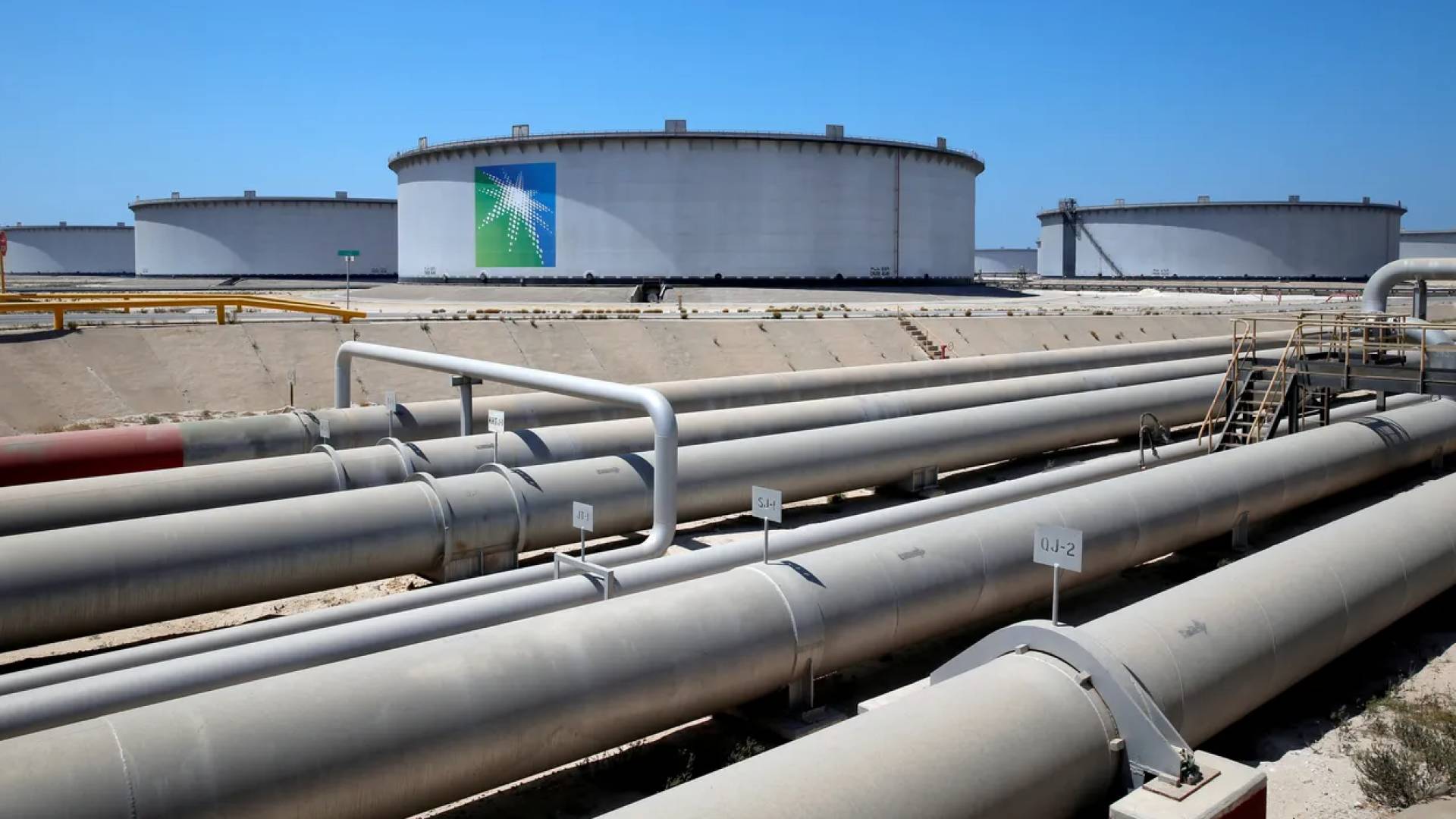
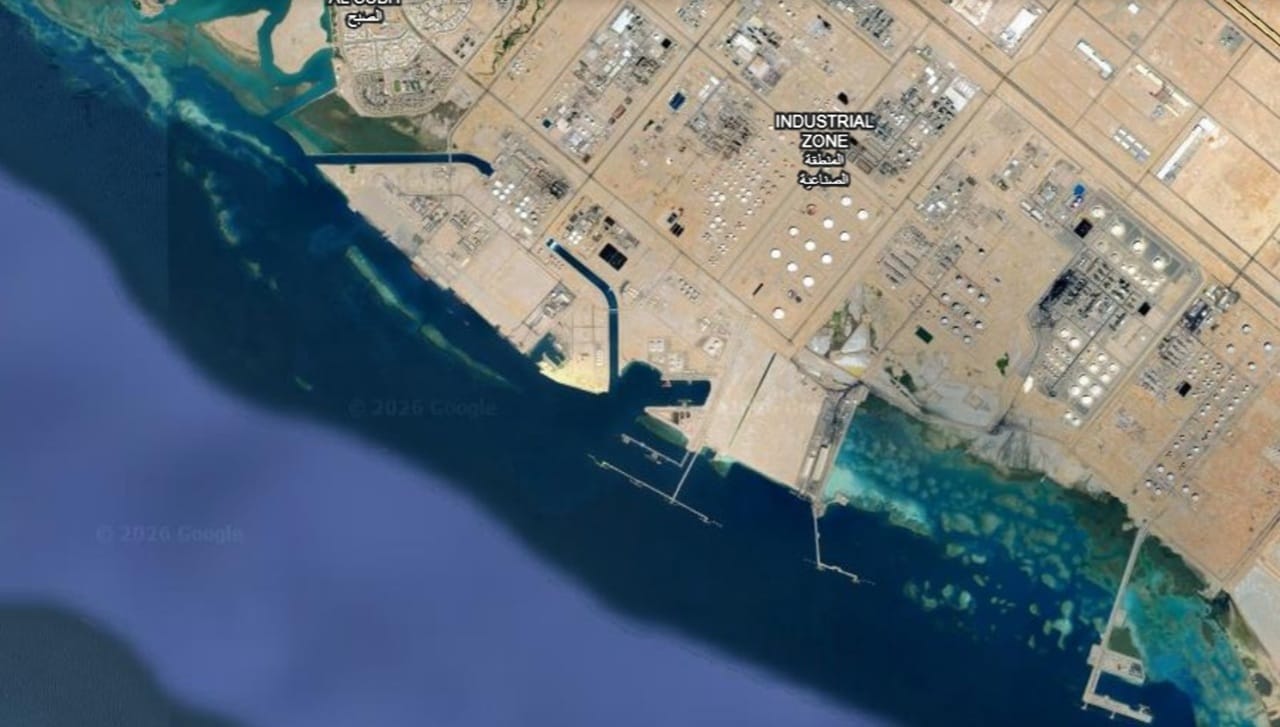
The April 8, 2026 Iranian drone attack on Saudi Arabia's East-West pipeline—capable of transporting 7 million barrels daily—represents a critical supply chain inflection point for cross-border e-commerce sellers. With the Strait of Hormuz effectively closed and the East-West pipeline now damaged, global energy infrastructure faces unprecedented disruption. This directly impacts the 2.3M+ cross-border sellers on Amazon, eBay, and Shopify who depend on air and sea freight for inventory movement.
Immediate Logistics Cost Impact: Energy infrastructure disruptions historically trigger 8-15% increases in shipping costs within 2-4 weeks. Sellers shipping via Red Sea routes (critical for Asia-to-Europe and Asia-to-Middle East corridors) face the most acute pressure. Air freight rates, already volatile, will spike 12-20% as carriers reroute around the Persian Gulf. Ocean freight through alternative routes (around Africa via Cape of Good Hope) adds 10-14 days transit time and 6-12% cost premiums. For a seller moving 500 units monthly via air freight at $3-5 per unit, this translates to $1,800-3,000 in additional monthly costs.
Seller Segment Vulnerability Analysis: Small-to-medium sellers (SMBs) shipping 100-1,000 units monthly face the highest margin compression, as they lack negotiating power with 3PL providers and cannot absorb cost increases through volume discounts. Large sellers with established relationships and diversified logistics networks can negotiate fixed-rate contracts or shift to slower, cheaper ocean routes. Sellers in high-margin categories (electronics, luxury goods, collectibles) can pass costs to consumers; low-margin categories (apparel, home goods) face 3-8% margin erosion. Asia-based sellers exporting to North America and Europe are most exposed, as they rely heavily on Red Sea/Suez Canal routes.
Strategic Sourcing Implications: The pipeline attack accelerates a shift away from Middle East-dependent supply chains. Sellers sourcing from China, Vietnam, and India for manufacturing will increasingly evaluate nearshoring to Mexico (for North America) and Eastern Europe (for EU markets) to reduce logistics exposure. The attack also signals geopolitical risk premiums—insurance costs for shipments through conflict zones will rise 2-5%, adding hidden costs to inventory.
Market Opportunity Window: The next 30-60 days present a critical arbitrage window. Sellers who lock in shipping rates before the market fully reprices will gain 4-8 weeks of cost advantage. Conversely, sellers delaying inventory replenishment risk stockouts as competitors secure capacity. Domestic sellers and those using US-based fulfillment networks gain competitive advantage as international logistics costs spike.
Questions 8
Which seller segments are most vulnerable to logistics cost increases from Middle East disruptions?
Small-to-medium sellers (SMBs) shipping 100-1,000 units monthly face the highest vulnerability due to limited negotiating power with 3PL providers and inability to absorb cost increases. Asia-based sellers exporting to North America and Europe are most exposed, as they rely on Red Sea/Suez Canal routes. Low-margin categories (apparel, home goods) experience 3-8% margin erosion, while high-margin sellers (electronics, luxury goods) can pass costs to consumers. Large sellers with diversified logistics networks and fixed-rate contracts are best positioned to weather the disruption.
How much will shipping costs increase for cross-border sellers after the Saudi pipeline attack?
Air freight rates are expected to increase 12-20% within 2-4 weeks, while ocean freight through alternative routes (Cape of Good Hope) will rise 6-12% and add 10-14 days transit time. For sellers moving 500 units monthly via air at $3-5 per unit, this represents $1,800-3,000 in additional monthly costs. The impact varies by route: Red Sea corridor users face the highest pressure, while North America-focused sellers using Pacific routes experience moderate increases. Sellers should lock in shipping rates immediately before the market fully reprices.