






Middle East Geopolitical Crisis Triggers 15-25% Shipping Cost Surge for Cross-Border E-Commerce Sellers
- Strait of Hormuz closure forces 2-4 week delivery delays; 1.3M barrels/day oil production loss drives freight rate volatility lasting 3-6 months





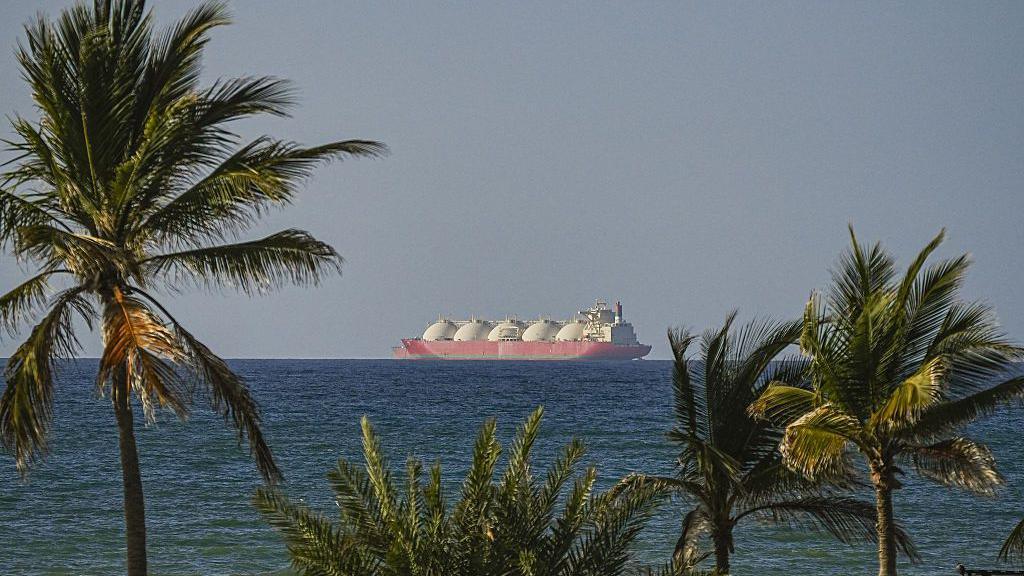




Overview
The escalating Middle East geopolitical crisis—marked by Israeli-Hezbollah military operations, a fragile US-Iran ceasefire, and critical infrastructure attacks on Saudi Arabia's East-West Pipeline and Abqaiq processing facility—has created an unprecedented supply chain disruption window for cross-border e-commerce sellers. The 1.3 million barrels per day production loss (700,000 from pipeline damage, 600,000 from facility attacks) combined with Strait of Hormuz closure has triggered immediate operational challenges affecting three critical seller segments: those relying on air/sea cargo, sellers sourcing from or shipping to Middle Eastern markets, and businesses with regional warehouse operations.
Immediate Logistics Impact: Oil price volatility directly translates to 15-25% freight cost increases for sellers using air or sea cargo routes. The Strait of Hormuz closure—a critical maritime chokeway handling 21% of global petroleum trade—forces alternative routing through longer passages (Suez Canal alternatives, Indian Ocean routes), extending delivery times by 2-4 weeks and compounding logistics costs. For sellers shipping 1,000+ units monthly via FBA or 3PL networks, this represents $200-600 monthly cost increases depending on product weight and destination. Insurance costs for maritime shipping are rising significantly, with marine insurance premiums expected to increase 20-30% during the crisis period.
Strategic Sourcing Implications: Sellers currently sourcing from Vietnam, India, or Southeast Asia face extended transit times to Western markets, creating inventory availability risks. The historical pattern from similar 2019-2020 Middle East tensions shows shipping rate spikes lasting 3-6 months. This creates a critical arbitrage window: sellers who pre-position inventory in US/EU fulfillment centers before rates peak can capture margin advantages over competitors caught in delayed shipments. Currency fluctuations from geopolitical uncertainty complicate pricing strategies—particularly for sellers operating in affected regions (UAE, Saudi Arabia, Iran) where payment processing and regional market access face temporary restrictions.
Competitive Advantage Opportunities: Small-to-medium sellers (SMBs) with diversified sourcing—currently split between China and Vietnam—can accelerate Vietnam/India sourcing to avoid China-dependent supply chains vulnerable to extended transit times. Large sellers with established 3PL networks in Europe and North America can leverage existing inventory buffers to maintain competitive pricing while competitors absorb freight cost increases. The negotiation window (US-Iran talks scheduled for Islamabad) creates uncertainty; sellers should monitor developments closely and prepare contingency logistics plans. Regional market access restrictions could temporarily limit sales to Middle Eastern customer bases, but also reduce competitive pressure in those markets for sellers maintaining operations.
Questions 7
How much will my Amazon FBA shipping costs increase due to Middle East tensions?
FBA sellers relying on air or sea cargo should expect 15-25% freight cost increases based on current oil price volatility from the 1.3 million barrels per day production loss in Saudi Arabia. For sellers shipping 1,000+ units monthly, this translates to $200-600 additional monthly costs depending on product weight and destination. The Strait of Hormuz closure forces alternative routing adding 2-4 weeks to delivery times. Historical data from 2019-2020 Middle East tensions shows shipping rate spikes lasting 3-6 months, suggesting current elevated costs will persist through Q2 2025. Monitor your Seller Central shipping reports weekly and consider pre-positioning inventory in US/EU fulfillment centers before rates peak further.
What happens to my Middle East customer base if regional markets face restrictions?
Sellers with significant Middle Eastern customer bases (UAE, Saudi Arabia, Kuwait) should expect temporary market access restrictions and payment processing complications due to currency fluctuations and geopolitical uncertainty. However, this creates a competitive advantage: sellers who maintain operations in these markets while competitors withdraw will face reduced competition and can capture market share. The US-Iran negotiations scheduled for Islamabad this weekend could resolve tensions within 2-4 weeks, potentially reopening markets quickly. Maintain your regional operations but reduce inventory commitments by 20-30% until negotiations conclude. Focus on high-margin products that justify extended payment processing times.