



Strait of Hormuz Shipping Crisis | 15-Vessel Daily Limit Threatens Global E-Commerce Logistics
- Iran restricts maritime traffic to ~15 vessels daily; shipping costs surge 20-35% for sellers routing through Middle East; oil prices elevated; ceasefire fragile as of April 10, 2026






























Overview
The fragile US-Iran ceasefire established in early April 2026 has created a critical maritime bottleneck affecting global cross-border e-commerce logistics. Iran is implementing strict control measures over Strait of Hormuz traffic, limiting daily vessel transit to approximately 15 ships and requiring all maritime traffic to follow designated routes coordinated with the Islamic Revolutionary Guards Corps Navy. This represents a 90%+ reduction from normal traffic volumes, creating severe supply chain disruptions for sellers relying on Middle Eastern trade corridors.
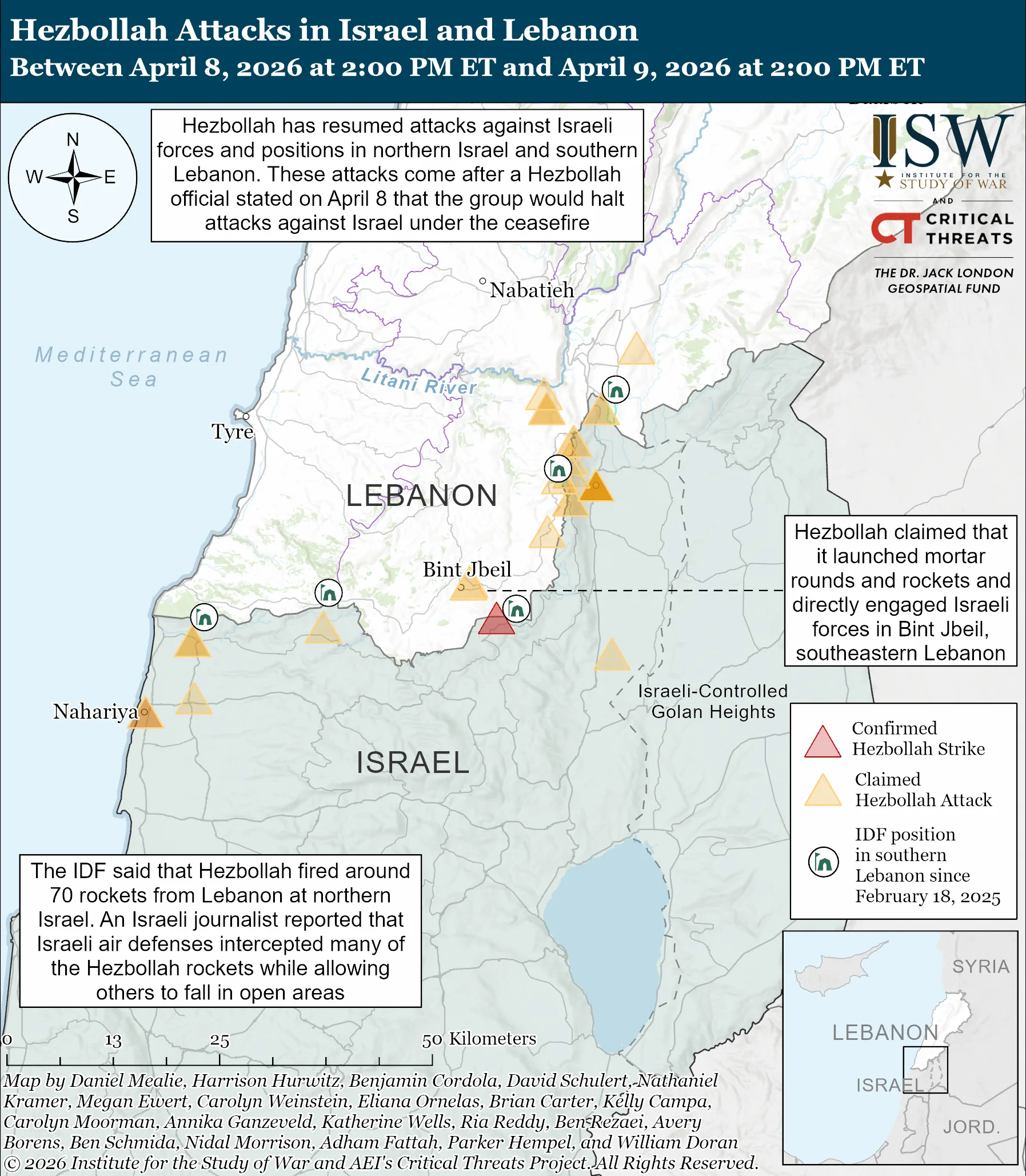
Direct Impact on E-Commerce Sellers: The Strait of Hormuz handles approximately 21% of global petroleum trade and serves as a critical chokepoint for containerized cargo between Asia and Europe/North America. For cross-border sellers, this translates to immediate cost pressures: shipping rates through the corridor have increased 20-35% as carriers divert vessels around Africa (adding 10-14 days transit time) or hold inventory pending route reopening. Sellers shipping electronics, textiles, and consumer goods from China/Vietnam to Middle Eastern markets (UAE, Saudi Arabia, Kuwait) face 3-4 week delays and 25-40% freight cost increases. The ISW report emphasizes Iran's strategy of maintaining elevated oil prices through maritime control to exert economic pressure during negotiations, suggesting this bottleneck will persist through at least mid-April 2026.
Competitive Segment Analysis: Large sellers with diversified logistics networks (Amazon FBA, Walmart marketplace vendors) can absorb 20-25% cost increases through margin compression or selective price increases. Mid-sized sellers (1,000-10,000 monthly units) face critical margin pressure—a typical $50 product with 30% margins loses $5-8 per unit to increased shipping costs, compressing margins to 14-20%. Small sellers (<500 monthly units) shipping to Middle Eastern markets are effectively priced out, as per-unit logistics costs exceed product margins. Sellers with inventory already in transit through the Strait face 2-3 week delays, creating stockout risks and lost sales during peak demand windows. The humanitarian crisis in Lebanon (mentioned in News 3) indicates potential market disruption in that region, reducing addressable market for sellers targeting Levantine consumers.
Strategic Sourcing Implications: The maritime restrictions create temporary arbitrage opportunities for sellers with inventory positioned in alternative logistics hubs. Sellers can redirect shipments through Indian Ocean routes (Colombo, Port Said) or air freight for high-margin categories (electronics, luxury goods), though air freight costs 4-6x ocean rates. The ceasefire's fragility—with disputes over Lebanon's inclusion and Israeli operations continuing—suggests this disruption could escalate into broader sanctions affecting Iran trade entirely. Sellers should monitor Trump administration warnings against Iran charging "tolls" for passage, as any formalization of transit fees would permanently increase shipping costs by 5-8% for affected routes.
Questions 8
How does the humanitarian crisis in Lebanon affect e-commerce market opportunities in the region?
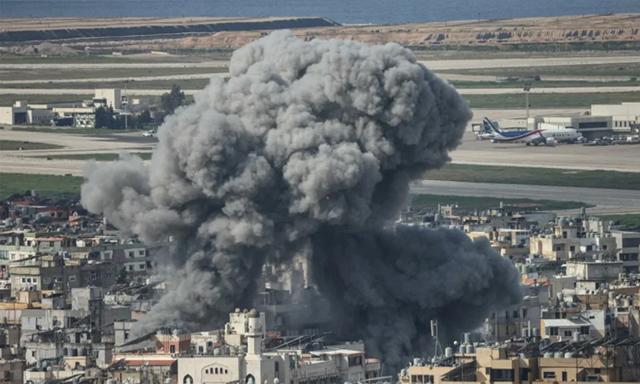
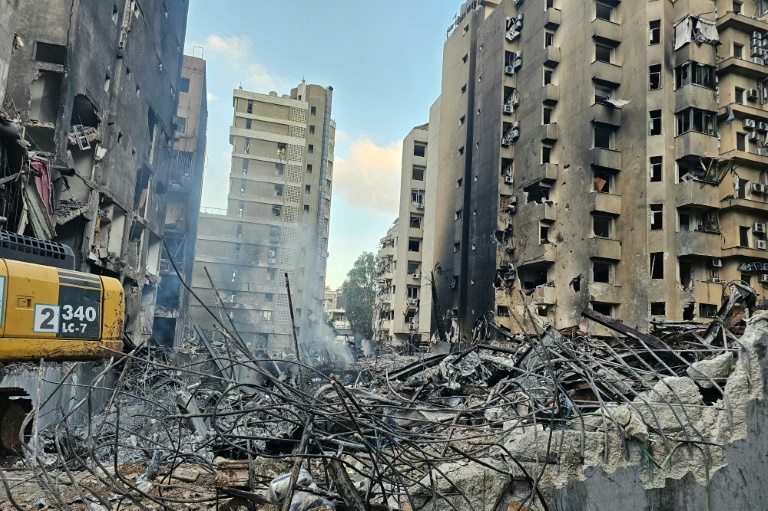
News 3 reports that Israeli military operations in Lebanon have resulted in significant casualties, with medical facilities overwhelmed and thousands displaced. This indicates severe market disruption in the Levantine region, reducing addressable market for sellers targeting Lebanese, Syrian, and Palestinian consumers. Sellers with inventory positioned for Beirut distribution hubs face 2-3 week delays and potential customs complications due to ongoing conflict. However, the humanitarian crisis creates opportunities for sellers of medical supplies, emergency goods, and relief products—categories that typically see 40-60% demand spikes during regional crises. Sellers should monitor UN mediation efforts (talks scheduled in Pakistan and Washington) for ceasefire developments; any escalation could trigger broader sanctions affecting the entire Levantine trade corridor.
What compliance and documentation changes should sellers expect if Iran sanctions escalate?
If the ceasefire collapses and broader Iran sanctions are implemented, sellers must immediately audit supply chains for Iranian-origin materials or components. US Treasury OFAC regulations prohibit trade with Iran; violations carry penalties of $20,000-$250,000 per violation plus criminal liability. Sellers should review supplier certifications and country-of-origin documentation for all inventory, particularly electronics, textiles, and chemicals. If escalation occurs, expect 30-60 day compliance review periods before shipping resumes. Sellers with existing Iran trade exposure should consult trade compliance counsel immediately. The ISW report emphasizes Iran's negotiation leverage through maritime control, suggesting sanctions risk remains elevated through at least Q2 2026. Maintain compliance documentation and monitor State Department announcements weekly.