

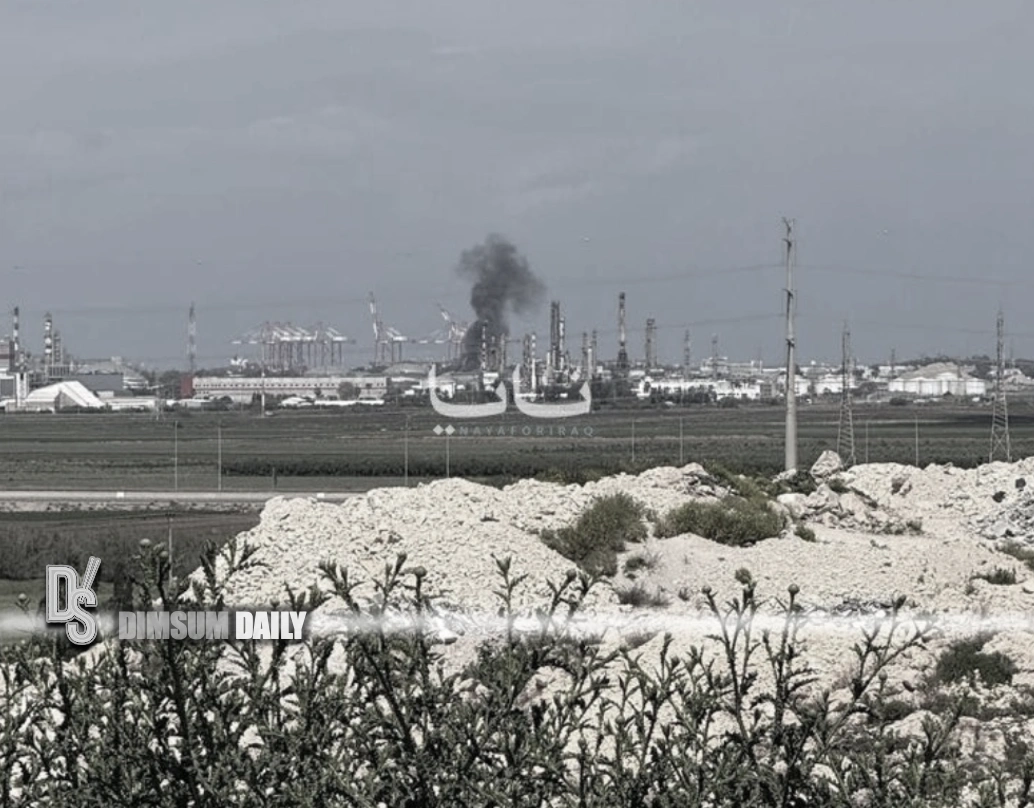
Strait of Hormuz Shipping Crisis | Cross-Border Sellers Face 8-15% Logistics Cost Surge
- Middle East tensions threaten 20% of global maritime trade; Asia-to-US/EU sellers see 3-6 week delays and insurance premium increases
Overview
The escalating Israel-Iran geopolitical tensions and ongoing ceasefire negotiations centered on the Strait of Hormuz present a critical supply chain risk for cross-border e-commerce sellers. This strategic waterway carries approximately 20% of global oil consumption and serves as a vital maritime corridor for goods flowing from Asia to Western markets. Recent military operations, including IDF strikes on Hezbollah positions in Lebanon and drone attacks on US facilities in Baghdad, have created shipping route uncertainty that directly impacts seller logistics costs and delivery timelines.
For cross-border sellers, the operational impact is substantial and immediate. Sellers importing goods from China, Vietnam, India, and Southeast Asia to US and European markets face 8-15% increases in freight costs as shipping companies reroute vessels around Africa (adding 10-14 days transit time) or demand higher insurance premiums for Hormuz passage. Amazon FBA sellers shipping from Asia are experiencing 3-6 week delays in inventory arrival, directly affecting inventory turnover rates and IPI (Inventory Performance Index) scores. Small-to-medium sellers (SMBs) with limited cash reserves are particularly vulnerable, as they cannot absorb sudden 15-25% increases in per-unit logistics costs without compressing margins by 5-8%.
The competitive advantage shifts toward sellers with diversified sourcing strategies. Sellers already sourcing from Vietnam, India, or Mexico (avoiding Hormuz-dependent routes) maintain cost stability while competitors face margin compression. Large sellers with established 3PL networks and pre-negotiated shipping contracts experience less disruption than smaller sellers relying on spot-market freight rates. Additionally, sellers with inventory already positioned in US/EU fulfillment centers avoid the immediate impact, while those dependent on just-in-time inventory management face critical stockouts.
Energy price volatility compounds the challenge. Oil price spikes from Hormuz uncertainty increase fuel surcharges on shipping (typically 2-4% of base freight cost), while also raising operational costs for 3PL warehouses and last-mile delivery providers. Sellers exporting to Middle Eastern markets (UAE, Saudi Arabia, Qatar) face even greater disruption, as alternative routing adds 15-20 days to delivery timelines and increases customs clearance complexity.
The policy window is critical. US-UK ceasefire negotiations suggest potential route reopening within 60-90 days, but sellers must prepare for extended disruption. Those with Middle East exposure should immediately evaluate alternative sourcing countries and 3PL providers outside Hormuz-dependent corridors. Sellers should also monitor shipping insurance premiums and consider hedging strategies for fuel surcharges.
Questions 8
How can sellers mitigate Hormuz-related supply chain risks in their Amazon FBA strategy?
Sellers should immediately implement three risk mitigation strategies: (1) Diversify sourcing to Vietnam, India, or Mexico to bypass Hormuz-dependent routes; (2) Pre-position inventory in US/EU fulfillment centers before further delays occur; (3) Negotiate fixed-rate shipping contracts with 3PL providers for 90-day periods to lock in current rates. The news indicates ongoing military tensions, suggesting 60-90 day disruption windows. In Amazon Seller Central, review inventory arrival schedules and adjust reorder points upward by 20-30% to account for extended transit times. Monitor shipping insurance premiums and fuel surcharges weekly, as these typically spike during geopolitical crises affecting 20% of global maritime trade.
Which product categories are most affected by Hormuz shipping disruptions?
High-volume, low-margin categories (electronics, apparel, home goods) sourced from Asia are most vulnerable because 8-15% freight cost increases compress already-thin margins. Electronics sellers typically operate on 15-25% margins, making 8-15% logistics increases particularly damaging. Conversely, high-margin categories (jewelry, collectibles, specialty items) can absorb cost increases more easily. The news reports that 20% of global oil consumption flows through Hormuz, affecting energy-intensive manufacturing regions like China and Vietnam. Sellers in low-margin categories should prioritize sourcing diversification immediately, while high-margin sellers can maintain current strategies with temporary cost absorption. Monitor category-specific shipping rates in your freight forwarder's dashboard weekly.