



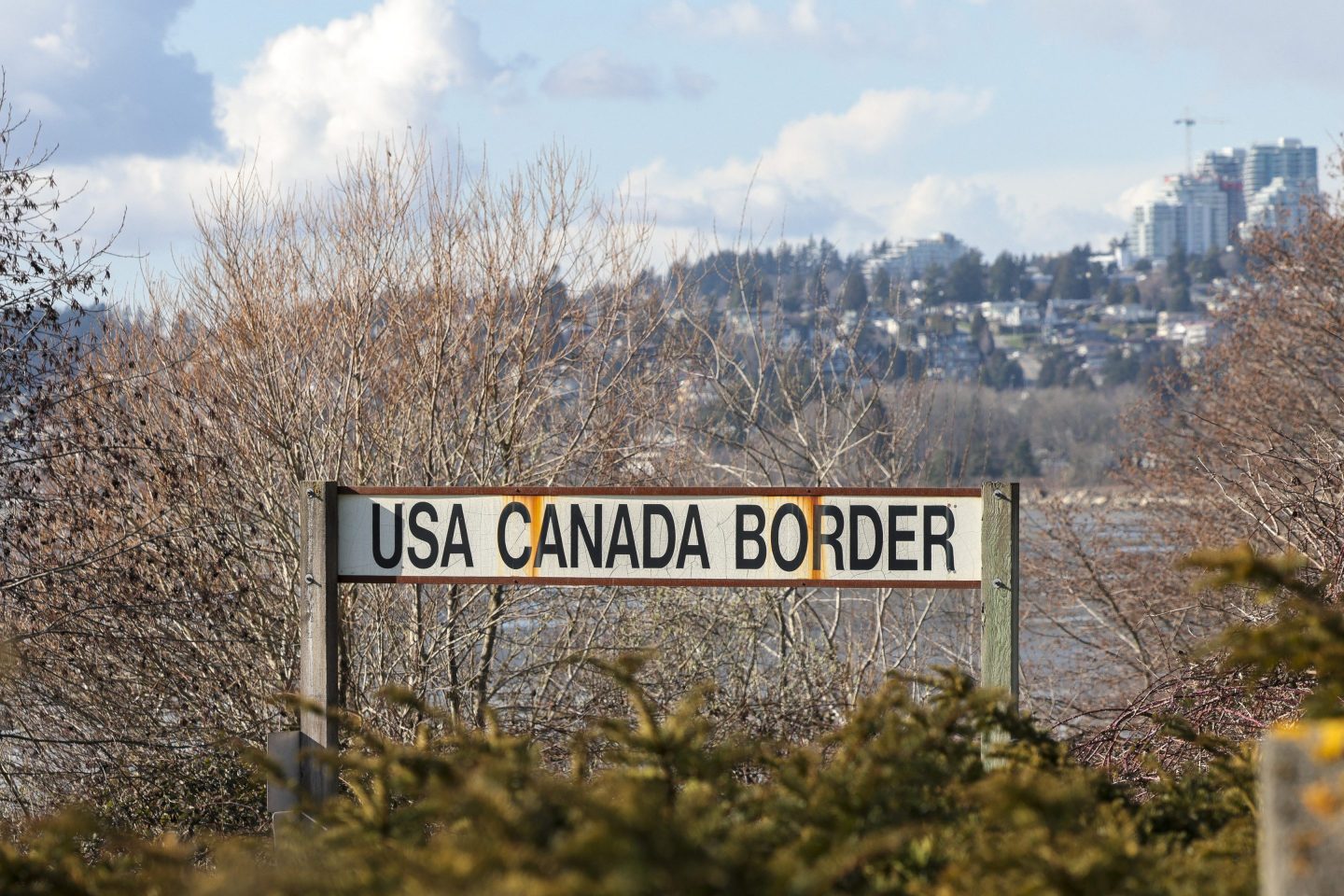


Cross-Border Economic Fracture: How Political Tensions Shatter US-Canada Tourism and Trade
- Geopolitical Disruption Triggers Massive Realignment of Transnational Economic Relationships






Overview
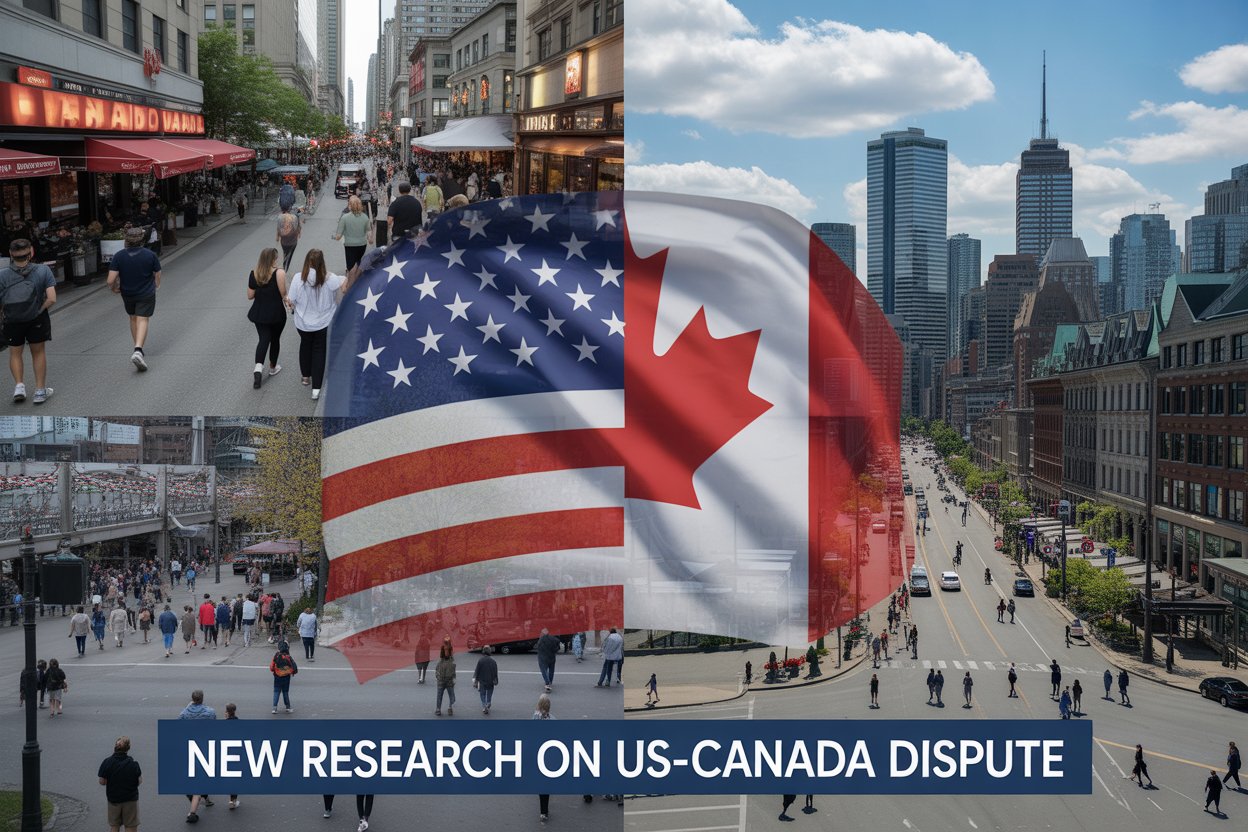
The cross-border economic landscape between the United States and Canada is experiencing a profound and potentially irreversible transformation in 2025. What began as political tensions has rapidly evolved into a strategic decoupling that threatens decades of integrated economic relationships, with tourism serving as the canary in the economic coal mine.
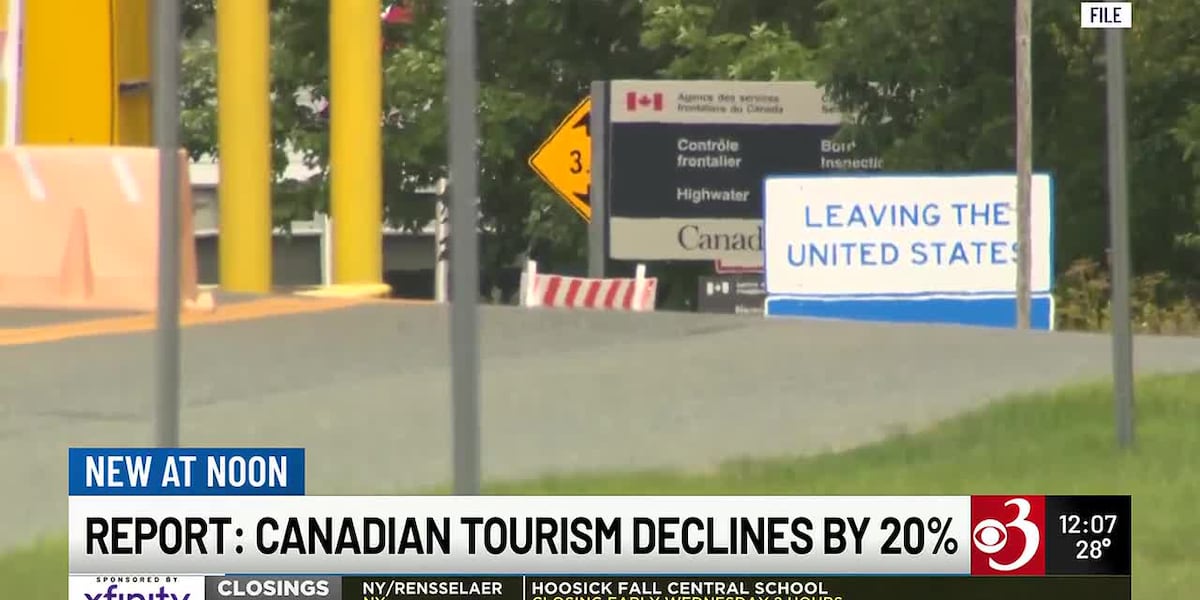
Quantitative evidence reveals a dramatic shift: Canadian visits to the United States have plummeted by 21.6%, with passenger vehicle crossings dropping nearly 20% from 2024 levels. Border states like New Hampshire, Washington, and Vermont are experiencing up to 27% reduction in Canadian travelers, translating into substantial revenue losses for local businesses. Elizabeth Guerin's gift shop in Colebrook, N.H., now sees so few Canadian visitors that she can "count them on one hand" - a stark metaphor for the broader economic disruption.
The decline extends far beyond tourism. Geopolitical tensions, including provocative presidential rhetoric about potential annexation and aggressive trade policies, have triggered a "Canada first" sentiment that is fundamentally restructuring international travel patterns. Canadian travelers are not just avoiding the United States; they are actively reorienting their international experiences. Mexico, France, Japan, Spain, and the United Kingdom have seen explosive growth in Canadian tourism, with France experiencing a remarkable 49.1% surge and Japan an 88% increase.
Local businesses are bearing the immediate brunt of this transformation. Border community economies, which historically relied on cross-border consumer traffic, now face existential challenges. The Bellingham Regional Chamber of Commerce reports a 38% decline in British Columbian travelers, creating a ripple effect of reduced hiring, constrained business expansion, and diminished economic forecasting capabilities.
This is not merely a temporary fluctuation but a potential fundamental restructuring of transnational economic relationships. Canadian travelers are establishing new travel habits, potentially permanently shifting away from U.S. destinations. The emotional and economic damage will take years to repair, with local tourism experts warning that newly formed international travel traditions may permanently alter cross-border dynamics.
The White House's defense of these policies - framing them as corrections to trade imbalances - masks the profound economic self-harm being inflicted. By prioritizing short-term political posturing over long-standing economic integration, the administration is risking long-term strategic partnerships that have historically been the cornerstone of North American economic stability.
Questions 5
Which alternative destinations are Canadian travelers choosing?
Canadians are increasingly traveling to Mexico, France, Japan, Spain, and the United Kingdom. France saw a 49.1% growth, Japan an 88% increase, demonstrating a significant reorientation of international travel patterns away from the United States.
How significant is the decline in Canadian tourism to the United States?
Canadian visits to the US have dropped by 21.6%, with some border states experiencing up to 27% reduction. This represents a substantial economic impact, with local businesses reporting dramatic revenue losses and potentially permanent shifts in travel preferences.