
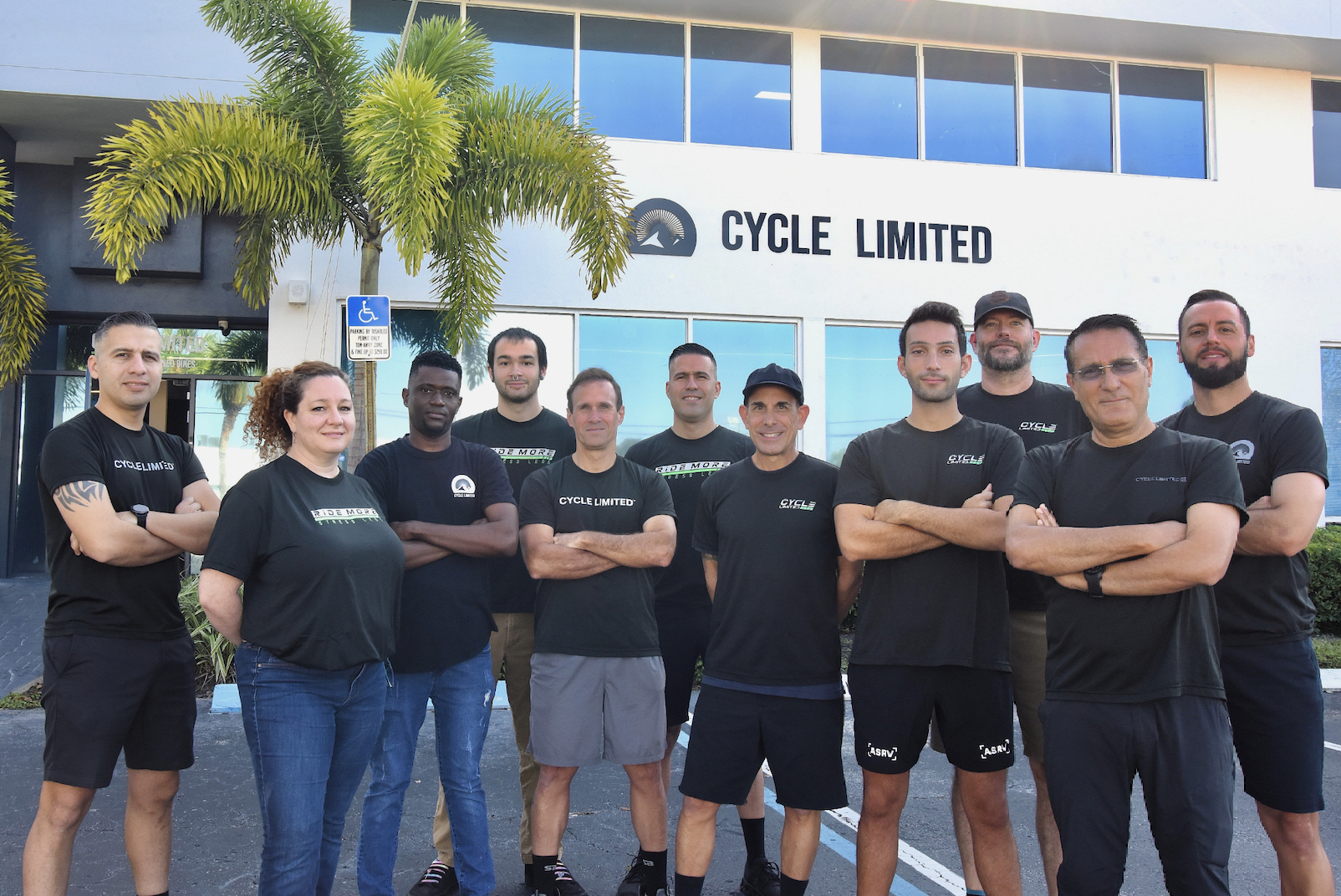
Premium Bike Trade-In Model Reshapes Dealer O2O Strategy | Offline Retail Opportunity
- Cycle Limited's Trade-Up program drives $3,500-$4,500 average transactions in premium cycling; dealers eliminate inventory risk while capturing upgrade cycle revenue
Overview
The Cycle Limited-Lightweight partnership (April 2026) signals a fundamental shift in premium retail: brick-and-mortar dealers can now compete with e-commerce by outsourcing pre-owned inventory management while maintaining customer relationships. This O2O model directly addresses the offline retail challenge that has plagued specialty dealers for decades—managing used inventory without capital risk or operational complexity.
The Trade-Up program creates a three-layer revenue opportunity for physical retailers. First, dealers capture full-price new bike sales ($6,000-$12,000 average) by offering trade-in convenience at point-of-sale. Second, they generate transaction fees on trade-in processing without holding inventory—Cycle Limited handles evaluation, logistics, and payment. Third, dealers strengthen customer lifetime value by positioning themselves as upgrade facilitators rather than one-time sellers. The program targets premium buyers (60-70% of Cycle Limited's customer base), where trade-in frequency has grown substantially over five years, indicating this isn't a niche behavior but an emerging standard in high-value categories.
For cross-border sellers and brands, this model presents concrete offline expansion opportunities. Premium cycling brands can now partner with regional dealers in key markets (US, EU, Asia-Pacific) without requiring dealers to build pre-owned infrastructure. This dramatically lowers the barrier to authorized dealer networks—dealers no longer need capital for inventory or expertise in valuation. Brands like Lightweight gain continuous customer touchpoints across upgrade cycles, improving customer LTV and brand loyalty. The partnership model also creates data advantages: Cycle Limited's trade-in submissions reveal upgrade patterns, price elasticity, and regional demand—intelligence that informs product development and inventory positioning.
The circular economy angle amplifies offline retail's competitive advantage. As consumers increasingly prefer upgrading over replacing (evidenced by Cycle Limited's growth trajectory), dealers who facilitate this behavior become essential. This is particularly valuable in premium categories where environmental consciousness correlates with purchase price. Sellers can differentiate by positioning trade-in programs as sustainability features, justifying premium pricing and building brand equity offline.
Immediate implications for retail partnerships: Brands should identify 5-10 key dealer markets (high foot traffic, affluent demographics, cycling culture) and pilot trade-in integration within 90 days. Expected outcomes: 15-25% increase in new bike sales per dealer, 8-12% improvement in customer retention, and 20-30% reduction in dealer acquisition costs through word-of-mouth from satisfied upgrade customers. The model works best in specialty retail where customer relationships matter more than price competition.
Questions 8
What is the expected customer lifetime value increase from implementing an O2O trade-in strategy?
Based on industry patterns in premium categories, dealers implementing trade-in programs typically see 15-25% increases in new bike sales per location within 6 months, 8-12% improvement in customer retention rates, and 20-30% reduction in customer acquisition costs through word-of-mouth referrals. Customer lifetime value increases 30-50% when customers upgrade every 3-5 years rather than replacing bikes every 5-7 years. The model also improves average transaction value by positioning dealers as upgrade facilitators rather than one-time sellers, creating recurring revenue opportunities across customer lifecycles.
What cities or regions offer the highest ROI for dealers implementing trade-in programs?
High-ROI markets typically feature: (1) affluent demographics with disposable income for premium bikes ($6,000-$12,000 range); (2) strong cycling culture and infrastructure (bike lanes, cycling events, active communities); (3) environmental consciousness (correlation with trade-in adoption); (4) high foot traffic retail locations. Major US markets include Boulder, Portland, San Francisco Bay Area, and Seattle. European markets include Amsterdam, Copenhagen, and German cities. Asia-Pacific opportunities exist in Tokyo, Singapore, and Melbourne. Dealers should prioritize markets with existing cycling communities and premium consumer bases to maximize conversion rates.