

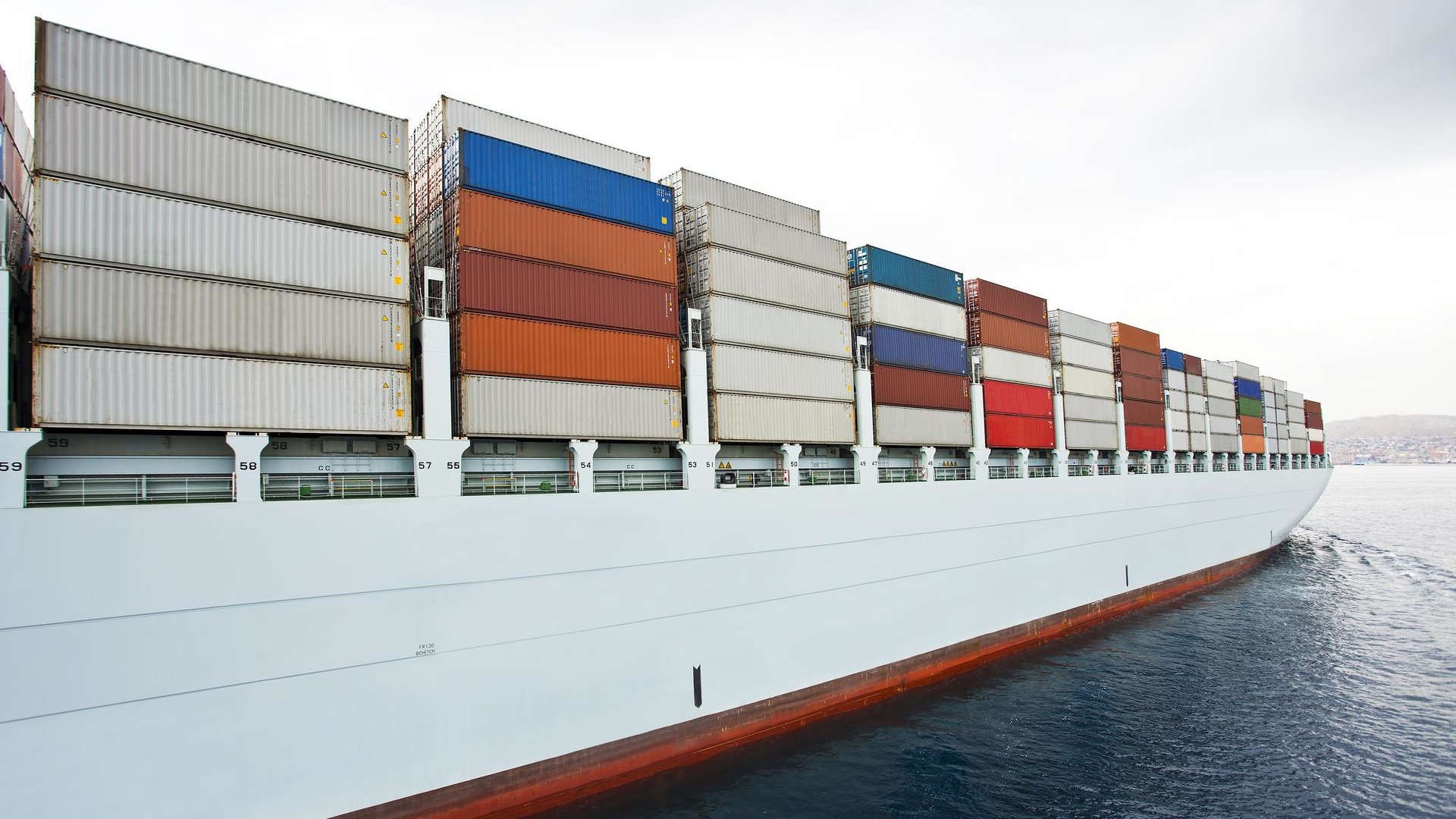
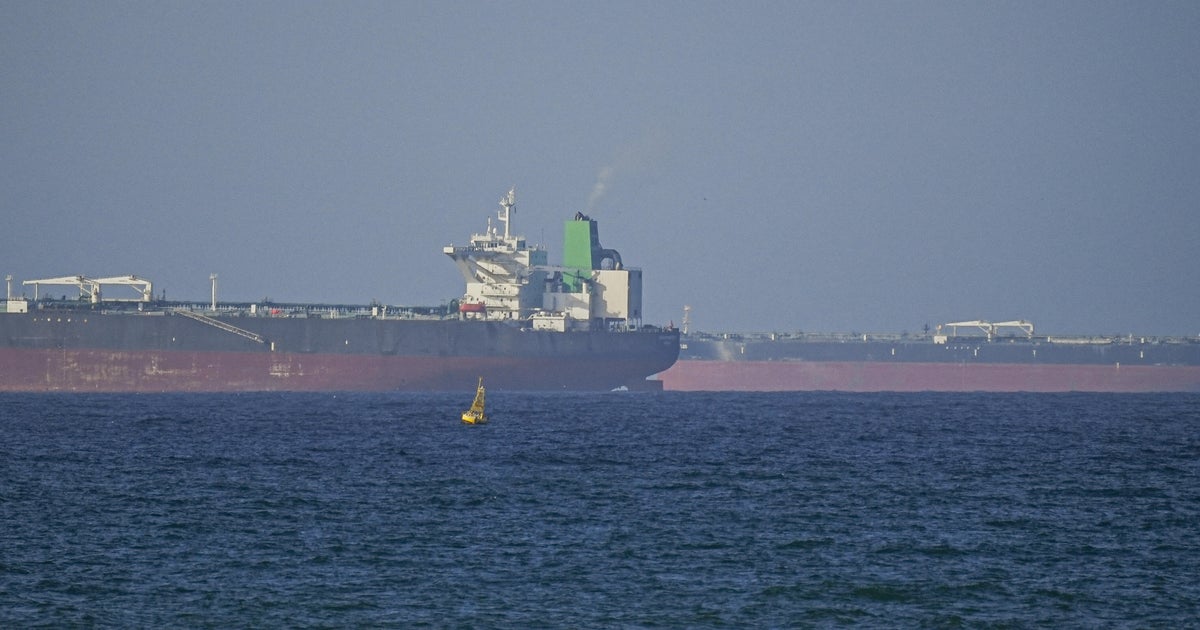
Strait of Hormuz Blockade Extends 6+ Months | Ocean Freight Costs Surge 25-40% for Asia-Middle East Routes
- Only 10-12 vessels daily vs. 100+ pre-war; shipping costs spike $800-1,200/TEU; sellers must reroute inventory NOW or face 4-8 week delays












Overview
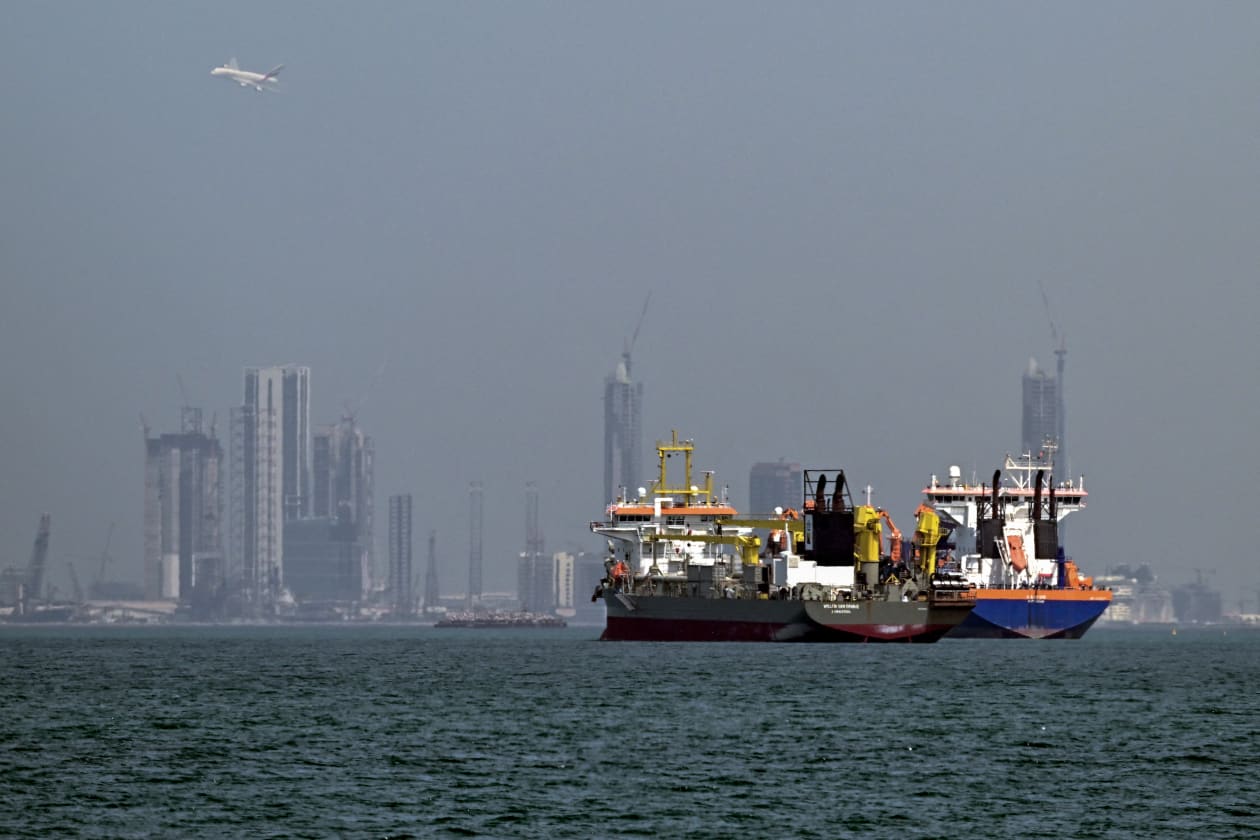
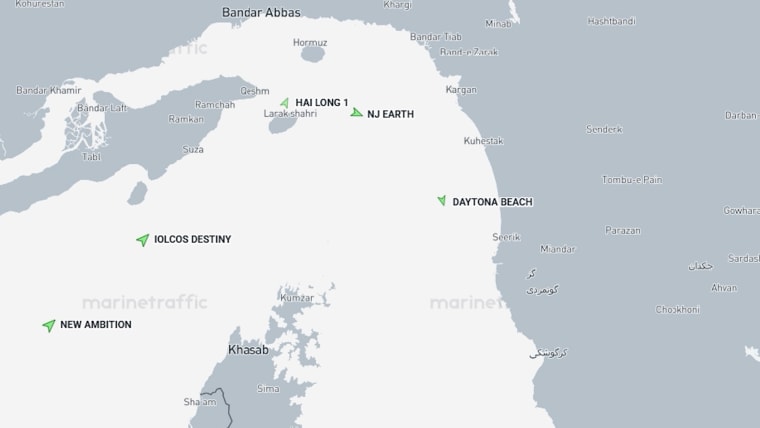
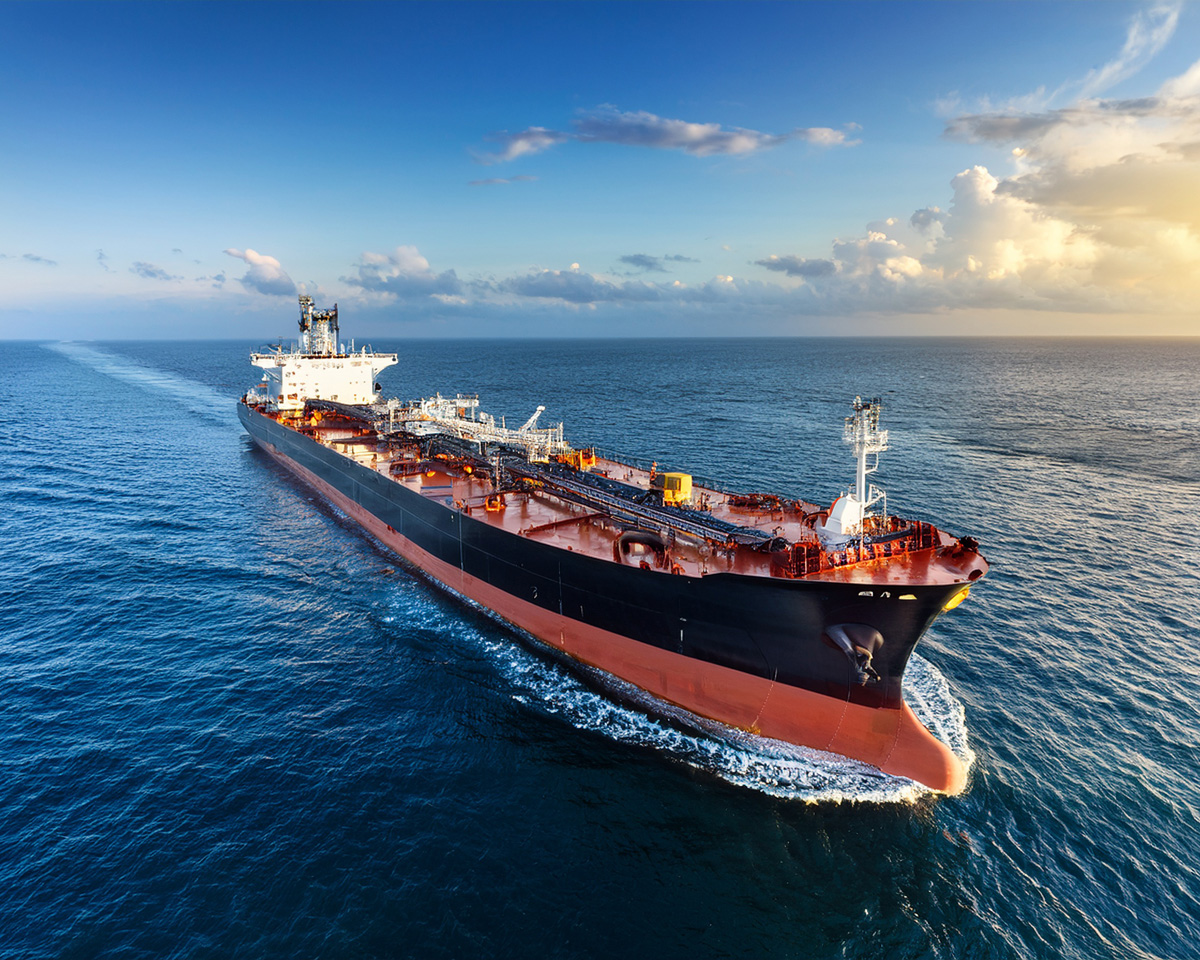
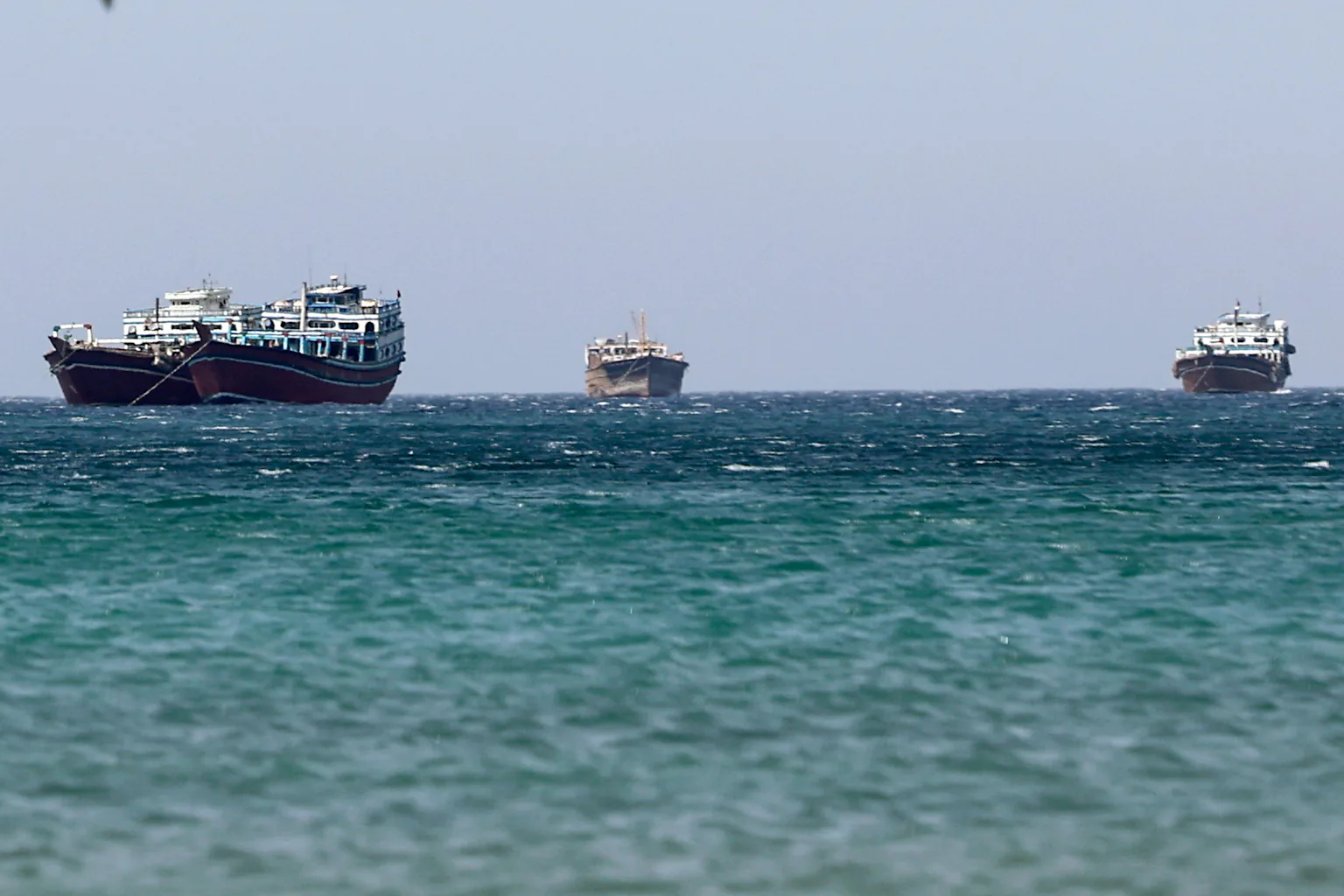
The Strait of Hormuz remains effectively closed despite the April 8-9, 2026 ceasefire between the U.S. and Iran, creating a critical supply chain crisis for cross-border e-commerce sellers. Pre-war traffic averaged 100-129 vessels daily through this 21-mile waterway; current transit stands at only 10-12 ships per day—a 92% reduction. The strait handles approximately 20% of global oil supply (32 million barrels daily pre-war) and 21% of global maritime trade, making this blockade one of the most disruptive logistics events since the 2021 Suez Canal blockade.
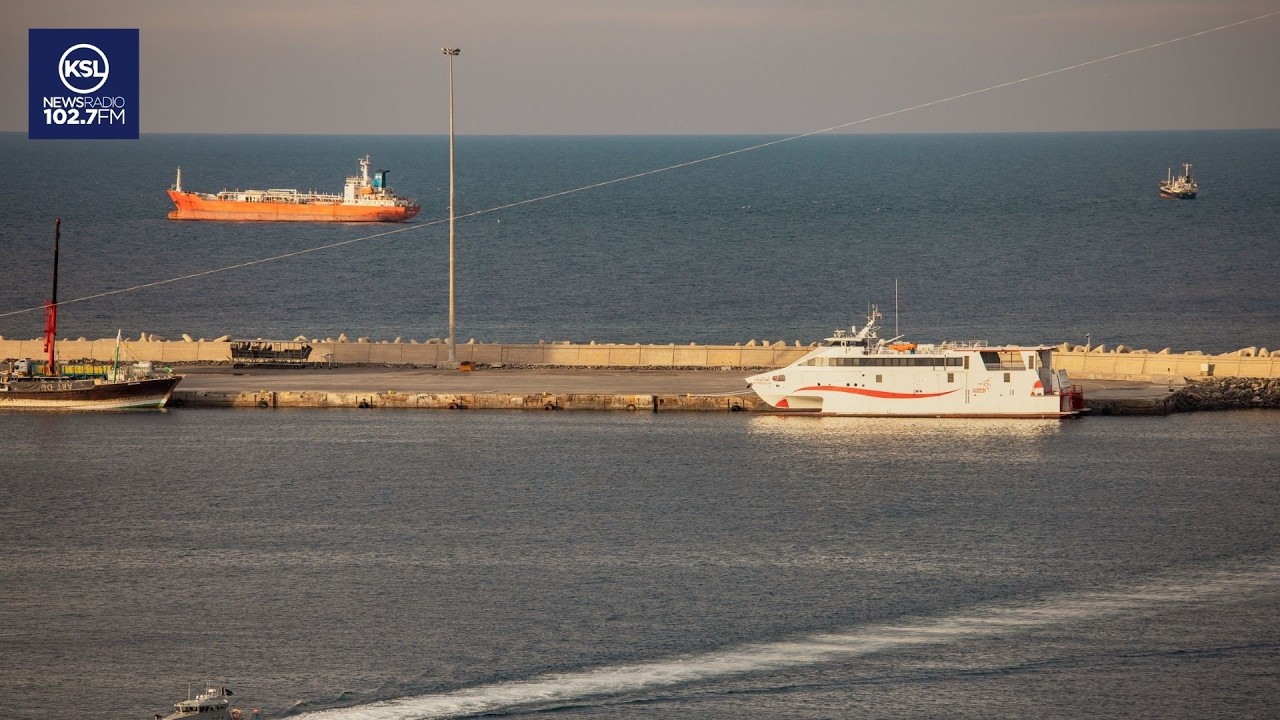
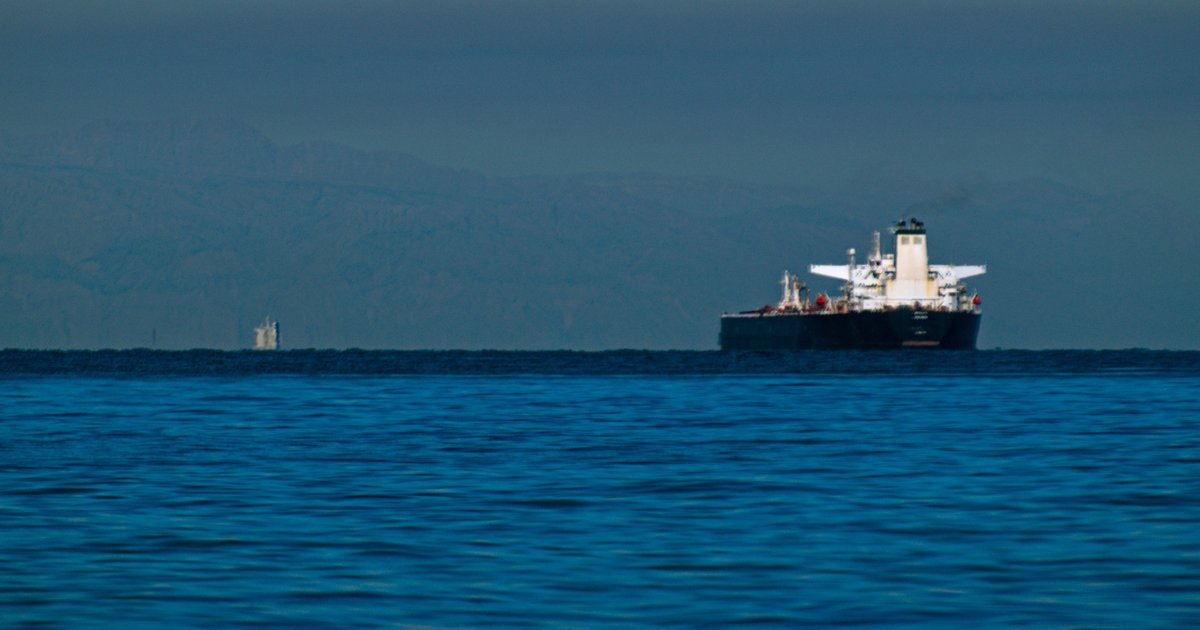
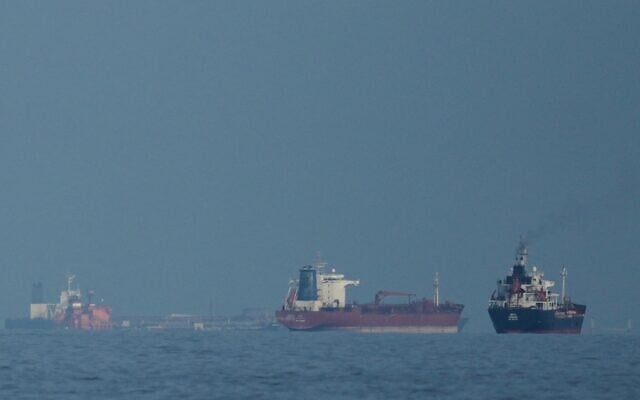
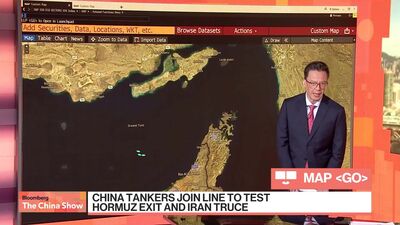
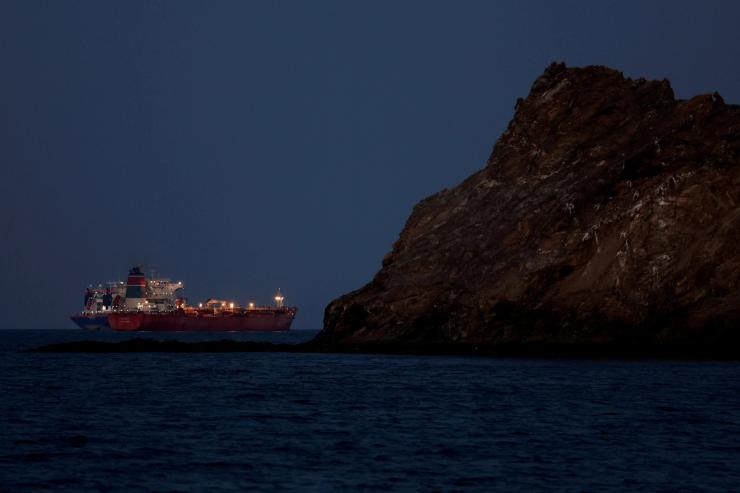
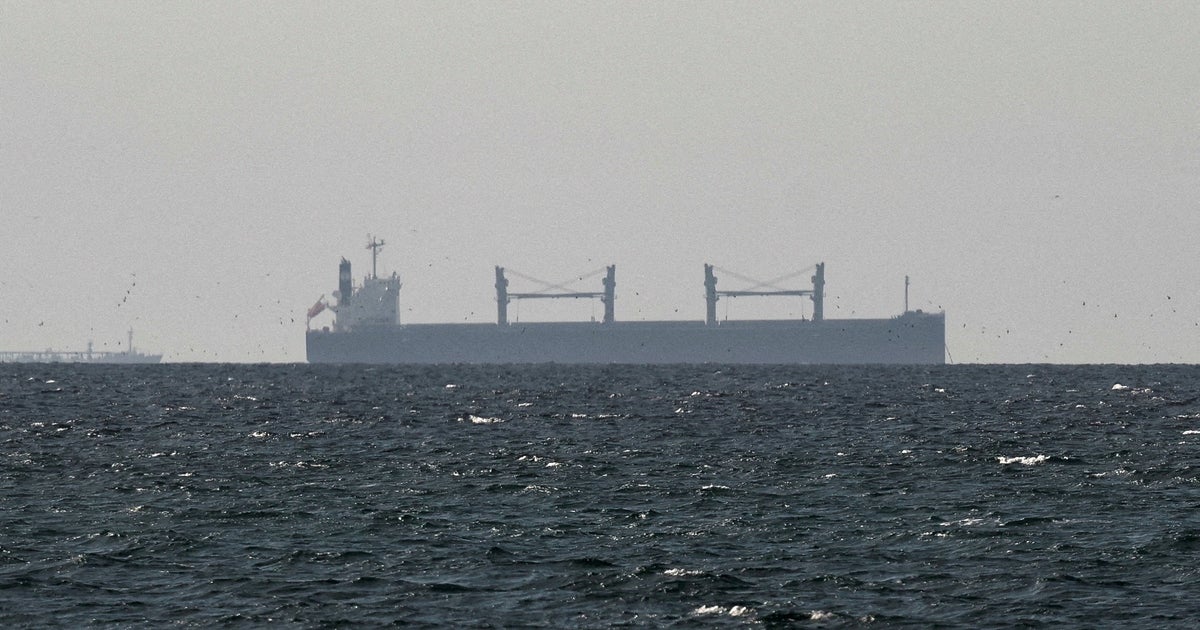
The core problem: Despite ceasefire provisions explicitly allowing vessel passage, Iran has implemented a selective passage system requiring explicit approval from Iranian authorities, unclear transit protocols, and new tolls up to $2 million per tanker (payable in Chinese yuan or cryptocurrency). Only 2-3 oil/gas tankers have transited post-ceasefire, while over 400 tankers, 34 LPG tankers, and 19 LNG vessels remain stranded in the region. Industry analysts estimate six months minimum to restore pre-war traffic levels, with some experts warning consequences will be "dire" if disruption continues another 1-2 weeks.
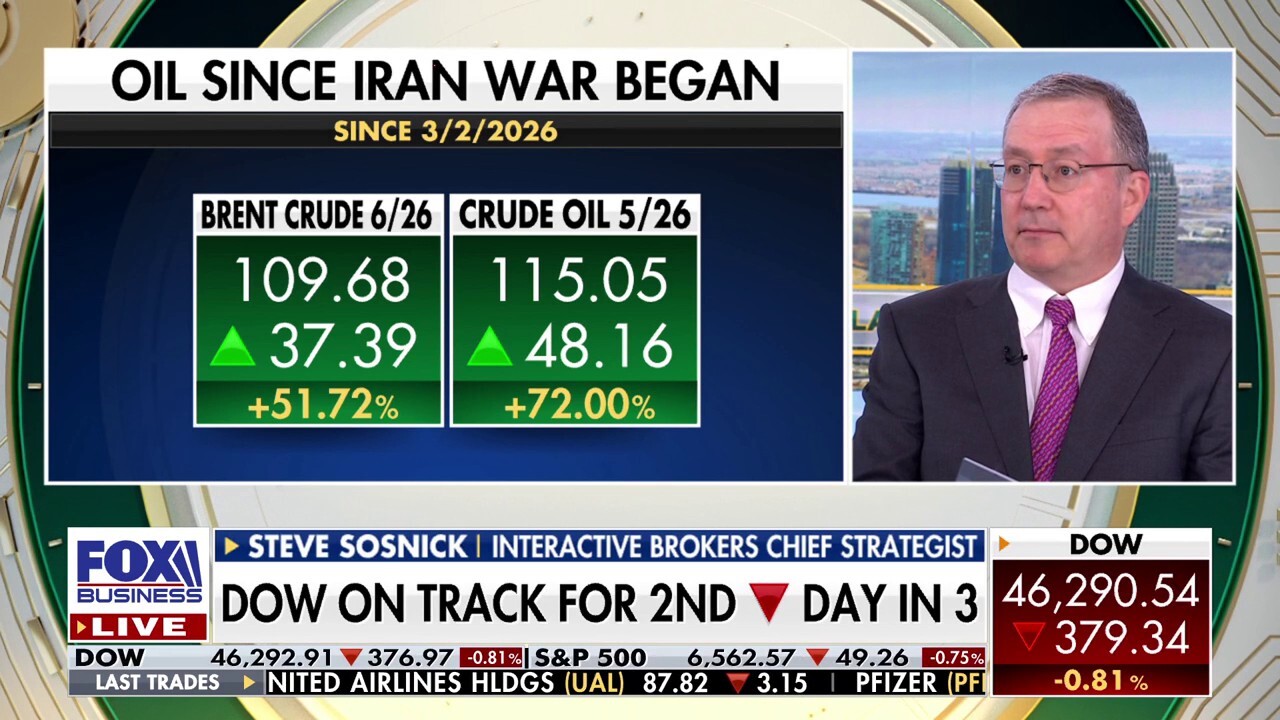
Immediate logistics impact for sellers: Ocean freight costs through the Strait of Hormuz have surged 25-40% ($800-1,200 per TEU increase), while alternative routing via the Cape of Good Hope adds 10-14 days to transit times and increases costs by 35-50%. Energy price volatility directly affects shipping rates—oil prices rebounded above $100/barrel by April 10, 2026, and average U.S. gas prices have risen $1.18 per gallon since the February 28 conflict began. Sellers importing electronics, textiles, machinery, and consumer goods from Asia face immediate cost pressures and inventory delays. The situation remains fluid with geopolitical complications (Lebanon-related tensions) creating uncertainty about ceasefire stability, suggesting prolonged disruption despite diplomatic negotiations scheduled for Islamabad.
Strategic implications: Chinese and Chinese-origin vessels will likely test passage first given China's alliance with Iran, potentially creating a two-tier shipping system where Chinese sellers gain cost/time advantages. Hapag-Lloyd (fifth-largest global carrier) and other major shipping companies are maintaining vessels in port due to safety concerns and unclear legal implications regarding sanctions compliance. The blockade directly impacts sellers relying on time-sensitive shipments—those dependent on Middle Eastern supply chains or exporting to Gulf markets face weeks-to-months delays and 15-25% margin compression from elevated logistics costs.
Questions 8
How much will ocean freight costs increase for sellers shipping through the Strait of Hormuz?
Ocean freight costs have surged 25-40% ($800-1,200 per TEU) due to reduced capacity and vessel congestion. Pre-war daily traffic of 100+ vessels has collapsed to 10-12 ships, creating severe bottlenecks. Sellers importing from Asia or exporting to Middle Eastern markets face immediate cost pressures. Alternative routing via Cape of Good Hope adds 10-14 days to transit times and increases costs by 35-50%, making it economically viable only for non-time-sensitive shipments. Industry analysts estimate six months minimum to restore pre-war pricing, suggesting elevated costs will persist through Q3 2026.
What is the total landed cost impact for sellers importing $100K monthly from Asia?
For a typical $100K monthly import (approximately 20 TEU): Pre-war landed cost = $2,000-2,500/TEU ($40K-50K freight) + 5-8% tariffs + 2-3% insurance = ~$48K-56K total logistics cost. Current blockade scenario = $2,800-3,700/TEU ($56K-74K freight) + 5-8% tariffs + 3-4% insurance (higher risk premium) = ~$63K-82K total logistics cost. **Cost increase: $15K-26K monthly (31-46% margin compression)**. Alternative Cape routing = $3,000-4,000/TEU ($60K-80K freight) + extended carrying costs = ~$68K-90K total. Sellers must immediately adjust pricing models, negotiate supplier discounts, or reduce order volumes to maintain profitability during the 6+ month blockade period.