


Apple Closes 3 Stores Including First Unionized Location | Retail Consolidation Signals O2O Opportunity
- Mall-based retail decline accelerates; 3 permanent closures in June 2025 create pop-up and authorized reseller opportunities for tech accessory sellers in Maryland, Connecticut, California markets




















Overview
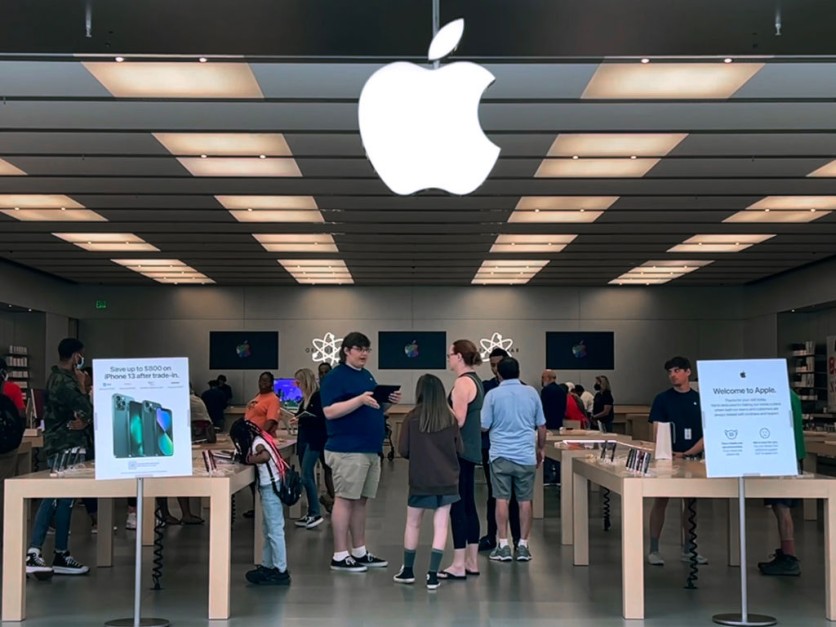
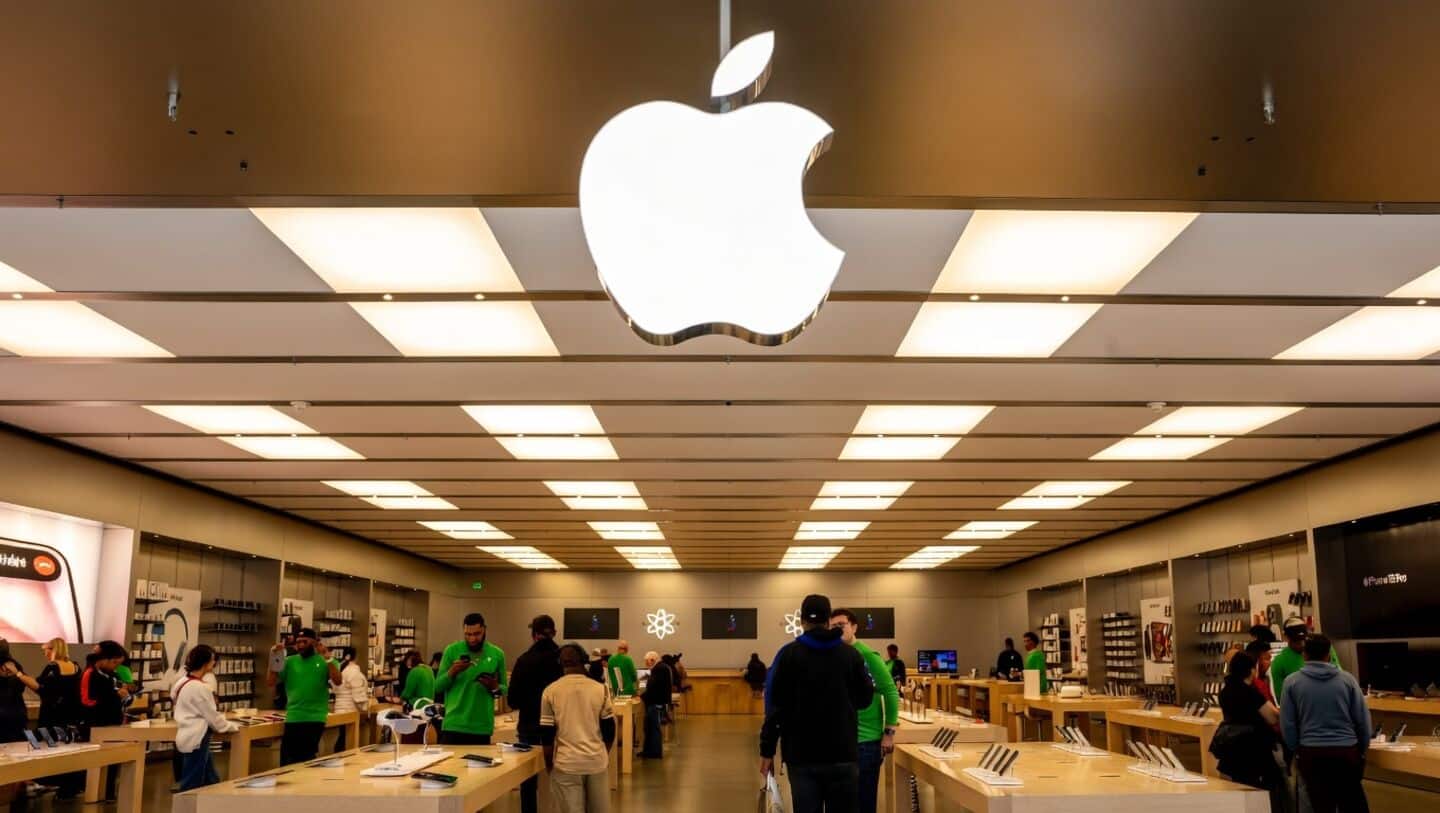
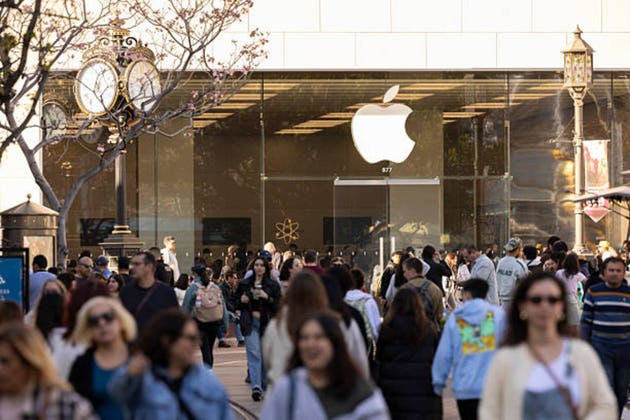
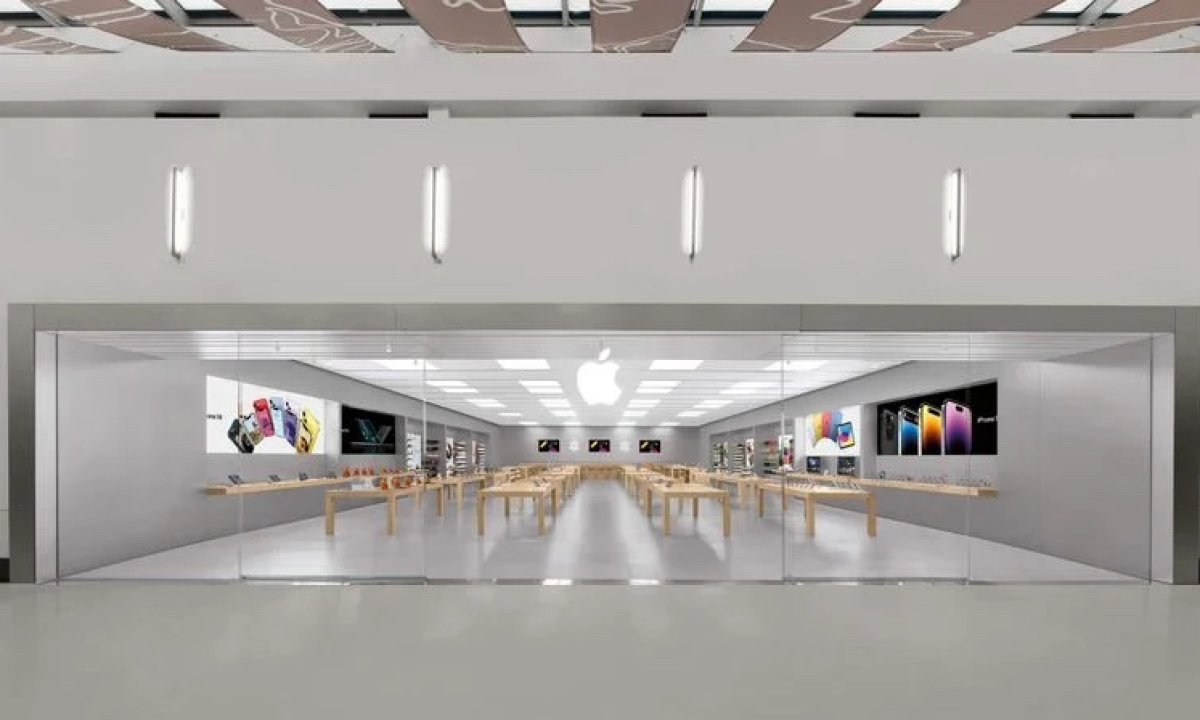
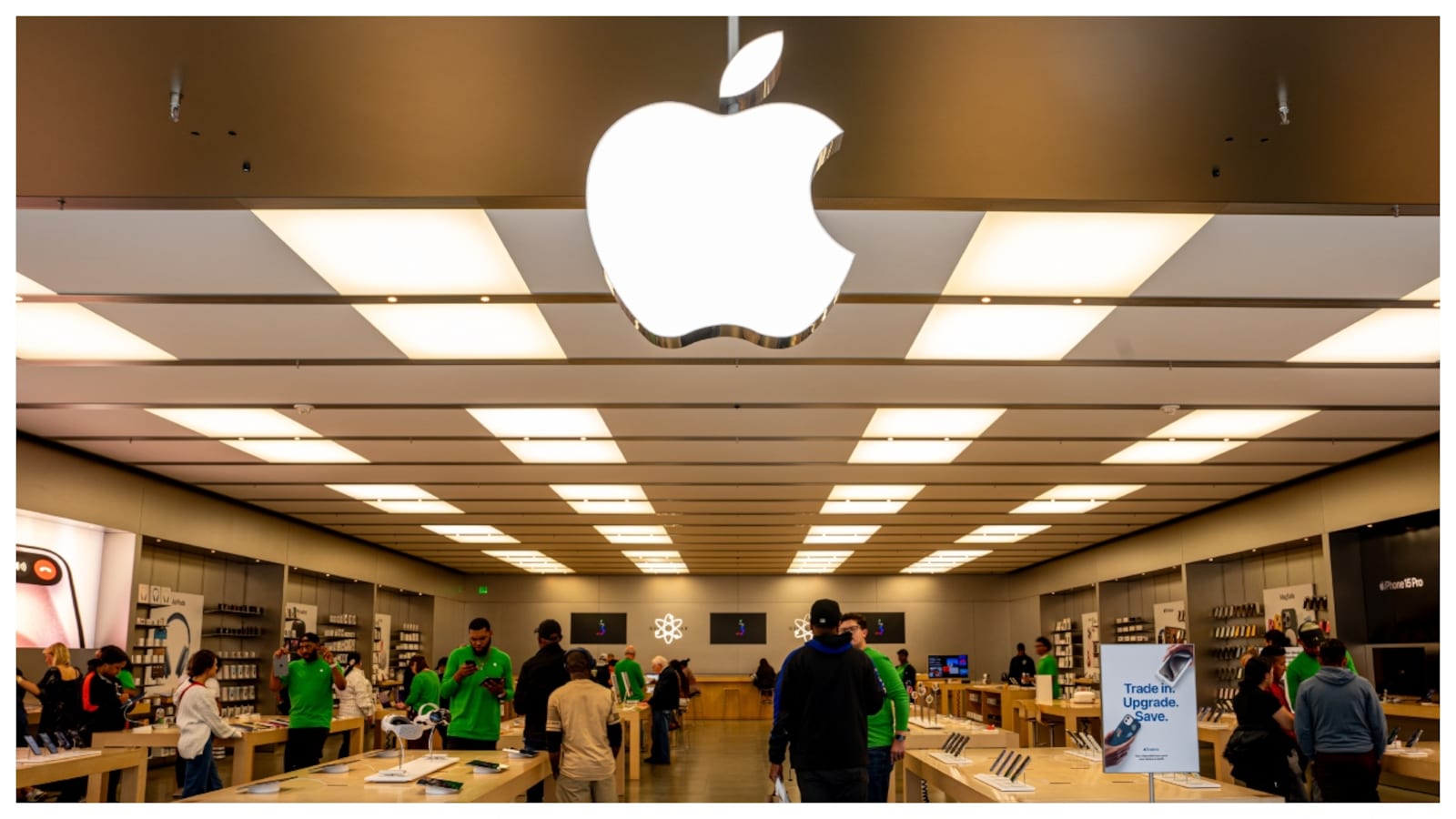
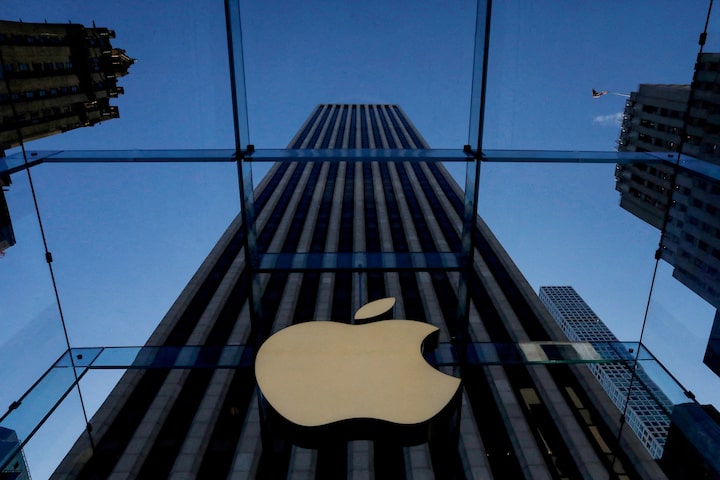
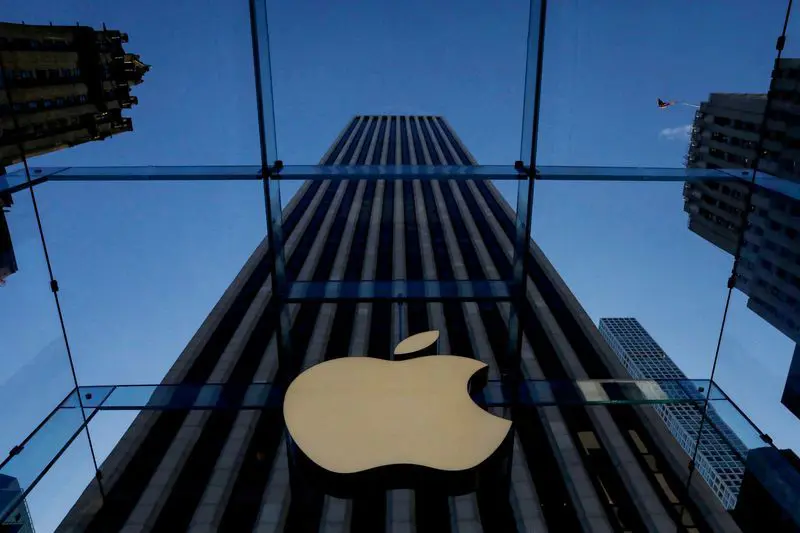
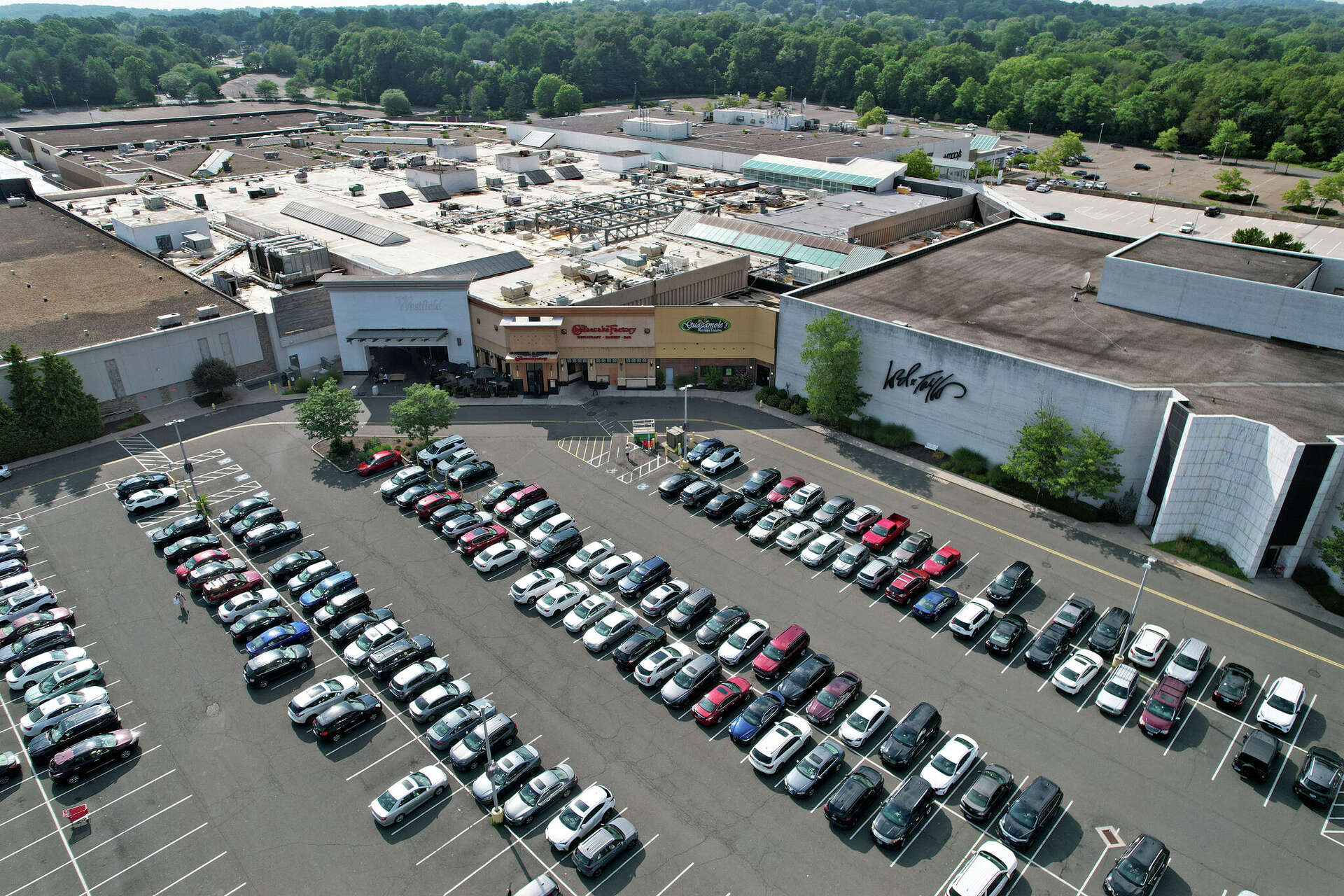
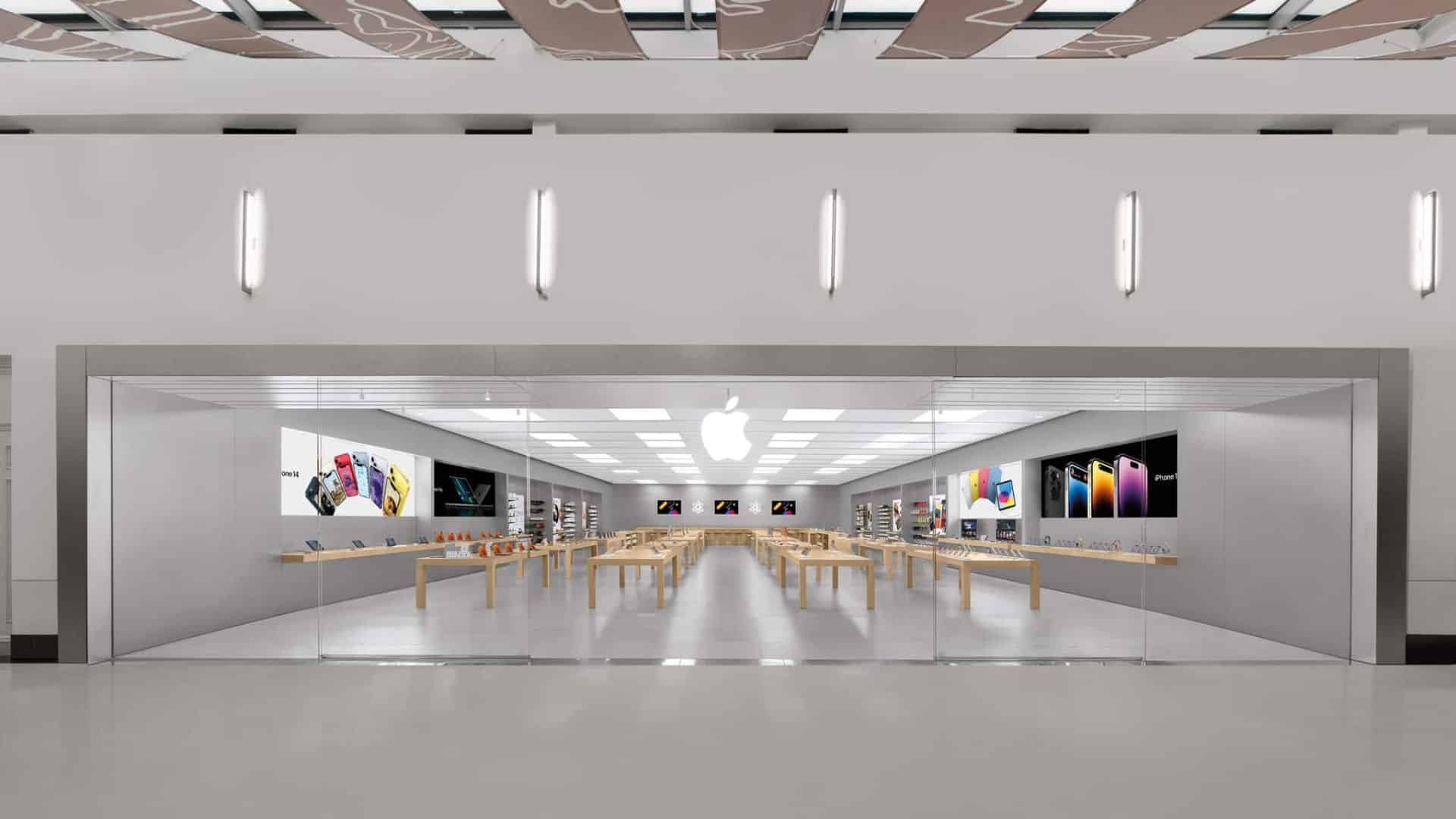
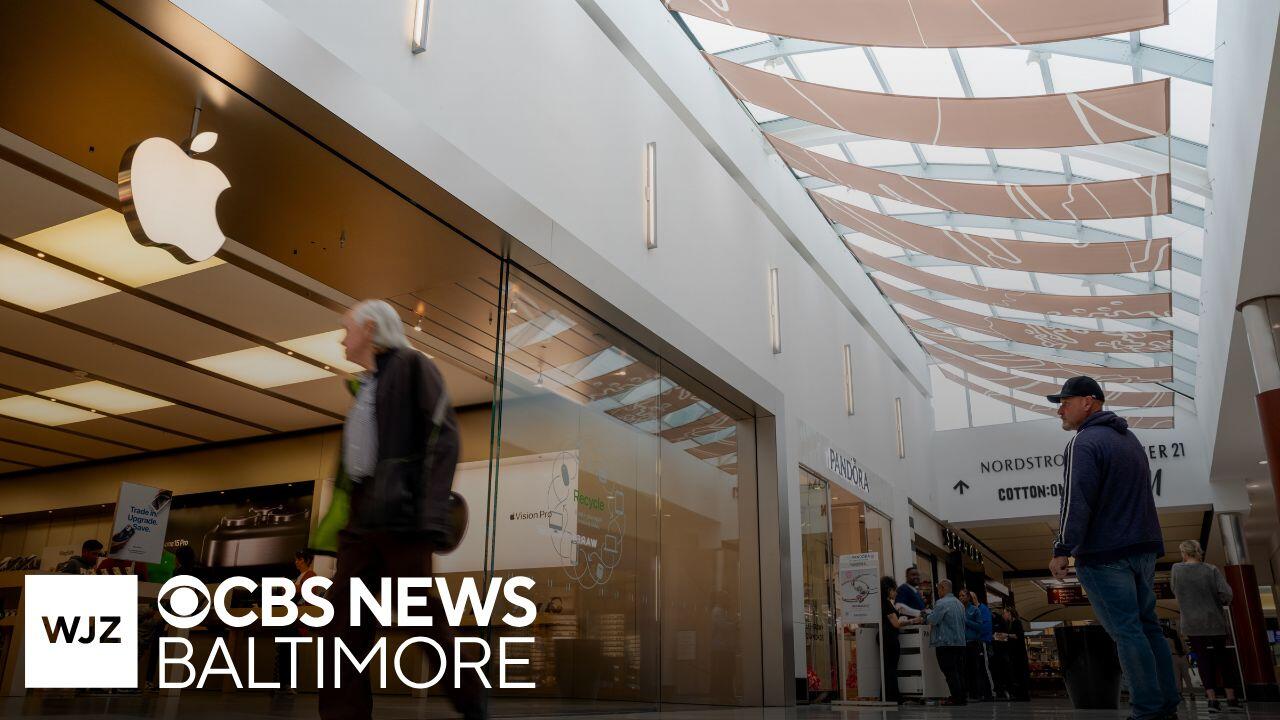
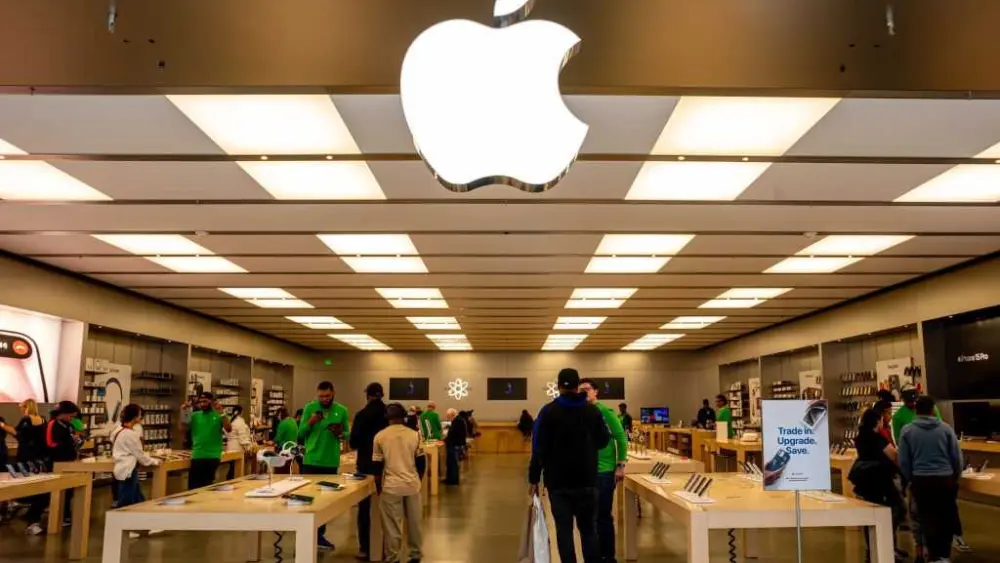
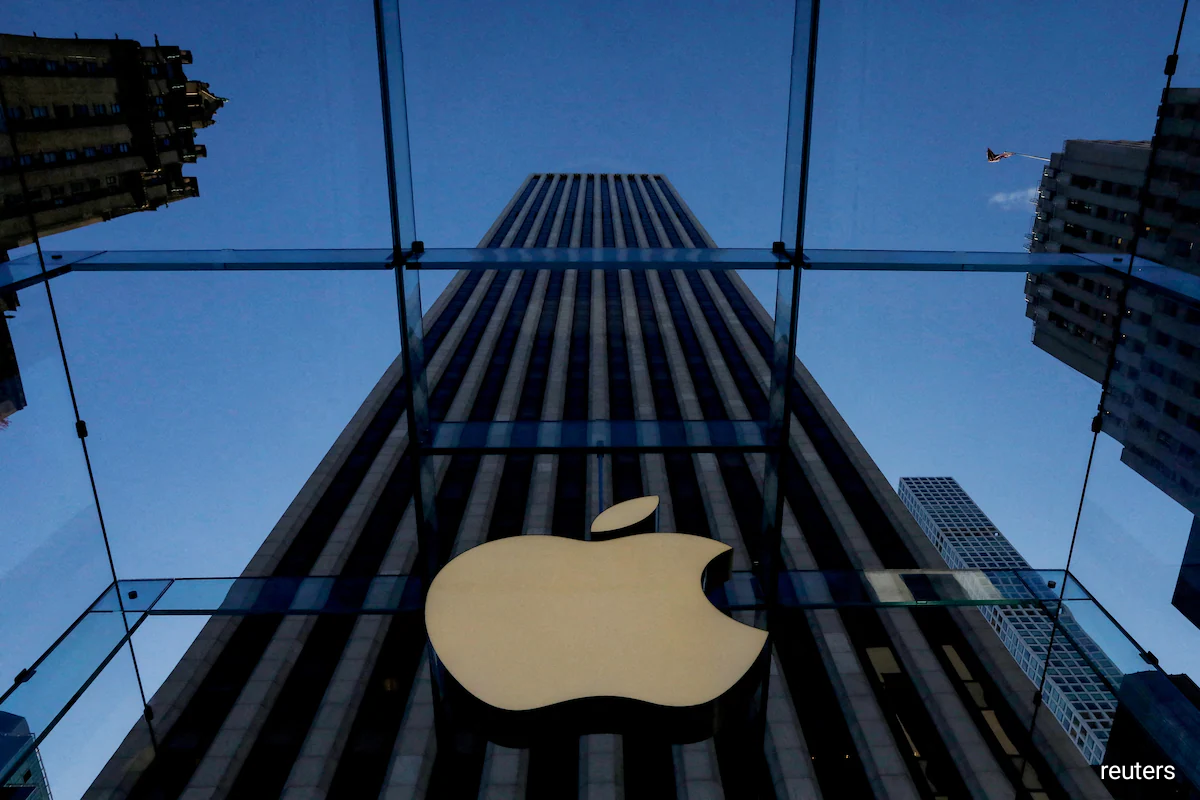
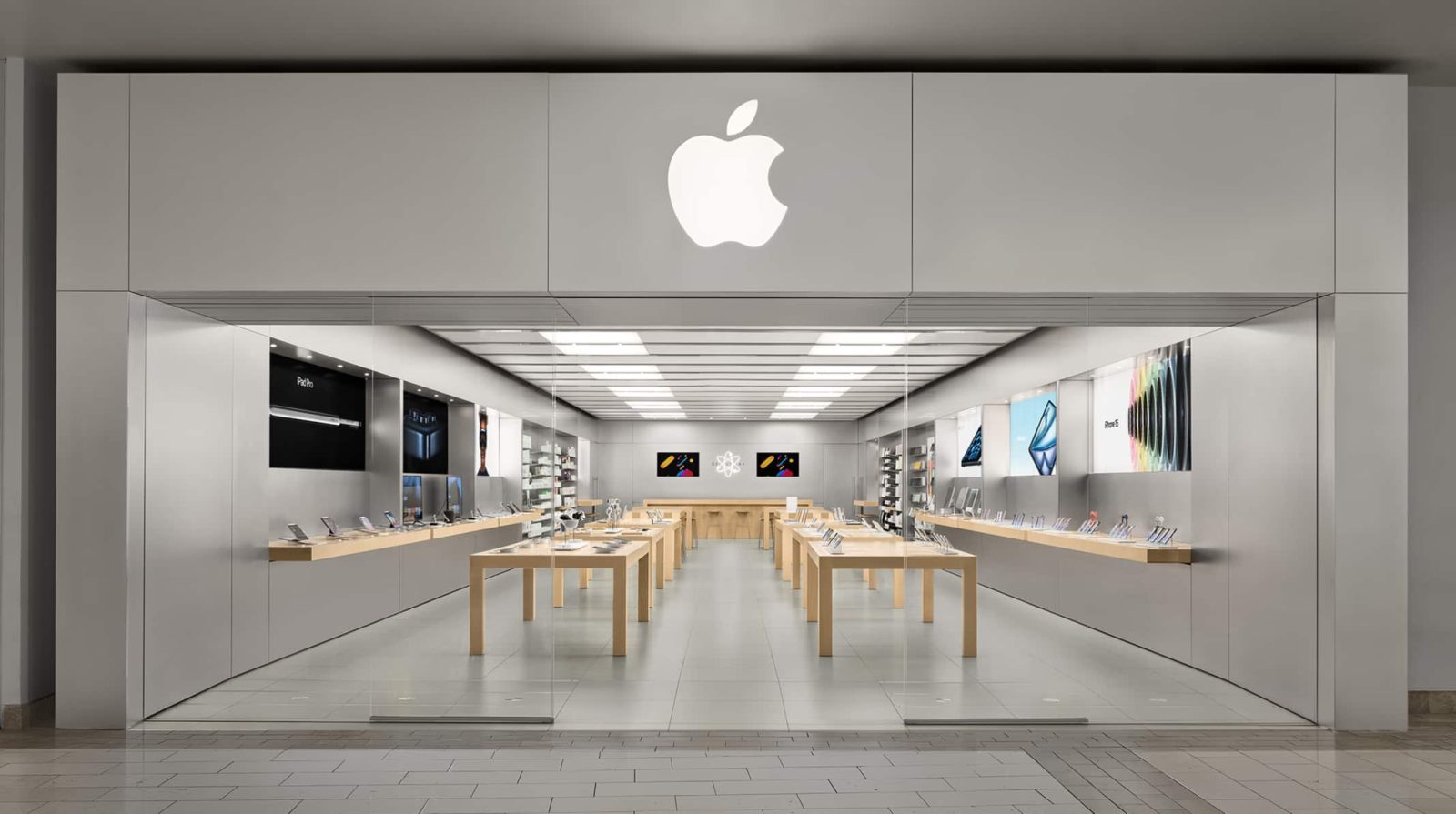
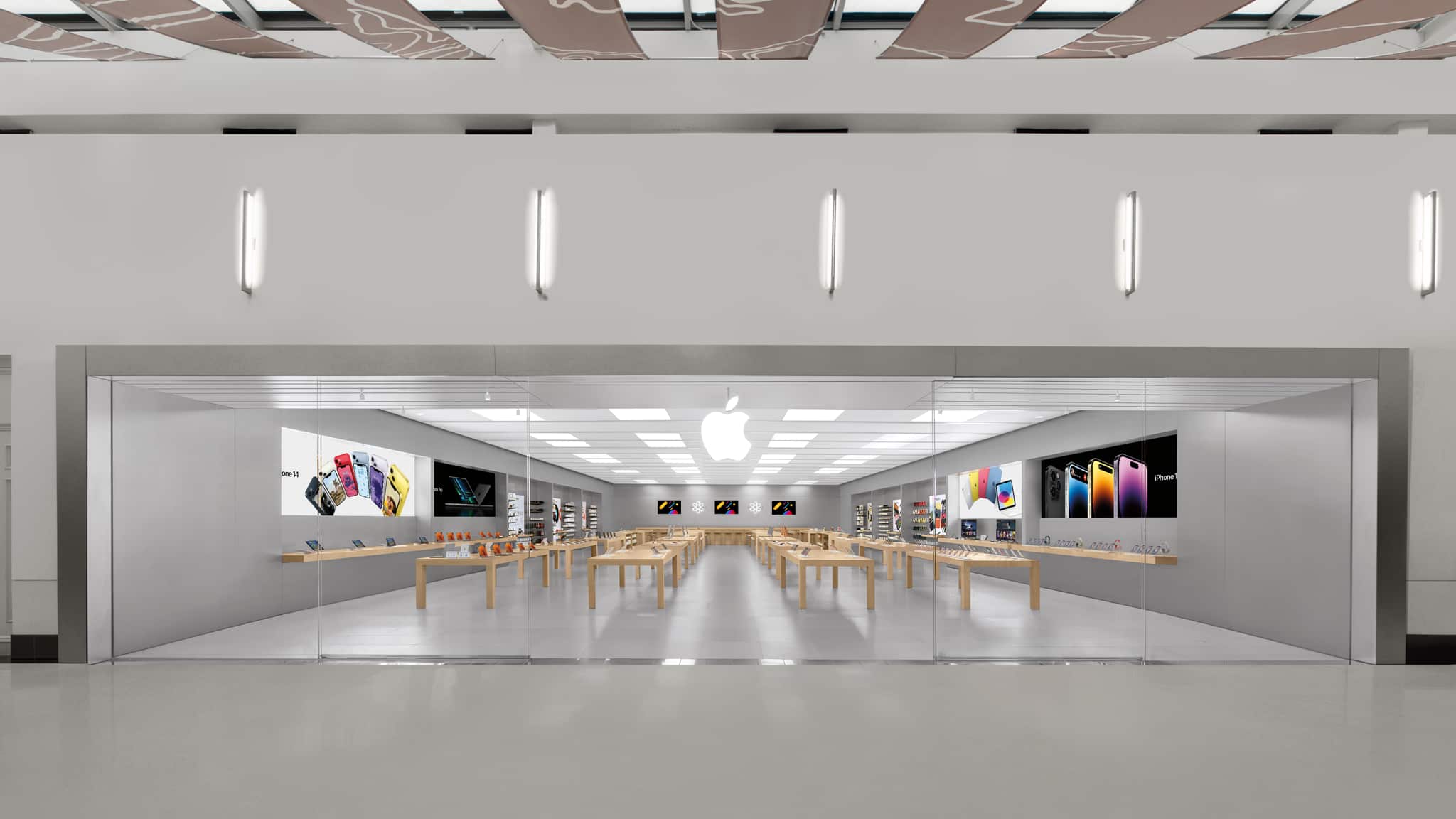
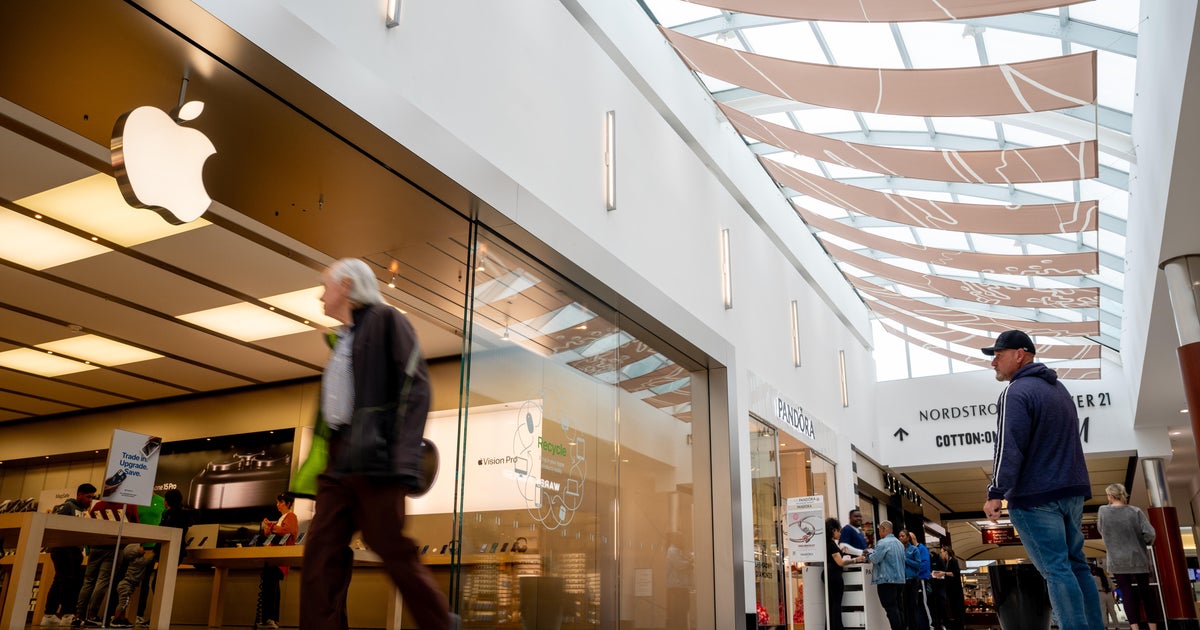
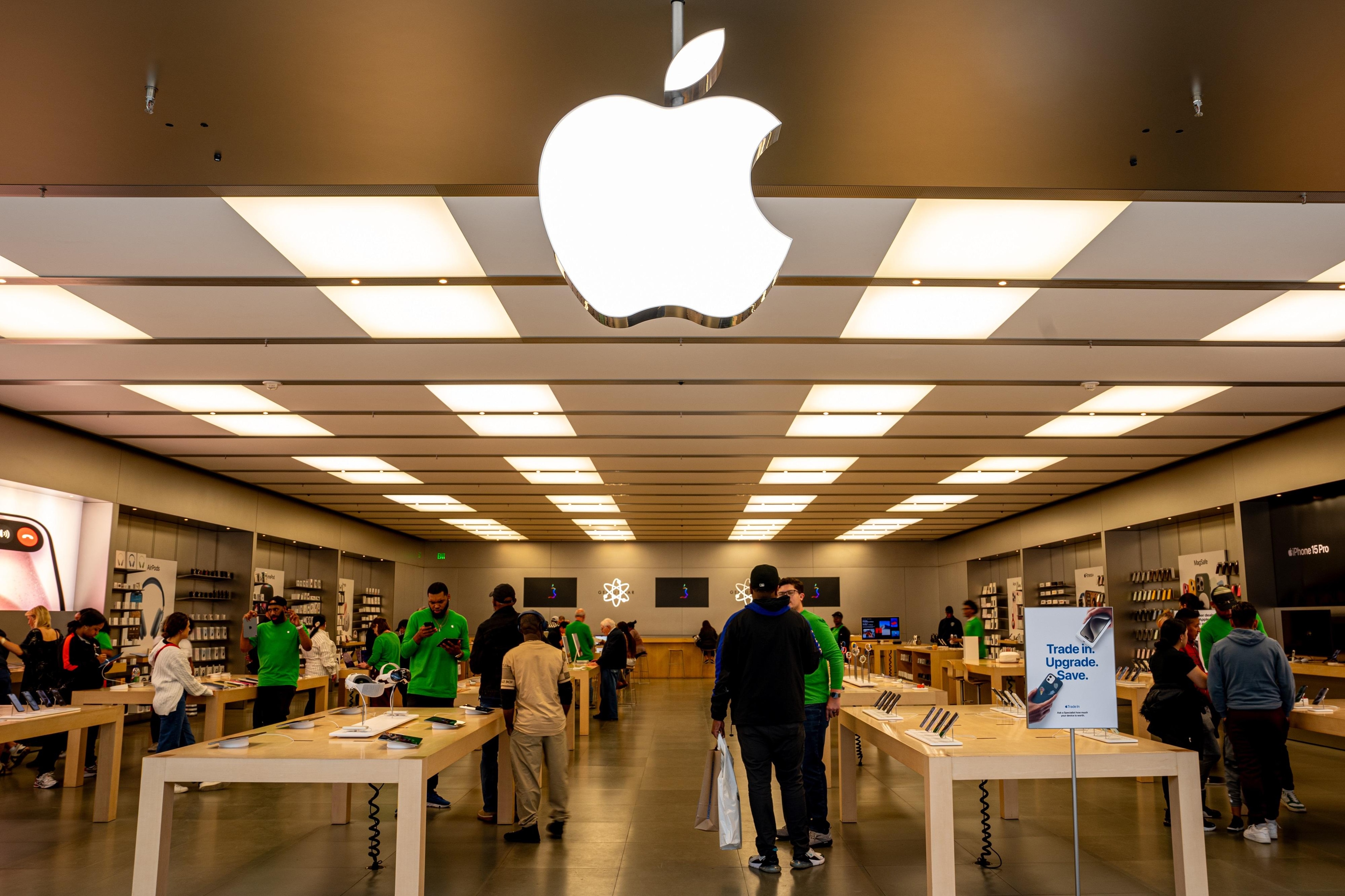
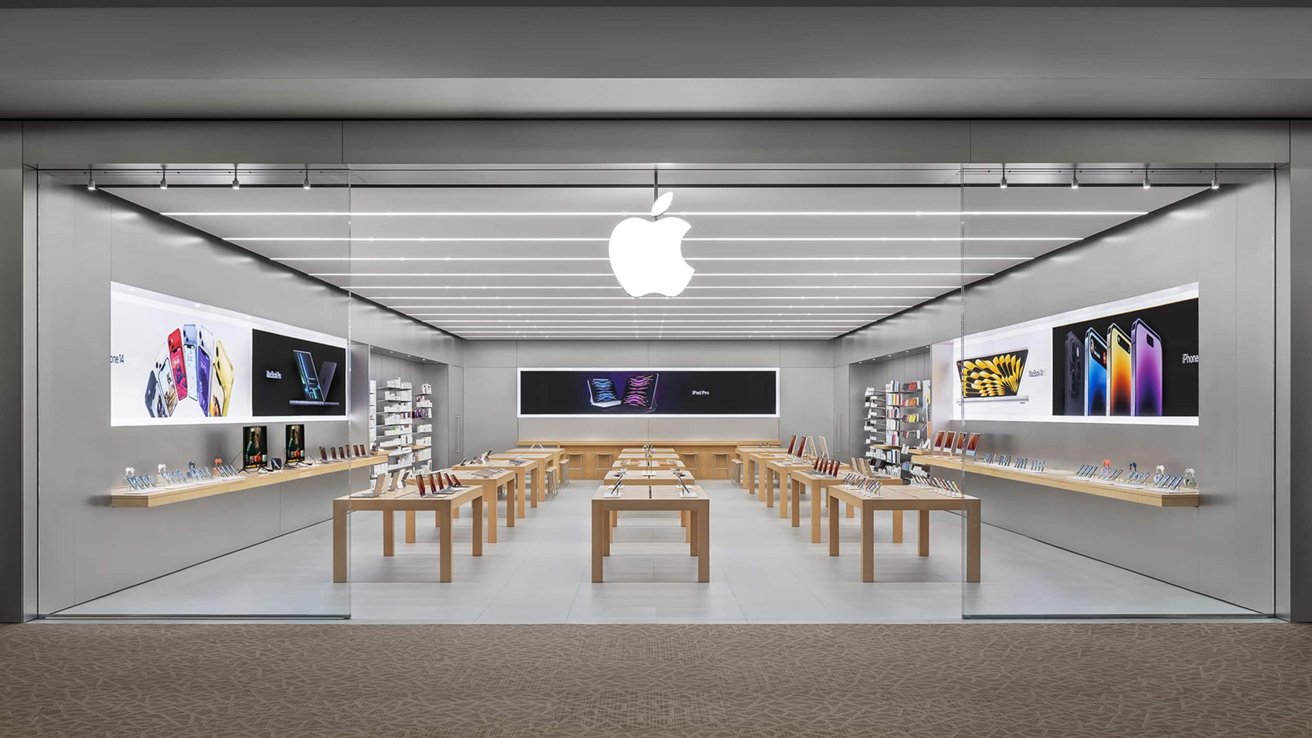
Apple's permanent closure of three US retail locations in June 2025—including its first unionized store in Towson, Maryland—signals a critical shift in physical retail strategy with direct implications for cross-border sellers and O2O operators. The closures in Towson Town Center (Maryland), North County (California), and Trumbull (Connecticut) result from declining mall conditions and anchor retailer departures, reflecting broader structural decline in traditional enclosed shopping centers. This represents a rare strategic consolidation for Apple, which typically maintains aggressive retail expansion.
The unionization angle compounds the operational decision. Apple's Towson location became the company's first successfully unionized store in 2024 under the International Association of Machinists and Aerospace Workers (IAM). The timing of closure shortly after the union contract finalization has triggered labor scrutiny, with union representatives disputing Apple's mall-decline rationale and alleging union-busting tactics. This labor tension creates a critical insight for multi-location retailers: unionization costs and labor relations now directly impact real estate strategy and store viability assessments.
For O2O sellers and experiential retail operators, this creates three immediate opportunities: First, the closure of anchor retail locations in these three markets signals reduced foot traffic but also reduced competition for premium retail space. Pop-up showrooms and temporary retail partnerships in nearby standalone locations or outdoor malls (Apple's stated preference) can capture displaced customer traffic at lower cost than traditional mall leases. Second, Apple's shift toward authorized resellers and service providers creates partnership opportunities for tech accessory sellers—Apple explicitly stated it will serve customers through "authorized resellers and service providers" in these regions. Third, the labor relations dimension reveals that retailers increasingly view unionized locations as higher-cost operations, potentially creating opportunities for non-unionized competitors to secure retail partnerships at better terms.
Retail consolidation data shows this pattern accelerating. Traditional enclosed malls have lost 25-30% of anchor retailers since 2020, with permanent store closures accelerating in 2024-2025. Apple's rare decision to permanently close stores (versus temporary renovations) signals that even premium brands now view certain mall locations as structurally unviable. For sellers, this means: (1) mall-based retail partnerships are declining in viability; (2) standalone and outdoor mall locations command premium positioning; (3) authorized reseller networks become more valuable as brands consolidate physical presence.
Questions 8
What are the concrete next steps for sellers targeting these three markets?
Immediate actions (0-30 days): (1) Map authorized reseller networks in Maryland, Connecticut, and California; (2) Identify standalone Apple Store locations near the three closing stores; (3) Research outdoor mall environments in these markets with strong foot traffic; (4) Evaluate labor relations status of potential retail partners. Medium-term (1-3 months): (1) Develop pop-up store concepts for 3-6 month trials in standalone/outdoor locations; (2) Approach authorized reseller networks with product proposals; (3) Negotiate retail partnership terms with non-unionized chains. Long-term (3-6 months): (1) Scale successful pop-up locations into permanent retail partnerships; (2) Build authorized reseller network to 20-50 locations; (3) Monitor mall-based partnerships for performance; exit underperforming locations. Expected O2O conversion lift: 25-40% from pop-up to authorized reseller channels based on similar retail consolidation patterns.
How should sellers evaluate retail partnership opportunities in declining mall locations?
Avoid traditional enclosed shopping mall partnerships in 2025-2026 based on Apple's explicit strategy shift. Evaluation criteria should include: (1) Anchor retailer status (departures signal declining viability); (2) Foot traffic trends (Apple cited 'reduced foot traffic' as closure rationale); (3) Complementary retail ecosystem (Apple prioritizes 'complementary retail ecosystems'); (4) Lease terms (mall-based leases typically 3-5 years; negotiate shorter terms given structural decline). Instead, prioritize: Standalone locations with 15,000+ daily foot traffic; Outdoor mall environments with anchor retailers (Target, Whole Foods); Authorized reseller networks with 50+ locations. Mall-based retail partnerships should only be considered if lease terms are <12 months or include performance-based exit clauses.